
Who Pays for an Engagement Ring? Exploring Traditions and Modern Trends
When you think about getting engaged, you might wonder who pays for the engagement ring. Traditionally, the person proposing, usually the man, is expected to purchase the ring as a symbol of love and commitment. However, modern couples are increasingly breaking from tradition and exploring different ways to handle the costs involved.

Many couples now choose to buy the engagement ring together, making it a shared experience that reflects their partnership. This approach reinforces the idea that both partners are equally invested in their future and commitment to each other. As societal norms evolve, it’s clear that the importance of the ring goes beyond who pays for it—it’s about what it represents in your journey toward marriage.
Ultimately, the choice of who pays for the engagement ring can vary based on your values and financial situations. It’s all about finding what works best for you and your partner as you take this exciting step together.
Historical Perspective on Engagement Ring Expenses
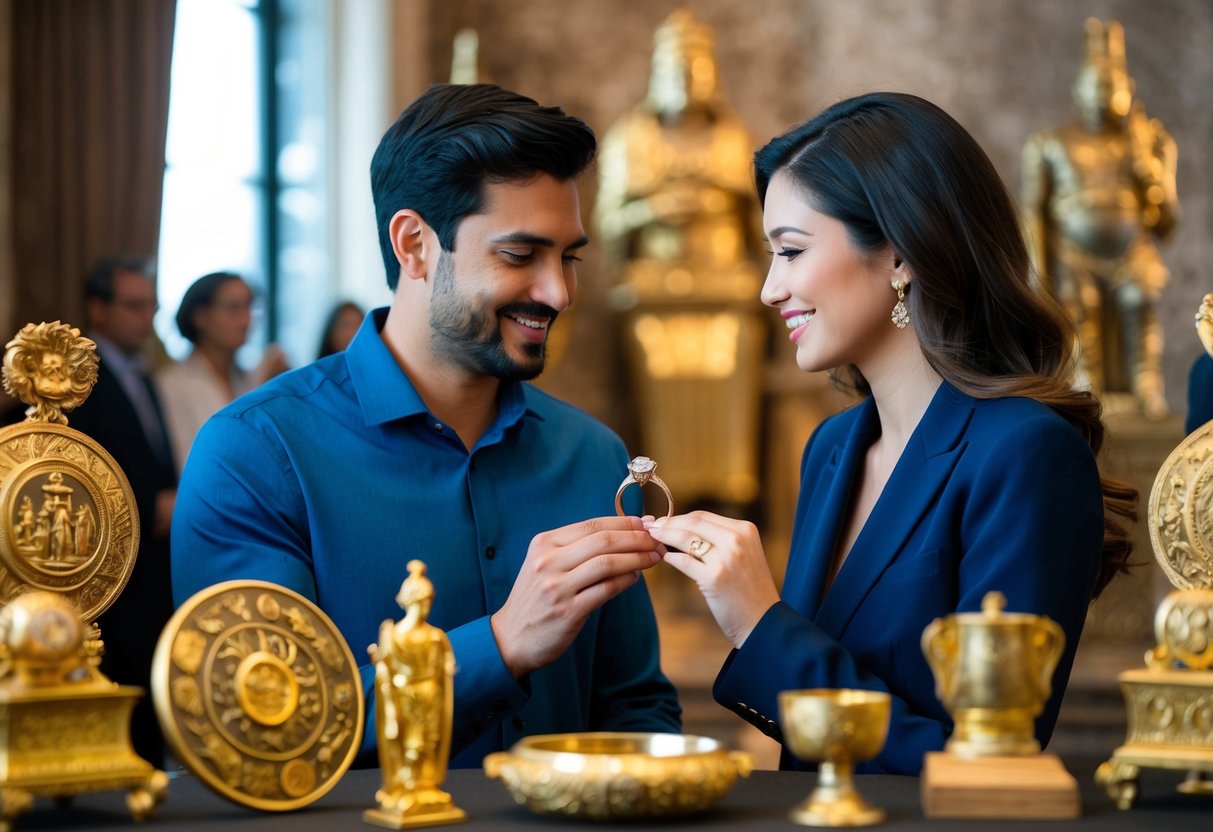
Engagement rings hold significant meaning in many cultures, and their costs have evolved over time. Understanding the history behind who pays for engagement rings can provide insight into current customs and practices.
Traditional Views and Practices
Traditionally, it was common for the groom to pay for the engagement ring. This practice dates back to ancient Rome when men presented rings to signify their intention to marry. These rings were often made from materials like iron or bronze, symbolizing strength and commitment.
In many cultures, the groom’s family often took on this financial responsibility as a show of their support. The engagement ring signified not only a couple’s promise but also the groom’s ability to provide for his future wife.
Evolution of Engagement Ring Customs
Over time, the customs surrounding engagement rings changed. The rise of marketing and advertising in the 20th century played a significant role in shaping modern expectations.
The De Beers campaign of the 1930s promoted the idea that men should spend one month’s salary on an engagement ring. By the 1980s, this recommendation evolved into spending two months’ salary. Today, there is more flexibility in costs. Couples often discuss their preferences openly, sometimes even sharing the expenses.
Now, many people consider their personal circumstances rather than strictly following traditional roles. This shift allows for a more personalized and meaningful experience.
Modern Considerations for Engagement Ring Purchase

Thinking about who pays for an engagement ring? Many modern couples are re-evaluating traditional norms. They focus on shared responsibilities, financial planning, and equality in decision-making. Here are some key points to consider.
Gender Roles and Equality
In the past, it was common for men to pay for engagement rings. Today, many couples question this tradition. You might feel more comfortable discussing finances together before making a decision.
It’s important to consider your values and beliefs. Are you both on the same page about gender roles? This can pave the way for a more honest conversation about who pays for the ring.
When you both share the financial burden, it can symbolize equality in your relationship. Discussing your preferences can help you understand each other’s perspectives.
Financial Planning and Budgeting
Setting a budget is crucial in any engagement ring purchase. Think about your financial situation before deciding how much to spend.
You could consider the two-to-three-month salary guideline, but that may not fit everyone’s circumstances today. Instead, evaluate your savings and income. Decide what feels comfortable for both of you.
A clear budget can help you explore your options without overspending. It can also prevent potential stress later on. Being on the same page with budgeting ensures that you can make informed choices together.
Egalitarian Approach and Joint Decisions
More couples are embracing an egalitarian approach. This means both partners contribute to the decision-making process. You might consider splitting the cost of the engagement ring or even shopping for rings together.
This collaborative effort can enhance your bond and make the purchase feel special. It’s also a great way to ensure both partners are happy with the final choice.
By discussing your preferences upfront, you can find a ring that reflects both your styles. Making decisions together demonstrates unity and can set a positive tone for your future as a couple.
Integrating Engagement Ring Costs into Wedding Planning
When planning your wedding, it’s important to consider how engagement ring costs fit into your overall budget. You may need to allocate funds not just for the engagement ring, but also for wedding bands and other wedding expenses. By understanding these costs, you can make informed financial decisions.
Allocating Wedding Expenses
Start by creating a clear budget for your wedding. This includes all costs, such as the venue, catering, and decor. Don’t forget the engagement ring, which should be included in your overall spending plan.
Consider allocating a percentage of your budget specifically for rings. For example, if your total budget is $20,000, you might decide to set aside $2,000 for rings. This helps keep your finances organized and reduces stress.
The Cost of Wedding Bands
After the engagement ring, think about the cost of wedding bands. Traditionally, the groom pays for both the engagement ring and the bride’s wedding band. Meanwhile, the bride often covers the groom’s wedding band.
Wedding bands can vary greatly in price. On average, expect to pay between $500 and $2,500 for each band. Make sure to shop together to find styles that fit your personalities and budget.
Love and Financial Commitment
Purchasing an engagement ring and wedding bands symbolizes your love and commitment. Many couples now share these costs, although traditional roles suggest that the groom pays for the engagement ring.
Discuss how much each of you is comfortable spending. Spending limits can reflect your values and beliefs about money.
Being on the same page financially strengthens your bond. It ensures that you approach wedding planning as a team, creating a solid foundation for your future together.