
Who Pays for Bride’s Second Wedding? Exploring Financial Traditions and Modern Practices
Planning a second wedding can bring up many questions, especially about who is responsible for the costs. In most cases, the couple themselves will pay for their second wedding rather than relying on family contributions. This shift in responsibility is part of the changing wedding etiquette around second marriages. As a second-time bride, you often find yourself in a different financial situation than before, making it more common to handle expenses on your own.
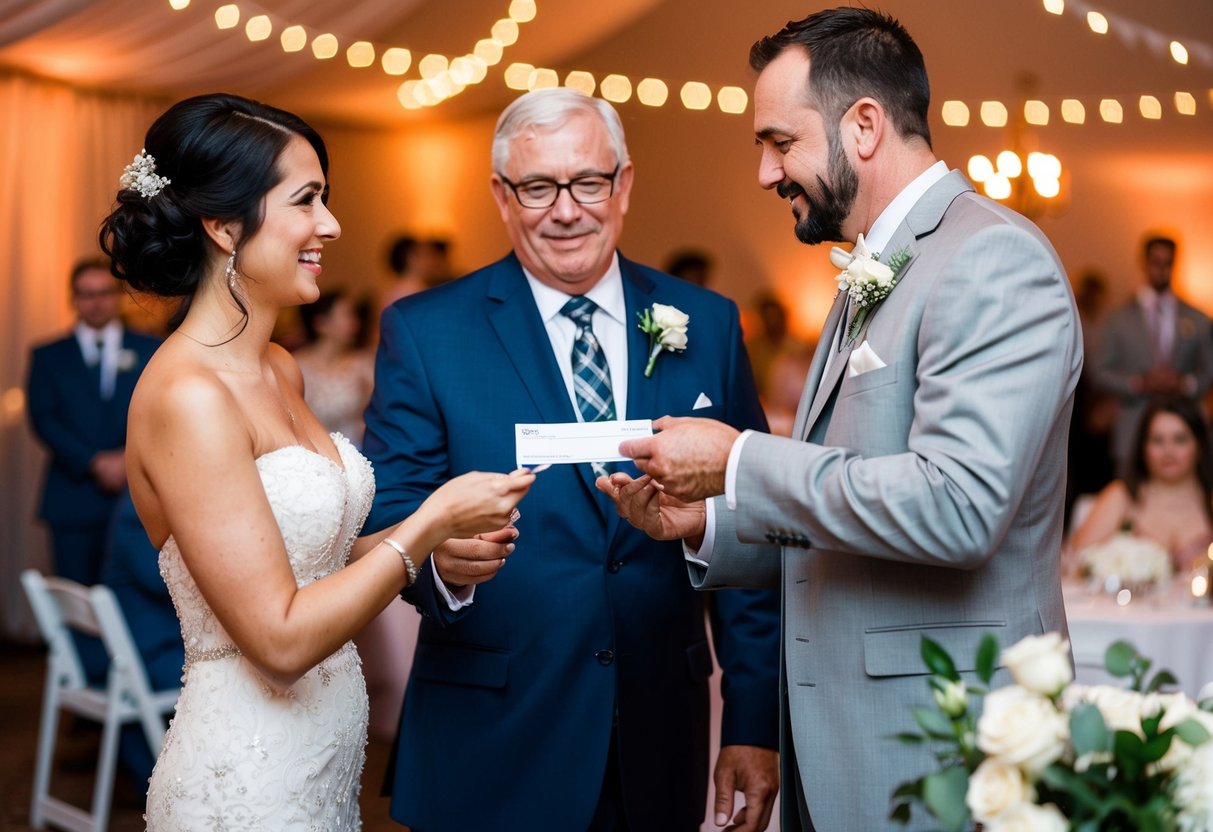
Understanding these financial dynamics can help you plan your wedding with confidence. You might find that many second marriages are celebrated in a more personal way, allowing you to prioritize what truly matters to you and your partner. Embracing this unique opportunity can make your special day even more meaningful.
Planning the Second Wedding
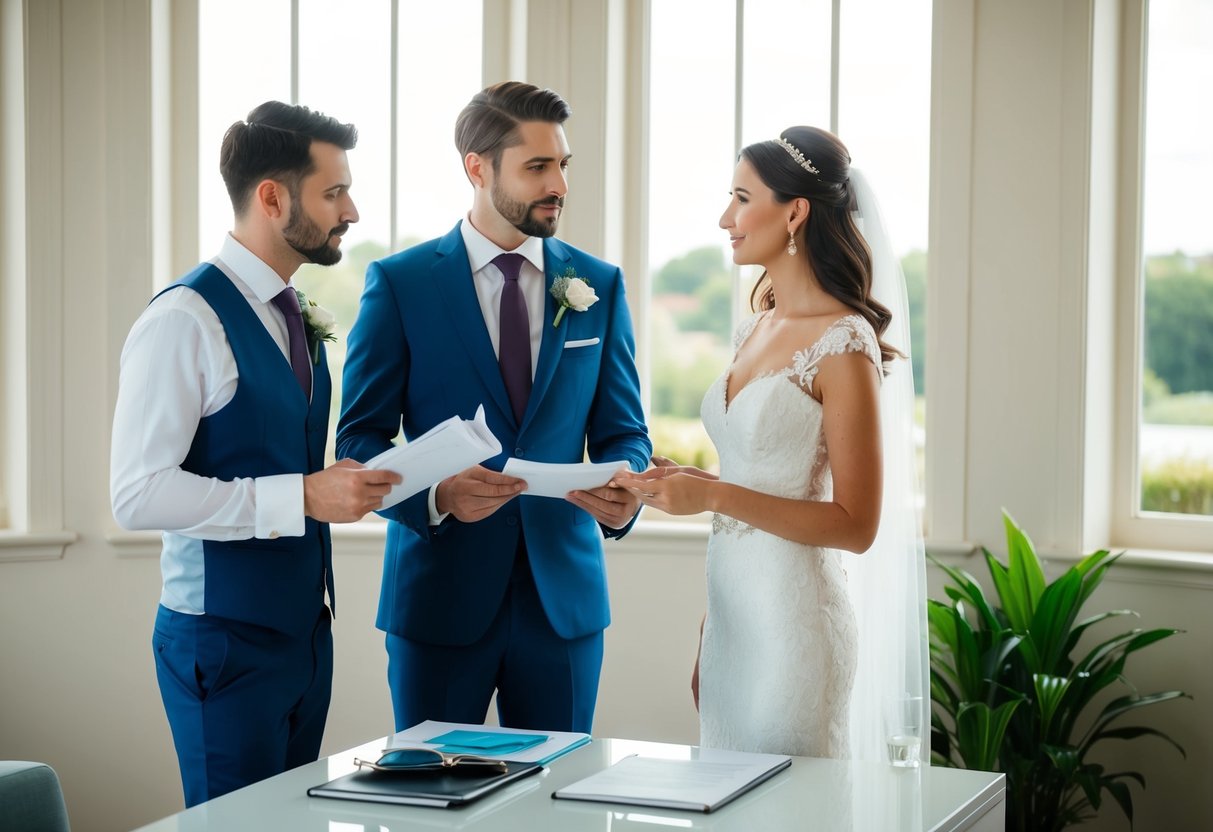
Planning a second wedding can be exciting yet challenging. You have the chance to create a special day that reflects your journey. Here are some key details to focus on for a smooth planning experience.
Setting the Wedding Budget
Before diving into the details, start with a clear budget. Determine how much you can comfortably spend. This can include costs for the venue, catering, attire, and any other details.
In most cases, the couple will split the expenses. Many couples choose to share costs instead of relying on family members. This approach can help create a more personal experience.
Make a list of all potential expenses. Don’t forget to include small items like decorations or favors. Staying organized can help ensure you don’t overspend.
Creating the Guest List
Your guest list is important for setting the tone of your wedding. Consider who you want to invite. Since this is a second wedding, you may want a more intimate gathering.
Think about including close friends and family who support you. This can lead to a more meaningful celebration. Don’t feel pressured to invite people you are not close with.
Once you have a rough list, count the guests to help with budgeting. Adjust your list as needed to fit your budget and venue size.
Choosing the Right Attire
Choosing your wedding attire is a fun part of the planning process. You can wear what makes you feel special. Think about styles that suit your personality and the vibe of your wedding.
Many brides feel free to wear white again if that’s what they want. It’s about what makes you feel beautiful. Don’t hesitate to explore different lengths, colors, and styles.
You may also want to coordinate with your partner’s outfit. This can create a cohesive look for your wedding day. Keep comfort in mind, as you’ll be in your attire for hours.
Embracing Second Wedding Traditions
Second weddings often come with their own set of traditions. You can choose to honor these while still keeping it unique to you. Some traditions include personal vows or a smaller ceremony.
Consider including children or family in the ceremony. This can create a sense of unity. Including everyone in special ways can deepen connections.
You might also want to tailor your ceremony location. Many couples opt for more unconventional venues, like beaches or parks. It’s your day, so make it a reflection of your journey together.
Financial Responsibilities and Etiquette
Planning a second wedding comes with its own unique financial responsibilities and expectations. Understanding who pays for what can help you navigate this special occasion smoothly.
Understanding Who Pays for What
In a second wedding, financial responsibility often shifts more towards the couple. Traditionally, the bride’s family covered many costs, but modern couples frequently choose to split the expenses themselves. This includes wedding costs like the venue, catering, and decorations.
For example:
- Venue: $5,000
- Catering: $3,000
- Decorations: $1,500
In some cases, couples use their savings or contributions from both families to cover costs. This approach promotes fairness and can ease financial stress, making the day more enjoyable.
Navigating Contributions from Family
When it comes to family contributions, expect some variations. While family members may have helped with your first wedding, they might not feel the same obligation this time. It’s common for parents to offer support, but it’s often less than before.
Communicate openly with your family about any help you may need. Create a list of potential contributions, and be sure to express gratitude for any support, whether it’s financial or emotional. If the bride’s family does contribute, it might be less than what they provided during a first wedding.
Understanding these nuances can help ease tensions and make your second wedding a joyous celebration for everyone involved.
Celebration and Receptions
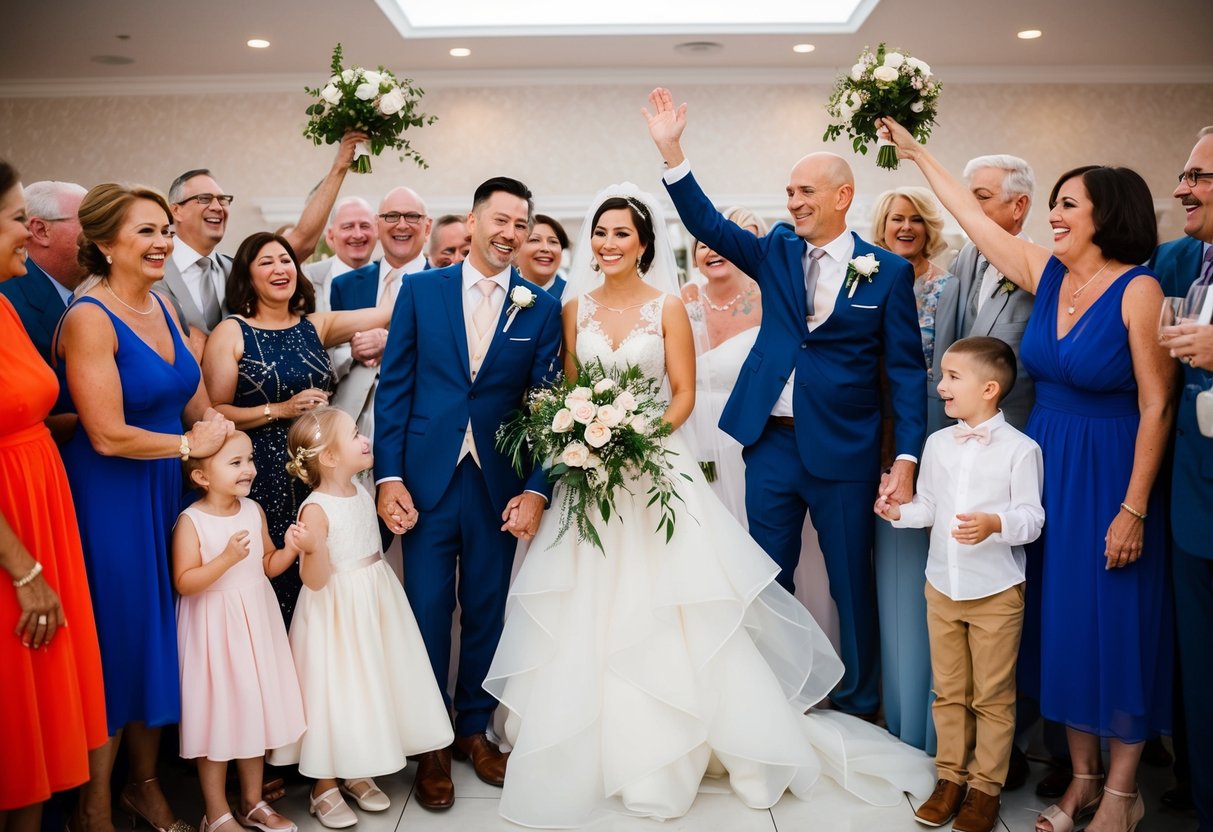
Planning the celebration and reception for a second wedding is an exciting opportunity to create a memorable event. It’s important to think about how you want your ceremony and reception to reflect your personality and style. From organizing the event to selecting food and documenting it, each detail matters.
Organizing the Ceremony and Reception
When organizing your ceremony and reception, consider the venue that feels right for you. You might choose a cozy local spot or a grand hall. Select a date that works best for your loved ones. Think about including your children in the wedding party to make it even more special.
Creating a timeline will help keep everything on track. Factor in the logistics, such as seating arrangements and transportation. Keep your guest list manageable to ensure everyone enjoys the day without feeling rushed. You deserve a celebration that is uniquely yours.
Selecting Food and Decorations
Choosing the right food and decorations can elevate your event. Start by deciding if you want a formal sit-down meal or a casual buffet. Taste testing different caterers can be a fun experience. Consider including foods that have personal significance or favorites from your first wedding.
For decorations, think about colors and themes that resonate with you. Floral arrangements can add beauty and freshness to your space. You can also incorporate personal touches, like family photos. Combining your and your partner’s styles can create a welcoming and joyful atmosphere.
Documenting the Event with Photography and Videography
Capturing your special day is essential. Hiring a professional photographer ensures high-quality images. Discuss your expectations and desired styles with them ahead of time.
Consider a videographer to capture moments you may miss. Videos can include heartfelt messages from family members.
When planning, set aside time for posed pictures and candid shots during the ceremony and reception. Remember, these memories will last a lifetime, so choose someone whose work you admire.
Keeping these details in mind can help create a beautiful celebration that truly reflects your joy.