
Who Pays for Bridesmaids Bouquets? Understanding the Traditions and Expectations
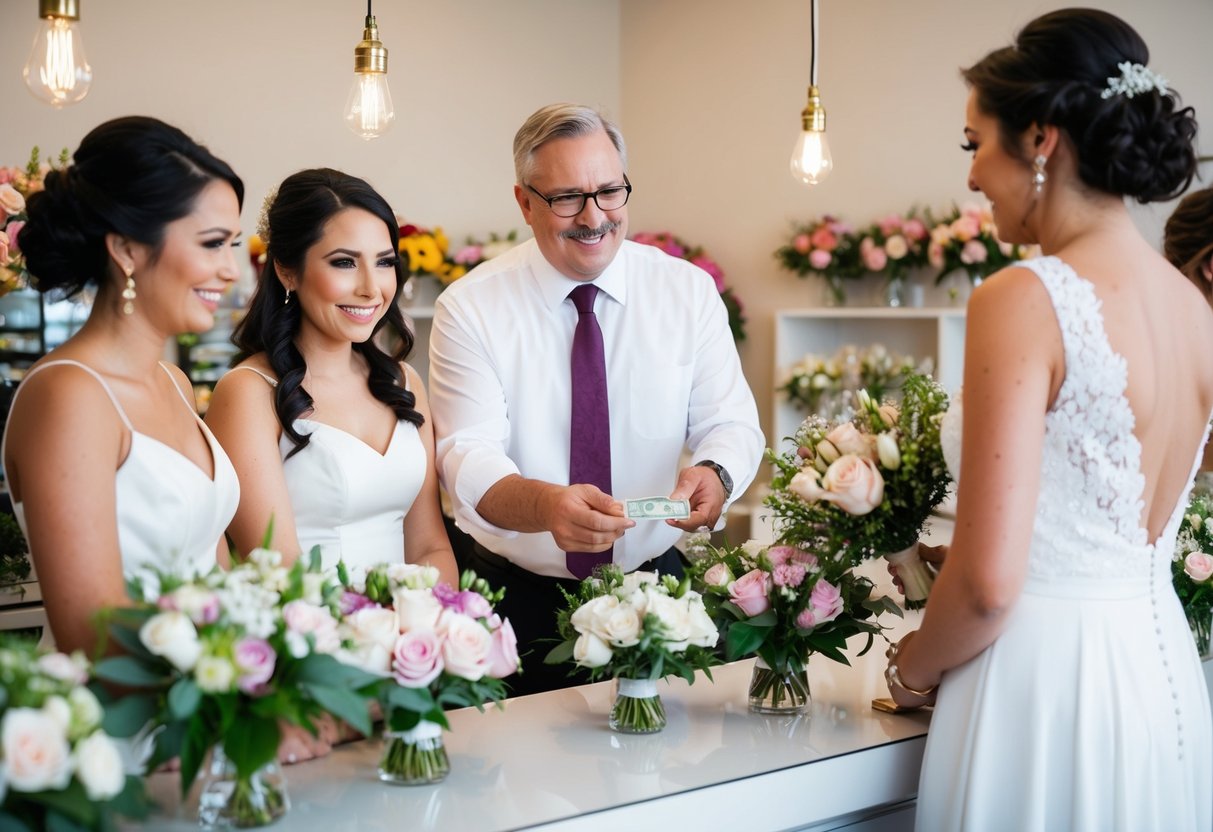
When planning a wedding, one of the common questions that arise is about who handles the cost of bridesmaids’ bouquets. Typically, the bride or her family is responsible for paying for the bouquets, as they are an important part of the wedding decor and aesthetics. This decision helps create a cohesive look for the bridal party and ensures that everything looks beautiful on the big day.
Understanding this financial aspect can help you plan your budget better. Whether you’re the bride or a bridesmaid, knowing who pays for what can ease some of the potential stress during wedding planning.
As you continue reading, you’ll find more details on the responsibilities that come with being a bridesmaid and what other expenses you might expect. Keeping these factors in mind will help everyone involved feel more prepared and informed.
Understanding Wedding Flower Expenses

When planning your wedding, understanding who pays for flower expenses is important. Flowers can be a significant part of your wedding budget.
Traditionally, the bride’s family covers the costs of most wedding flowers. This might include bouquets, decorations, and centerpieces. Your family may also help with the overall wedding budget.
Bridesmaids’ bouquets usually fall under the bride’s expenses. It is customary for the bride to pay for these floral arrangements. That said, some bridesmaids may offer to contribute, especially if they have specific preferences.
Here’s a quick look at what you might expect:
- Bridal bouquet: Bride or her family
- Bridesmaids’ bouquets: Bride or her family
- Ceremony flowers: Bride or her family
- Reception flowers: Bride or groom’s families may split costs
Discussing financial expectations with your bridal party can help prevent misunderstandings. Open communication about who pays for what is key.
The average cost of bridesmaids’ bouquets can range quite a bit. You might see prices starting at around $50 but can go up to $350 or more, depending on the flowers and design.
By planning ahead and setting a clear wedding flower budget, you can avoid surprises in your wedding expenses.
Traditional Roles in Wedding Flower Payments
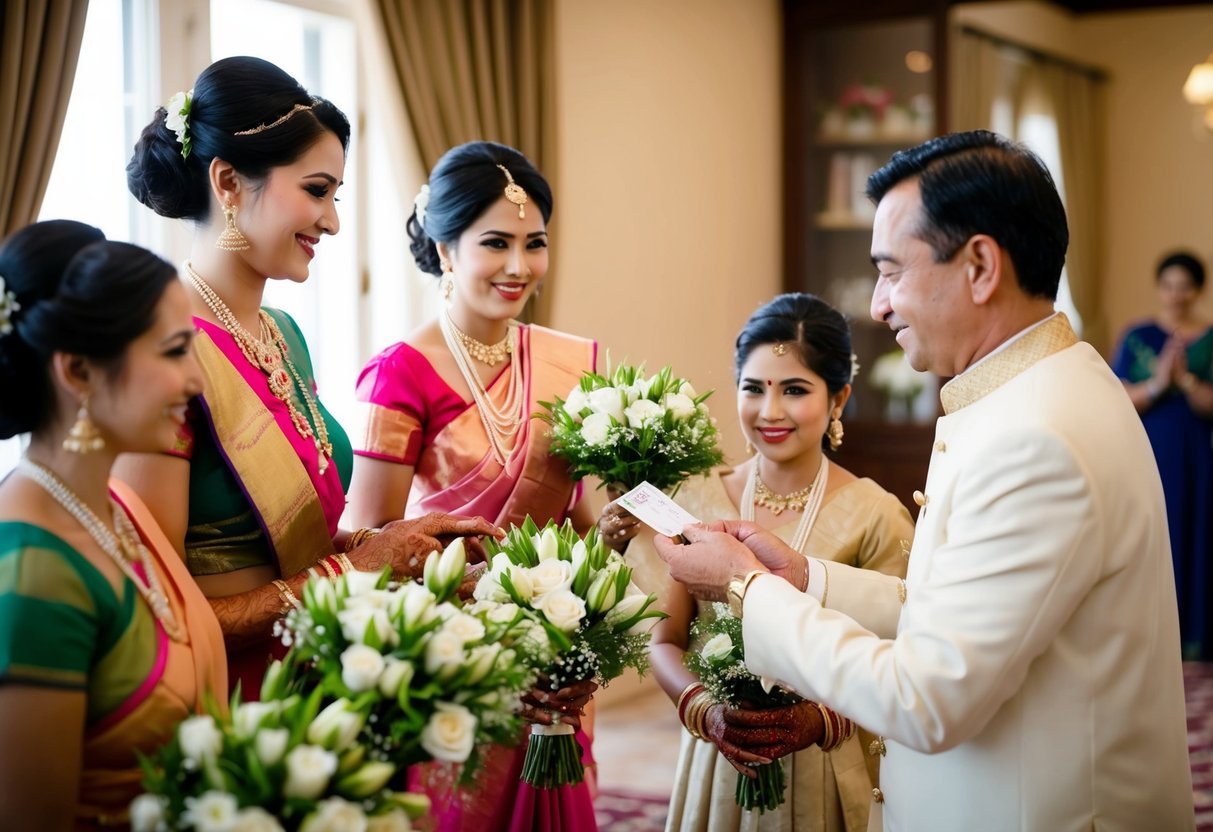
When planning your wedding, knowing who traditionally pays for flowers can help you budget better.
Bride’s Family Responsibilities
Traditionally, the bride’s family covers most of the flower costs. This includes bridesmaids’ bouquets and any corsages for family members. So, if you’re a bride, expect to think about these expenses.
Groom’s Family Contributions
The groom’s family typically pays for items like the groom’s boutonniere and groomsmen boutonnieres. This division can help to balance the costs between families.
Modern Trends
Many modern couples choose to split these costs. It’s increasingly common for you and your partner to take on the payments together, regardless of traditional roles.
Wedding Corsages
If your wedding involves special family members like mothers or grandmothers, consider getting wedding corsages for them. The bride’s family usually covers these as well.
Guiding Etiquette
Keep in mind that these roles can vary based on cultural practices or personal preferences. It’s a good idea to discuss financial responsibilities with both families early on.
Understanding these traditional roles can make planning your wedding flowers easier and help set clear expectations.
Flower Selection and Cost Management
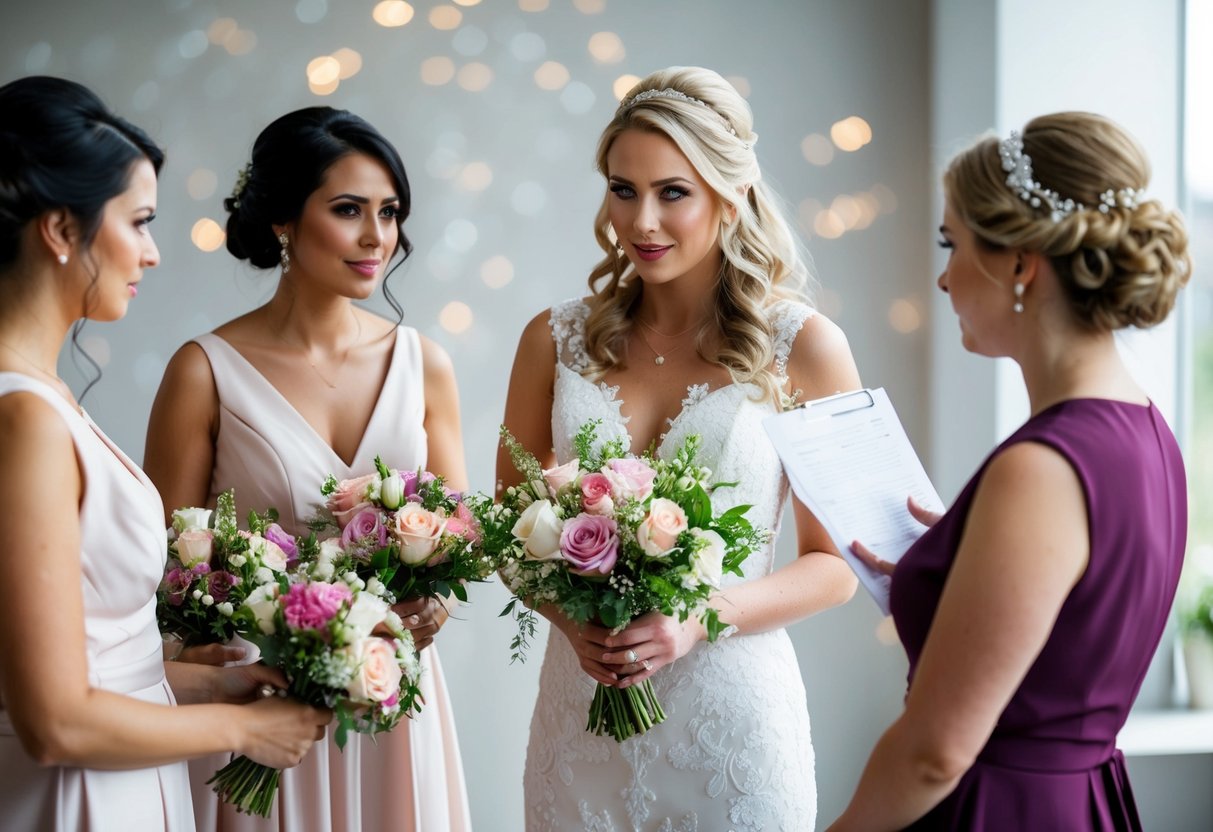
Choosing flowers for the bridal party can be both exciting and challenging. You’ll want to balance beauty with budget.
Seasonal Flowers: Consider using seasonal flowers. They are usually less expensive and fresher. For example, peonies are often in bloom in late spring, while sunflowers shine during summer.
Types of Bouquets:
- Bridal Bouquet: Typically the most expensive. Expect to pay between $250 and $500.
- Bridesmaid Bouquets: Average around $75 but can range from $50 to $300.
You can also explore wedding centerpieces. These can complement your bouquets and tie the whole theme together. Floral arrangements for centerpieces can vary in cost based on flower type and design.
You might also want to include flower girl petals. They can add a charming touch and are usually less costly than bouquets.
Cost Management Tips:
- Set a Budget: Determine how much you can spend on flowers early on.
- Mix and Match: Combine expensive blooms with less costly ones.
- DIY Options: For a personal touch, consider making some arrangements yourself.
This careful planning will help keep your floral costs in check while creating a lovely atmosphere for your special day.
Additional Costs for the Bridal Party
As a bridesmaid, there are several costs you may need to cover. It’s good to be prepared so you know what to expect.
Bridesmaid Dresses
One of the main expenses is your bridesmaid dress. The bride usually selects the style and color, so be ready to purchase.
Jewelry
You might need to buy matching jewelry for the day. While some brides may gift this, it’s common for bridesmaids to purchase their own.
Hair and Makeup
Consider the costs for bridesmaid hair and makeup. If the bride wants a professional look, it’s thoughtful to offer to pay for this service.
Floral Accessories
Flower crowns or floral hair accessories can add a beautiful touch. These may be covered by the bride, but sometimes bridesmaids handle this on their own.
Personalized Items
Some brides may choose to gift you with personalized items, like robes or bags. If you want to return the favor, you might also want to budget for a small gift for her.
Party Costs
Expect some costs for the bridal shower and bachelorette party. These can include food, decorations, or group gifts, which are often shared among the group.
Wedding Gift
Lastly, don’t forget about the wedding gift. Bridesmaids usually buy something special for the newlyweds as a gesture of love.