
Who Pays for Buttonholes at Weddings? Understanding the Etiquette and Costs
When planning your wedding, there are many details to consider. Understanding who pays for buttonholes is one of them. Traditionally, the groom’s family covers the costs of the groom’s attire, including the groom’s buttonhole. This small but significant floral piece adds a touch of elegance to the wedding day and distinguishes the bridal party from guests.
Along with the groom, the best man and groomsmen typically wear buttonholes too. These arrangements are often seen as a symbol of their role in the wedding, representing their support for the couple.
Knowing about these traditions can help you make informed decisions as you prepare for your special day.
It’s essential to keep in mind that while traditions exist, every wedding is unique. You can discuss arrangements with your family to ensure everyone is comfortable and happy with the decisions made regarding buttonholes. This might lead to a memorable and stress-free wedding experience.
Traditions and Responsibilities
When planning a wedding, knowing who pays for buttonholes and understanding traditions can be important. These customs can guide your decisions and help you honor significant relationships on your big day.
Cultural and Familial Traditions
Different cultures have unique traditions regarding who wears buttonholes. Typically, the groom is the main figure, wearing a buttonhole that reflects the wedding theme. The best man, ushers, and fathers of the bride and groom usually receive buttonholes as well.
In some families, it’s common for other important individuals, like brothers, mothers, and close friends, to wear them too. This is a way to show appreciation for their support. Each buttonhole can carry a personal touch, often using flowers that hold special meaning.
Financial Responsibilities of Wedding Parties
The traditional expectation is that the groom pays for the buttonholes of the wedding party. This includes the best man, ushers, and fathers. Meanwhile, the bride’s parents often cover the bouquets and corsages for the bridesmaids and mothers.
You may want to create a budget that clearly outlines these expenses. Consider discussing with your partner and families to ensure everyone understands their contributions. This open communication can help avoid any misunderstandings about financial responsibilities.
Choosing the Right Buttonholes
Selecting the right buttonholes for your wedding is essential for adding a special touch to your attire. Consider the style, flowers, and seasonal blooms to create a coordinated look that fits your theme.
Buttonhole Styles and Flower Selection
When choosing buttonhole styles, consider both tradition and personal taste. Classic options include roses, lilies, or small orchids. You can also explore unique options like succulents or even feathers for a more modern vibe.
Make sure the buttonhole complements your outfit and matches the wedding colors. For gentlemen, it is common to wear the buttonhole on the left lapel, while ladies often place it on the right.
Don’t forget about size! A good buttonhole should be balanced—not too big or heavy to avoid overwhelming your look.
Seasonal Blooms and Color Coordination
Seasonal blooms not only enhance your wedding flowers but also help manage your budget. For spring, consider tulips or daffodils. Summer offers vibrant sunflowers or peonies. Fall is perfect for warm-toned chrysanthemums, while winter brings elegant evergreen sprigs.
When it comes to color coordination, think about the color palette of your wedding. If your theme is soft pastels, choose lighter blooms like pale pink roses. For a bold look, opt for rich reds or deep purples.
Mixing and matching different textures can also add depth. Combine smoother flowers with ones that have interesting shapes or patterns for a dynamic presentation.
Cost Considerations
When planning a wedding, understanding the costs associated with buttonholes is essential. You’ll want to consider your budget and explore cost-saving options, including DIY solutions and alternative materials.
Budgeting for Buttonholes
Buttonholes typically range in price. A simple flower like a rose may cost around £4, while more intricate blooms could be as much as £8. You should also factor in additional elements like wrist corsages, which can cost about £30.
Keep in mind that the groom’s family is often responsible for purchasing buttonholes. If your budget is tight, think about how many buttonholes you actually need. You might not need one for everyone in the wedding party, which can save you money.
DIY Boutonnieres and Cost-Saving Options
Creating DIY buttonholes can be a fun and cost-effective alternative. You can gather simple materials like artificial flowers or fresh blooms to make them yourself. This approach can reduce costs significantly.
Consider using items like greenery, ribbons, or even small trinkets to customize your buttonholes. If you decide to go this route, plan ahead. Gather supplies a few days before the wedding to ensure everything is ready. Engaging friends or family in this process can also make it enjoyable and create lasting memories.
Buttonholes for Guests and Special Attendees
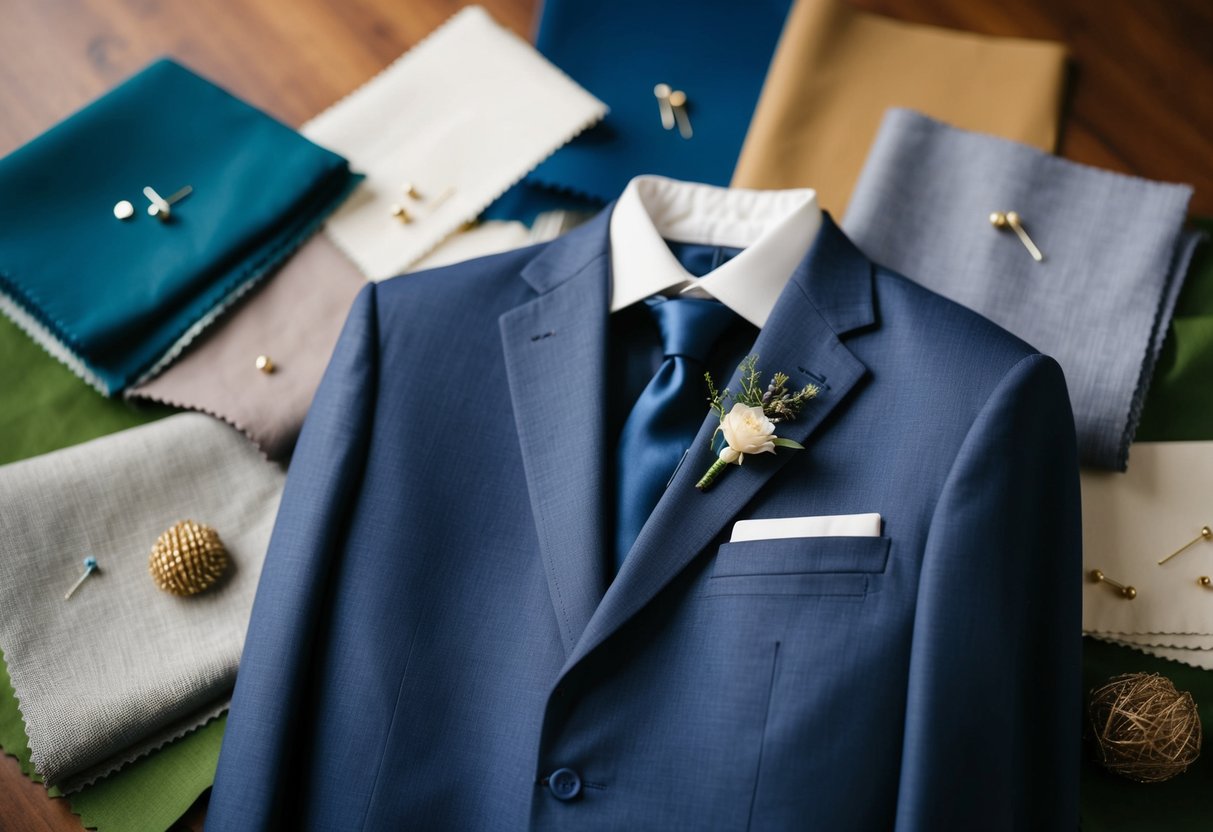
Buttonholes can add a special touch to a wedding, not just for the bridal party but also for family members and select guests. Understanding who typically wears them can help you decide what works best for your celebration.
Corsages and Boutonnieres for Family Members
Family members often receive corsages and buttonholes to honor their roles on your special day. For the mothers and grandmothers, a beautiful wrist corsage or a floral pin is common. These can match the wedding colors and add a personal touch to their outfits.
Fathers and grandfathers typically wear boutonnieres that align with the groom’s boutonnière. This helps create a cohesive look among immediate family. When choosing flowers, consider their preferences.
Bridesmaids may also receive smaller versions of the florals you choose. This promotes a sense of unity among your close friends while keeping everyone feeling included in the celebration.
Special Considerations for Children and Officiants
When it comes to children in the wedding party, such as flower girls and ring bearers, you can choose lighter floral options like small boutonnières or even a floral crown. This makes them feel special without being overwhelmed by heavy flowers.
If you have a female officiant, a tasteful corsage can be a nice gesture. It shows appreciation for their role in the ceremony. For male officiants, a simple boutonnière serves the same purpose while ensuring they look the part on your big day.