
Who Pays for Chinese Wedding? Unpacking Tradition and Modern Practices
Planning a wedding can be both exciting and daunting, especially when blending different cultural traditions. For Chinese-American couples, understanding who pays for the wedding is an important part of the process. Traditionally, the groom’s family covers most wedding expenses, including the ceremony and the celebratory banquet. This practice reflects rich Chinese cultural heritage and customs, but different family values and changing societal norms can influence this tradition today.
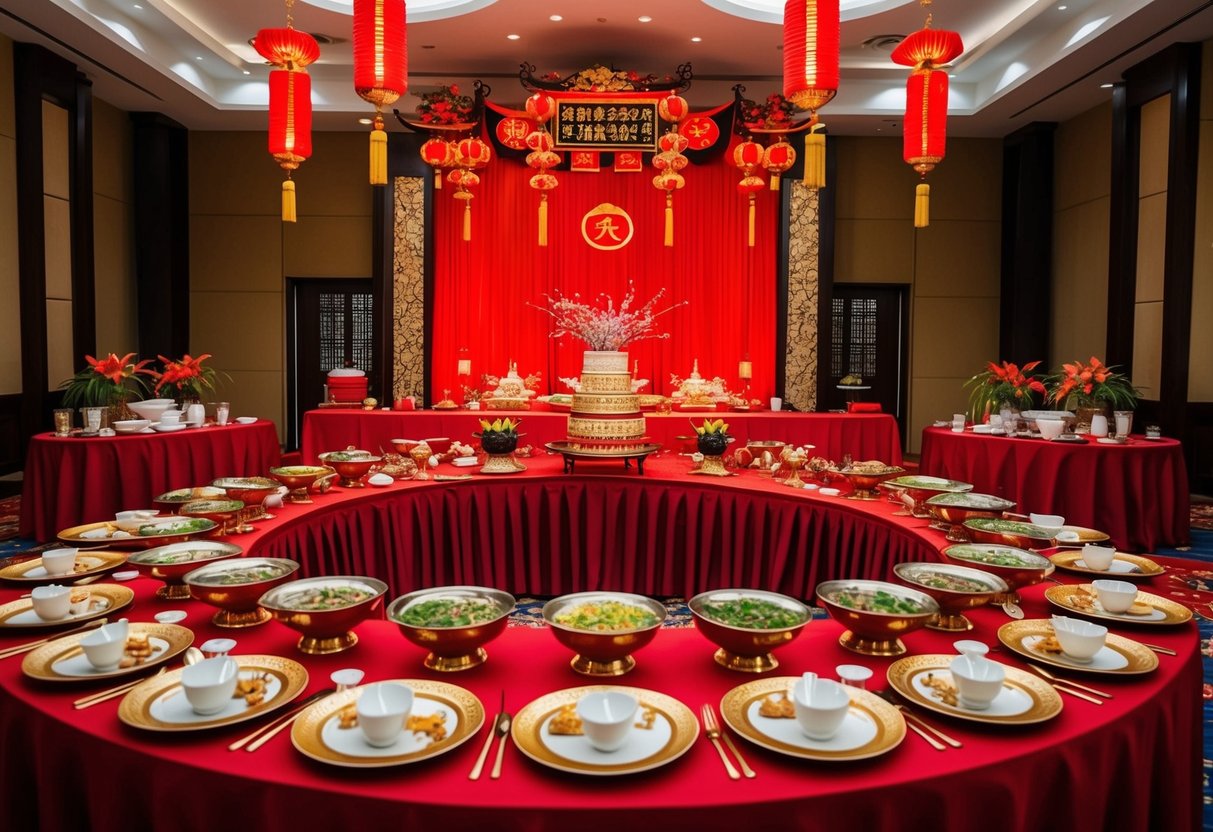
As you navigate your wedding plans, you may find that expectations vary between families and regions. American culture often embraces shared expenses, so a discussion about finances can help strike a balance between these customs.
Exploring these dynamics not only helps clear up financial responsibilities but also brings a deeper appreciation for the wedding customs that unite both cultures.
Whether you’re drawing from traditional practices or creating new interpretations, understanding these financial customs can enhance your wedding experience. Embrace the blending of Chinese wedding elements with American influences, and make the day uniquely yours while honoring the past.
Key Traditions and Customs
Chinese weddings are rich in cultural significance. They involve various ceremonies and customs that reflect values like respect for elders, family unity, and traditional practices. Let’s explore some key traditions that make these weddings special.
Tea Ceremony
The tea ceremony is one of the most important rituals in a Chinese wedding. It symbolizes respect for family and the joining of two families. During the ceremony, the couple serves tea to their parents and elders. In return, the elders often give red envelopes filled with money as a blessing.
This practice shows gratitude and acknowledges the support of family. The tea used is usually pu’er or jasmine tea, which are considered auspicious. You might also notice the couple wearing formal clothing during this ceremony, highlighting its significance.
Betrothal Gifts (Guo Da Li)
Guo Da Li, or betrothal gifts, plays a vital role in Chinese weddings. The groom’s family presents these gifts to the bride’s family as a sign of respect and commitment.
Traditionally, these gifts include items like jewelry, wine, and traditional wedding cakes. This custom emphasizes the groom’s ability to provide for his future wife. The gifts often include important symbols such as the phoenix and dragon, which represent harmony and balance.
The betrothal gifts help establish a friendly relationship between both families and pave the way for a joyful wedding celebration.
Wedding Attire: Qipao and Tang Suit
Wedding attire is essential in highlighting cultural heritage. The bride often wears a qipao or cheongsam, characterized by its elegant design and rich colors, usually red or gold. These colors symbolize good fortune and joy.
The groom typically chooses a Tang suit, which includes a stylish jacket and pants. Both outfits showcase beautiful embroidery, often depicting the phoenix and dragon. These attire choices reinforce cultural values and traditions while celebrating the couple’s love and commitment on their special day.
Financial Responsibilities
Understanding the financial responsibilities involved in a Chinese wedding can help clear up any confusion. Traditionally, these roles have been shaped by customs, while modern couples may adapt them to fit their needs.
Division of Costs
In a traditional Chinese wedding, the groom’s family usually covers most of the wedding expenses. This includes costs like the wedding ceremony, reception, and rings.
By taking on these expenses, the groom’s family shows their commitment and ability to support the bride. The bride’s family may also contribute, particularly in areas like the wedding banquet or any cultural rituals.
Betrothal gifts are typically provided by the groom’s family as a gesture of respect. This may include items like golden jewelry or traditional cakes.
You might find it helpful to clarify these expectations early. Creating a shared wedding budget can reduce stress for both families. It also opens a dialogue about how to fairly divide the costs.
Bride and Groom’s Family Contributions
Traditionally, the groom’s family bears the brunt of financial responsibilities. However, it’s becoming more common for the bride’s family to chip in as well. This shift reflects changing social dynamics and the push for gender equality.
Many couples today may even consider setting up a joint account for wedding funds. This allows both families to contribute while keeping finances transparent.
It’s important to openly discuss what each family can provide. This helps prevent misunderstandings later. Keep in mind that financial stress can take a toll on couples, so clear communication about contributions is vital.
The Wedding Celebration
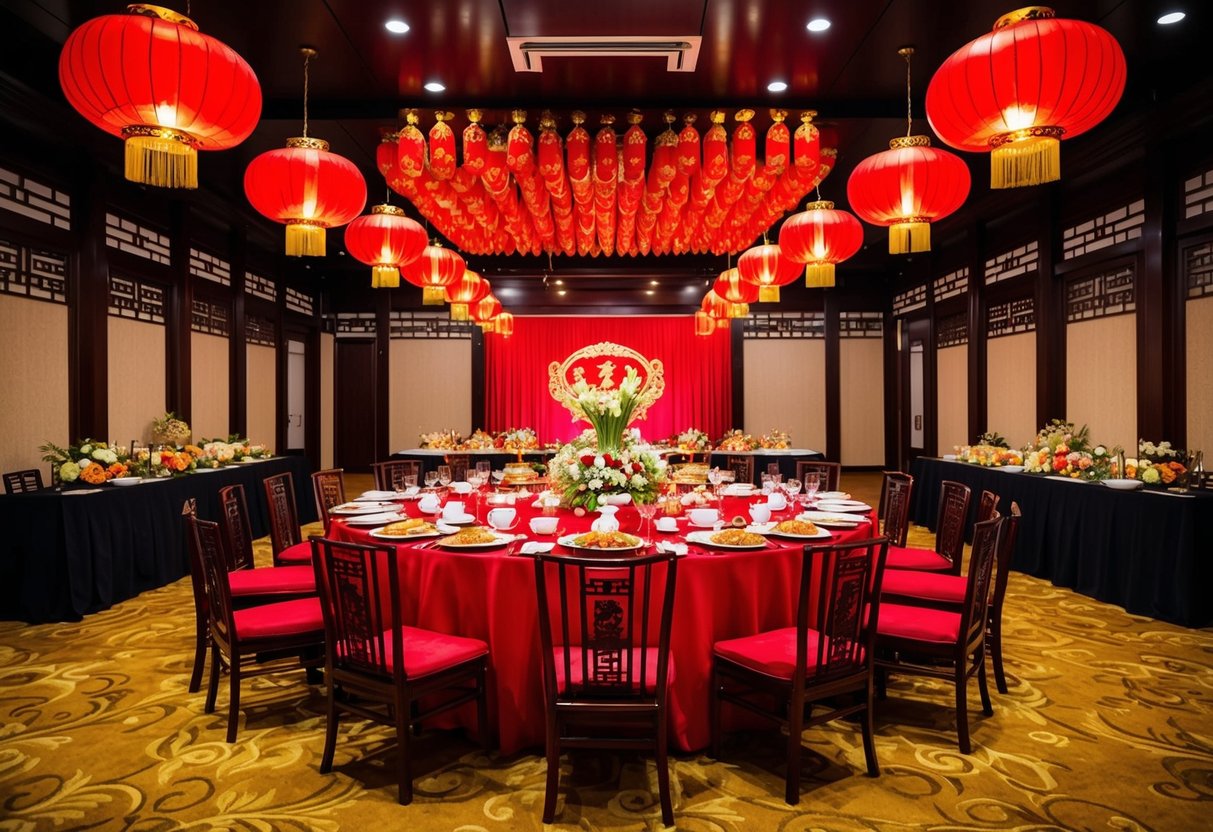
The wedding celebration is vibrant and full of traditions that reflect the couple’s love and family values. Key elements include the wedding banquet and various rituals and entertainment that bring people together.
Wedding Banquet
The wedding banquet is one of the most significant parts of a Chinese wedding. It’s more than just a meal; it’s a way to celebrate unity and good fortune.
You can expect a lavish spread of Chinese wedding food, including dishes that symbolize prosperity and happiness, like fish and dumplings. Typically hosted in a banquet hall or restaurant, the reception can have hundreds of guests.
Your wedding banquet will include speeches, toasts, and various courses served throughout the evening. Don’t forget the important aspect of wedding gifts, as guests usually bring red envelopes containing money to wish the couple well.
Wedding Rituals and Entertainment
Traditional wedding rituals add depth to the celebration. Many couples wear beautiful wedding dresses or unique attire that aligns with their family’s customs.
Common rituals include the tea ceremony, where tea is served to both sets of parents as a sign of respect.
Entertainment is also a big part of the festivities. You might hire a wedding photographer to capture these special moments, or even arrange for performances like lion dances or music.
Golden jewelry often plays a role during the ceremony, signifying wealth and good fortune.
By blending these elements, your wedding celebration becomes a memorable occasion that honors tradition and unites families.