
Who Pays for Daughter’s Wedding in the UK? Understanding Traditions and Modern Norms
Planning a wedding can be exciting but also overwhelming, especially when it comes to who takes on the costs. Traditionally, in the UK, the bride’s parents have been expected to cover most of the wedding expenses. However, modern trends have shifted this practice, leading to more couples sharing costs or even paying for the wedding themselves.

In today’s world, understanding wedding etiquette can help you navigate these expectations. You might find that different families have their own customs regarding who pays for what, from the venue to the dress. It’s essential to communicate openly with all parties involved to determine a fair plan that works for everyone.
As you think about the financial aspects of the big day, it’s also a good idea to consider how you can balance tradition with personal preferences. Engaging in thoughtful discussions about contributions can ease stress and help create a memorable celebration for your daughter without breaking the bank.
Understanding Wedding Costs

Planning a wedding involves various costs that can add up quickly. Knowing who typically pays for what can help you build a realistic budget and avoid misunderstandings. Here’s a breakdown of the key components that contribute to the overall wedding expenses.
Components of a Wedding Budget
A wedding budget covers many areas. Some main components include:
- Venue: This is usually one of the largest expenses. Costs vary by location and time of year.
- Catering: Whether you choose a sit-down dinner or a buffet, food costs can be significant.
- Attire: The bride’s gown and the groom’s suit are central to the wedding look and can be costly.
- Photography: Capturing the day’s moments is essential for most couples.
- Decoration: From flowers to lighting, decor sets the atmosphere.
- Entertainment: Hiring a band or DJ can enhance the celebration.
It’s important to list out these costs early on to set realistic expectations for financial contributions.
The Bride’s Family’s Contributions
Traditionally, the bride’s family has taken on many costs. Common expenses they often cover include:
- Ceremony and Reception Venue: This is frequently the largest part of the budget.
- Wedding Attire: The bride’s dress and accessories usually fall under this category.
- Invitations and Stationery: The bride’s family typically pays for printed materials.
- Flowers: Bouquets, centerpieces, and other floral arrangements are often financed by the bride’s family.
As modern weddings evolve, families might opt to pool resources, so discussing expectations early is key.
The Groom’s Family’s Contributions
The groom’s family has their share of wedding costs too. Traditionally, they might cover:
- Rehearsal Dinner: This is often a more intimate meal before the big day.
- Transportation: Costs for getting the couple and guests to the venue can be included.
- Groom’s Attire: This includes the suit and accessories for the groom and his party.
- Honeymoon Contributions: Sometimes, the groom’s family assists with honeymoon expenses.
Again, these contributions can vary based on individual situations. Clear communication helps everyone know what to expect.
Key Expenses and Traditions
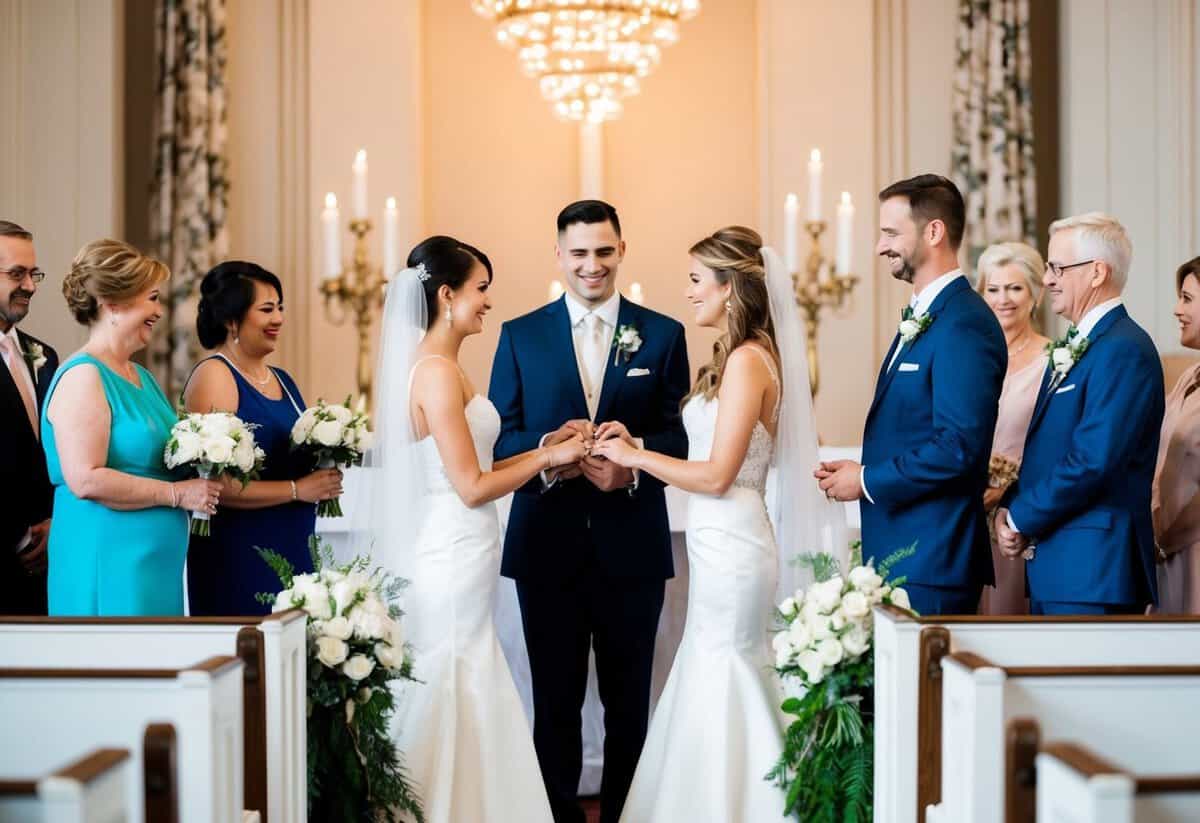
When planning a wedding in the UK, it’s important to understand the key expenses and traditions. Knowing what to expect can help you budget better and involve the right people in the process.
Attire and Rings
The wedding dress is often one of the most significant expenses. Traditionally, the bride’s family pays for the wedding dress, which can range from a few hundred to several thousand pounds.
You’ll also want to consider the cost of the engagement ring and wedding rings. Normally, the groom pays for the engagement ring, while the couple may share the expense for the wedding bands. Prices can vary based on the materials and design you choose.
Venues and Vendors
When it comes to venues, the bride’s family has traditionally covered the costs of the ceremony and reception. This includes booking the wedding venue, which can be a church, hall, or outdoor space.
You will also need to budget for essential vendors. This involves hiring a wedding planner to help with coordination, a photographer and videographer to capture the day, and possibly a caterer for the reception. These costs add up, so it is wise to discuss financial contributions with your family early on.
The Post-Wedding Arrangements
After the big day, there are still expenses to consider, including the rehearsal dinner, which typically involves close family and friends coming together for a meal before the wedding. The groom’s family often covers this cost.
Additionally, you may want to think about the honeymoon. While traditions vary, many couples choose to split honeymoon costs or have one side of the family contribute. Make sure to have these conversations to avoid misunderstandings about who pays for what.
Additional Considerations for Wedding Planning
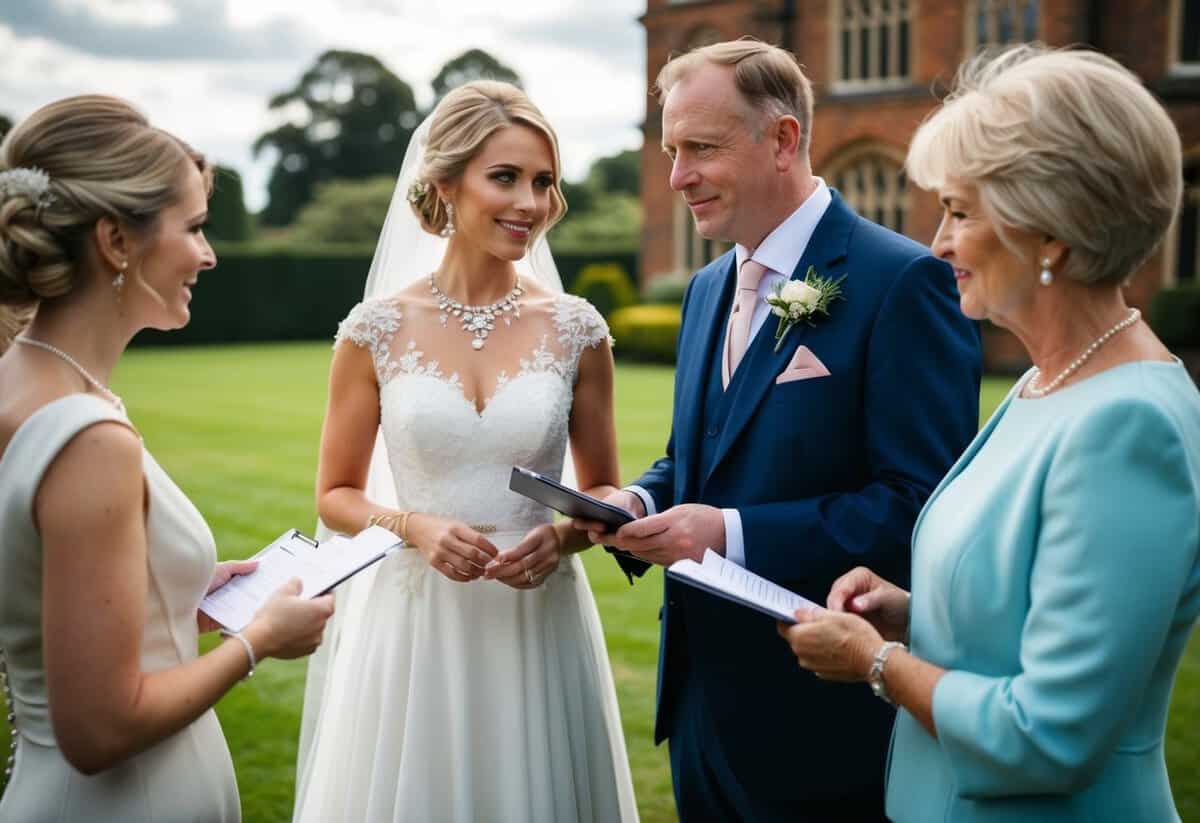
Planning a wedding involves many details. Understanding guest needs and adding final touches can make a big difference in the overall experience.
Guest Considerations
When planning your daughter’s wedding, think about guest accommodation. If many guests are traveling from afar, consider reserving a block of rooms at a nearby hotel. This can often save money and ensure everyone is comfortable.
Provide clear information on accommodations in the invitations. Include details on when to book and how to get there.
Don’t forget about wedding favours. Small tokens of appreciation can leave a lasting impression on your guests. Items like personalized mementos or local treats are often well-received.
A thoughtful touch is ensuring the comfort of your wedding party as well. Consider a small gift for them too, such as custom items or experiences that they’ll cherish after the event.
Final Touches and Gifts
As your wedding day approaches, focus on the final touches. This includes setting up a gift registry that includes both physical gifts and options for a cash gift.
Many couples appreciate cash gifts to help with future plans or honeymoon expenses. Make it easy for guests by providing clear instructions on how to give.
You can also introduce a wedding gift table at the reception. This allows guests to leave gifts in a designated spot, reducing clutter during the celebration.
Lastly, don’t forget about thank-you gifts for your wedding party. Simple items, such as personalized keepsakes, can go a long way in showing your appreciation for their support on this special day.
Fostering Harmony in Financial Contributions

Planning a wedding can bring up many questions about money. It’s important to promote harmony among family members when discussing who pays for what.
Traditionally, the bride’s family covers many expenses, including the venue, catering, and flowers. Meanwhile, the groom’s family may handle items like the rehearsal dinner and the marriage license.
To foster goodwill, consider these tips:
- Open Communication: Talking with both families about contributions can help everyone feel involved.
- Share the Costs: Find ways for families to split expenses. For example, both families can share costs for the engagement party and pre-wedding events.
- Create a Budget: Outline all wedding costs and discuss how each family can contribute. This helps ensure transparency and fairness.
You might also want to list specific items that each family is willing to cover. This can make the process clearer and reduce misunderstandings.
The goal is to celebrate love and unity. Approaching financial contributions with kindness and respect can make the planning process smoother for everyone involved. Keeping an open mind can lead to a memorable wedding without unnecessary stress.