
Who Pays for Daughters Wedding UK? Exploring Traditions and Modern Practices
Planning a wedding can be exciting yet challenging, especially when it comes to the finances. In the UK, the traditional expectation is that the bride’s family contributes significantly to the wedding costs, but modern practices are changing this view. Many couples today share the expenses, making it a team effort rather than placing the burden solely on the bride’s parents.
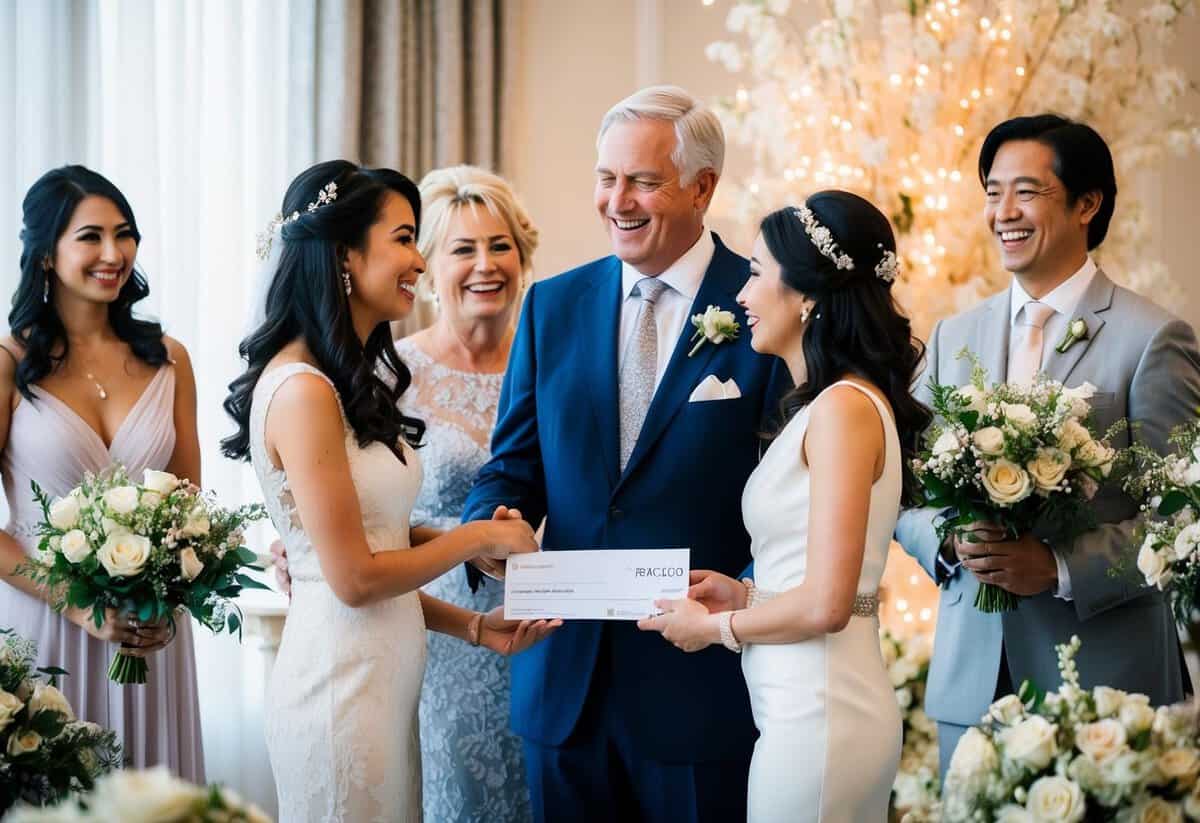
You might wonder what specific costs each family typically covers. Traditionally, the bride’s family pays for the ceremony and reception, including the wedding dress, flowers, and catering, while the groom’s family often handles the rehearsal dinner and the honeymoon. However, these roles can vary greatly based on personal circumstances and agreements between both families.
Understanding these expectations can help lessen any stress around budgeting and planning. As you think about your daughter’s big day, make sure to have open conversations with family about who can contribute to the costs and how. This approach can lead to a more enjoyable planning experience for everyone involved.
Traditional Roles in Funding a Wedding
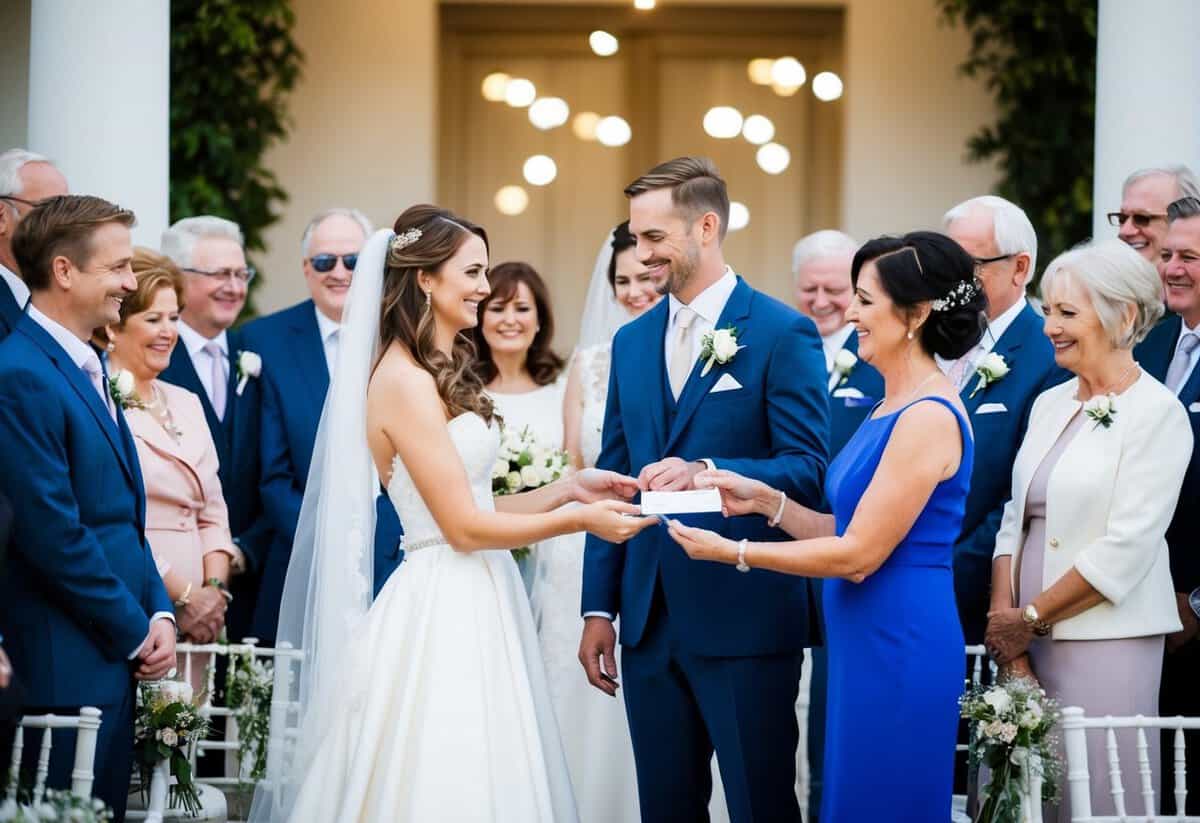
Traditionally, weddings have set roles regarding finances, primarily involving both sets of parents. Understanding these roles can help you navigate your own wedding planning.
Origins of Wedding Traditions
Historically, the bride’s parents were responsible for most of the wedding expenses. This tradition dates back to a time when marriages often relied on family alliances. The bride’s family covered costs like the venue, catering, and flowers.
Conversely, the groom’s family typically took on specific expenses. These included the marriage license, the groom’s attire, and sometimes the honeymoon. This division of costs created a sense of balance and cooperation among families, aligning with traditional wedding etiquette.
These roles were not just financial; they also signified family involvement in the union. You can see how these customs shaped expectations around weddings.
Modern Perspectives on Who Should Pay
In today’s society, the lines have blurred around who pays for what. Many couples now either financially contribute themselves or have discussions with both families about sharing the costs.
It’s common for the bride’s and groom’s parents to split expenses more evenly. This can include contributions toward the reception, entertainment, and even wedding rings. Each couple should have open conversations with their families about financial support.
Modern trends reflect changing views on financing weddings. Couples marrying later in life often have their own savings, allowing for more flexibility. This shift in responsibility emphasizes teamwork in wedding planning, representing a more inclusive approach.
Budgeting for the Big Day

Planning a wedding involves many financial decisions. Knowing how to create a budget and determine who contributes can help you stay on track and avoid surprises.
Creating a Wedding Budget
Start by listing all potential wedding costs. Common expenses include:
- Venue: This is often the largest expense, so consider it first.
- Catering: Food and drink are essential for your guests’ enjoyment.
- Photography: You’ll want to capture memories from this special day.
Aim to set a budget based on what you and your family can afford. A conversation with parents may reveal their willingness to contribute. Remember that gifts from parents might be subject to inheritance tax if they exceed certain limits. Using the annual exemption could help minimize tax implications if contributions are made yearly.
Allocating Expenses Between Families
Discussing who pays for what is important for smooth planning. Traditionally, the bride’s family covers the wedding costs, but this has changed. Here are points to consider:
- Financial Contributions: Be transparent about how much each family can contribute. This openness prevents misunderstandings later.
- Splitting Costs: Many couples today split costs equally between families or customize contributions based on comfort levels.
Make a detailed list of expected wedding expenses, and assign them to each party respectfully. This approach ensures everyone knows their roles and helps avoid financial stress.
By considering these factors, you can create a realistic wedding budget that keeps everyone happy.
Pre-Wedding and Ceremony Costs Breakdown

Planning a wedding involves several key expenses before the big day. It’s important to understand the costs related to the engagement party, attire, and essential items for the ceremony itself.
The Engagement Party and Ring
The engagement party is often the first celebration. Traditionally, this cost falls on the bride’s family, but it can vary.
An engagement ring can be a significant investment. In the UK, couples often spend about 2-3 months’ salary on this ring. It symbolizes your commitment, so you want to choose something special.
- Engagement party costs: venue, food, drinks, and decorations.
- Engagement ring: custom designs may increase costs.
Planning this early can help set the tone for the wedding journey.
Dresses, Suits, and Wedding Attire
Choosing the right outfits is essential for the wedding day. The bride typically covers the wedding dress, which can range from affordable to designer prices.
Bridesmaid dresses are usually chosen by the bride, with costs often shared among the bridal party. You may want to keep comfort in mind for your bridal party to ensure everyone enjoys the day.
- Wedding dress costs: bridal shops may offer fittings and alterations.
- Groom’s suit: rental or purchase options.
Don’t forget to consider accessories like shoes, jewelry, and veils, which can add to the total cost.
The Wedding Ceremony Essentials
The ceremony’s essentials can bring together the elements of your special day. Often, the bride’s family covers many of these costs, but it’s good to discuss beforehand.
Key costs may include:
- Venue rental fees: prices vary based on location and season.
- Officiant fees: include costs for legal paperwork if needed.
- Decorations: floral arrangements, seating, and lighting can enhance the vibe.
Having a clear budget for these essentials will help you keep track of your expenses and preferences.
Post-Ceremony Celebrations and Extras
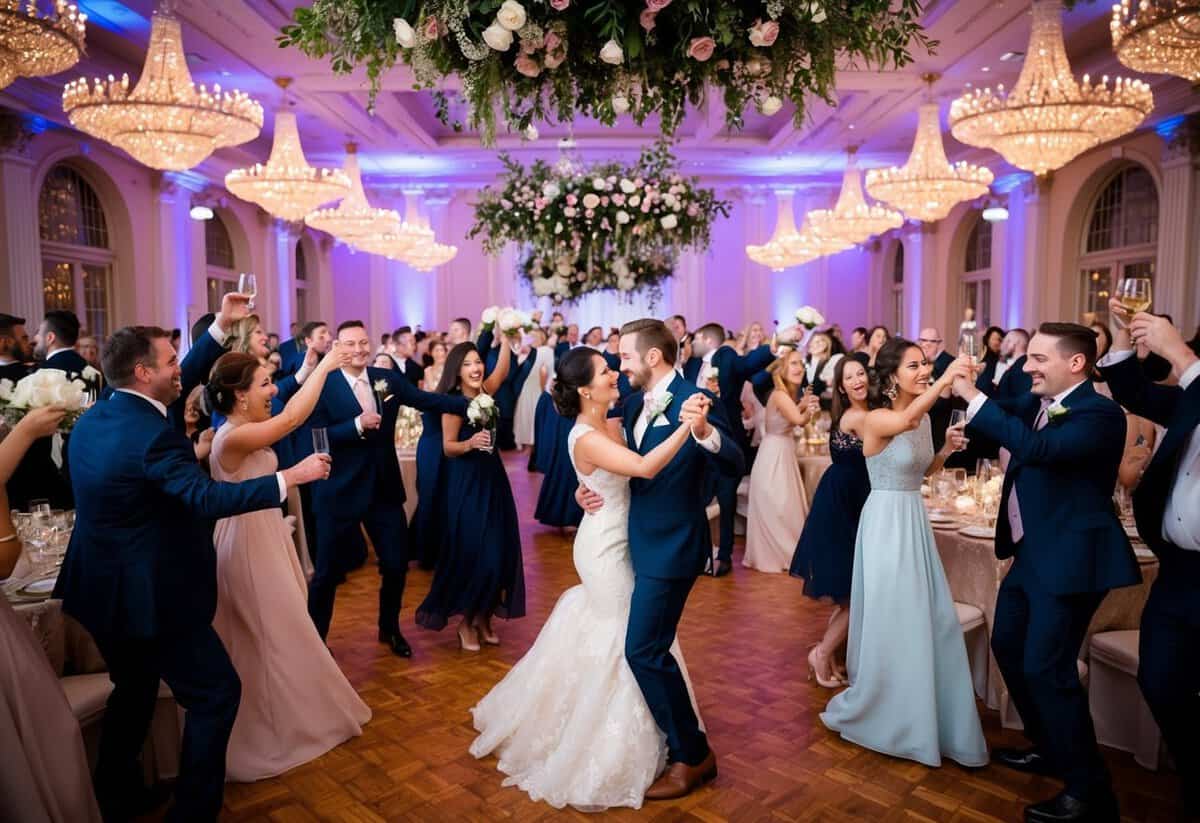
After the ceremony, the celebrations continue with key elements that add joy to your wedding day. It’s essential to plan for the reception and any additional events, as well as handle the honeymoon and related expenses.
Reception and Party Arrangements
The wedding reception is a highlight of your celebration. It usually takes place right after the ceremony and can be a formal dinner or a more casual party. You should consider factors like venue selection, food catering, and entertainment.
For the reception, traditional choices include a sit-down dinner or a buffet. You can also include a fun wedding party for dancing and entertainment.
Be mindful of guest accommodation if your venue is far away. Discuss costs with your parents, as they may have views on who should help with these expenses. Your wedding planner can assist in organizing everything smoothly.
Honeymoon and After-Event Expenses
Your honeymoon is a chance to relax after all the excitement. Planning this trip can include flights, accommodations, and activities, so budgeting is essential.
Make sure to talk openly with your partner about how to share these costs.
Also, account for related expenses like transportation from the reception venue, any leftover wedding stationery, and guest gifts. Every detail counts!
Don’t forget to gather feedback from your guests with a wedding survey after the big day. This can help in planning future celebrations for friends and family.