
Who Pays for Each Wedding Band? A Guide to Covering the Costs
When planning your wedding, one important question that often comes up is who pays for each wedding band. Traditionally, the custom is for each partner to buy the other’s wedding band. This adds a special touch to the bond you share. Understanding this etiquette can help you navigate wedding expenses while keeping the experience meaningful.
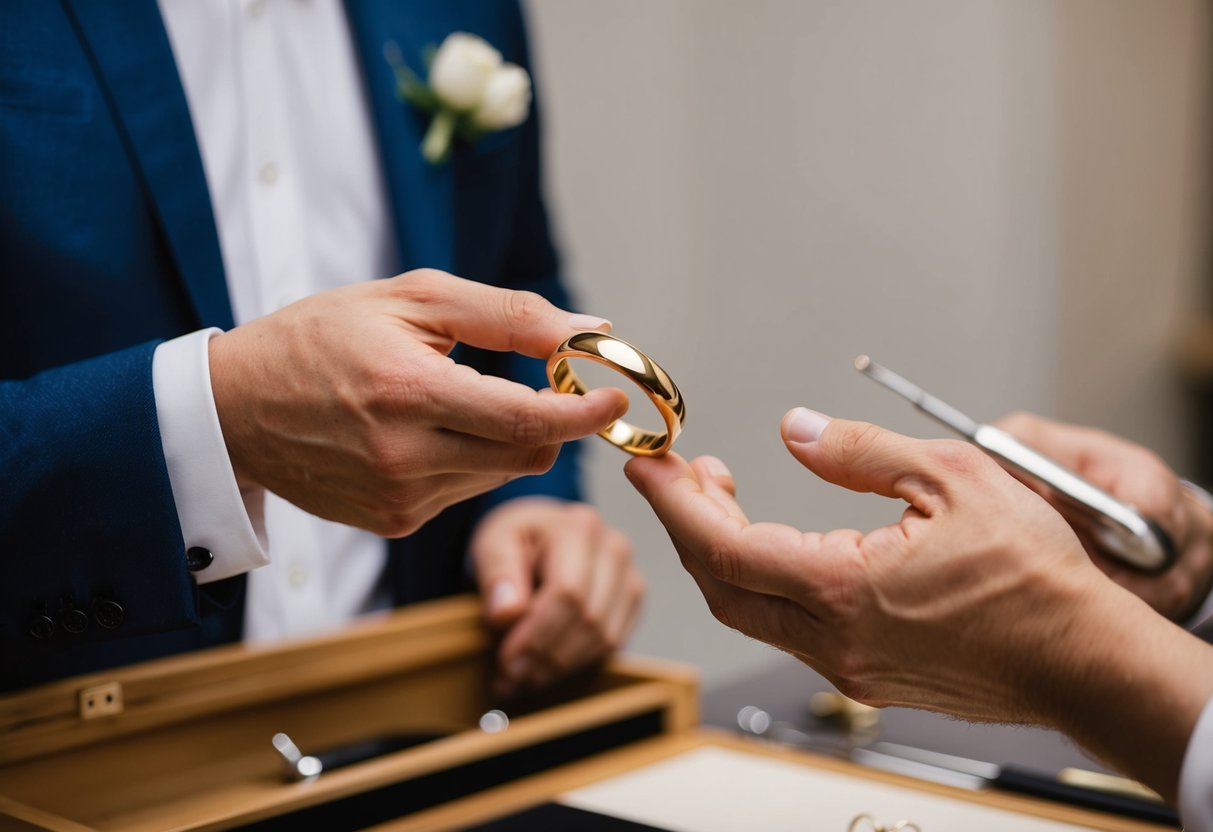
In modern times, couples are getting creative with these traditions. Some may choose to split the costs or have one person pay for both bands, especially if one partner covered the engagement ring. This flexibility allows you to make choices that reflect your partnership and financial situation.
As you explore your options, consider what feels right for you and your partner. The decision about who pays for the wedding bands can enhance your celebration and strengthen your connection on this exciting journey.
Understanding Wedding Expenses
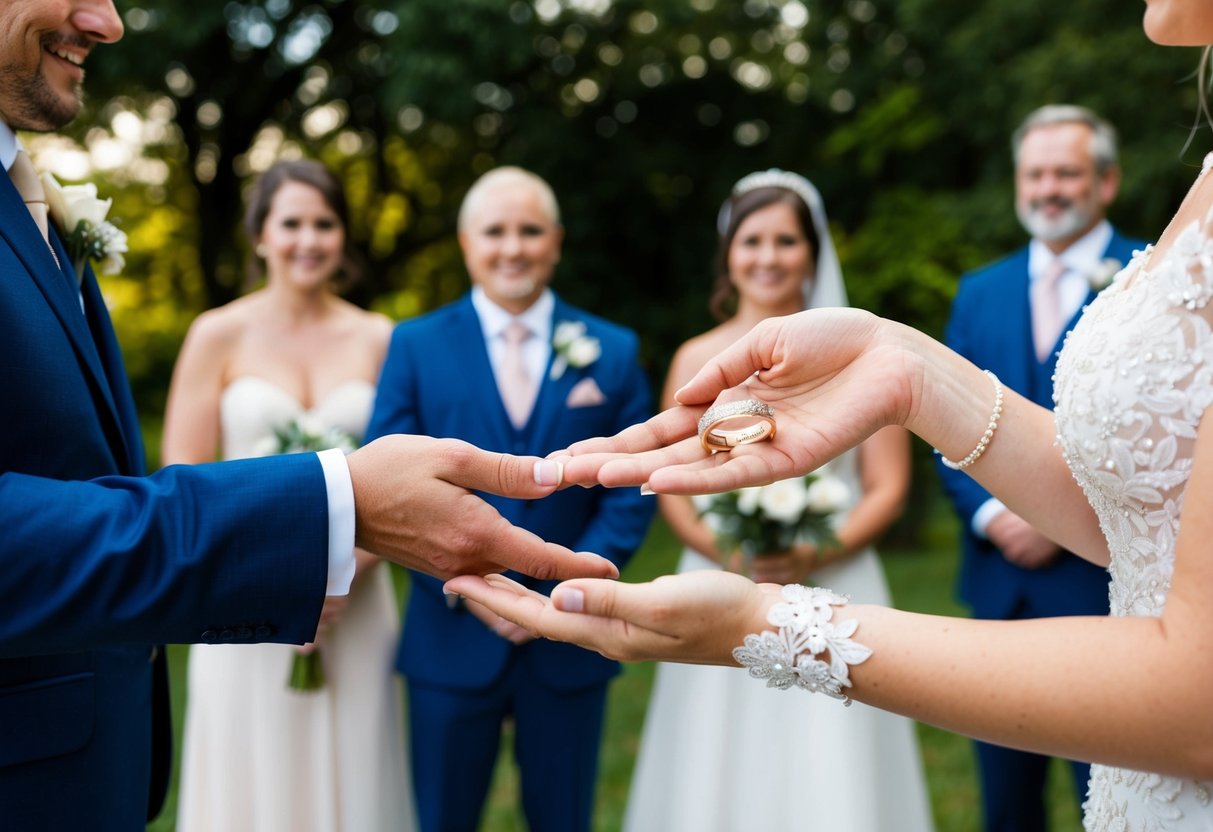
Weddings involve various costs that you need to carefully consider. Knowing how to share these expenses can make planning smoother. Understanding traditional roles in who pays for what can also help guide your decisions.
Sharing Finances and Wedding Budget
When planning your wedding, it’s important to create a clear budget. Start by listing all potential expenses. Common items include venue rental, catering, decorations, and of course, wedding bands.
You might decide to split costs between you and your partner. For example, both of you can contribute a set amount toward the budget. Consider setting up a joint account to manage these expenses together. This helps keep the financial side of wedding planning organized.
Talk openly about your finances and expectations. Communication is key in ensuring you both feel comfortable with the spending choices. Remember that everyone’s situation is different, so find a balance that works for both of you.
The Role of Tradition in Wedding Costs
Traditions often influence who pays for various wedding expenses. Historically, the bride’s family typically covered the ceremony, while the groom’s family paid for the reception. However, these customs are not set in stone.
In modern weddings, couples frequently choose to share costs. This trend reflects a more equal partnership. Some couples even opt to shop for their wedding bands together to split the expense.
Take a moment to discuss which traditions resonate with you and your partner. Decide together if you prefer to stick with these customs or create your own arrangements. This way, you can tailor your spending to fit your personal values and financial situation.
Who Pays for What
Understanding who pays for wedding bands can help avoid confusion and keep things organized. Here’s a look at the traditional responsibilities and how to break down the costs for each partner.
Bride and Groom’s Responsibilities
Traditionally, the groom pays for the bride’s engagement ring and wedding band. In turn, the bride typically purchases the groom’s wedding band. This custom shows that each partner invests in the other.
While these roles are common, many couples choose to share expenses in a way that best fits their relationship. Discussing your preferences early on can make planning easier. You might decide to split the costs or have one person cover both bands.
Talking about finances openly is important. It helps both partners feel comfortable and ensures you are on the same page regarding your wedding band expenses.
Breaking Down the Costs of Wedding Bands
When considering the costs, wedding bands can vary widely depending on factors like material and design. On average, a wedding band can cost between $200 and $2,500.
For instance, a simple gold band is usually less expensive than one with intricate designs or stones. For men, the average wedding band might cost around $510, while for women, it could be approximately $1,100.
Factors to think about include:
- Metal Type: Gold, silver, or platinum can impact the price.
- Style: Classic designs may cost less than modern, intricate ones.
- Jeweler: Different jewelers can have varying price points.
It’s beneficial to set a budget and shop around to find bands that fit your style and wallet.
Choosing the Right Wedding Bands
Selecting the perfect wedding bands involves considering several important factors. You want your rings to reflect your style and fit comfortably within your budget. Let’s look at what affects the price and how to ensure your bands complement your engagement ring.
Factors Affecting the Price of Wedding Bands
The cost of wedding bands can vary widely. Here are a few key factors to think about:
-
Material: Common materials include gold, platinum, and titanium. Gold is available in different karats, which affects its price. Higher karat gold has more pure gold, making it more expensive.
-
Design: Simple bands are often budget-friendly, while those with intricate designs or engraved details may cost more.
-
Gemstones: Adding diamonds or other gemstones can increase the price based on their carat weight and quality. For example, a band with several small diamonds can be pricier than a simple gold band.
-
Jewelry Store: Prices can vary significantly from one jewelry store to another. It’s wise to shop around and compare options.
Matching Your Wedding Bands to Your Engagement Ring
It’s essential to think about how your wedding band will look alongside your engagement ring. Here are some tips:
-
Style: Aim for a cohesive look. If your engagement ring is vintage, consider a wedding band with a similar design.
-
Width and Thickness: Choose a band that matches the width of your engagement ring for a balanced appearance.
-
Metal Type: Stick to the same metal type for both rings. If your engagement ring is white gold, a white gold wedding band will match beautifully.
-
Fit: Make sure the wedding band fits comfortably next to your engagement ring. Some styles may require a curved band to nestle against a unique engagement ring shape.
Planning the Details

When planning your wedding band, consider several key elements that will make your ceremony memorable. Focusing on specific details helps create a seamless experience for you and your guests. Here are some essential aspects to keep in mind.
Key Elements of a Successful Ceremony
Choosing the right wedding venue sets the tone for your celebration. Look for a location that reflects your style and can accommodate your guests comfortably.
Your wedding attire, including the wedding gown and men’s wedding bands, should complement each other. Make sure you feel comfortable and confident in what you wear, as it’s important for you and your partner.
Don’t overlook hiring a skilled wedding photographer to capture the special moments. Quality photos of your ceremony will create lasting memories.
Lastly, consider the importance of having a reliable wedding planner. They can help coordinate details like the rehearsal dinner and assist with obtaining your marriage license. A well-organized plan contributes greatly to your wedding’s success.