
Who Pays for Flowers at a Wedding? Understanding the Costs and Responsibilities
When planning your wedding, one big question often comes up: who pays for the flowers? Typically, the bride and her family are responsible for the overall floral arrangements, including bouquets and décor for the ceremony and reception. However, traditions can vary, and many couples are now choosing to split costs more evenly with their parents.
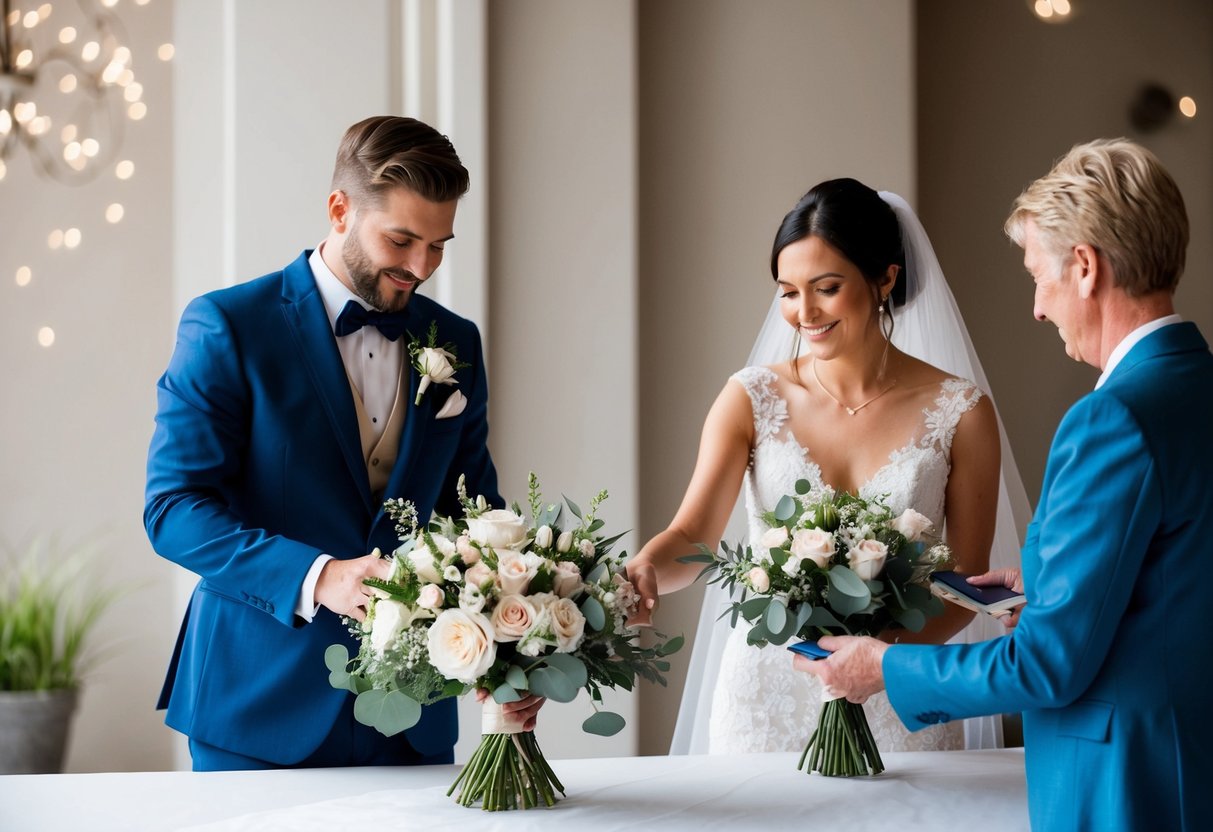
Wedding flowers are not just for decoration; they also play a significant role in setting the mood and style for your big day.
As you manage your wedding budget, it’s essential to understand how these costs fit into your overall expenses. Many people want to know how to allocate funds for beautiful arrangements while keeping everything affordable.
Don’t worry if you’re unsure about the specifics. There are no strict rules anymore, and you can tailor the arrangements to what feels right for you and your partner.
Understanding who typically pays for wedding flowers can help you make informed decisions as you navigate the exciting journey of wedding planning.
Understanding Wedding Flower Expenses
When planning your wedding, understanding who pays for flowers and how to budget for them is essential. Different roles in the family often determine the costs, and knowing this can help ease some of the financial stress.
Division of Floral Costs
Traditionally, the bride’s family is responsible for most flower expenses. This includes bouquets, boutonnieres, and floral decorations at the ceremony and reception.
The groom’s family commonly covers the flowers used for the ceremony decor. However, these guidelines can vary. Couples today often share expenses or adapt the tradition to fit their specific situation.
It’s wise to communicate with your families early in the planning process. Discussing your budget and expectations can prevent misunderstandings later on.
Budgeting for Wedding Florals
Creating a wedding flower budget is crucial for managing expenses. Start by identifying what types of flowers you want.
Average costs for wedding flowers can range significantly.
For example, the average wedding flower cost is around $2,400. Specific items include:
- Bridal bouquet: $150 – $350
- Bridesmaid bouquets: $50 – $150 each
- Boutonnieres: $15 – $50 each
Consider thrift options like seasonal blooms or local vendors to help cut costs. Comparing prices and shopping around will help you stick to your budget.
Who Typically Pays for What?
When planning your wedding flowers, it’s essential to know who usually covers the costs. This section will clarify the financial responsibilities of each party involved, so you can approach budgeting with confidence.
Bride and Bride’s Family
The bride and her family typically have the most significant role in covering expenses for flowers. This includes the bridal bouquet, which is often a focal point of the ceremony.
The bride’s family usually pays for:
- Bridal bouquet: A stunning arrangement that complements the wedding theme.
- Bridesmaid bouquets: These smaller bouquets match the bridal bouquet and add style to the bridal party.
- Corsages: Worn by mothers and grandmothers, these are usually small floral arrangements pinned to clothing.
These floral elements not only enhance the venue but also contribute to the overall beauty of the wedding. It’s important to choose flowers that reflect your style and budget.
Groom and Groom’s Family
The groom and his family also assist with flower costs, but generally cover different items. Their contributions focus mainly on the groom’s attire and immediate family members.
The groom’s side typically pays for:
- Boutonnieres: Small floral arrangements worn by the groom and groomsmen. They are a great way to tie in the wedding colors.
- Flowers for mothers: This may include corsages for the mother of the groom and other close family members.
Understanding these responsibilities helps maintain clarity about who pays for what, ensuring everyone is on the same page.
Other Contributors
In modern weddings, it’s common for couples to share the financial load. This collaborative approach can involve friends, family, or even the couple themselves, especially with rising costs.
Other contributors might include:
- Friends or bridesmaids: They may offer to cover their own bouquets or boutonnieres.
- Creative solutions: Sometimes, families chip in for specific floral arrangements as wedding gifts.
This flexibility allows you to create a beautiful display, regardless of traditional expectations. Open communication with all parties involved ensures a smoother planning process.
Choosing Your Wedding Flowers
Selecting the right flowers for your wedding involves understanding the types available and finding the perfect florist to bring your vision to life. Each choice you make impacts the overall style and feel of your big day.
Types of Wedding Flowers
When choosing flowers, think about the various types available. Common options include:
- Bouquets: These are essential for brides and bridesmaids. Popular choices are roses, peonies, and lilies.
- Centerpieces: These floral arrangements enhance your reception tables. Consider using seasonal blooms for cost-effectiveness.
- Ceremony Flowers: Arches, pew decorations, and altar arrangements set the tone for the ceremony.
Another choice is whether to use artificial flowers. They offer durability and can sometimes save money, while fresh flowers add natural beauty and fragrance. Reflect on your color scheme and theme to ensure that your flower selection complements them.
Selecting a Wedding Florist
Choosing the right florist is crucial to achieving your desired look.
Start by gathering recommendations from friends or online reviews.
When meeting with potential florists, ask about their experience with your wedding style. Discuss your budget and the types of arrangements you envision.
Make sure to review their portfolio to see their past work. It’s helpful to clearly communicate your ideas. Lastly, check their availability for your wedding date to avoid any surprises. This way, you ensure that your floral arrangements become a beautiful part of your special day.
Allocation of Flowers Across the Wedding
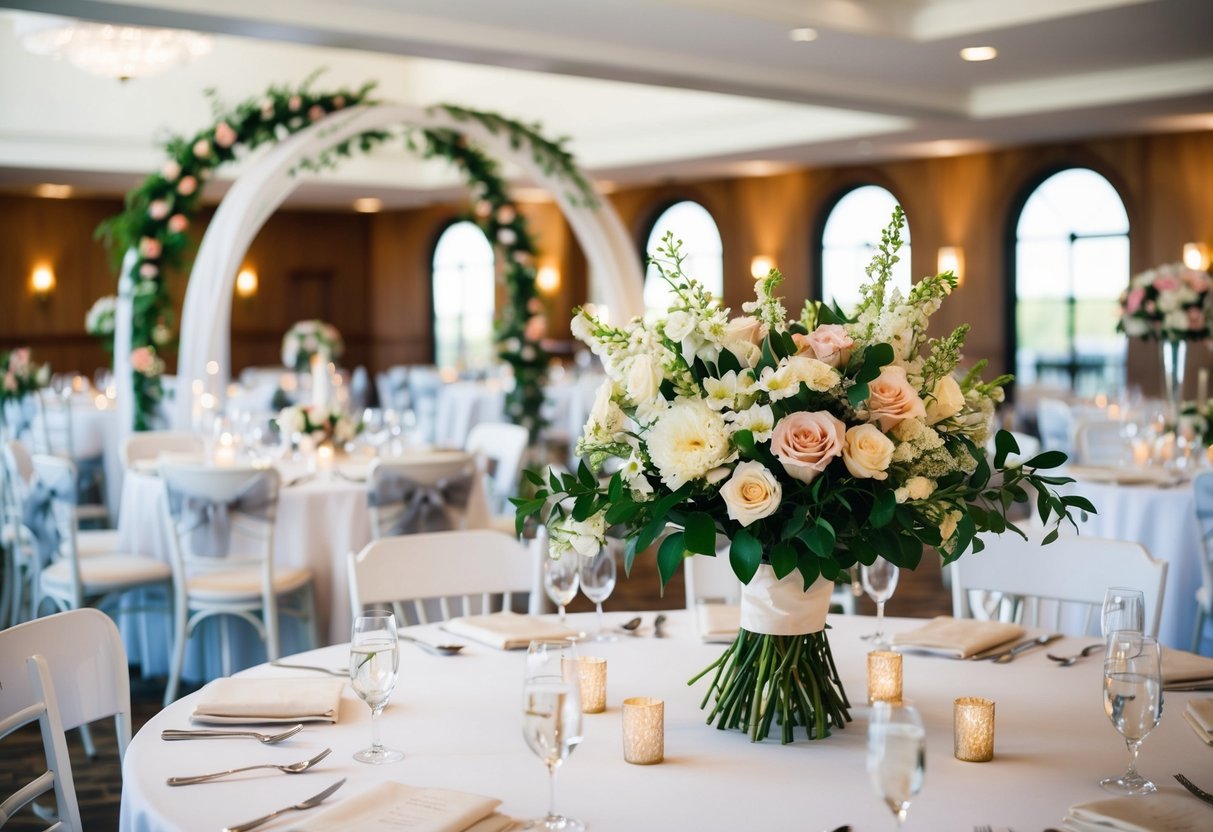
When planning your wedding flowers, it’s important to know how to allocate them for different parts of the day. Understanding where flowers will be used can help with budgeting and decision-making. Consider both ceremony and reception needs, along with personal flowers for the wedding party.
Ceremony and Reception Decor
For the ceremony, you might want to create a beautiful atmosphere with flower arrangements. Common choices include aisle decorations, altar floral displays, and flower arches. These can add a lovely touch to your special moment.
At the reception, flowers serve as important decor elements. You’ll likely want centerpieces for each table. These can vary in size and style, from simple vases to more elaborate arrangements. Additionally, consider having flowers for the cake table or other display areas to enhance the decor. Prioritize flower types based on your theme and budget to make impactful choices.
Personal Flowers and Wedding Party
Personal flowers include items like bouquets, boutonnieres, and corsages. The bridal bouquet is a significant piece, often reflecting your style and wedding colors.
Make sure to discuss with your florist how to coordinate these personal flowers with the rest of your floral design. You should also ensure that the flowers in personal arrangements complement the larger ceremony and reception flowers. By doing this, you create a cohesive look throughout your wedding day that ties everything together beautifully.