
Who Pays for Flowers at a Wedding? A Guide to Wedding Flower Expenses
When planning your wedding, one of the important questions you might ask is who handles the costs for flowers. Typically, many couples today choose to split the expenses between themselves and their families, with each person contributing to the overall budget. This means that whether it’s for stunning centerpieces, beautiful bouquets, or flower decorations, the costs can be shared in different ways.
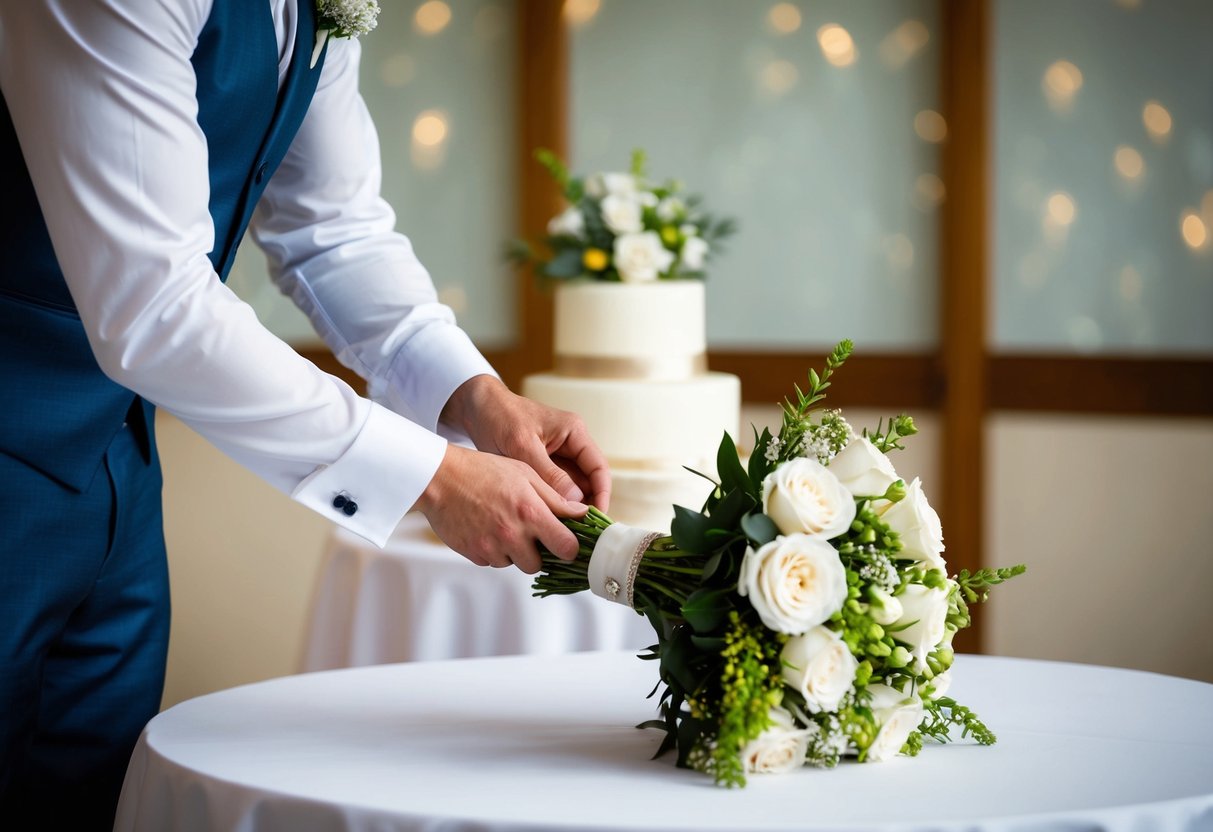
Understanding who pays for wedding flowers can help you manage your budget better and avoid any awkward conversations later. As you dive into the details of your wedding planning, remember there are no strict rules anymore about these costs. Depending on your family tradition, personal preferences, and financial situation, the one paying can vary.
Explore your options and have open discussions with your partner and family to figure out what works best for you. With a little planning and communication, you can ensure that your wedding flowers reflect your vision while keeping to your budget.
Understanding Wedding Flower Expenses
Determining who pays for wedding flowers involves various components that influence the overall cost. Knowing the key elements of floral arrangements and traditional responsibilities can help you plan your budget effectively.
Key Components of Floral Arrangements
When it comes to wedding flowers, you’ll want to consider several key components. The bridal bouquet is often the centerpiece of floral choices, symbolizing your special day. Other important elements include centerpieces that grace the reception tables, ceremony flowers that enhance the venue, and decoration throughout the space. Each of these elements serves to create a beautiful environment for you and your guests.
The cost of flowers can vary widely based on the types chosen, the season, and the complexity of the arrangements. Understanding what you need helps you make informed decisions about your wedding flower budget.
Breaking Down the Wedding Flower Budget
Your wedding flower budget can be influenced by various factors. On average, couples spend between $2,000 and $5,000 on flowers. This includes expenses for reception flowers, ceremony decorations, and the bridal bouquet.
Break down these costs by allocating funds for each category. For example, you might set aside 40% for the bridal bouquet, 30% for centerpieces, and 30% for ceremony flowers.
Consider local prices and flower selection. Rare blooms may cost more, while seasonal flowers tend to be more affordable. Creating a detailed budget helps ensure you don’t overspend.
Traditional Responsibilities and Etiquette
Understanding flower payment etiquette can help you navigate costs more easily. Traditionally, the bride’s family covers floral expenses, including the bridal bouquet and ceremony flowers.
However, many couples split costs or manage their own budgets. If you have a specific vision, it’s often best to discuss financial responsibilities openly.
Remember to communicate with your partner and families to ensure everyone is on the same page. Open conversations about expectations can thwart misunderstandings and make your planning smoother.
Roles in Funding Wedding Flowers
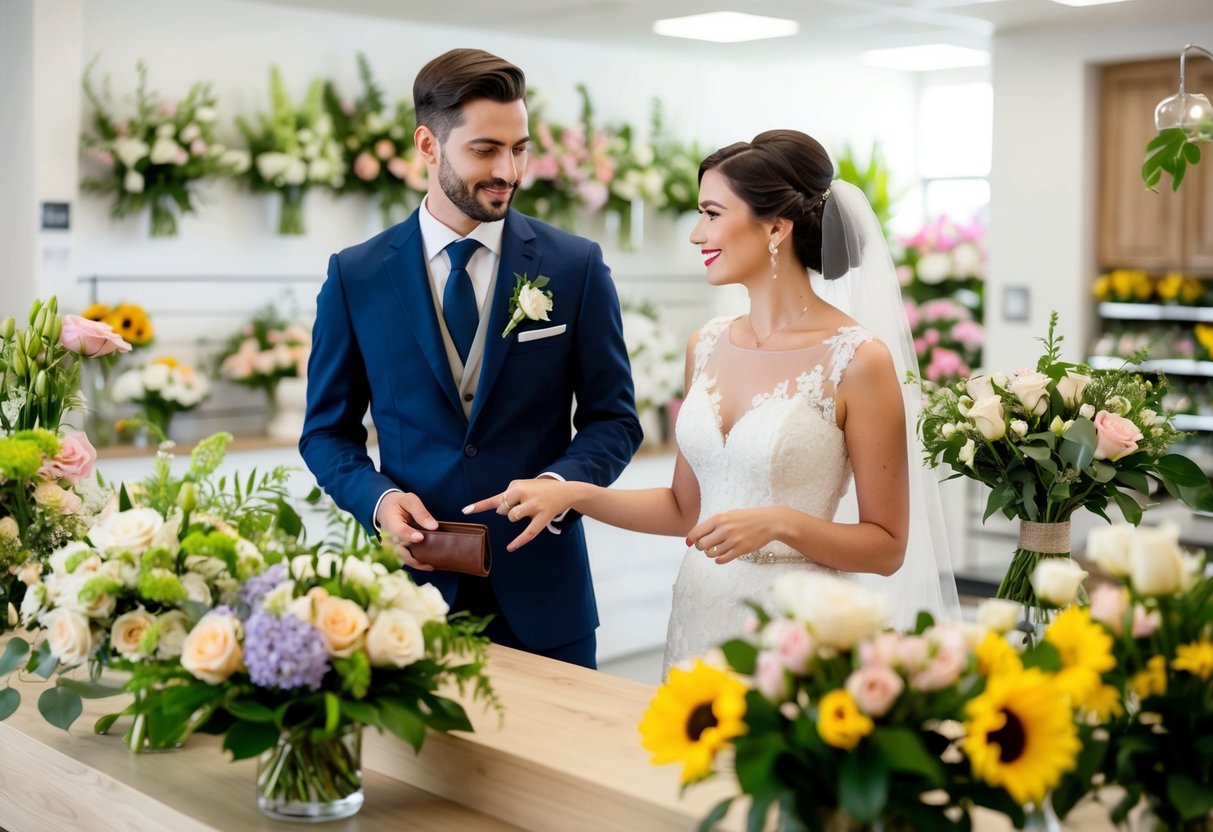
Understanding who pays for wedding flowers can help clarify expectations. There are traditional roles often assigned to families and couples when it comes to covering these costs. Let’s break down each role to see how they typically contribute.
Bride’s Family Contributions
Traditionally, the bride’s family is responsible for many wedding costs, including flowers. This often covers personal flowers like the wedding bouquet, bridesmaid bouquets, and corsages for female family members. The budget can vary based on the family’s financial situation and preferences.
You may want to discuss your desires and budget early on. Floral choices can range from simple to extravagant, impacting costs. Planning can help prevent misunderstandings about what is included.
It’s common for the bride’s family to also contribute to flowers at the rehearsal dinner. This can create a cohesive look for all events. Clear communication will make this process smoother and more enjoyable.
Groom’s Family Financial Involvement
The groom’s family traditionally covers certain expenses, which may include rehearsal dinner costs. While this doesn’t typically include wedding flowers, many couples are now adapting their own rules. The groom’s family might also chip in for boutonnieres for the groom and his groomsmen.
This can be a good way to share the financial load. You might find that family members are happy to contribute, making everyone feel included in your special day. Discussing contributions openly can lead to a more unified approach to wedding planning.
If the groom’s family wishes to help with additional floral expenses, open dialogue about what they hope to fund is key.
When the Couple Pays
More couples are choosing to take charge of their own wedding finances, including flowers. This modern approach allows you to have full control over the style and budget. You can decide on everything from personal flowers to ceremony decorations.
If you and your partner decide to pay, it’s wise to establish a clear budget early. Consider all types of flowers needed, such as bridesmaid bouquets, boutonnieres, and floral arrangements for the venue.
This approach also lets you select flowers that match your vision without family pressure. You might want to work with a florist who understands your style and budget. Being hands-on in this area can ensure your wedding flowers are perfect for your big day.
Selecting the Right Florist

Choosing the right florist is key to making your wedding day beautiful. You want someone who can bring your vision to life while being easy to work with. Below are some important factors to consider and tips for a successful partnership.
Factors to Consider When Hiring a Florist
When you start looking for a wedding florist, there are a few factors to keep in mind.
Style and Vision: Before meeting with florists, think about your desired style. Do you prefer classic bouquets and elegant centerpieces, or are you drawn to bold, modern designs?
Experience: Look for a florist who has experience with weddings similar to yours. Check their portfolio for past floral arrangements that catch your eye.
Budget: Be clear about your budget from the start. Discuss the costs of various arrangements, including bridal bouquets, boutonnieres, and decorations for your wedding reception.
Reviews and References: Read online reviews or ask for references. Positive feedback from past clients can guide your decision.
Tips for Working with Your Wedding Florist
Once you select your florist, remember that good communication is vital.
Be Open with Ideas: Share your vision and preferences. Bring inspiration images to help convey your ideas clearly.
Discuss Details: Talk about specifics like types of flowers, colors, and whether you’re open to using artificial flowers. They can sometimes be a cost-effective option that looks great.
Ask Questions: Don’t hesitate to ask about their process. Understanding delivery and setup timing is important for the day of your wedding.
Stay Flexible: While you might have a specific idea, be open to suggestions. A good florist can offer insights that enhance your floral arrangements.