
Who Pays for Groom’s Cake? Understanding Traditions and Responsibilities
When planning your wedding, you might wonder about various costs, including the wedding cake and the charming tradition of the groom’s cake. Typically, the bride and her family cover the costs of the groom’s cake. This allows you to choose a cake that reflects your partner’s personality and interests, making it a special addition to the celebration.
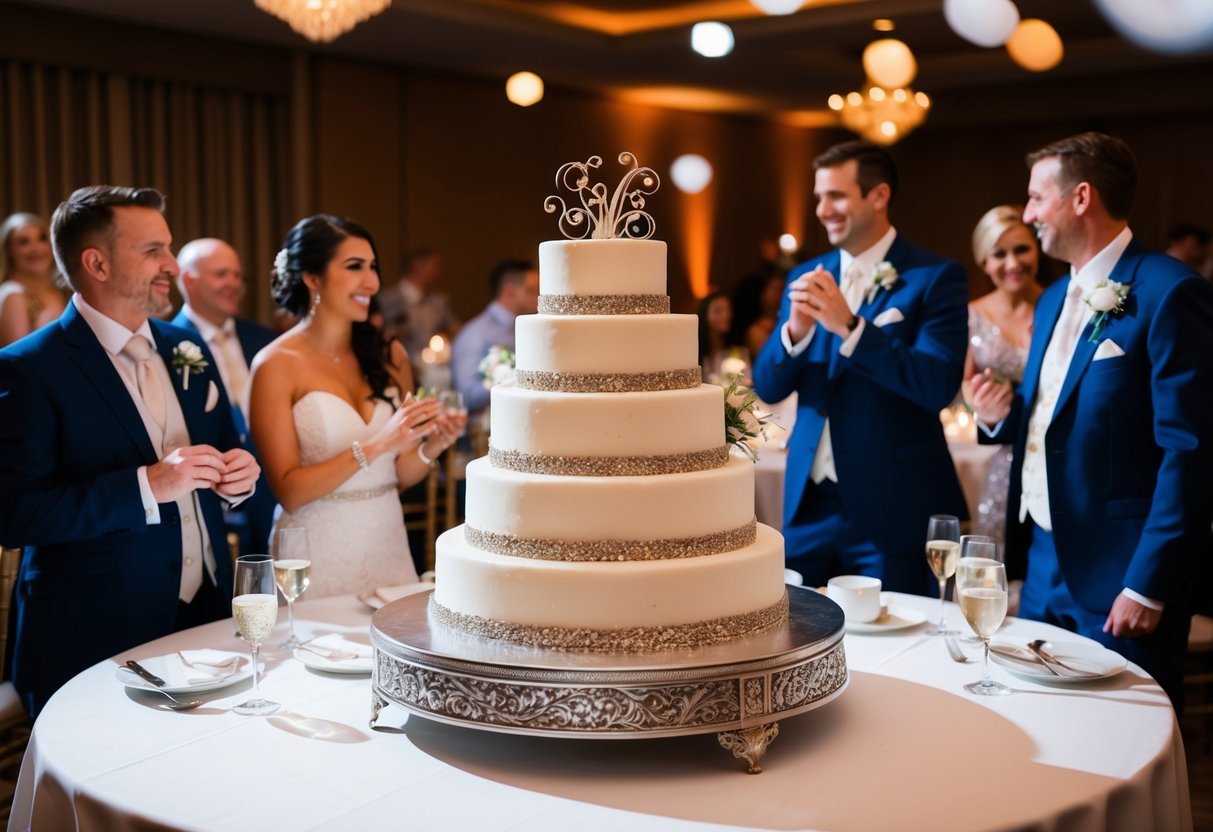
Understanding who pays for the groom’s cake can help ease some wedding expenses. While tradition often has the groom’s family footing the bill for the rehearsal dinner, it’s not mandatory. Many couples these days are choosing to share costs to keep things simple.
As you navigate wedding planning, knowing the expectations around costs can take some stress off your shoulders. A groom’s cake can be a fun way to celebrate your partner and their tastes, so having clarity on who pays lets you enjoy every moment of your special day.
Origins and Significance of the Groom’s Cake
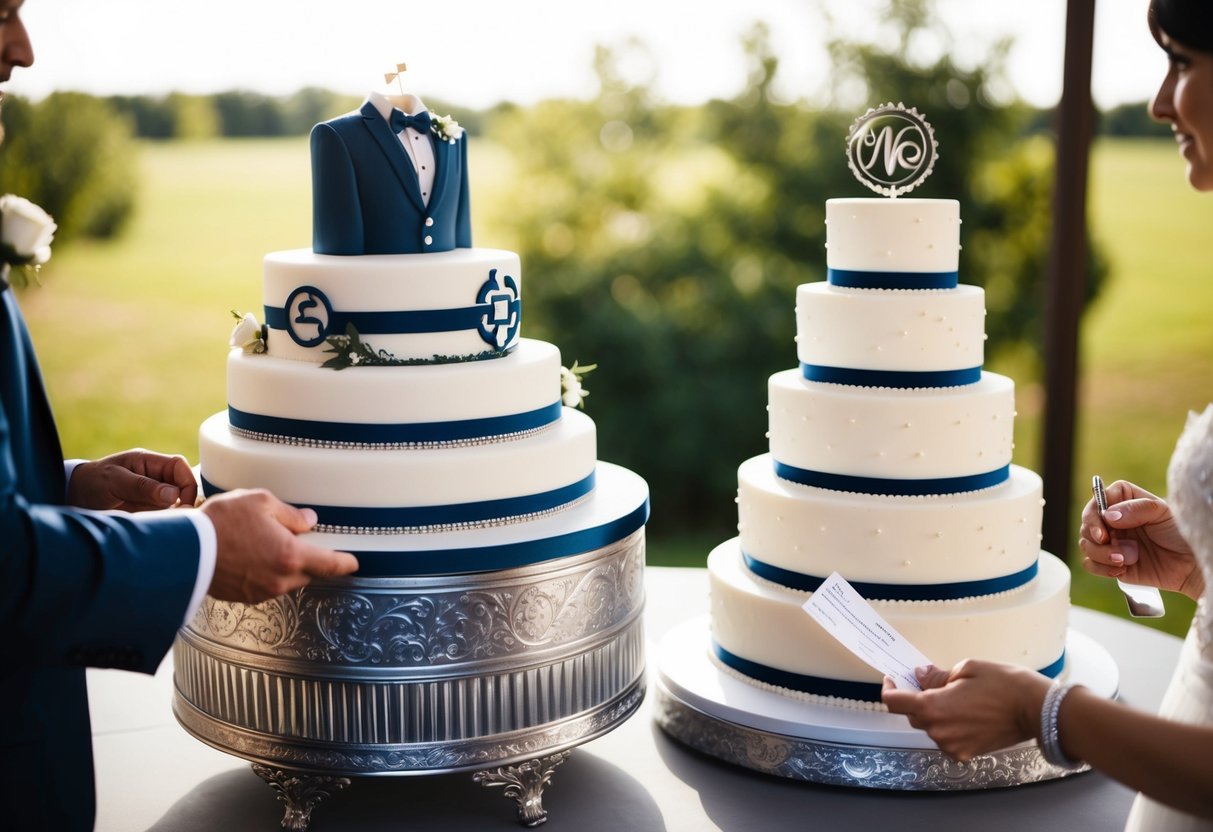
The groom’s cake has a rich history tied to wedding traditions. It began in Victorian England but is now often associated with Southern wedding customs in the United States.
Historical Background
The groom’s cake traces back to the Victorian era in England. During this time, weddings commonly featured three cakes: a wedding cake, a bride’s cake, and a groom’s cake. The groom’s cake was often a darker, richer cake, typically made from chocolate or fruit.
Traditionally, this cake served as an option for guests who preferred something different from the lighter wedding cake. It was often enjoyed after the wedding, sometimes at a separate event.
In the American South, the groom’s cake became a popular Southern tradition, reflecting personal tastes and interests of the groom. The unique flavor and design of the cake can be a fun way to express his personality.
Modern Interpretations
Today, the groom’s cake is often personalized to represent the groom’s hobbies, interests, or favorite flavors. This modern take allows couples to celebrate their love in a unique way.
While the tradition started as a secondary cake, it has gained importance at weddings. You might see elaborate designs that showcase sports teams, hobbies, or even favorite cartoons.
Moreover, it can still be a richer dessert option alongside the wedding cake, adding variety for your guests. This blend of history and creativity highlights how the groom’s cake has adapted to fit contemporary wedding celebrations.
Determining Responsibility for Groom’s Cake Expenses
Figuring out who pays for the groom’s cake can depend on family traditions, wedding budgets, and etiquette. It often involves understanding the roles of both families.
Role of the Groom’s Family
Traditionally, the groom’s family takes responsibility for certain wedding costs, including the rehearsal dinner. However, when it comes to the groom’s cake, opinions can vary.
In many cases, the groom’s family may choose to provide this cake as a gift to the couple. This approach allows them to add a personal touch, making it special for the groom.
If the groom’s family decides to arrange and pay for the cake, they should communicate openly with the bride’s family about the plan to avoid any confusion.
When the Bride’s Family Contributes
In other situations, the bride’s family might contribute to the costs of the groom’s cake. If they are covering most of the wedding budget, they may agree to include this cake as part of their contribution.
It’s important for family discussions to happen early in the planning process. That way, everyone knows what to expect in regard to wedding costs.
When the bride’s family pays for the cake, it often reflects their willingness to include both sides in the celebration. This friendly gesture can enhance the unity of both families.
Shared Costs and Alternatives
Sometimes, couples may decide to share the costs of the groom’s cake. This option can help balance the wedding budget and involve both families equally.
If you are working with a tight budget, consider alternatives. A smaller or simpler cake can still provide a fun experience without stretching finances.
Discussing these options can lead to creative solutions. For example, a homemade cake, a dessert table, or a selection of grooms’ favorite treats can serve as delightful alternatives.
Creative Aspects of Groom’s Cake Design

When designing a groom’s cake, you have the chance to reflect his unique interests and flavors. This cake can highlight his hobbies, favorite flavors, and overall personality, making it a fun addition to the dessert table at your wedding.
Reflecting the Groom’s Passions
Your groom’s cake can tell a story about his passions and interests. Think about what he loves most. Is he a sports fan? A cake shaped like his favorite team’s logo can be eye-catching.
If he’s into music, consider a cake resembling a guitar or a record. For someone who loves video games, themes from his favorite game can add a playful touch. Incorporating these elements allows guests to connect with the groom and celebrate his identity through dessert.
Choosing Flavors and Themes
Flavor is vital for a memorable groom’s cake. You can select more than the traditional options. Consider chocolate, red velvet, or even unique flavors like bourbon-infused cake for a special twist.
Themed cakes are another fun aspect. For instance, if your groom enjoys cooking, a cake designed like a chef’s hat could be perfect. Matching the cake flavors and designs to your wedding theme creates a cohesive look for your celebration.
Presentation at the Wedding
How the groom’s cake is presented at the wedding can make a big impact. You might choose a special table dedicated to the cake, decorated with items that represent the groom’s hobbies.
Using creative displays, like cake stands or themed decorations, can highlight its features. Ensure the cake is visible to guests and becomes a conversation starter. A unique presentation adds to the overall décor while showcasing the groom’s cake as a centerpiece of enjoyment.
Practical Considerations
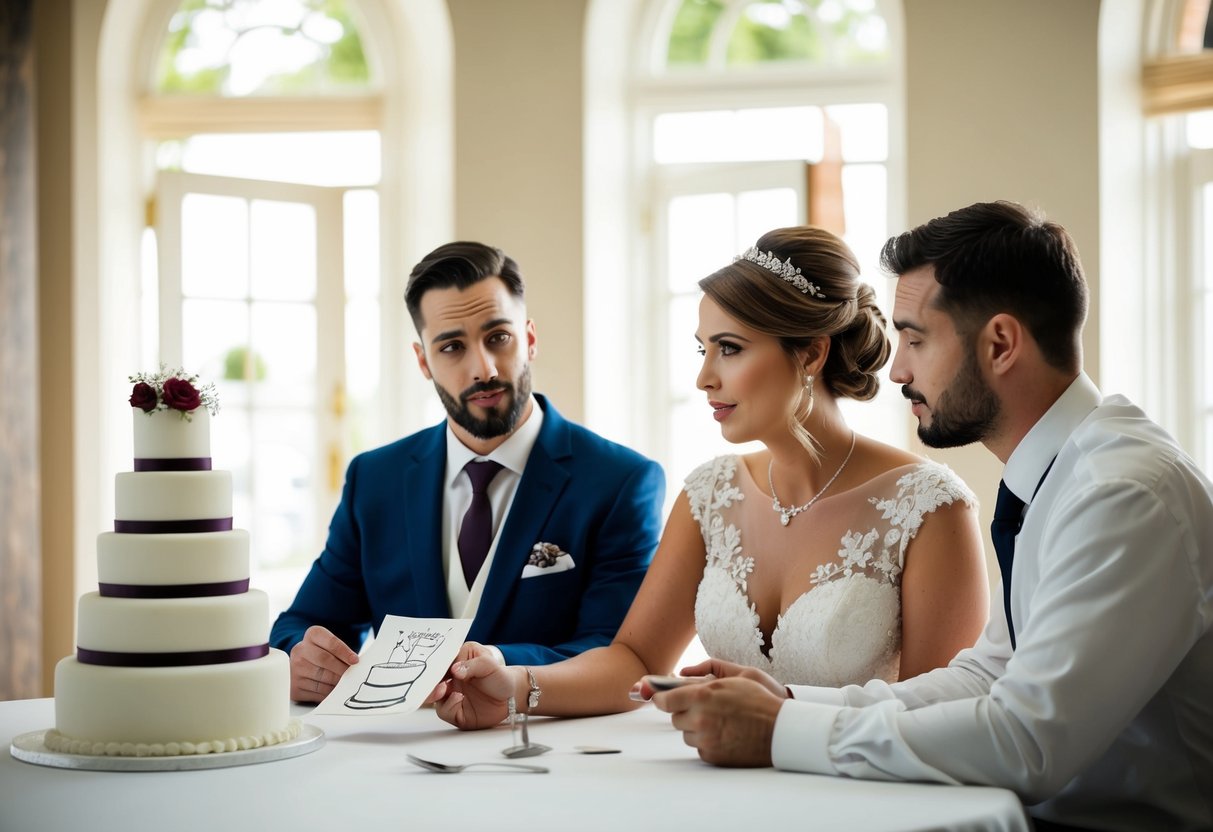
When planning for the groom’s cake, several practical factors come into play. You will need to consider the cost of the cake, how to serve it during the wedding reception, and any other dessert options that may complement the event.
Calculating the Cake Cost
The cost of the groom’s cake can vary widely. Factors like size, design, and flavors affect the final price. A basic cake might start around $200, while more elaborate designs can soar to $500 or more.
Consider how many guests you expect. If the cake is meant to be a centerpiece, plan for a larger cake with multiple tiers. Alternatively, serving cupcakes or smaller desserts can help keep costs down while still providing treats for everyone.
You should also check if the baker offers any packages that include both the wedding and groom’s cake. Combining orders might save you some money.
Incorporating into the Wedding Reception
Integrating the groom’s cake into your wedding reception can be fun and memorable. Traditionally, it is served alongside the main wedding cake, allowing guests to sample both.
To make it more special, consider tying the cake’s theme to the groom’s interests. This could be a sports team, hobby, or favorite flavor. You can even incorporate a cake cutting ceremony that highlights this cake for guests to enjoy.
Make sure to have proper serving tools and plates ready. You could also box up leftovers for guests to take home as party favors, which is a lovely touch.
Other Dessert Options
While the groom’s cake is a highlight, you can enhance the dessert table with other options. Adding pies or mini desserts like tarts can create a more diverse selection for guests.
Consider offering a tiered display of cupcakes as an alternative. Cupcakes are easy to serve and can match the wedding theme.
Another popular choice is a dessert buffet. This gives your guests the chance to mix and match their favorites. Variety can delight your guests and adds a fun element to the reception.