
Who Pays for Guest at a Destination Wedding? Exploring the Costs and Expectations
When planning a destination wedding, many couples wonder who is responsible for the costs of their guests. Traditionally, guests pay for their own travel expenses. This includes airfare and accommodations. Meanwhile, the couple typically covers the wedding venue and festivities. This often leads to questions about what is considered proper wedding etiquette.

As a couple inviting friends and family to a beautiful location, you might feel torn about what to provide. While it is not common for couples to pay for guests’ travel, they can show some hospitality by arranging hotel blocks and offering transportation to the venue. Understanding these aspects will help you navigate the financial details with ease and keep everyone informed.
By knowing your responsibilities and options, you can ensure that your special day remains a joyous occasion for you and your loved ones without stressing over finances. Let’s dive deeper into the ins and outs of who pays for what at a destination wedding.
Understanding the Basics of Destination Wedding Finances
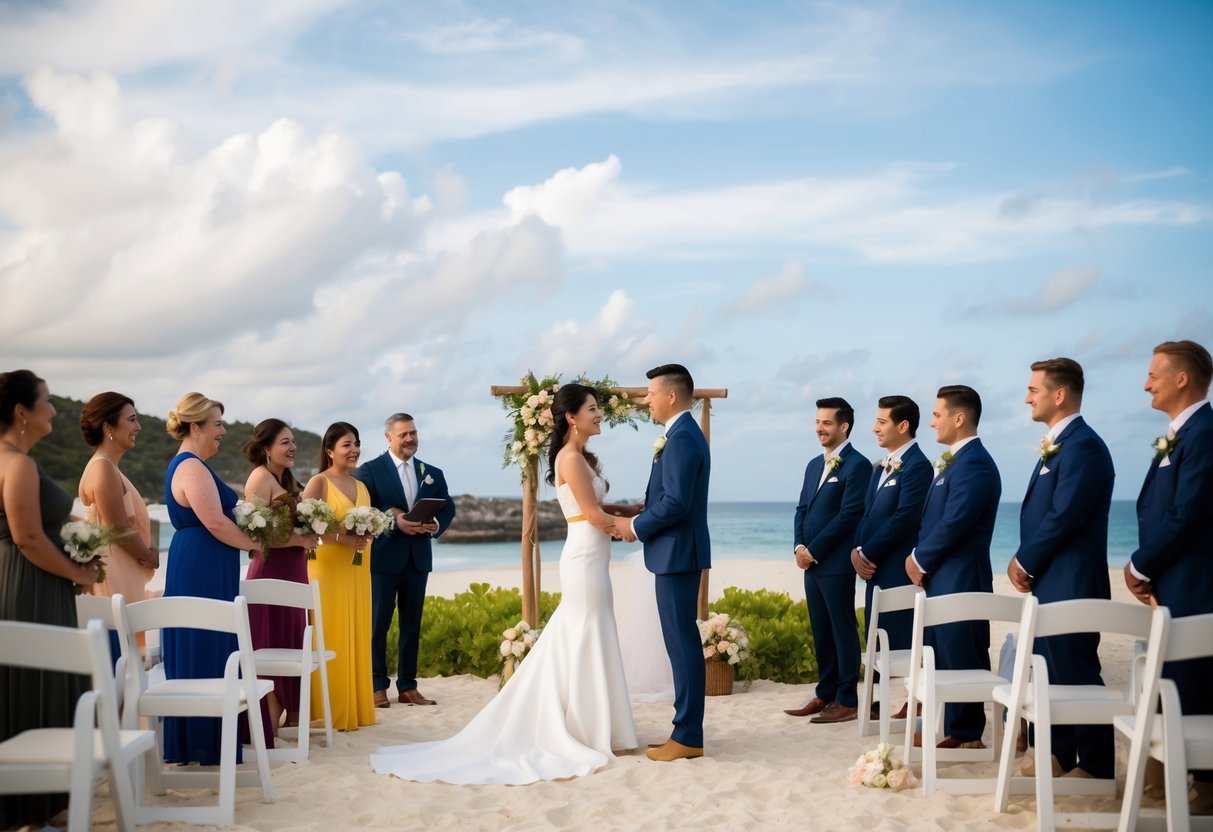
Planning a destination wedding comes with unique financial considerations. From who covers travel costs to what expenses the couple is responsible for, understanding the basics can help you navigate this adventure more easily.
The General Etiquette of Destination Weddings
Destination weddings often shift traditional wedding etiquette. Usually, guests are expected to cover their travel and accommodation costs. This is different from hometown weddings, where hosts may provide these for guests.
While sending invitations, communicate clearly. Let guests know about the financial expectations and any group rates if available. It’s a good idea to suggest affordable lodging options. Some couples may choose to offer help, like covering welcome dinners, to show appreciation for traveling.
Deciding Who Pays for the Wedding Expenses
When planning your wedding budget, consider all the expenses involved. Generally, the couple is responsible for the venue and ceremony costs. Parents may also help, depending on personal traditions.
It’s important to have open discussions with family about who will take on which expenses. In destination weddings, this can include planning logistics and meal costs. Some couples decide to pay for a few guest experiences to make their wedding more memorable.
In short, be upfront with guests about costs. The goal is to enjoy the day while being considerate of everyone’s financial situation. Your clear communication can help ensure a friendly atmosphere for all.
Breakdown of Potential Costs for Guests

Attending a destination wedding comes with a variety of costs. You’ll want to plan ahead to manage these expenses effectively. Below are some key areas that contribute to the total cost for guests.
Hotel Accommodations and Airfare
When you attend a destination wedding, the first major expense is usually hotel accommodations. Many couples book blocks of rooms at nearby hotels. This can help you find better rates. Consider checking for special rates or promotional offers.
Airfare is another significant cost. Prices can vary based on the location and the time of year. It’s smart to book your flights early for the best deals. Consider using travel sites to compare prices. Some guests might choose to drive, which can save on airfare but adds gas and time costs.
Group Rates and Travel Expenses
Many hotels offer group rates for wedding guests. This can make your stay more affordable. When you book as part of a group, you might also get perks like free breakfast or discounts on activities.
Beyond accommodations, don’t forget about travel expenses. This includes transportation to and from the airport, as well as travel between the hotel and wedding venue. Rental cars, taxis, or rideshare services can add up. Always budget for these when planning your trip.
Additional Guest Expenses
You should also consider additional expenses that can come up at a destination wedding. Depending on the location, you might want to spend on attire that fits the wedding theme or local climate. For example, beach weddings may require lighter fabrics.
Accessories for your outfit can add extra costs. Additionally, don’t forget to budget for a gift for the couple, which is often expected. Expenses for activities, meals, and any local attractions can also increase your overall costs, so keep track of these to ensure a fun and enjoyable experience.
Roles and Responsibilities of the Wedding Party
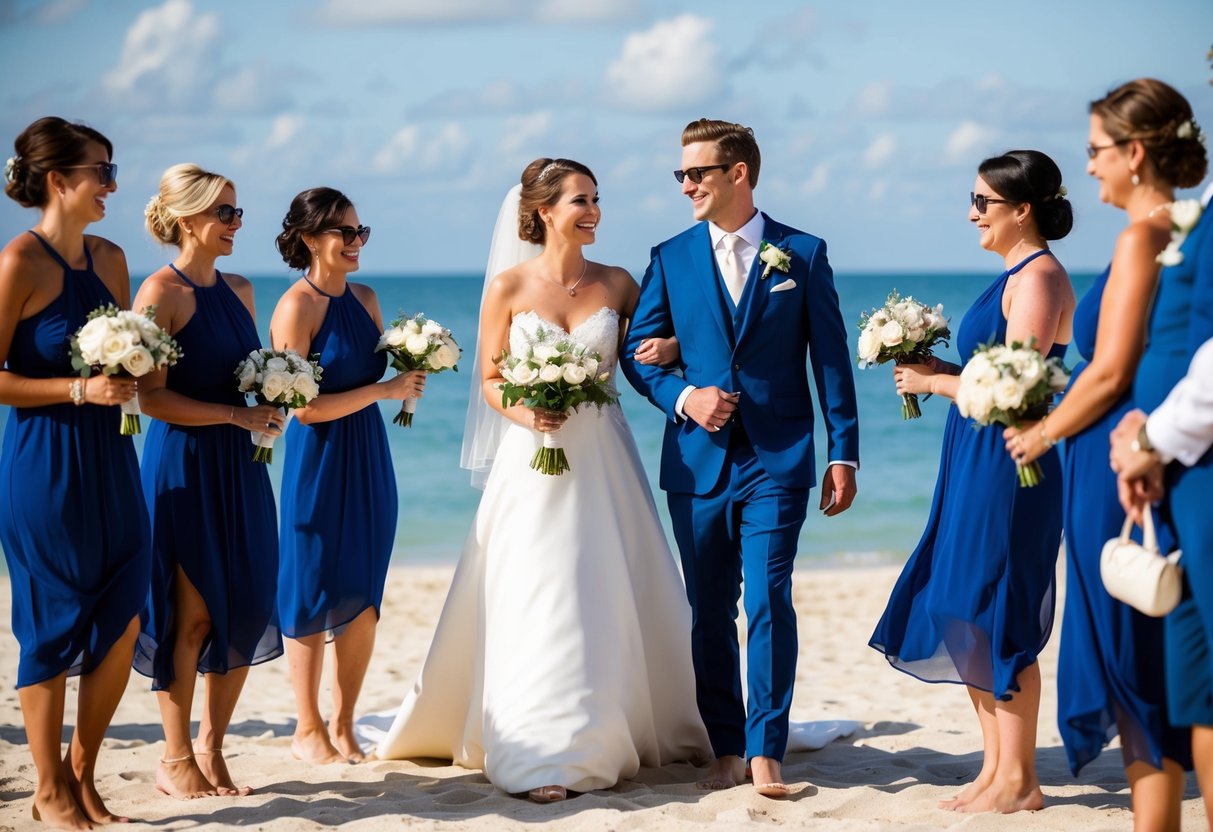
Planning a destination wedding involves understanding who is responsible for what, especially regarding finances. Below are key responsibilities for bridesmaids and groomsmen, as well as expectations for vendors and planners.
Financial Responsibilities of Bridesmaids and Groomsmen
As a member of the wedding party, you often take on specific financial responsibilities. Traditionally, bridesmaids and groomsmen pay for certain costs like travel, accommodations, and attire. This helps make the couple’s big day special.
Bridesmaids often cover the cost of their dresses, hair, and makeup. Groomsmen typically pay for their suits or tuxedos. In addition, both groups may share costs for group activities, such as the bachelor or bachelorette parties.
You should communicate openly with the couple about what is expected. This can prevent misunderstandings and ensure everyone is comfortable with their financial commitments.
Contribution Expectations for Wedding Vendors and Planners
When planning your wedding, vendors and planners play a vital role. You should understand their contribution expectations clearly. Wedding planners often charge a flat fee or a percentage of the total wedding cost. This varies widely based on their experience and the services they provide.
Vendors, like photographers or caterers, generally require advance payments or deposits. It’s essential to discuss payment schedules and what is included in their services upfront.
Clear communication with vendors can reduce stress as the big day approaches. Knowing these details helps you and your wedding party focus more on enjoying the celebration rather than worrying about logistics.
Creating a Memorable Experience for Guests
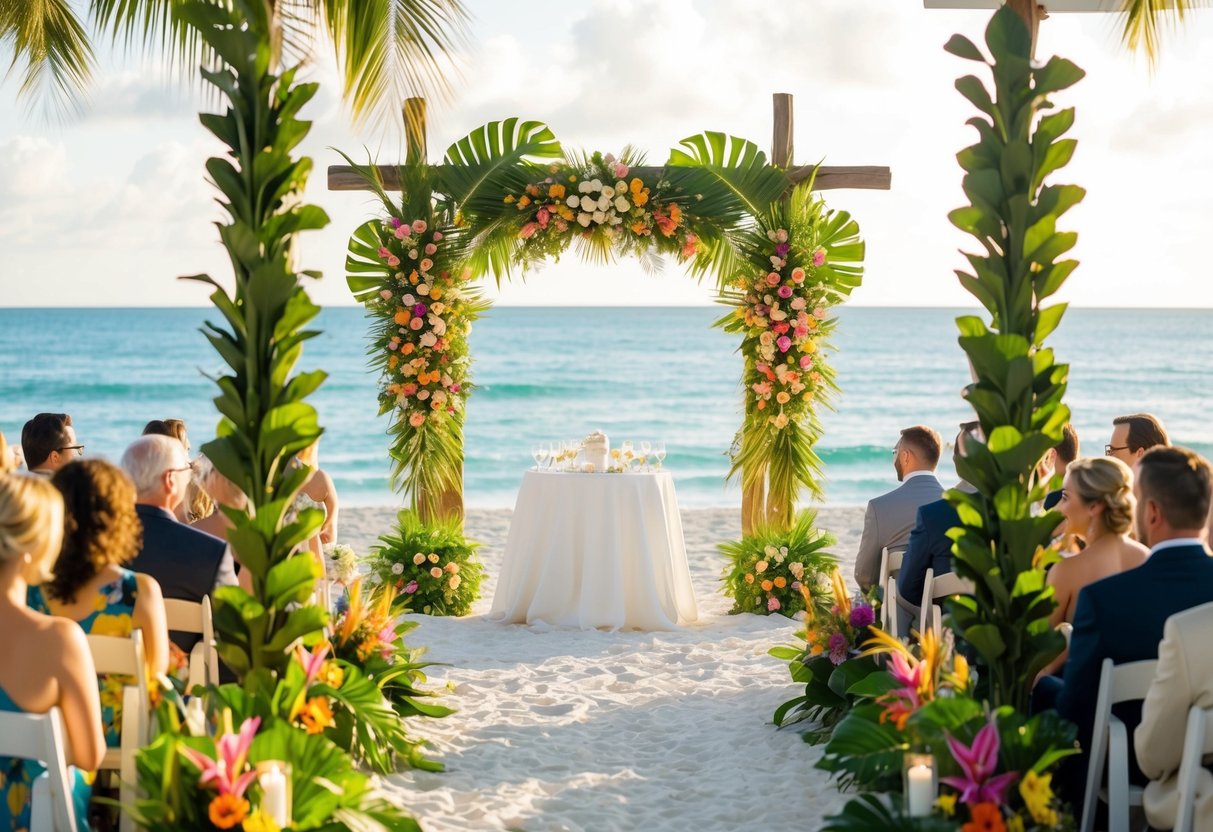
When planning your destination wedding, think about how to make your guests feel special and included. Creating memorable experiences can involve organizing group activities and providing clear information through a wedding website.
Planning Welcome Parties and Group Activities
Welcome parties are a great way to kick off your wedding festivities. You can set the tone for the entire celebration by hosting a relaxed event where guests can mingle. Consider casual settings like a beach bonfire or a local restaurant.
Group activities provide your guests with a chance to bond. You might organize excursions that showcase the area, such as hiking or city tours. Other fun ideas are cooking classes or wine tastings.
Make sure to balance structured events with free time. This flexibility allows guests to explore on their own while still enjoying planned moments together.
Providing Clear Information via a Wedding Website
A wedding website helps you share details with your guests. It also makes it easy for them to understand logistics and what to expect.
Include information about your welcome party, rehearsal dinner, and any group activities. Then, add a section for travel tips and local attractions.
This gives your guests a chance to plan their own adventures. Make sure to include maps and links to activities, along with the schedule of events.
You can also use your wedding website to share save-the-dates and RSVP details. This keeps everything organized and makes it easy for guests to stay informed.