
Who Pays for Mother of the Bride Outfit? A Guide to Wedding Attire Costs
Planning a wedding involves many details, and one important question often arises: who pays for the mother of the bride outfit? In most cases, the mother of the bride is expected to cover the cost of her own outfit, although family traditions and personal circumstances can influence this. Understanding the expectations can help you feel more confident in your choices.

As the mother of the bride, this is your chance to showcase your personal style while supporting your daughter on her big day. The outfit you choose should reflect your taste and coordinate nicely with the wedding’s theme.
Don’t forget to communicate with the mother of the groom to ensure both outfits complement each other.
Discussing budget early in the wedding planning can help set clear expectations for everyone involved. This way, you can focus on picking an outfit that makes you feel fabulous without the stress of unexpected costs.
Traditions and Etiquette
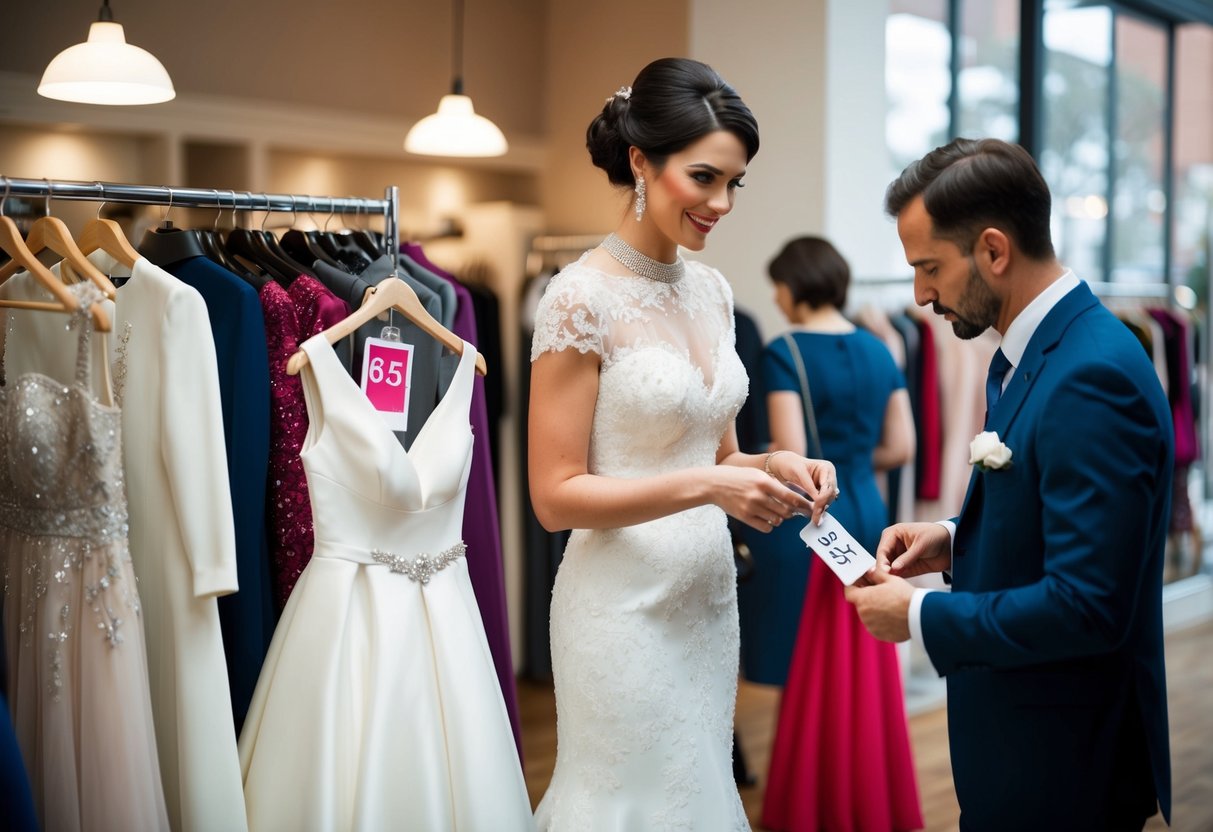
Understanding who pays for the mother of the bride’s outfit involves recognizing traditional roles and modern expectations. This can help you navigate the planning process more smoothly.
Who Traditionally Pays
Traditionally, the mother of the bride is responsible for purchasing her own outfit. This custom allows her to choose a style that fits her taste and complements the wedding theme. It recognizes her important role in the wedding planning process and her direct involvement in various details.
In many families, this tradition remains strong. The outfit typically includes the dress, accessories, and sometimes shoes. While the mother of the groom may also show interest in coordinating colors, the financial responsibility usually falls to the mother of the bride.
Modern Expectations
In today’s weddings, there are varied expectations regarding who pays for the mother of the bride’s outfit. While some mothers still buy their own clothes, others receive help from the couple or other family members.
In many cases, the bride might offer to cover part of her mother’s costs as a way to show appreciation. Discussing finances early on can help avoid misunderstandings later. Each family’s approach can differ based on their customs and financial situations, allowing for flexibility in modern wedding etiquette.
Ultimately, communication is key. Be sure to talk openly about expectations and contributions to create a supportive planning environment.
Planning the Mother of the Bride Outfit
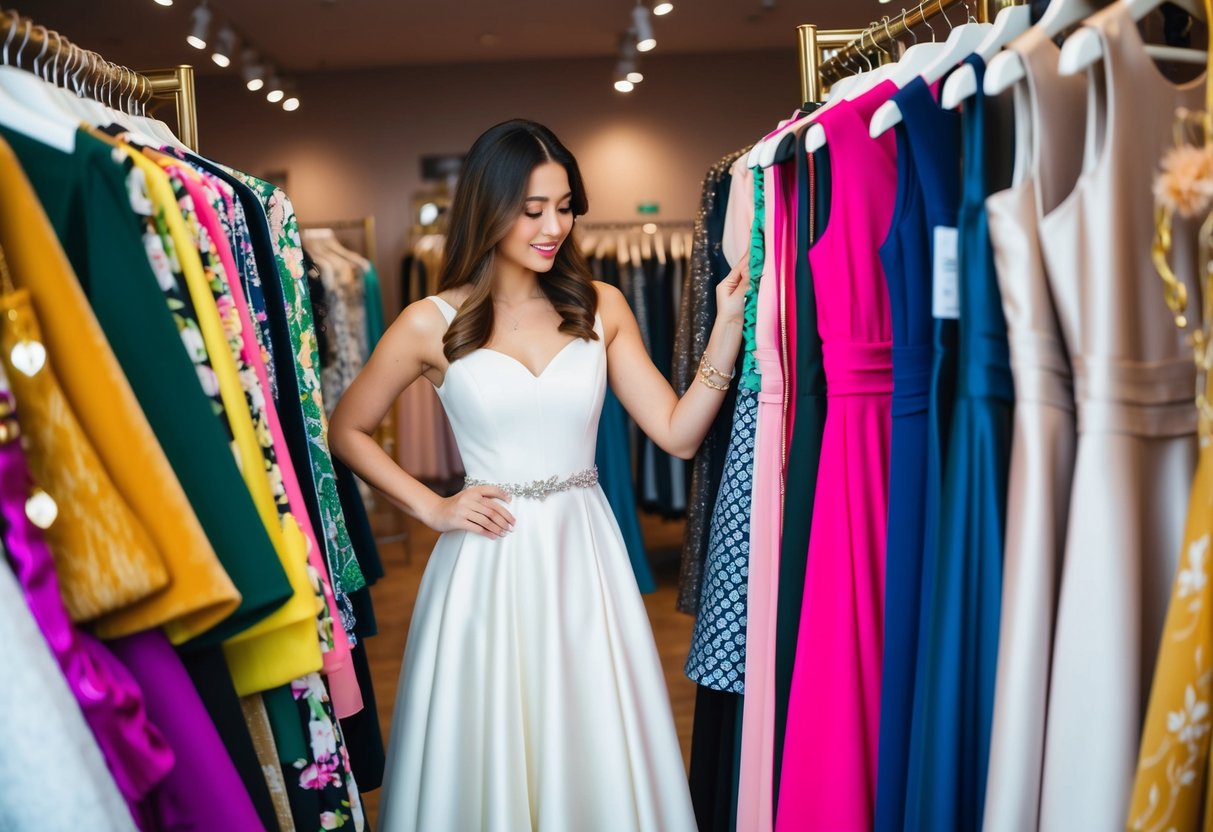
Planning the mother of the bride outfit involves careful consideration of style, coordination, and communication. You’ll want to ensure that your dress complements the wedding theme while making you feel confident and beautiful.
Choosing the Right Dress
When choosing your dress, think about the wedding’s formality and color scheme. Is it a formal evening event or a casual daytime affair? The dress length and style should match the overall vibe.
You may prefer a long gown for a formal celebration or a knee-length dress for a more relaxed setting.
Also, consider the fabric and comfort. Weddings can be long, so you want to feel good in what you wear. Try on several styles to see what flatters your figure and makes you shine.
Finally, check in with the bride regarding dress choices. She may have specific colors or styles in mind, especially if she has picked out the bridesmaids’ dresses.
Coordination With Wedding Party
Good communication is key to coordinating with the wedding party. Once you choose your outfit, talk to the mother of the groom and bridesmaids about what they plan to wear. This helps ensure that everyone’s attire works well together.
Consider sharing photos of your dress or ideas for colors and styles. This can create a cohesive look that enhances the wedding’s aesthetic. Don’t be afraid to discuss options; most brides appreciate input.
Also, keep in mind the dress code if it has been communicated. Whether it’s cocktail, formal, or casual, make sure your outfit aligns with this.
The Role of the Mother of the Groom
Your relationship with the mother of the groom is important during this process. It’s common courtesy for you to inform her about your dress choice. This can help her choose an outfit that complements yours.
A respectful conversation allows both of you to align your styles and colors. This doesn’t mean you need to match but aiming for a cohesive look can be meaningful.
Finally, remember that you are both part of the wedding celebration. Supporting each other in attire choices fosters a positive atmosphere for the special day. Don’t hesitate to reach out with ideas or suggestions; collaboration can lead to beautiful results.
Additional Costs to Consider

When preparing for the wedding, there are several extra costs to keep in mind besides the outfit itself. These expenses can add up, so it’s essential to plan ahead.
Accessories and Essentials
You may want to enhance your wedding day look with carefully chosen accessories. This can include items like jewelry, shoes, and a clutch.
- Jewelry: Simple earrings or a necklace can elevate your outfit. Depending on your preference, prices can vary widely.
- Shoes: Comfortable yet stylish shoes are a must. Look for ones that match your outfit but also allow you to enjoy the day without discomfort.
- Corsages: A corsage can be a lovely touch. Prices typically range from $15 to $50, depending on the flowers used.
Overall, having the right accessories can enhance how you feel on this important day.
Beauty Preparations
Don’t forget about your hair and makeup! Investing time and money into beauty preparations will help you feel confident.
- Hair: Consider hiring a stylist for the day. The cost can range from $50 to $200, depending on the style. Scheduling a trial run is also a great idea to see what looks best.
- Makeup: Professional makeup application can help you glow in photos. Many makeup artists charge between $50 and $150.
- Other Treatments: You might also want to plan for facials or manicures a few days before the event. These can provide an extra boost.
Planning for these additional costs ensures you look and feel your best on the big day.
Pre-Wedding and Wedding Day Activities
As the mother of the bride, you play an important role in both pre-wedding and wedding day activities. From planning the rehearsal dinner to supporting your daughter on her special day, your involvement helps create lasting memories.
Rehearsal Dinner
The rehearsal dinner is a key moment before the wedding. It typically takes place after the ceremony rehearsal and is a time for family and friends to gather. This dinner allows everyone to relax and connect before the busy wedding day.
You may help coordinate the venue and menu. It’s also common for guests to bring gifts for the couple, so be prepared to manage this. Also, think about how you want to look for the evening. Choose an outfit that is both stylish and comfortable.
Wedding Day Responsibilities
On the wedding day, your role becomes even more vital. You’ll want to ensure everything runs smoothly. This includes helping your daughter get ready and making sure she has her bridal essentials, like the marriage license.
Being present to support her emotional needs is crucial, too. Throughout the day, touch base with vendors and assist with any last-minute details.
Your wedding day look should reflect the importance of the occasion while considering comfort. Dress in a way that allows you to enjoy the festivities with ease.