
Who Pays for Music at Wedding Reception? A Guide for Couples and Families
When planning your wedding, you should understand who pays for music at the reception. Typically, the couple pays for the music, but you may also want to think about contributions from both sets of parents. This way, you can make decisions together and stick to a budget that works for everyone.
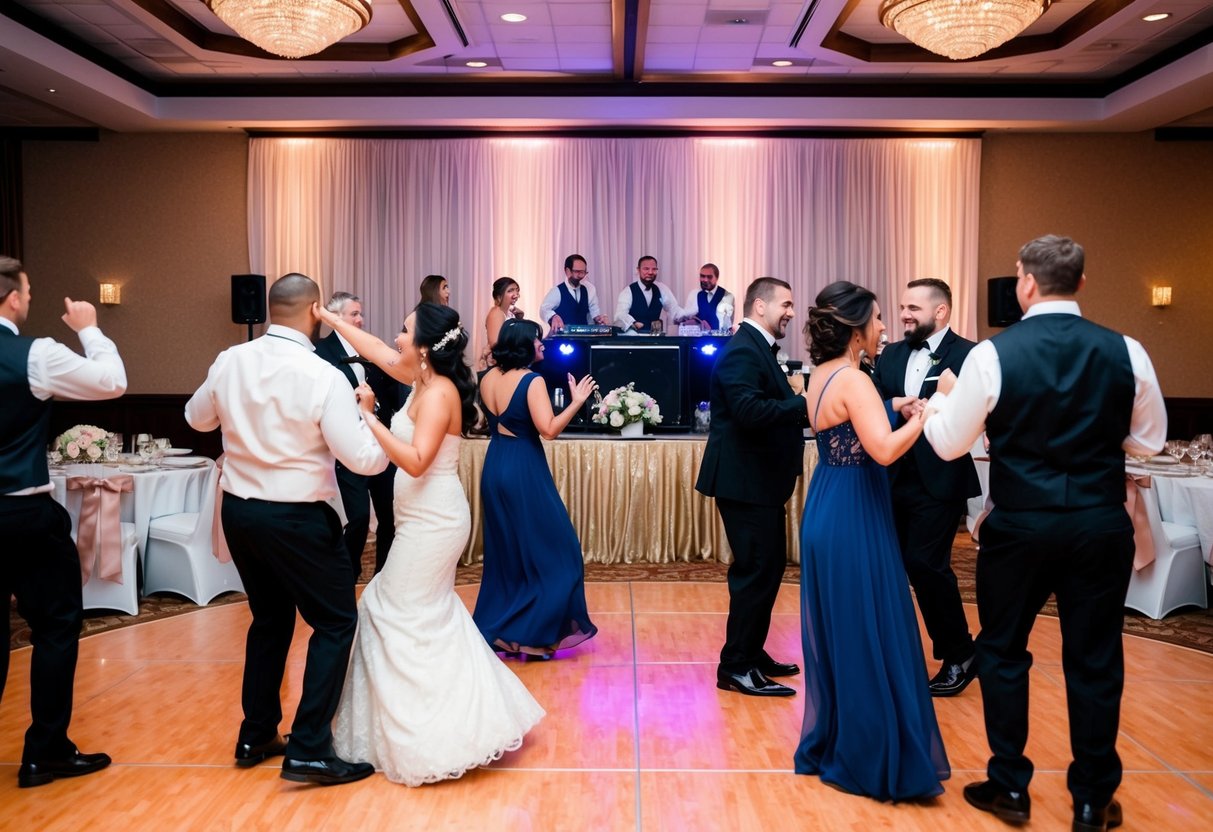
Wedding etiquette often guides financial contributions. Traditionally, the bride’s family covers most of the costs, including music, while the groom’s family might help with other expenses. Knowing these guidelines can ease the stress of planning and keep everyone on the same page as you dive into the details of your big day.
As you navigate through wedding planning, consider discussing your music preferences and budget with your family. This will help you stay organized and ensure that the right vibe is set for your special celebration. The more you communicate, the smoother the planning process will be.
Understanding Wedding Expenses

When planning your wedding, knowing how to allocate your budget wisely is essential. Understanding typical costs and who is responsible for these expenses can help you make informed decisions.
Allocating the Wedding Budget
Creating a wedding budget starts with listing all expenses. Common categories include venue, catering, attire, and entertainment.
Consider the following breakdown:
- Venue Costs: Rental fees for the reception and ceremony spaces.
- Catering: Food and beverages for guests.
- Entertainment: Music and other performances during the reception.
Discuss with family members who may contribute. Traditionally, the bride’s family covers most costs, but contributions from the groom’s family can also play a role. Clear discussions can prevent misunderstandings later.
Typical Costs and Who Covers Them
Many different expenses come with a wedding, and understanding who typically pays can help you plan better.
Common costs include:
-
The Bride’s Family usually pays for:
- Wedding gown and accessories
- Invitations and stationery
- Ceremony flowers
-
The Groom’s Family covers:
- Rehearsal dinner
- Groom’s attire
- Alcohol at the reception
Consider discussing music for the reception as well. While the bride’s family often pays for entertainment, some couples choose to split costs. Having clear communication about financial contributions will make planning much simpler.
Planning the Reception Music
Choosing the right music for your wedding reception is essential for setting the mood. You’ll want to create an unforgettable experience for you and your guests. It’s also important to understand the costs associated with hiring musicians or a DJ for your special day.
Choosing the Right Music for Your Reception
Start by thinking about your personal taste and what fits the theme of your wedding. You can go for a live band or a DJ. Each option has its benefits.
- Live Band: Offers a lively atmosphere. They can read the crowd and adapt the music accordingly.
- DJ: Can play a wider variety of songs and accommodate requests from guests.
Make a playlist of must-have songs, along with a few that should absolutely be avoided. It’s also helpful to share this with your wedding planner, ensuring everyone is on the same page.
Consider specific moments needing music, like your first dance or cake cutting, and choose songs that reflect those special moments.
Reception Music Costs
Understanding the costs of reception music is crucial for your wedding budget. The price can vary greatly based on your choices. Here’s a basic breakdown:
- Solo Musicians: $150 to $400
- Small Bands (3-5 members): $1,000 to $3,000
- Full Bands (6+ members): $3,000 to $7,000
- DJ Services: $800 to $2,500
Don’t forget to factor in additional costs like travel expenses and equipment rentals. Discuss all details with your wedding planner to avoid surprises. Creating a detailed budget for reception expenses helps ensure everything runs smoothly, allowing you to focus on enjoying your special day.
Key Elements of the Wedding
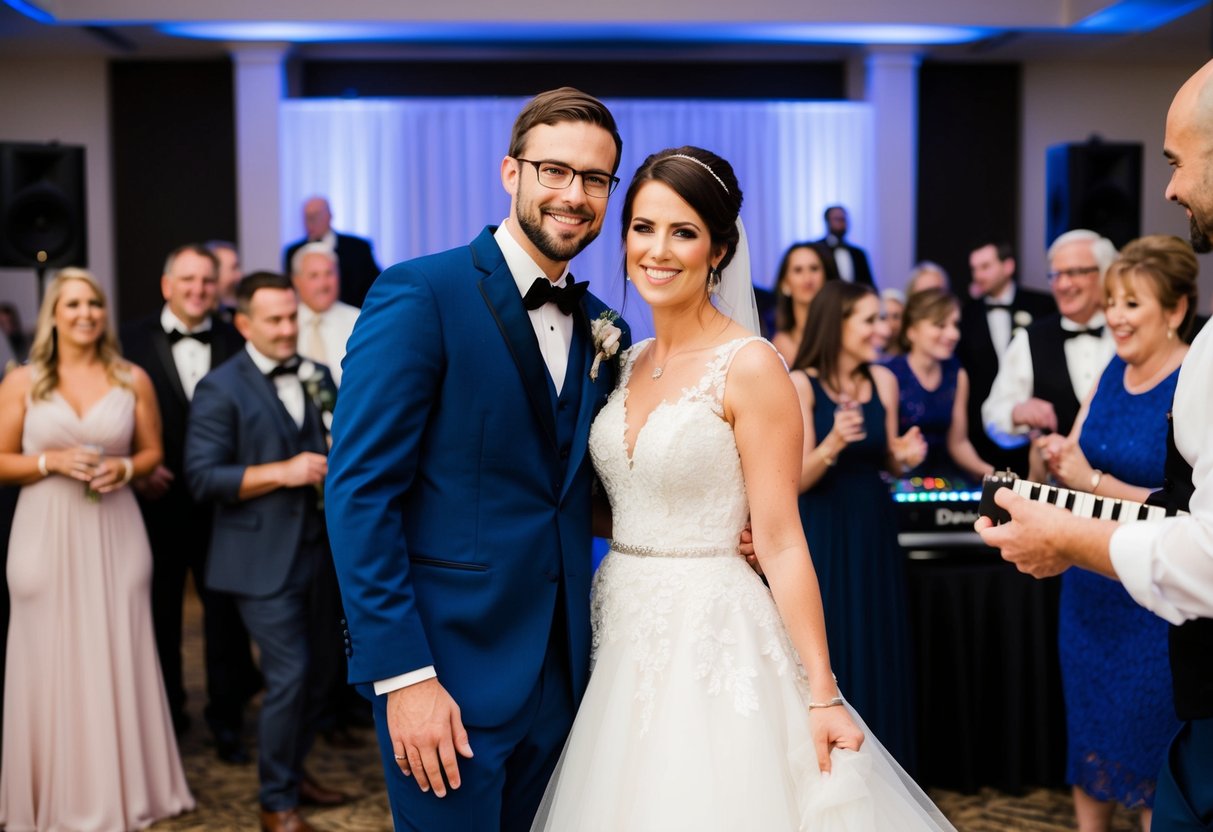
Planning a wedding involves various key elements that need attention to detail. These include attire, rings, official documents, and choices about the venue and catering. Understanding these can help ensure a smooth celebration.
Attire, Rings, and Official Documents
Your wedding day attire is crucial. The bride typically wears a wedding dress, which can be a significant expense. Don’t forget about accessories like shoes and jewelry. The groom should also choose a suit or tuxedo that fits the occasion.
Wedding rings are a meaningful symbol of your commitment. They are often budgeted separately from attire, so allocate funds accordingly. Additionally, you’ll need a marriage license, which requires visiting your local clerk’s office. The costs can vary, so check ahead.
Venue and Catering Considerations
Choosing a wedding venue involves many factors, including location and size. Make sure it can comfortably accommodate your guests, and consider the availability of parking attendants to help guests find spaces.
Catering is another essential aspect. You might choose to serve a wedding cake, which is often a centerpiece at the reception. When it comes to who pays for the cake, it traditionally falls to the bride’s family. Don’t forget to factor in costs for drinks and other meals. Clear budgeting will help you make the best choices.
Pre- and Post-Wedding Events

Planning events around your wedding is exciting and important. These gatherings help you celebrate with loved ones before and after your big day. Here are some key events to consider.
From Engagement to Honeymoon
Your journey begins with the engagement party. This casual event allows family and friends to celebrate your engagement. Often, the hosts pay for this gathering.
Next comes the bridal shower. This is typically hosted by friends or family and focuses on gifting items the bride may need. Remember to send out invitations early.
The rehearsal dinner is a key moment before the wedding. The groom’s family usually covers this expense, which is a wonderful way to bond with your wedding party.
After the wedding, many couples look forward to their honeymoon. You might ask, “Who pays for the honeymoon?” Traditionally, it’s sponsored by the couple. Make sure to budget for this special getaway to avoid surprises.
Common mistakes to watch for include not planning enough time for each event or overspending on invitations and decor. Keeping things simple can help you enjoy each experience.