
Who Pays for the Groom’s Suit in a Wedding? Understanding Costs and Traditions
When planning a wedding, you may wonder who covers the costs for the groom’s suit. Traditionally, the groom pays for his own suit, but this can vary depending on personal choices and financial situations. As a groomsman or the groom, understanding the expectations around these costs can help eliminate any confusion during the planning process.

In recent times, groomsmen covering their own suits has become common. This shift in wedding etiquette reflects changing financial realities and personal preferences. Knowing who pays for what can ease the pressure and allow everyone to focus on the special day ahead.
Navigating the costs associated with wedding attire doesn’t have to be stressful. Clear communication between the groom and his groomsmen can lead to a fair understanding of financial responsibilities. This makes the wedding planning experience smoother and more enjoyable for everyone involved.
Understanding Wedding Attire Responsibilities
When planning for a wedding, it’s essential to know who is responsible for the groom’s attire. This can vary based on whether you follow modern trends or stick to traditional customs. Let’s break down these differences and clarify financial responsibilities.
Modern Weddings vs. Traditional Etiquette
In modern weddings, many couples choose to share expenses, which can include the groom’s suit. Couples might decide that the groom pays for his own tuxedo from personal funds or a shared account. This approach gives you and your partner flexibility in style and budget.
In contrast, traditional etiquette often places the financial burden on the groom. He typically covers the cost of his suit and the groomsmen’s attire. This might include items like ties, pocket squares, or accessories. You should communicate with your groomsmen about what they need to pay for, as some may not know the customs.
Financial Responsibility for the Groom’s Attire
Traditionally, the groom is expected to pay for his own tuxedo. This can come from personal finances or a joint wedding budget with the bride. The suit choice is often his decision, which allows for personal style to show through.
If groomsmen are included in the attire budget, discuss their contributions early on. Some might need to rent their suits, which can be less expensive than buying one. Clarifying these financial responsibilities ahead of time helps everyone understand their commitments. By communicating openly, you can reduce confusion and ensure a smoother planning process.
Options for the Groom’s Suit
When planning for your wedding, choosing the right suit is crucial. You have several options to consider, each with its own benefits and drawbacks. This decision can shape your comfort, style, and budget for the big day.
Renting vs. Buying a Suit
Deciding whether to rent or buy your suit is a key choice. Renting a suit can be budget-friendly, often costing less than purchasing one. Most rental shops provide various styles and sizes, making it easy to find something that fits your needs.
Advantages of Renting:
- Cost: Usually cheaper than buying.
- Variety: Access to a range of styles.
- No Maintenance: Returns are hassle-free.
On the other hand, buying a suit offers the chance to tailor it exactly to your body. Investing in a suit can also provide a piece you can wear for future events, making it a more valuable choice in the long run.
Benefits of Buying:
- Customization: Tailoring for a perfect fit.
- Longevity: A suit you can wear multiple times.
Factors Influencing the Groom’s Attire Choice
Your choice of suit will depend on various factors. Consider the theme of your wedding, the season, and your personal style. A formal wedding may call for a tailored tuxedo, while a casual ceremony might suit a lighter, more relaxed look.
Other Important Considerations:
- Budget: Set a clear budget early on.
- Comfort: Think about how the suit feels, especially if you’ll wear it all day.
- Style: Ensure the suit reflects your personality and complements the wedding’s color scheme.
Consulting with your partner can also help align your attire choices, ensuring that both of you feel confident on your special day.
Re-Wear Potential and Long-Term Value
Re-wear potential is a significant aspect when choosing your suit. If you buy, think about occasions where you might wear it again, such as parties, graduations, or other weddings.
Suits with High Re-Wear Potential:
- Classic Colors: Navy, gray, or black suits are versatile.
- Simple Styles: A well-fitted suit can work for many events.
When considering renting, keep in mind that you won’t have the option to wear that specific suit again. Think about what fits best with your lifestyle and how often you might need a suit in the future.
Groomsmen Attire Coordination
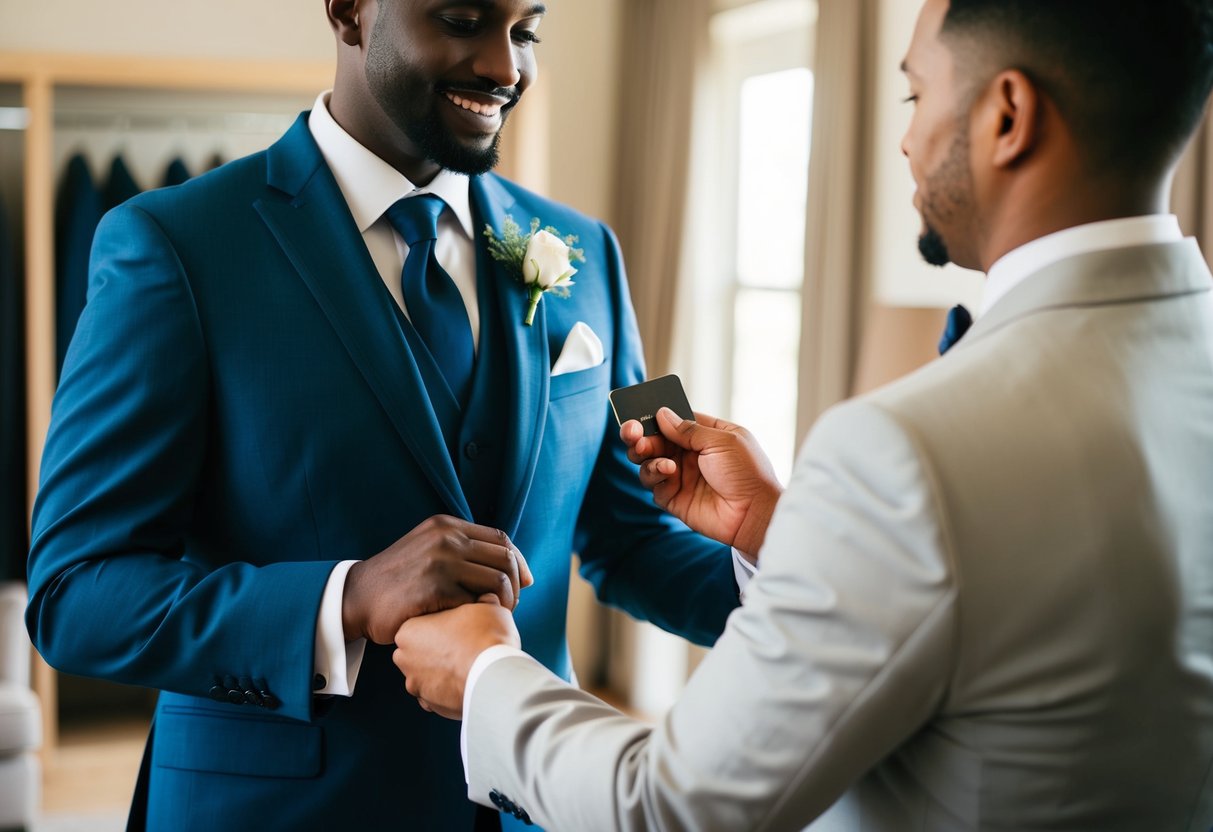
Coordinating groomsmen attire is important for creating a polished look at your wedding. This involves ensuring that the suits chosen align with your vision and that all groomsmen understand their roles in the process.
Matching Suits for a Cohesive Look
Choosing matching suits is key for a cohesive appearance on your big day. You want to ensure that all groomsmen look unified. Consider selecting a specific color and style that complements the overall wedding theme. Discuss options with your groomsmen early on to gauge their preferences.
To make choices easier, create a list of potential suits. This can include specifications like fabric, color, and fit. Also, consider the overall mood of your wedding. A formal event might call for sleek tuxedos, while a casual gathering might be better suited for lighter, more relaxed suits.
Duties in Organizing Groomsmen Suits
Clear communication is essential when organizing groomsmen suits. Start by outlining your expectations and desired styles. You might want to designate one groomsman as the point of contact to help relay information. This person can assist in gathering measurements and keeping track of rental deadlines.
Make sure to discuss costs upfront. Whether suits are being rented or purchased, it’s important everyone is on the same page financially. This helps avoid any misunderstandings later. Setting a deadline for suit orders will also help ensure that everything is ready for the big day, allowing for any last-minute adjustments.
Tying the Theme Together
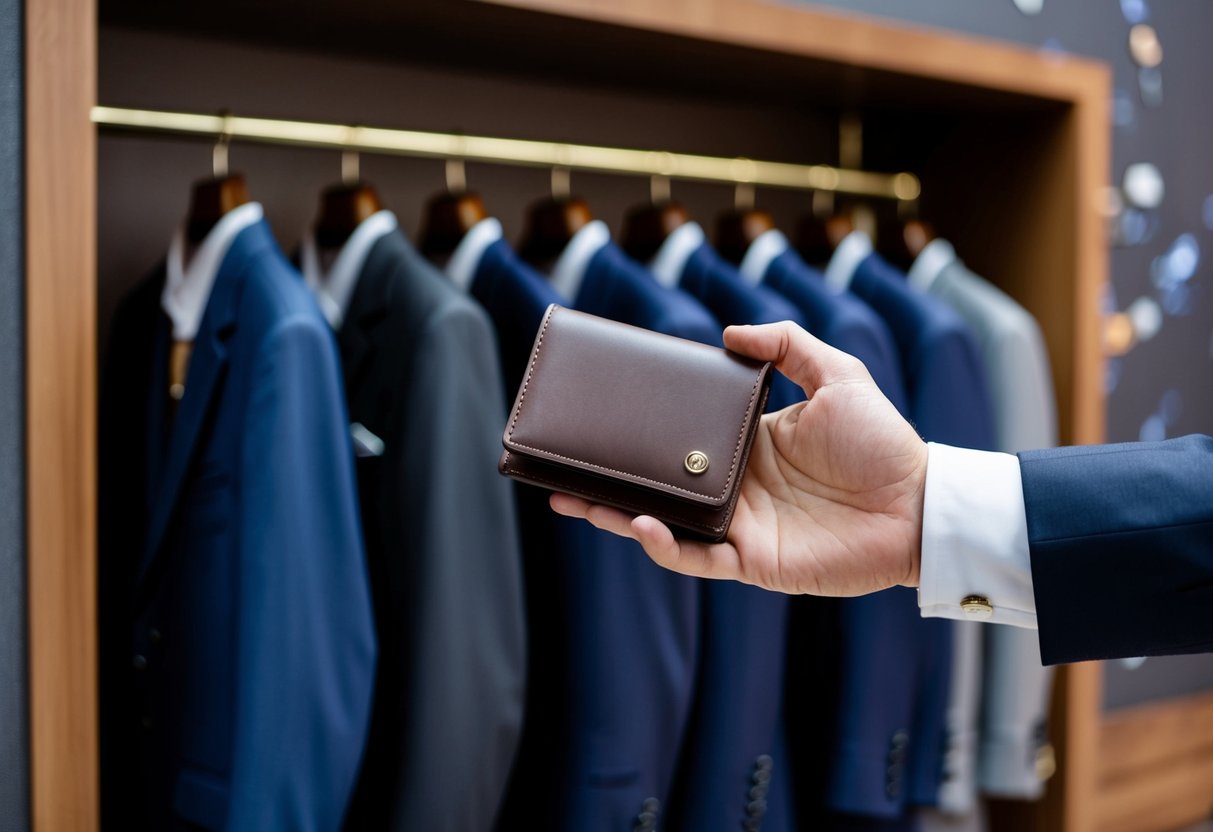
When planning your wedding, it’s essential to ensure that the attire aligns with your chosen theme. The right decisions in this area will enhance the overall experience and visual appeal of your special day. Pay attention to details in both the groomsman’s attire and your own outfit.
Incorporating the Wedding Theme into Attire
Consider how your wedding theme influences the colors and styles of your attire. If you have a rustic theme, earthy tones and classic fabrics may work best. For a beach wedding, lightweight materials and lighter colors create a relaxed vibe.
You might want to choose suits that mirror these colors or materials. For example, if you’re using navy and blush as your colors, select a suit in a matching shade. Accessories, like ties and pocket squares, can also reflect your theme. Adding touches like floral patterns or light fabrics can enhance the overall look.
Ensuring Consistency Across Wedding Elements
Consistency is key to making your wedding visually appealing. Make sure the groomsmen’s suits complement not just your attire but also the bridesmaids’ dresses and other decorations. Discuss the choices together to create a united look.
Making a checklist helps streamline this process. Here’s a simple list to guide you:
- Color Palette: Match your suit and accessories with the wedding colors.
- Fabric Types: Keep fabric consistent. For example, have all suits in breathable materials for a summer wedding.
- Accessories Coordination: Ensure ties, cufflinks, and boutonnieres match the theme.
By tying these elements together, you will strengthen the entire atmosphere of your wedding.