
Who Pays for the Honeymoon? Exploring Modern Traditions
Deciding who pays for the honeymoon can feel like one of those age-old dilemmas that come with planning a wedding. Traditionally, it was the groom’s responsibility to handle this expense. Yet, in today’s world, many couples choose to share the cost or look for creative alternatives that fit their unique circumstances.
For some couples, the honeymoon is an opportunity to ease into married life with a shared financial commitment. Others might have family members who are eager to contribute as a gift to the new couple.
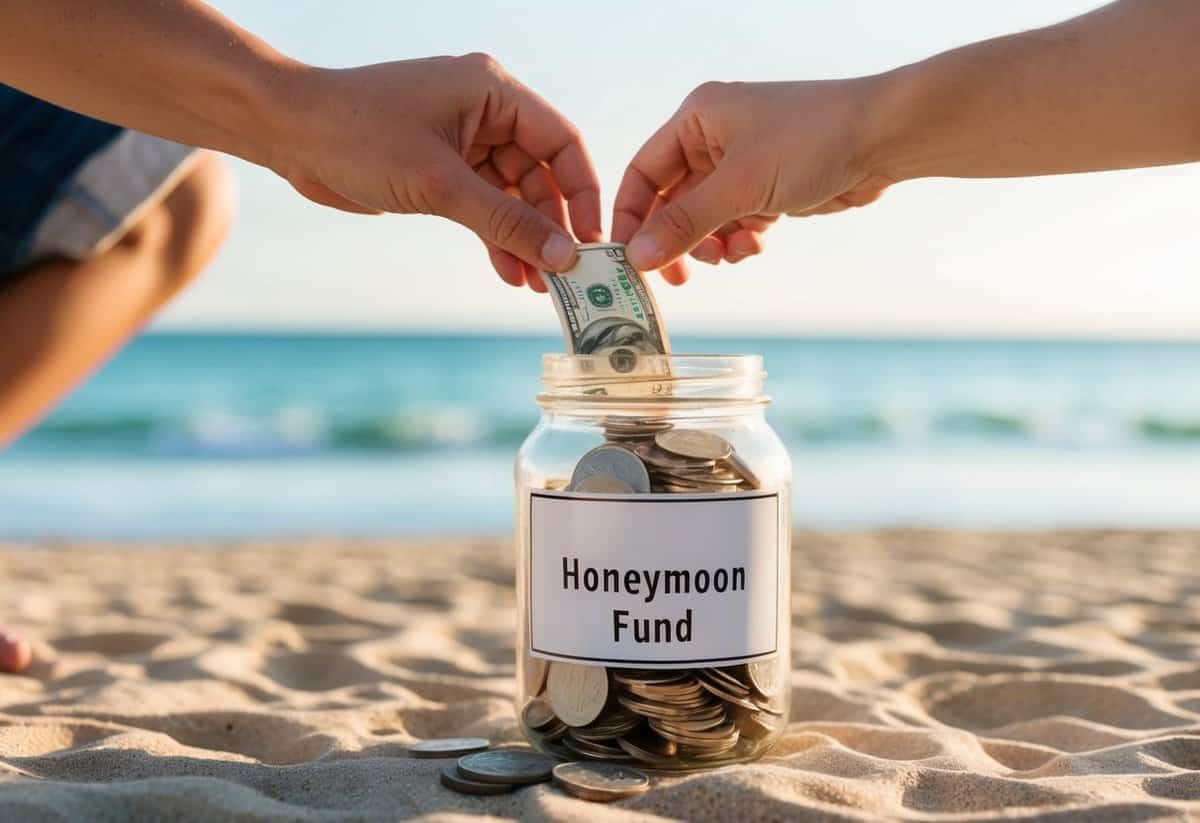
One trend gaining popularity is creating a honeymoon registry. Instead of traditional gifts, guests can contribute to the couple’s trip, allowing friends and family to have a hand in planning a memorable start to their marriage. This approach can alleviate financial stress and include loved ones in the couple’s journey, while also embracing new ways to handle wedding traditions.
Who Traditionally Pays for the Honeymoon?

Traditionally, the honeymoon expenses were divided based on societal norms and family traditions. Expectations for who pays have evolved, but certain family roles remain significant.
Cultural Expectations and Changes
In earlier times, the groom’s family was typically expected to cover the cost of the honeymoon. This tradition stemmed from the notion that the bride’s family shouldered much of the wedding expenses. Over time, societal norms have changed. Many couples now opt to share the cost themselves.
In some cultures, contributions may come from extended family members. Modern weddings often involve creative financing like crowdfunding, allowing couples to plan a honeymoon without relying solely on family support.
Bride’s Family Responsibilities
Traditionally, the bride’s family bore the main financial burden of the wedding. This extended to costs like venues, catering, and decorations. They rarely contributed directly to the honeymoon, focusing mainly on wedding expenses.
However, in some cultures, the bride’s family may offer a gift that helps ease the honeymoon costs. Today, these roles can shift, depending on the family dynamics and agreements between both sides.
Groom’s Family Contributions
Historically, the groom’s family would finance the honeymoon as a gesture of support. The groom and his parents often organized and paid for this post-wedding vacation. This tradition was based on a clear division of responsibilities, with the groom’s family covering travel and accommodation expenses.
Currently, with modern weddings evolving, parents may still contribute, but couples frequently take charge of planning and financing their trips. Financial contributions from the groom’s side may vary, reflecting changes in family roles and expectations.
Planning and Budgeting for the Honeymoon

Planning a honeymoon involves balancing various expenses. It is crucial to understand total wedding costs, set up a designated fund, and allocate money effectively. Prioritizing what is important helps in making informed decisions.
Assessing Total Wedding Costs
Understanding the overall wedding budget is the first step in planning a honeymoon. Couples should sit down and list all potential wedding expenses, like venue, catering, attire, and photography. This helps clarify how much can be safely spent on a honeymoon.
Being realistic about these costs is important. Using a budgeting tool or spreadsheet can assist in keeping track of all expenses.
Once total wedding costs are clear, couples can identify areas to cut back, freeing up more money for the honeymoon.
Setting Up a Honeymoon Fund
Creating a specific honeymoon fund can simplify saving for the trip. Couples might encourage guests to contribute to this fund instead of buying traditional gifts.
This can be done through registry services that cater to honeymoon funding. Setting up a bank account specifically for honeymoon savings can also be helpful. It keeps the funds organized and separate from other wedding expenses. The couple can then track contributions and feel more in control of their financial planning.
Allocating Funds Between Wedding and Honeymoon
Deciding how much to spend on the wedding versus the honeymoon can be a tricky balance. Couples should discuss their priorities openly.
This might involve deciding whether they want a more lavish wedding ceremony or a grander honeymoon. A useful approach is to list desired honeymoon experiences and their costs. This gives the couple a clearer picture of what they can afford without sacrificing important wedding elements. Flexibility with this balance helps ensure both the wedding and honeymoon are memorable.
Creative Ways to Finance the Honeymoon

Couples planning their dream honeymoon can explore several innovative ways to fund the trip. They can set up a dedicated honeymoon registry, redirect wedding gifts towards travel expenses, or use personal savings and monetary gifts from family and friends.
Honeymoon Registries
A honeymoon registry allows couples to ask wedding guests to contribute to their travel fund. Rather than using a traditional wedding registry for home goods, couples can register for experiences like flights, accommodations, or special dinners.
Popular websites such as The Knot offer honeymoon registries that simplify the process. Registries let guests feel involved in the newlyweds’ journey by funding specific parts of the trip. This adds a personal touch to their gift. Many couples appreciate how these platforms break down expenses into smaller, affordable contributions that guests find convenient to support.
Wedding Gifts Towards Honeymoon
Sometimes couples prefer to use traditional wedding gifts for their honeymoon. One way to do this is by making it known that they would appreciate cash or checks as gifts.
Clear communication is key, so couples may mention their preference on the wedding invitation or during an engagement party. Wedding guests often welcome the chance to contribute to a meaningful experience rather than purchasing household items. It’s important for couples to graciously thank guests for their contributions, making them feel valued and appreciated.
Personal Savings and Monetary Gifts
Relying on personal savings is another practical approach for financing a honeymoon. Couples can set a budget early in their engagement and allocate funds monthly toward the trip. This helps in managing expenses without feeling overwhelmed.
Additionally, monetary gifts from family and close friends can be directed towards the honeymoon. Sometimes parents or close relatives may offer to sponsor part of the trip as well. Having open discussions about their travel plans can lead couples to receive unexpected financial support, making for a memorable honeymoon.
Key Costs Associated With Weddings and Honeymoons

Weddings and honeymoons involve several major costs that couples must consider. From planning the rehearsal dinner to capturing memories with a photographer, understanding these expenses can help manage the budget and reduce stress.
Revisiting Rehearsal Dinners
The rehearsal dinner is often held the night before the wedding. It’s a chance for the couple, their families, and the wedding party to relax and rehearse parts of the ceremony. Costs can include venue rental, food and drinks, and any special entertainment or decorations.
Choosing an informal setting, like a family member’s home, can save money. Catering and beverages can also add up, so many opt for a simple menu. Personal touches like a slideshow or heartfelt speeches can make the event memorable without additional expenses.
Wedding Day Essentials
Key essentials for the wedding day are numerous, involving everything from transportation to attire. Wedding day transportation could mean booking a limo or a classic car. The wedding dress and wedding rings are major purchases that often take a large portion of the budget.
Hiring a professional wedding photographer is also crucial. Photos capture special moments meant to last a lifetime and help preserve memories. With so many elements, couples should carefully plan and prioritize based on their vision and budget, ensuring everything aligns with their expectations.
Post-Wedding Expenses
After the wedding, couples typically embark on a honeymoon to celebrate their union. Costs are largely determined by the chosen honeymoon destination. Flights, accommodations, and daily expenses can vary widely depending on the location.
Some couples might allocate their honeymoon budget separately from wedding expenses. Others choose to spend less on the ceremony to enjoy a more lavish trip. Discussing costs and managing expectations before booking can ensure the honeymoon is both enjoyable and financially manageable.
Etiquette for Discussing Honeymoon Funding

Proper communication is key when discussing honeymoon funding. It’s important to balance tradition with modern practices while being considerate of family and friends.
Communication With Family and Guests
Discussing honeymoon funding with family and friends requires sensitivity and clarity. Traditionally, the groom or his family would cover costs. Today, many couples, wanting to be financially independent, might prefer honeymoon funds.
It’s best to talk openly with family members about expectations and traditions. This helps avoid misunderstandings and ensures everyone’s on the same page.
When reaching out to guests, consider how to convey your wishes politely. Mentioning a honeymoon fund can be tricky. Avoid putting requests in the wedding invitations, as it may seem impersonal.
Instead, include a brief note or link to a personal honeymoon registry on your wedding website. This approach feels more personal and thoughtful.
When to Have the Conversation
Discussing honeymoon funding requires good timing. Addressing the topic early in the wedding planning process ensures more time for adjustments and decisions. After the engagement ring is exchanged and plans begin, consider having financial conversations with family. This timing allows discussions on wedding costs, potential challenges, and solutions.
For guests, ensure the honeymoon fund details are clear well ahead of the wedding date. People need time to plan their gifts, whether they’re contributing to the fund or choosing traditional wedding party gifts. Having this conversation a few months before the big day provides ample notice without feeling rushed. It helps guests feel included in the celebration without pressure.