
Who Pays for the Husband’s Wedding Ring? Exploring Traditions and Modern Practices
When planning your wedding, you may wonder about the costs associated with rings and who should pay for them. Traditionally, each person pays for the other’s wedding band, promoting the idea of equality in marriage. In many modern weddings, couples often choose to buy their own rings, reflecting their personal styles and preferences.
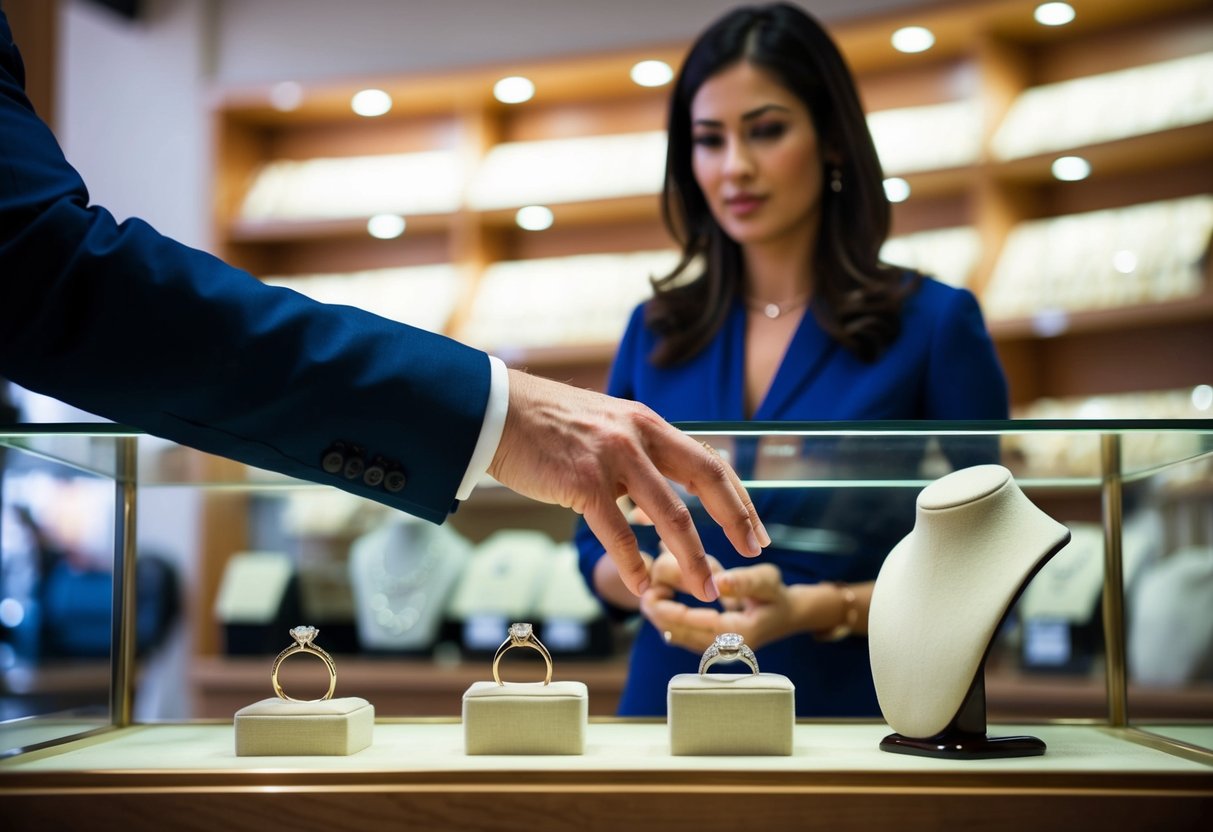
As you consider this aspect of your wedding plans, think about both traditional expectations and your unique relationship. The decision should come down to what feels right for you and your partner.
Discussing your choices openly can help you navigate the various traditions and modern practices associated with wedding bands.
Whether you follow tradition, embrace modern customs, or create new ones, knowing who pays for the husband’s wedding ring is essential. This decision can set the tone for your commitment, making it a meaningful part of your wedding journey.
Understanding Wedding Band Expenses

When planning for a husband’s wedding ring, it’s essential to consider the costs and choices that fit your budget and style. Understanding these expenses can help you navigate this important purchase smoothly. Here are key factors to consider.
Typical Costs and Budgeting for Wedding Rings
The cost of wedding bands can vary widely. On average, you might spend between $200 to $2,000 based on factors like design and metal type.
When budgeting, consider setting aside around 3% of your overall wedding budget specifically for wedding rings. This can help you prioritize your spending.
Make a list of your top choices and compare prices from different jewelers. This way, you can see what fits your budget without sacrificing quality.
Metal Type and Design Considerations
The type of metal you choose significantly affects the cost and look of the wedding band. Popular options include:
- Yellow Gold: Classic and timeless, usually more affordable.
- White Gold: Modern and elegant, often coated with rhodium for a shiny finish.
- Rose Gold: Offers a romantic touch with its pink hues, becoming increasingly popular.
- Platinum: Very durable and rare, typically the most expensive choice.
Design options also play a role. Simple bands are less costly, while intricate designs with stones can increase the price.
Think about what reflects your personality and style, as this ring will hold sentimental value for years to come.
Deciding Who Buys the Husband’s Wedding Band

When deciding who pays for the husband’s wedding band, it’s good to consider both historical customs and modern financial practices. Many couples now view this decision as a joint investment, reflecting their shared commitment.
Historical Perspective on Wedding Expenses
Traditionally, the bride’s family was responsible for buying the groom’s wedding ring. This custom represented a symbolic exchange between families. The idea was that both spouses would invest in each other, emphasizing a mutual commitment.
In some cultures, the groom would also purchase the bride’s ring. This created a balanced view on financial responsibilities.
Understanding these traditions can help you appreciate how values around wedding expenses have changed.
Modern Approach to Financial Responsibilities in Weddings
Today’s couples often take a different route regarding wedding expenses. Many opt to split the cost of wedding bands. This change reflects a more equal partnership between both spouses.
You may also consider your financial situation. If one of you is a primary breadwinner or has more savings, that person might take on a larger share of the expenses.
Communication is key. Discuss your finances and decide on an arrangement that feels fair to both of you.
Letting your values and financial realities guide this choice can strengthen your bond.
Customs and Communication in Selecting Wedding Bands
Choosing wedding bands involves understanding customs and ensuring clear communication between partners. You and your partner can navigate this special process more smoothly when you consider these important aspects.
The Role of Engagement Rings in Wedding Planning
Engagement rings hold significant meaning in wedding planning. Often, they symbolize love and commitment, making them a crucial part of the journey to marriage.
Many couples view the engagement ring as a precursor to selecting wedding bands.
When you choose your wedding bands, consider how they will complement the engagement ring. Matching wedding bands can enhance the overall look and style.
Discuss your preferences early in the process to ensure the rings reflect your shared taste. It’s helpful to bring your engagement ring when shopping for wedding bands, so you can see how they pair together.
Importance of Open Communication Between Partners
When selecting wedding bands, both partners need to communicate openly. Discussing budget, style, and personal preferences helps both partners feel included in the decision-making process.
Make a list of what you both want in your rings. Whether it’s metal type, stone shape, or design, listing your preferences will make the process easier.
Consider setting aside time to visit jewelry stores together. This can be a fun experience, allowing you to explore various options.
A wedding planner can also assist in coordinating timelines for selections. Make sure you and your partner share your thoughts honestly. This will create a stronger bond and make the selection process enjoyable for both of you.