
Who Pays for the Wedding in Spain? Understanding Traditional Costs and Contributions
In Spain, traditional customs often dictate wedding expenses. These customs vary by region, but there’s a common theme you’ll notice. Typically, the bride’s family bears the majority of the costs, including the dress, invitations, and most of the celebration. Meanwhile, the groom’s family usually covers the marriage license and officiant fees.
Understanding these responsibilities can help you navigate the planning process with ease and clarity.
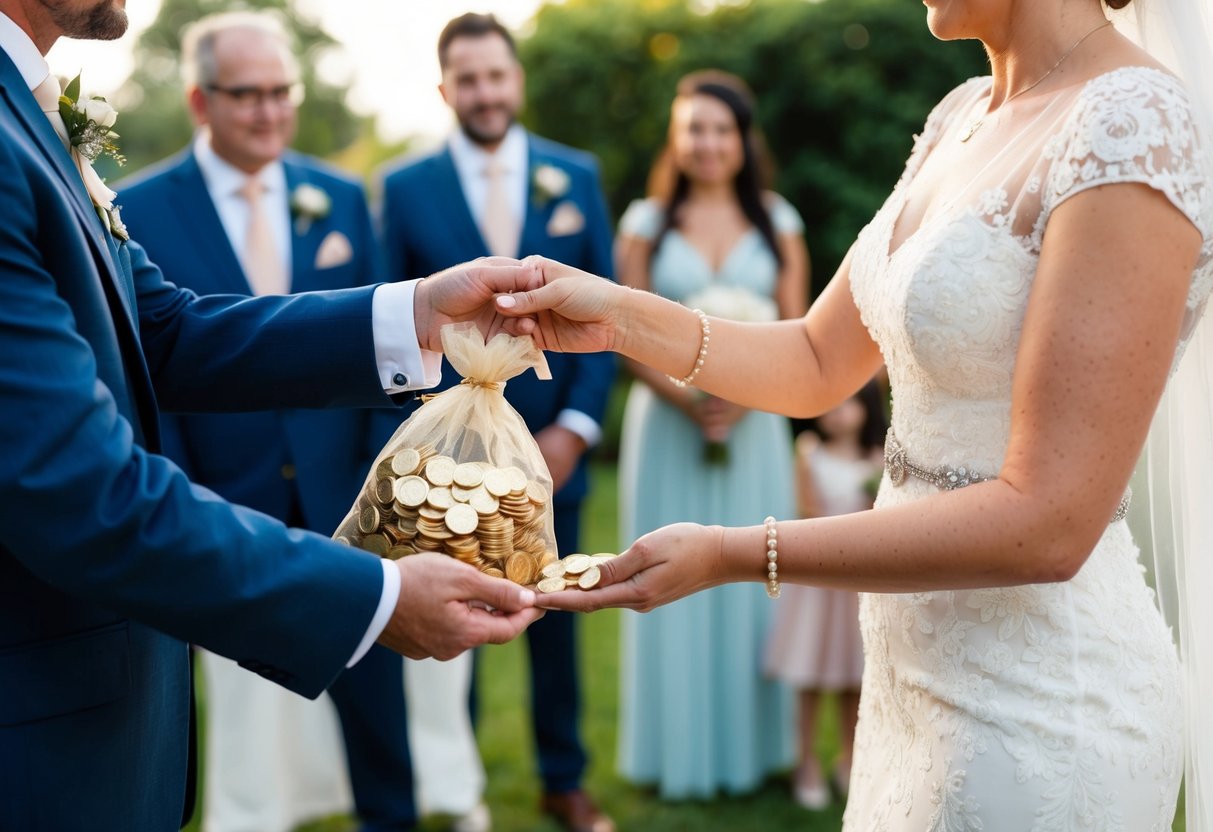
If you’re planning a wedding in Spain, it’s important to be aware of the regional customs that might affect who pays for what. Many couples integrate these traditions into their special day, celebrating both their love and their heritage. Doing so not only honors Hispanic culture but also creates a memorable experience for everyone involved.
As you think about your wedding plans, remember that these customs can influence your budgeting and decision-making. With the right knowledge, you can blend tradition with your personal style, making your wedding uniquely yours while respecting the rich history of Spanish weddings.
Cultural Traditions and Who Pays
In Spanish weddings, cultural traditions play a big role in determining who pays for the wedding. Families often follow customs for financial responsibilities, which can vary by region and personal circumstances.
The Role of Padrinos y Madrinas
In Spain, padrinos (godparents) and madrinas have a special role in weddings. They are often close family or friends who support the couple. Traditionally, these individuals help cover specific costs, such as the wedding dress, rings, or even the reception.
Couples usually ask their chosen padrinos y madrinas to assist financially. This can lighten the financial load on both families. Being a padrino or madrina is considered an honor and signifies a deep connection to the couple. Their contributions can reflect their personal commitment to your marriage.
Financial Contribution Expectations
When it comes to who pays for the wedding, customs in Spain typically place the majority of costs on the bride’s family. This can include expenses like the venue, catering, and invitations. The groom’s family usually handles the marriage license and officiant fees.
Many modern couples, however, adapt these traditions to fit their situation. Some opt for a more balanced approach, sharing costs or setting up a joint account for wedding expenses. Understanding these expectations is crucial. It helps ensure everyone is on the same page regarding financial contributions.
Planning and Budgeting for the Wedding
Planning and budgeting for your wedding is crucial to ensure a smooth experience. You want to make the right choices while keeping your finances in check. Here are key considerations for establishing a budget, understanding costs, and the role of a wedding planner.
Establishing a Wedding Budget
Start by setting a realistic wedding budget. Think about how much you can spend and where the money will come from.
Consider contributions from both families. This can help relieve some financial pressure. It’s also a good idea to prioritize what matters most to you.
Make a list of essential expenses, such as the venue, catering, flowers, and photography. Don’t forget to set aside a contingency fund to cover unexpected costs. This allows for flexibility and can save you from stress later on.
Cost Breakdown for a Spanish Wedding
The average cost of a wedding in Spain can vary widely, typically falling between €15,000 and €30,000. Knowing where the money goes can help you plan better.
Here’s a simple breakdown of common expenses:
- Venue: 30-50% of the budget
- Catering: 20-30% of the budget
- Photography/Videography: 10-15%
- Flowers and Decor: 10-15%
- Attire: 5-10%
Consider specific local traditions that might affect costs. For instance, the bride’s family generally pays for many expenses, while the groom’s family covers the officiant and marriage license. Knowing these details can help you budget more effectively.
Role of the Wedding Planner
Hiring a wedding planner can be a smart move for your big day. They can help manage your budget and keep everything organized.
A planner understands the local wedding scene and can provide insights on reliable vendors. This can save you time and stress.
They help you stick to your budget by recommending options that fit. Plus, they can negotiate prices and ensure you get the most for your money. With their expertise, you can avoid common pitfalls and focus on enjoying your special day.
Essential Wedding Expenses
Planning your wedding involves several key expenses. Understanding these essential costs can help you budget effectively. From securing a venue to picking out attire, here’s a look at what you need to consider.
Securing a Venue and Accommodations
The venue is one of the biggest expenses for your wedding. In Spain, you can choose from a variety of places, including beaches, castles, or rural estates. Prices range widely based on location and size.
Consider both the reception area and the ceremony site. Always factor in additional costs, such as furniture rentals and decoration. Accommodations for guests can add up too. Many couples reserve blocks of hotel rooms to get discounted rates.
Make sure to book early to ensure availability, especially during peak wedding season.
Wedding Attire and Rings
Your wedding attire is another important expense. This includes not just the bride’s dress but also the groom’s suit. On average, you can expect to spend anywhere from €1,000 to €3,000 on each. Don’t forget to budget for alterations, accessories, and shoes.
Wedding rings are key symbols of your commitment. The cost can vary based on materials and design. Expect to pay from €500 to €3,000 for a quality pair.
Consider visiting local jewelers for custom options that fit your budget and style.
Ceremony and Officiant’s Fee
The ceremony itself will have additional costs. You will need to pay an officiant, which can range from €200 to €600. Prices may vary depending on their experience and the type of ceremony.
Also, consider any venue fees associated with hosting the ceremony. Many places charge extra for ceremonies held on-site. You may want to include services like music, decorations, and any required permits in your budget.
Planning each component carefully ensures you have a beautiful day without unexpected costs.
Celebration and Post-Wedding Events
After the vows are exchanged, the celebration continues with various festivities and events that add joy to your wedding experience. These moments, including the reception, honeymoon, and pre-wedding parties, are essential for creating lasting memories.
Reception and Catering Details
The reception is a key part of your wedding day. Here, you and your guests can enjoy a meal, celebrate, and dance the night away. Typical options include a sit-down dinner, buffet, or cocktail-style service.
Consider creating a menu that reflects your personal tastes. You might include local dishes or traditional Spanish foods like tapas, paella, or churros.
Pay attention to the drinks as well. Offering a signature cocktail can add a personal touch.
Seating arrangements also play an important role; ensure everyone feels comfortable and included in the festivities.
Planning the Honeymoon
The honeymoon is a special time for you and your partner to unwind after the big day. Consider choosing a destination that aligns with your interests.
From a relaxing beach getaway to an adventurous trip exploring a new city, the options are endless.
Think about travel logistics and whether you want to leave right after the wedding or plan it for a later date. Setting a budget can help you narrow down choices.
Don’t forget to check for any travel requirements or restrictions at your chosen destination.
Engagement Party and Rehearsal Dinner
The engagement party is a fun way to kick off the wedding festivities. This event allows close family and friends to celebrate your engagement together. It can be intimate or more extravagant.
The rehearsal dinner typically occurs the night before the wedding. This casual gathering allows the wedding party and family to bond.
You can choose a restaurant, or host it at someone’s home or venue.
Make sure you prepare short speeches or toasts to share your gratitude with loved ones.
Both events set a joyful tone for the big day and enhance the sense of community among your guests.