
Who Pays for the Wedding Rings? A Guide to Tradition and Modern Choices
Choosing wedding rings is an exciting part of preparing for your big day, but it can also bring up questions about who pays for them. Traditionally, the bride’s family covers the cost of the groom’s wedding ring, while the groom pays for the bride’s ring. However, modern couples often share costs or buy their rings together, reflecting their commitment and partnership.
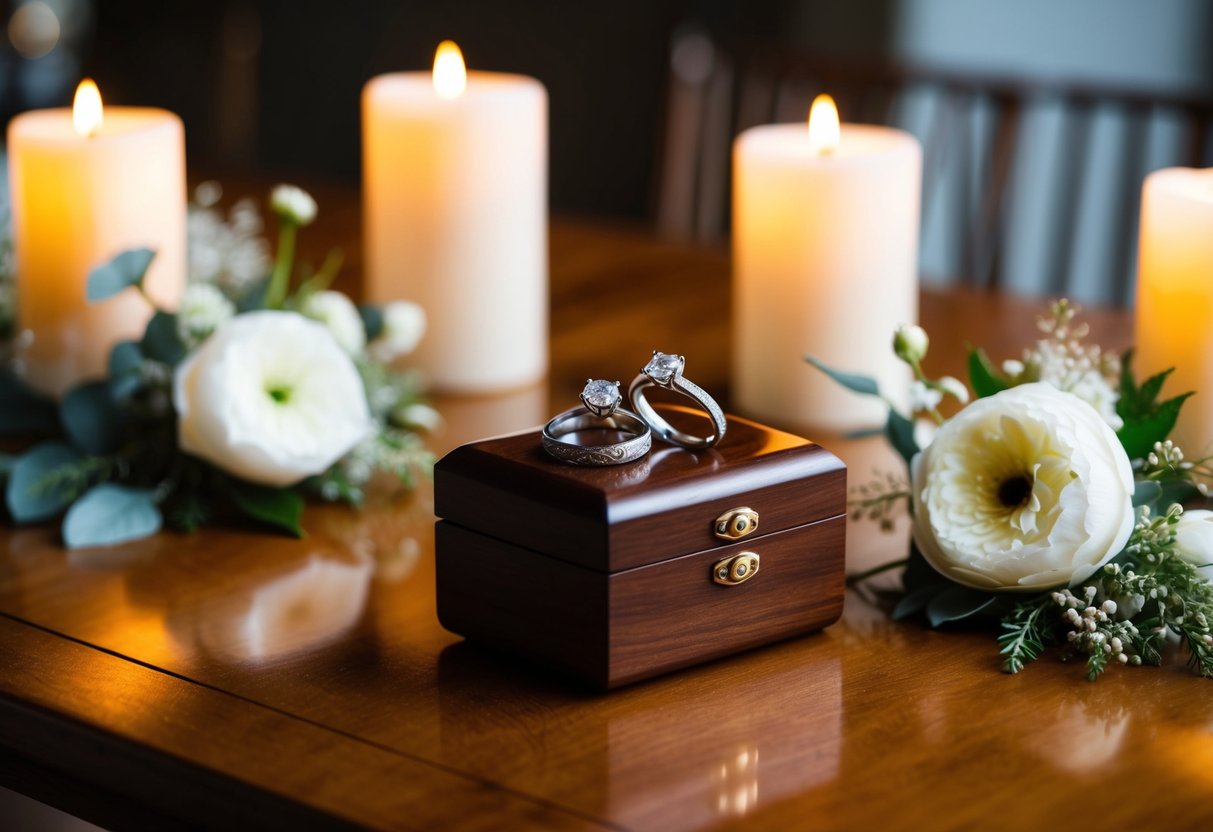
As you navigate this important decision, consider what feels right for you and your partner. The rings symbolize your love and commitment, making it essential to choose a method that honors your relationship. By understanding the traditions and current practices, you can make a choice that fits both your budget and your personal values.
Understanding Wedding Ring Traditions
Wedding ring traditions are rich in history and meaning. They reflect cultural values and social practices over time. Knowing these traditions can help you navigate the choices involved in selecting wedding rings.
Historical Perspectives on Wedding Rings
The tradition of exchanging wedding rings dates back thousands of years. Ancient Egyptians were among the first to use rings as symbols of eternal love. They believed the circle represented eternity, with no beginning and no end.
In many cultures, the rings were typically made of materials like gold or silver, signifying wealth and commitment. During the Middle Ages, the use of rings became common in European wedding ceremonies. They often featured gemstones and intricate designs to reflect the couple’s status.
Traditionally, the groom would pay for the bride’s ring. In some cases, the bride’s family would contribute to the groom’s ring. This custom varied based on cultural backgrounds and local customs.
Modern Interpretations of Ring Etiquette
Today, wedding ring etiquette is less rigid and has evolved significantly. Many couples choose to buy rings together, symbolizing partnership and equality. It’s common for both partners to select bands they both love.
Couples may mix traditional and non-traditional elements in their ring choices. For instance, some may opt for matching bands, while others prefer unique designs. Communication is key. Discussing preferences about styles and budgets ensures everyone is happy.
Financial responsibility for the rings can be shared, reflecting modern values. This means that both partners might contribute based on their circumstances. Remember, the ring’s meaning goes beyond financial aspects; it represents your love and commitment to each other.
Financial Aspects of Wedding Rings
When planning for your wedding, the expenses can add up quickly, especially with rings being a significant part of your budget. Understanding how to approach the financial aspects of wedding rings is essential for a smooth planning process. Here are important details on budgeting, traditional payment practices, and alternative financing methods.
Budgeting for the Rings
Setting a budget for your wedding rings is an important first step. Consider how much you and your future spouse can spend without straining your finances. Many couples allocate around 3% of their total wedding budget for rings.
Create a list of preferred styles and materials, as these can greatly affect the cost. For example, precious metals and gemstones can range widely in price. Think about discussing budget constraints with your partner upfront to ensure you’re both on the same page. This mutual agreement can prevent misunderstandings later on.
Who Traditionally Pays for What?
Traditionally, the groom pays for the bride’s ring, while the bride pays for the groom’s. However, these customs have evolved. Nowadays, couples often share these costs or make joint decisions about their rings.
Financial considerations like income can influence who pays what. If one partner is in a better financial position, they may cover more expenses. Family contributions can also play a role. Parents might help pay for the rings, especially if it’s a family heirloom. Discuss these dynamics openly to clarify financial responsibilities.
Alternative Approaches to Financing
Not every couple follows the traditional path. Some might decide to split costs evenly, which can promote a sense of partnership. This equality makes financial responsibility feel balanced.
You could also consider financing options, such as payment plans offered by jewelers. These plans allow you to manage payments without feeling overwhelmed. Additionally, alternative options like purchasing vintage rings or family heirlooms can save money and add sentimental value.
As you navigate these financial decisions, keep communication open. This will help ensure everyone feels comfortable and involved in the wedding planning process.
Choosing the Right Wedding Rings
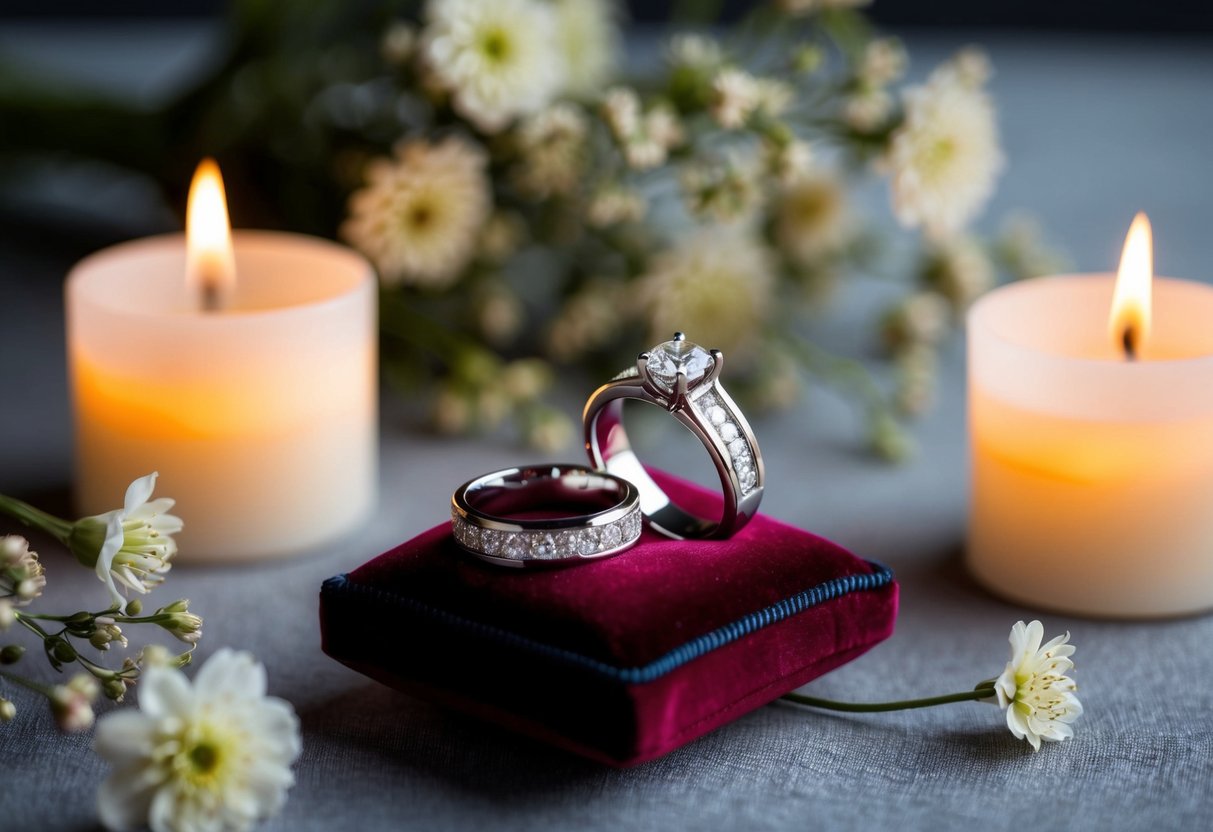
Selecting wedding rings is an important step in your journey together. You want to find rings that represent your love and fit within your budget, while reflecting your personal styles and preferences. Here are some important factors to consider.
Ring Styles and Metal Choices
When choosing your wedding rings, think about the style that speaks to you both. Common styles include classic bands, modern designs, or unique pieces featuring gemstones. An eternity band is a popular choice for its symbolism of endless love.
Consider the metal type as well. Options like platinum and yellow gold are popular for their durability and aesthetic appeal. Each metal has its own look and feel, so take time to explore what suits you best. Don’t forget to think about the ring’s finish—polished, matte, or brushed—which can add a personal touch.
Incorporating Personal Preferences
It’s essential to communicate your individual preferences. Each person may have different tastes when it comes to the design, color, or type of stones. Some might prefer diamonds, while others are drawn to alternative options like colored gemstones.
If you’re on a budget, consider looking at second-hand rings or choosing a simpler design. Remember, the focus should be on the meaning behind the rings rather than their cost. Discussing your values openly can lead to a compromise that reflects your unity.
Practical Considerations for Ring Selection
When making your choice, keep practical aspects in mind. Think about the size and how comfortable the ring will be for everyday wear. Your lifestyle can impact the type of ring that fits best. For example, if you work with your hands a lot, a simpler design with fewer stones might be ideal.
Quality is also key. Make sure to choose a reputable jeweler who offers guarantees on their work. Ask about cleaning and maintenance options to keep your rings looking beautiful. Balancing these practical considerations with your personal preferences will help you find the perfect wedding rings.