
Who Pays for Wedding Reception Dinner? Understanding the Costs and Traditions
When planning your wedding, one of the biggest questions you might ask is, “Who pays for the wedding reception dinner?” Traditionally, the bride’s family or the couple themselves cover this expense, but modern practices vary. Understanding the financial responsibilities can help you set a realistic budget and avoid confusion later on.

As you navigate through wedding etiquette, it’s important to remember that customs can change based on personal circumstances. Discussing your budget openly with family can lead to a smoother process. You might find that both families are willing to contribute, or that your friends and relatives may offer help in unexpected ways.
Setting a budget early on makes it easier to determine who will pay for what. This approach not only reduces stress but also ensures that you can focus on enjoying your special day. As you gather information and opinions, keep in mind that clear communication is key to managing expectations and creating a memorable reception.
Breaking Down the Wedding Expenses
Planning a wedding involves many different costs. Understanding who typically pays for various elements can help you budget effectively and avoid surprises.
Attire and Beauty
When it comes to attire, the bride usually invests in her wedding gown. Expect to budget for alterations, which can range from $100 to $500. The groom’s attire, including the suit or tuxedo, may cost around $200 to $800.
In addition to clothing, hair and makeup are significant expenses for the bride. Professional services often range from $150 to $500, depending on the stylist and the complexity of the look. For the bridal party, you might want to budget similarly for hair and makeup.
Don’t forget about accessories like the veil or wedding jewelry. These can add several hundred dollars to your attire budget.
Official Paperwork and Ceremonial Elements
To make your marriage official, you will need a marriage license. Fees vary by location, typically ranging from $50 to $150. It’s important to check your area’s requirements for any waiting periods or completion times.
The officiant fee is another expense to consider. This can vary significantly, generally between $200 to $500, depending on the type of ceremony and the officiant’s experience.
You may also want to include costs for elements like the wedding cake. A standard cake can cost between $300 and $1,000, depending on the size and design.
Finally, don’t ignore the rehearsal dinner, which is usually hosted by the groom’s family. This event can add another $1,500 or more to your budget, depending on the venue and number of guests invited.
Planning and Hosting the Reception
Planning your wedding reception involves several important details that set the tone for your big day. You’ll focus on the venue and catering, decorations, and how to capture special moments.
Venue and Catering Details
Choosing the right venue is crucial. Consider the size, location, and atmosphere to match your vision. Popular options include banquet halls, gardens, and hotels. Once you’ve settled on a venue, it’s time to think about catering.
You’ll want to select a menu that reflects your tastes and accommodates guests’ dietary needs. Buffet-style service allows variety, while plated dinners offer elegance. Don’t forget about alcohol; decide if you’ll have an open bar, cash bar, or signature cocktails.
Confirming catering details in advance can help ensure everything runs smoothly on the big day. Check for setup times and any additional fees included.
Decoration and Floral Arrangements
Your wedding decor will create the ambiance for your reception. Start by choosing a color palette that complements your theme. Consider stylish elements like table linens, centerpieces, and lighting to enhance the venue’s features.
Floral arrangements are essential in creating a beautiful setting. Choose flowers that fit your colors and the season. Popular options include roses, peonies, and hydrangeas. Don’t forget about bouquets and floral pieces for family tables.
Make sure to communicate your vision clearly with your florist, so they can bring your ideas to life. If your budget allows, consider hiring a designer for a polished look.
Capturing the Moment
Hiring a photographer and videographer is key to preserving memories. Talk to them about your vision and must-have shots. A professional can help you plan the schedule to capture every important moment.
Focus on areas like the first dance, cake cutting, and speeches. You should also consider hiring a second shooter to cover more angles and candid moments. Clear communication about your preferences ensures you get the style you want.
Don’t shy away from asking for references or reviewing portfolios before making a choice. A good photographer or videographer will blend into the background, ensuring natural and joyful memories.
Pre-Wedding and Post-Wedding Events
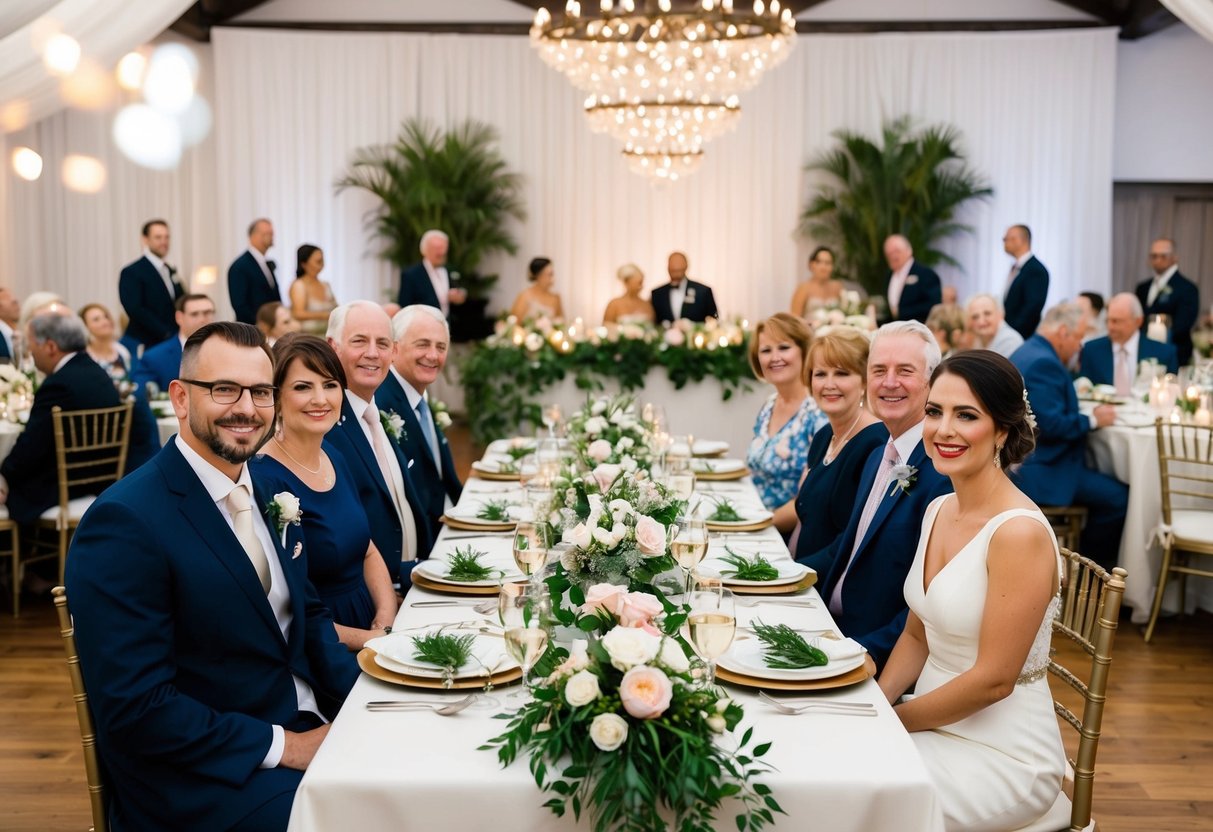
In planning your wedding, there are several important events that take place before and after the big day. These gatherings help celebrate your new journey and create lasting memories with friends and family.
The Engagement Party and Showers
The engagement party marks the start of your wedding journey. This is often hosted by the bride’s family or friends. It’s a chance for everyone to celebrate your engagement. The costs can vary, but it’s usually modest.
Bridal showers are another key event. They focus on gifts and advice for the bride. Typically, friends or family host these and cover most expenses. Make sure to invite close friends and family to create a warm atmosphere.
The Bachelor and Bachelorette Parties
The bachelor and bachelorette parties are all about celebrating your upcoming marriage with your closest friends. These can range from a weekend getaway to a simple dinner out. Traditionally, the best man or maid of honor organizes these events.
Costs can vary widely based on activities and location. Make sure to discuss budgets upfront to avoid surprises. Consider creating a list of fun activities that fit everyone’s budget.
Planning the Honeymoon
Planning your honeymoon is an exciting part of wedding preparation. It’s the perfect time to relax after the busy wedding planning. You can choose a romantic getaway or an adventurous trip, depending on what you both enjoy.
Many couples opt for a honeymoon fund to help cover costs. This way, guests can contribute to your dream trip instead of traditional gifts. Be sure to share your plans with family and friends to inspire their contributions.