
Who Pays for Wedding Rings? Exploring Traditions and Modern Practices
When you’re planning your wedding, a lot of questions come up. One of the most common is, who pays for wedding rings? Traditionally, the groom pays for the bride’s engagement and wedding rings, while the bride might pay for the groom’s wedding band. However, modern couples often choose to split costs or buy their own rings.
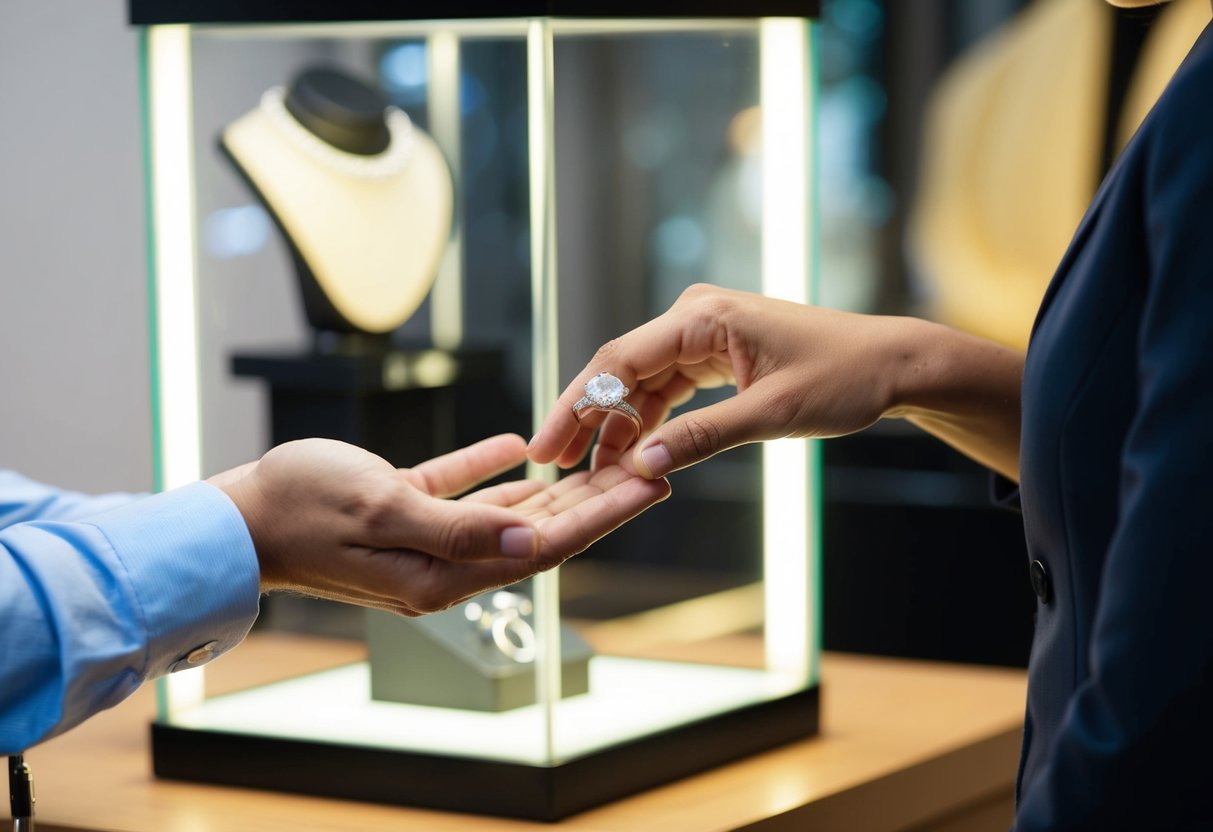
In today’s world, there’s no strict rule about who should cover these wedding expenses. Many couples opt for a more personal approach, deciding together what works best for their budget and preferences. Whether you lean towards a traditional wedding or prefer a more non-traditional celebration, deciding how to handle ring purchases can be part of the exciting planning process.
Understanding the financial etiquette around wedding rings can help you and your partner feel more comfortable discussing these topics. Choices about who pays for what can reflect your values and style as a couple, making this decision an important step in your journey together.
Understanding Wedding Ring Expenses

When planning for wedding rings, it’s essential to know the costs involved and how these fit into your overall wedding budget. Your lifestyle and preferences will play a significant role in making the right decisions.
Average Wedding Ring Cost
The cost of wedding rings can vary greatly depending on several factors. On average, brides spend about $1,200 on their wedding band, while grooms typically spend around $600.
Key factors affecting costs include:
- Material: Options like platinum, yellow gold, or white gold can significantly impact price.
- Stones: Diamonds are often more expensive than gemstones, affecting the overall ring cost.
Remember that personal style can also dictate the price. Some prefer simple bands, while others may choose intricate designs adorned with stones.
Budgeting for Wedding Rings
As you budget, consider your entire wedding financial picture. Experts suggest allocating 3-8% of your total wedding budget for rings.
For example, if your wedding budget is $30,000, think about spending $900-$2,400 on wedding rings.
When budgeting, consider:
- Financial Situation: Be honest about what you can afford.
- Lifestyle Choices: Reflect on your values when choosing rings.
- Wedding Traditions: Decide whether to follow traditional customs or create your own unique approach.
Planning carefully will help you make a choice that fits your style and budget.
Traditions and Etiquette
When it comes to wedding rings, traditions and etiquette play a big role in who pays for them. Understanding these customs can help you make decisions about your purchase. Whether you lean towards traditional customs or prefer modern adaptations, knowing your options is essential.
Traditional Wedding Ring Etiquette
Traditionally, the bride and groom each pay for the other’s wedding band. This custom symbolizes mutual support and commitment. In many cultures, the groom’s fiancé may take on the responsibility for buying the groom’s wedding band.
Additionally, the wedding bands are often made from precious metals like gold or platinum, and some couples choose to personalize them with engraving. This adds a unique touch to the rings, making them truly special.
The idea is that both rings represent the love and unity between partners, making the purchase a meaningful part of the wedding.
Modern Interpretations of Tradition
In recent times, many couples have redefined who pays for wedding rings. A popular choice is splitting the cost, which reflects a joint investment in your future together. Some might even decide to use part of their wedding budget for rings, making it a collaborative effort.
Non-traditional weddings often embrace these changes to fit individual values. It’s becoming common for couples to discuss finances upfront to set clear expectations.
These discussions can make the purchasing process smoother and more enjoyable. Remember, there are no strict rules—what matters most is that both of you feel comfortable with your choices.
Choosing the Right Rings
Selecting wedding rings is an important step in your marriage journey. You want to find the perfect balance between style and personal meaning.
Selecting the Metal and Style
When choosing the metal for your rings, consider popular options like platinum and yellow gold. Platinum is durable and has a beautiful shine. Yellow gold offers a classic look and is often more affordable.
You might also explore other metals, like rose gold or white gold, depending on your personal style. The design of the ring matters too. Do you prefer simple bands or something more unique, like an eternity band with stones? Decision-making can be a fun experience if you keep in mind your preferences and budget.
Consider how your rings will complement each other if you’re buying both a wedding band and an engagement ring. Look for matching styles or designs that can beautifully flow together.
Determining Ring Size and Custom Features
Finding the right ring size is crucial. You want it to fit comfortably without being too tight or too loose. You can measure your ring size at home or visit a jeweler for professional help.
Custom features, like engraving, add a personal touch to your rings. You might want to engrave initials, a special date, or a meaningful phrase. Such details create a lasting bond and make the rings uniquely yours.
If you’re choosing a stone, such as a nexus diamond, be sure to consider the setting style and how it holds the diamond securely. Balancing size, style, and comfort will help you find rings that you will cherish forever.