
Who Pays for Wedding Rings in the UK? Understanding Traditions and Modern Choices
When planning your wedding, understanding the financial responsibilities is key. In the UK, it is common for the groom to pay for the bride’s engagement ring, while couples often share the costs of their wedding rings. This approach allows both partners to have a say in their choice of rings, promoting open communication about wedding expenses.
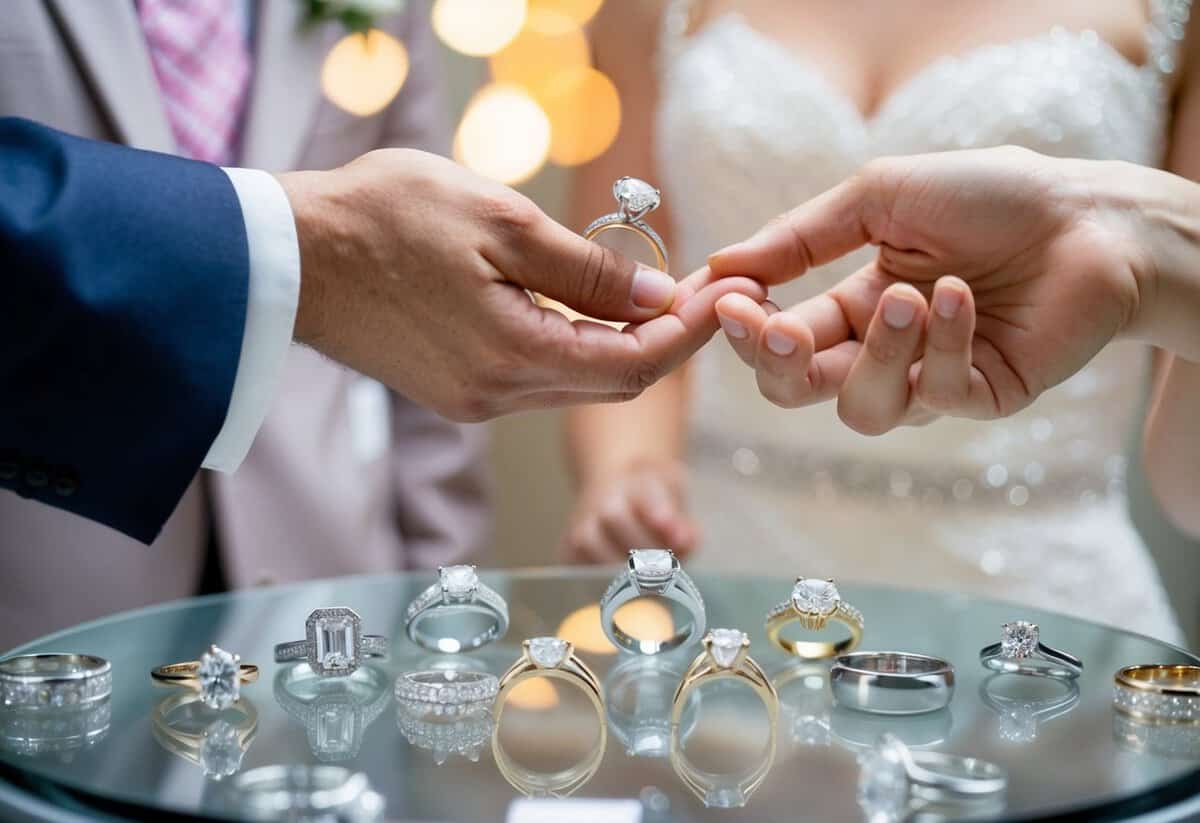
Traditionally, families have played a role in covering costs, especially for the engagement ring and other wedding-related expenses. However, as couples become more independent, many choose to cover these costs themselves. As you discuss your plans, make sure to talk openly about your financial responsibilities to avoid any misunderstandings later on.
Navigating who pays for what can feel overwhelming, but having candid conversations about finances can lighten the load. By sharing the costs and responsibilities of your wedding rings, you’ll set a positive tone for your future together.
Understanding Wedding Ring Costs
When planning your wedding, understanding who pays for wedding rings can play a significant role. Tradition and modern etiquette may differ, so it’s helpful to know how these factors affect your costs and choices.
The Tradition of Wedding Rings
Traditionally, the groom pays for the engagement ring and the wedding rings. This custom reflects the commitment and responsibility he takes on in the relationship. The engagement ring is often seen as a mark of promise, while the wedding rings symbolize the union.
In many cases, the groom’s family also covers the costs of all wedding rings. However, it’s important to communicate with your partner about preferences and budgets. Couples sometimes choose to split the costs to share the financial responsibility.
Modern Wedding Ring Etiquette
In recent years, wedding ring etiquette has become more flexible. While tradition still holds significance, many couples now consider personal preferences and financial situations. It’s common for both partners to contribute to the costs of wedding rings.
You might find that discussing the budget openly leads to better choices. Consider setting a spending limit that works for both of you. Remember, some couples even opt for simple bands to make their day more affordable.
Budgeting for the Big Day
Planning a wedding can be exciting but also a bit overwhelming, especially when it comes to budgeting. You need to allocate funds wisely, decide who covers specific costs, and involve family in discussions. It’s all about making sure everyone is on the same page.
Allocating Funds for Wedding Elements
Your wedding budget should cover several key elements. Start with major costs like venue hire and catering. These usually take up a large part of your budget.
For example:
- Venue Hire: Typically 30-50% of your total budget.
- Catering: Often 20-30% depending on guest count and menu choices.
Don’t forget about smaller but still important expenses, like the wedding dress, bridesmaid dresses, rings, and decorations. It helps to make a list and prioritize what matters most to you.
Who Pays for What
Understanding who pays for different parts of the wedding can save you stress. Traditionally, the bride’s family covers expenses like the wedding dress and flowers.
However, this varies today. Many couples choose to split costs or pay for things together. It’s common for the groom to buy the bride’s engagement and wedding rings, while the couple may share the cost of the wedding bands.
Having a clear map of who finances what can really help. Sit down together and discuss it all!
Involving Both Families in Budget Discussions
It’s great to involve both families in budget talks. This can help avoid misunderstandings later on. When you bring everyone together, you create a sense of teamwork.
Start by discussing who is comfortable contributing to specific costs. For instance, the bride’s parents might cover the venue, while the groom’s parents handle catering. Open communication allows everyone to feel included and invested in your big day.
Being transparent with both sides helps everyone understand what they can offer. This can lead to a smoother planning process, making the lead-up to your wedding more enjoyable.
Breaking Down Key Wedding Elements
Planning a wedding involves many important elements, each with its own set of costs and considerations. Understanding how these aspects are divided can help you keep track of your budget and expectations. Here’s a closer look at some key areas.
Fashion and Beauty Aspects
Your wedding day look is crucial for feeling confident and beautiful. This includes your wedding dress, accessories, and grooming. On average, brides can expect to spend anywhere from £1,000 to £3,000 on a dress.
Bridal accessories, such as veils and jewelry, can add to the costs. Hair and makeup generally range from £150 to £500, depending on the services. You might ask your bridal party to cover their own costs for makeup or hair, but it’s often a kind gesture to treat them.
Make sure to book your appointments well in advance. This ensures you have a team that knows your vision.
Ceremony and Reception Costs
The wedding ceremony sets the tone for the whole day. Venue costs can vary significantly. Church weddings might have lower fees but expect to pay for additional items like floral arrangements. A typical wedding reception in the UK can cost around £4,000 to £10,000, depending on the venue and guest count.
Take into account the expenses for everything from decorations to seating. You might be responsible for providing wedding flowers as part of the ceremony.
Traditionally, many families cover these costs, but it can also be a joint effort. Discuss with your family to clarify who pays for what.
Catering and Entertainment Budgeting
Catering is a significant part of your wedding budget and can impact guest experience. Expect to spend between £50 and £100 per person on meals. Consider how you want to serve food—buffet, plated, or family-style can all affect pricing.
Also, don’t forget to plan for drinks. Hiring a bar service may be necessary if your venue doesn’t provide drinks. Entertainment is just as important; live bands can range from £1,000 to £3,000.
You can save money by opting for a DJ or even creating a playlist for the evening.
Post-Wedding Considerations
Once the wedding is over, there are still costs to consider. Honeymoons are often an exciting expense. Typically, the couple pays for this, but families sometimes contribute or gift experiences. Planning your honeymoon budget early can prevent overspending.
Don’t forget about thank-you gifts for your bridal party. These small tokens show appreciation for their support. Also, consider costs for preserving your wedding dress or creating an album, which add to the ongoing expenses of your special day.
Additional Celebrations and Responsibilities
When planning your wedding, it’s important to consider extra celebrations and the responsibilities that come with them. These events can set the tone for your big day and create lasting memories. Here’s what to keep in mind regarding the engagement party and pre-wedding celebrations like stag and hen dos, as well as the rehearsal dinner.
Engagement Party and Stag/Hen Dos
An engagement party is often the first celebration after you say “yes.” It’s usually hosted by the couple or their families. This event helps you share your joy and involves inviting close friends and family. You might cover costs for food, drinks, and venue together.
For the stag and hen dos, responsibilities can vary. Traditionally, the best man organizes the stag do and covers costs, while your maid of honor might do the same for the hen. It’s common for guests to chip in for activities, drinks, and overnight accommodation. Discussing your budget with loved ones ensures everyone feels comfortable contributing.
Rehearsal Dinner and Guest Considerations
The rehearsal dinner is a chance to gather with family and friends before the wedding. Typically, the groom’s family pays for this dinner, which includes food, drinks, and maybe even some light entertainment. You should plan the menu and location based on your style and preferences.
When you plan the menu and location, make sure to think about your style and preferences.
When it comes to guest accommodations, make sure all your loved ones have a place to stay. You might reserve blocks of rooms at nearby hotels to make it easier for them.
Providing wedding favours and small gifts can show appreciation for their support, especially if guests have traveled a long distance.
Don’t forget to think about drinks during these events; keeping everyone hydrated is key for enjoyment!