
Who Pays for Welcome Drinks at Weddings? Understanding the Costs and Traditions
Deciding who pays for welcome drinks at your wedding can be tricky. Typically, the couple hosts the welcome drinks as a gesture of hospitality and to make guests feel special. It sets a friendly tone for the celebrations and is a chance for everyone to mingle before the big day. Understanding this etiquette helps you plan accordingly and avoid any awkward situations.
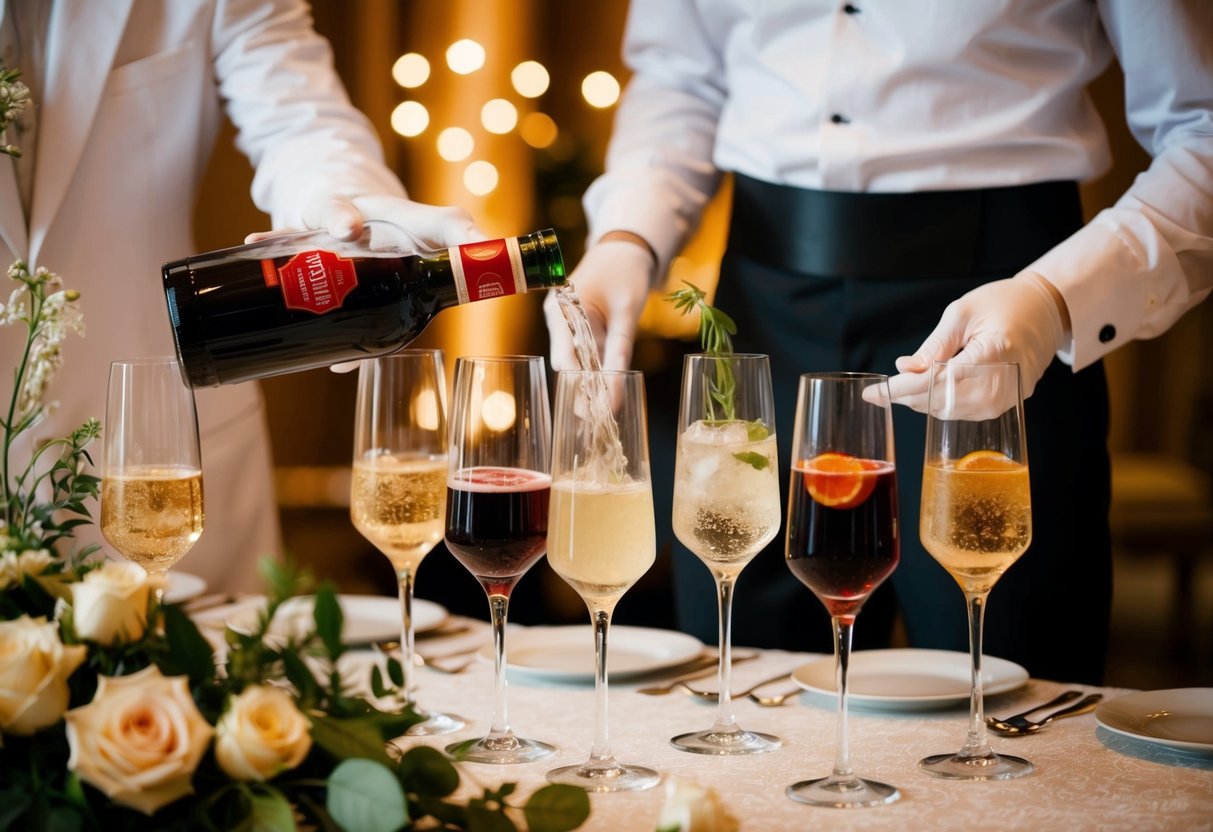
When planning your wedding, think about how welcome drinks can enhance the guest experience. Offering a drink can be a warm way to greet guests, especially if some have traveled a long distance. As you plan your celebration, consider your budget and what feels right for you and your partner. Knowing the norms around wedding expenses can help you make informed decisions that reflect your style and priorities.
Understanding Wedding Welcome Drinks

Welcome drinks are a nice way to greet guests at your wedding. They set the mood for the event and create a warm atmosphere. Knowing what to offer and who pays for them is essential.
Traditions and Etiquette
Traditionally, couples provide welcome drinks as a gesture of hospitality. It’s common to offer one drink per guest when they arrive at the venue. This can help ease any travel-related nerves, especially if many guests are coming from out of town.
You might want to pay for the drinks yourself or set a limit for the bar tab. This can prevent guests from feeling uncomfortable about unexpected expenses. Some couples choose to start by covering the first round, while others prefer a cash bar for subsequent drinks. Just remember that it’s polite to communicate your plans clearly with your guests.
Varieties of Welcome Drinks
Welcome drinks can include various options to suit different tastes. Here are some popular choices:
- Champagne or Prosecco: A classic choice for a celebratory atmosphere.
- Cocktails: You might create a signature drink that reflects your style.
- Non-Alcoholic Options: Sparkling water, lemonade, or iced tea can cater to all guests.
When choosing drinks, consider your venue and season. For example, light and refreshing drinks work well for summer weddings, while warm beverages might suit a winter event. Whichever you choose, make sure it feels right for you and your celebration.
Financial Responsibilities for Welcome Drinks
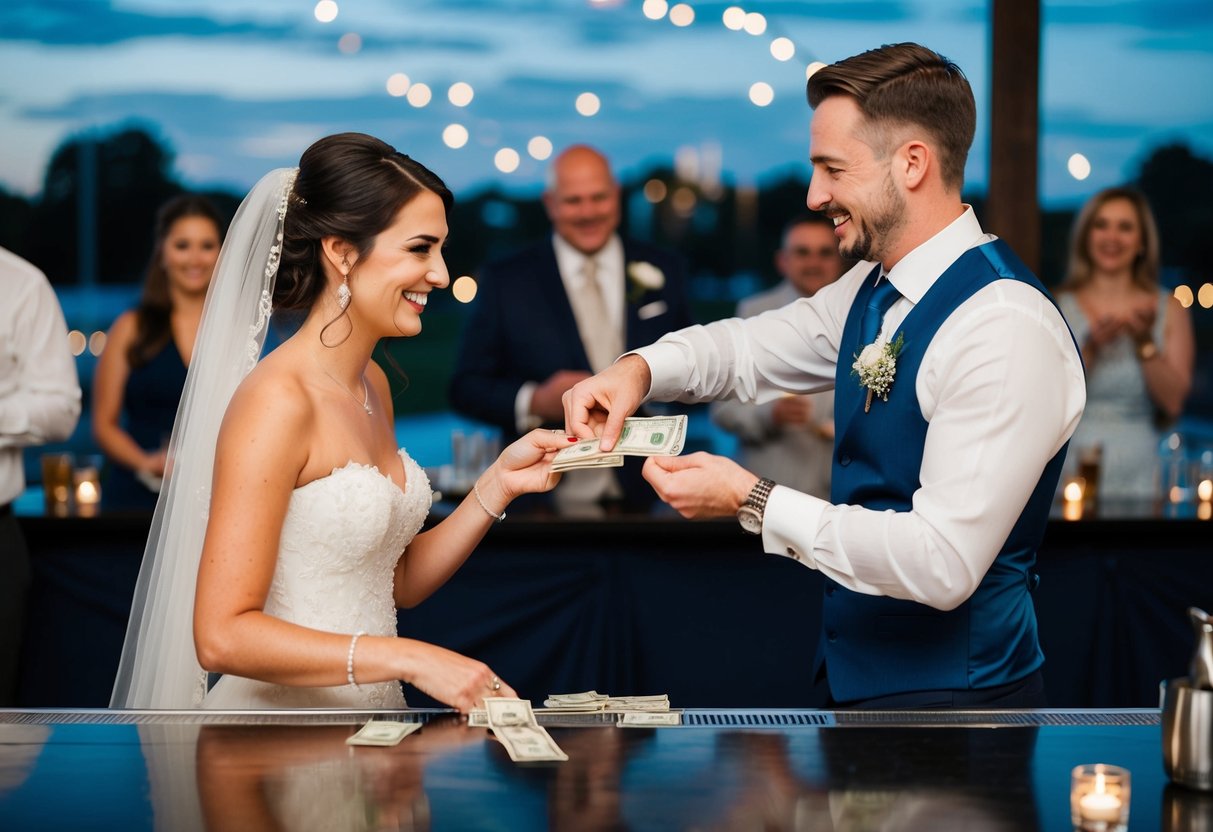
Deciding who pays for welcome drinks can affect your wedding budget. Understanding the obligations of the host, the expectations of your guests, and the alternatives available can help you make informed choices.
Host’s Obligations
As the host, you typically cover the costs for welcome drinks. This is a polite gesture to greet your guests as they arrive. You might want to prepare a set budget for this expense.
For a wedding, consider allocating about 10% of your total wedding budget to drinks, including welcome drinks. This helps keep your finances in check. Using a cash bar can be an option, but many couples choose to cover the first round, especially if guests traveled a long distance.
Guest Expectations
Guests often expect to be welcomed with a drink upon arrival. It sets a warm tone for the event and shows hospitality.
If drinks are not provided, people may feel discouraged or think the event is less welcoming. Guests usually appreciate seeing options like champagne, beer, or non-alcoholic beverages. Offering one complimentary drink can enhance their experience, regardless of whether it’s an open bar or a limited selection.
Alternatives to an Open Bar
An open bar can be expensive and may not fit every couple’s budget. Consider alternatives like a cash bar, where guests pay for their drinks.
Another option is a limited open bar. For example, you can provide welcome drinks, then switch to a cash bar after an hour. You could also offer a signature cocktail that reflects your wedding theme. This can be more affordable while still providing a festive atmosphere without straining your wedding expenses.
Planning the Welcome Party

Planning a welcome party is a great way to kick off your wedding weekend. It allows you to greet your guests, especially those who have traveled from afar, and set a fun and relaxed tone for the events ahead. Here’s how to plan this special gathering.
Choosing the Right Venue
Selecting the right venue is essential for your welcome party. Consider locations that are convenient for your guests, especially out-of-town attendees. A local restaurant, a backyard, or a community space are great options.
Make sure the venue can comfortably accommodate your guest list. If you’re hosting a casual cocktail party, a bar or lounge might work well, while a larger space is better for sit-down meals.
Also, check if the venue can provide drinks and food or if you need to arrange that separately. This decision can affect your budget and overall planning.
Incorporating Activities and Entertainment
To keep your welcome party engaging, think about including activities and entertainment. Depending on your venue, you might add games, a photo booth, or even live music.
If your guests include families, consider setting up a few outdoor games like cornhole or giant Jenga. This encourages mingling and makes the atmosphere lively.
Also, you might invite a local band or a DJ who can create a festive ambience. Make sure the entertainment matches your style as a couple and sets a welcoming tone for your wedding weekend.
Managing Guest List and Invitations
Creating your guest list is a critical part of planning. You should decide who you want to invite. Typically, all your wedding guests should be welcomed at this event, unlike the more intimate rehearsal dinner.
Once you have your list, send out invitations early. Let people know what to expect, like whether it’s a casual gathering or more formal. Digital invites can be handy for quick communication.
Keep track of RSVPs to manage food and drink. If you’re using a wedding planner, they can help streamline this process and ensure that no one is left out!