
Who Pays for What at a Wedding Traditionally UK? A Guide to Wedding Expenses
When planning a wedding, figuring out who pays for what can be a bit challenging. Traditionally in the UK, the bride’s family covers most of the costs, especially the reception, while the groom’s family often takes care of the honeymoon expenses. Understanding these traditions can help you navigate the often tricky waters of wedding etiquette and budget planning.
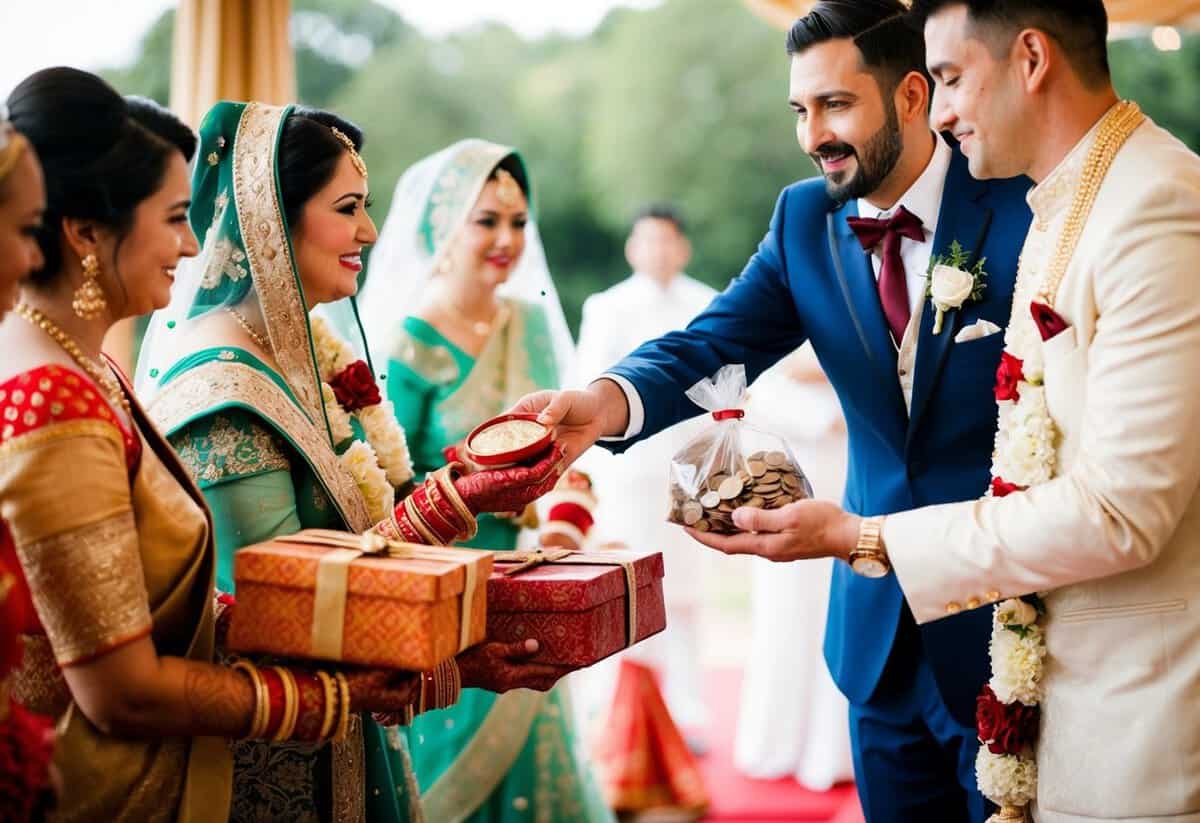
As wedding customs continue to evolve, many modern couples are taking a different approach. A growing number of couples are choosing to share costs or pay for the wedding themselves, reflecting their financial independence and personal preferences. Knowing what is typically expected can guide your discussions with family and help ensure everyone is on the same page.
While it’s important to honor traditions, remember that it’s ultimately your day. By learning about traditional wedding etiquette, you can make informed decisions that fit your style and financial situation. Whether you stick to the old ways or pave a new path, clarity in who pays for what can lead to a smoother planning process.
Understanding Traditional Financial Responsibilities
When planning a wedding, knowing who pays for what can help ease some of the stress. Traditional roles regarding financial responsibilities in the UK have evolved, but certain customs remain significant.
Role of the Bride’s Family
Traditionally, the bride’s family covers most of the wedding costs. This often includes expenses like the venue, catering, and decor. Parents of the bride typically take on the responsibility for the wedding dress and related accessories.
In some cases, the bride’s family may also handle costs for the engagement party or bridesmaids’ dresses. This tradition reflects the social customs that once viewed the wedding as an event to highlight family status. Understanding this role can help you plan a budget that aligns with tradition while also considering modern practices.
Role of the Groom’s Family
The groom’s family traditionally pays for specific expenses, like the engagement ring and his suit. They might also contribute towards the honeymoon costs or the rehearsal dinner.
In many situations, the groom’s family may help with other financial contributions, such as transportation for guests or gifts for the bridal party. These duties can vary widely depending on family preferences and modern expectations. Knowing these roles helps both families feel involved and valued in the wedding planning process.
Handling Outliers and Exceptions
There are many ways to approach wedding finances today. Couples may choose to share expenses equally, or families can negotiate what they can contribute based on their own circumstances.
For blended families, decisions can involve more discussions. You might find that a family member or close friend wants to contribute to specific parts of your wedding, like photography or entertainment. Open communication is key when handling these exceptions, ensuring that everyone involved feels included in creating your special day.
Key Wedding Elements and Who Traditionally Pays
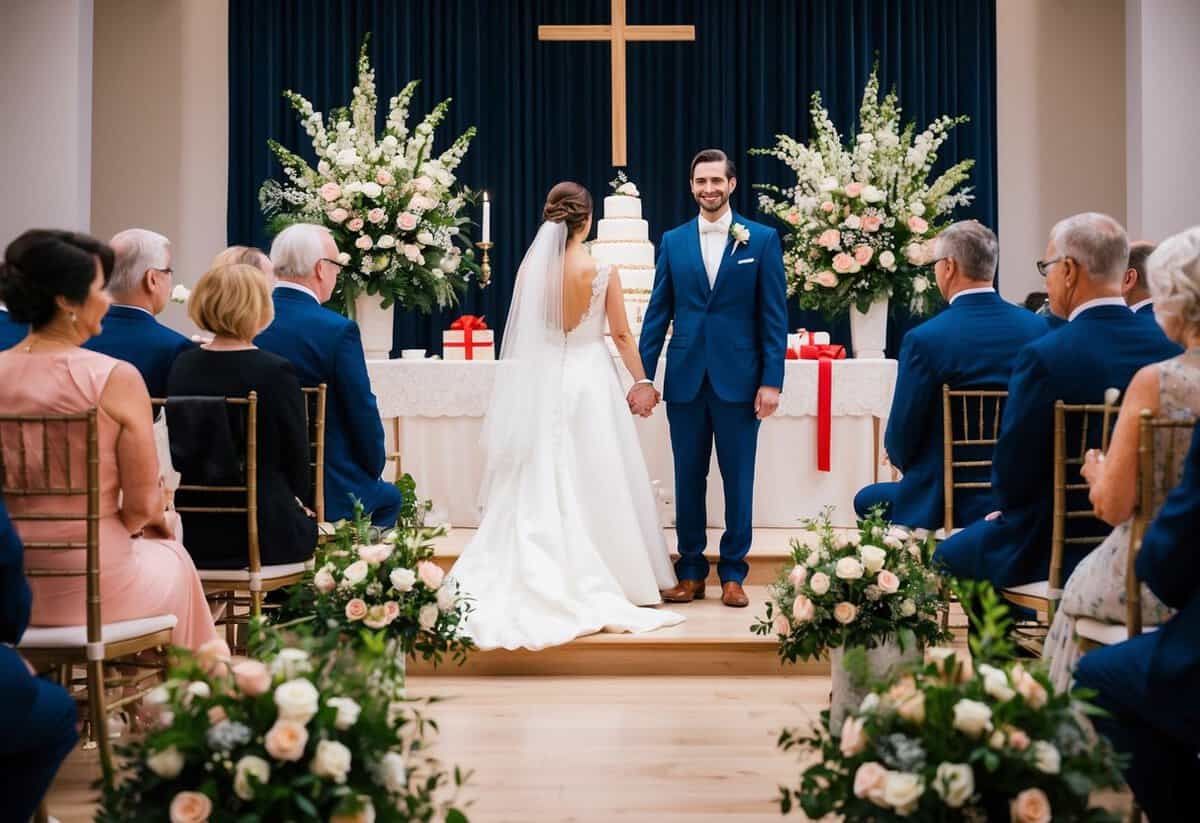
When planning a wedding, it’s helpful to know who traditionally covers the costs for different elements. This can help you and your partner make clear decisions about budgeting and responsibilities.
Attire and Rings
Traditionally, the bride’s family pays for the wedding dress, while the groom typically covers the cost of his suit. The engagement ring is usually bought by the groom, reflecting his commitment. After the engagement, you may find yourself discussing wedding bands. In some cases, couples split the cost of their wedding rings, but it’s common for the groom’s family to pay for both rings.
Ceremony and Venue
Your ceremony is a key part of your wedding day. The bride’s family often pays for the ceremony venue and associated fees, like the officiant’s fee. If you have a church wedding, the congregation may have fees or donations. Additionally, the costs for licensing and permits generally fall to the bride’s family. Consider discussing these costs early with your family so you’re all on the same page.
Reception and Catering
The reception is one of the most significant expenses. Traditionally, the bride’s family covers the reception costs, including venue rental, catering, and bar services. Food and drink can quickly add up, so it’s essential to prioritize what’s most important to you. You’ll also want to think about seating, tables, and rentals. Discuss with your families to figure out how they can assist in covering these expenses.
Flowers, Cake, and Stationery
Flowers, the wedding cake, and stationery often fall to the bride’s family as well. The bride typically chooses her bouquet, bridesmaids’ flowers, and decorations. Planning your floral arrangements ahead of time helps in managing costs. The wedding cake, a centerpiece at the reception, is typically covered by the bride’s family, too. As for wedding stationery, like invitations and programs, this expense traditionally falls on the bride’s side. It’s wise to create a budget to guide your spending in these areas.
Planning and Services
Planning a wedding involves many important services and details. From organizing the big day to documenting memories, each part plays a crucial role in your celebration. Guest considerations also help ensure everyone feels welcomed and comfortable.
Organizing the Big Day
When it comes to organizing your wedding, start by creating a checklist. This helps keep you on track. Key elements include choosing a date, booking a venue, and hiring vendors. You’ll need a reliable wedding planner if you want help with arrangements.
Next, think about catering. Choose a menu that reflects your tastes and accommodates dietary needs. Many couples often arrange transportation for guests to ensure they arrive safely. Consider hiring a shuttle service if your venue is far away.
Memories and Documentation
Capturing your special day is essential. Hiring a professional photographer can make a difference. Look for someone whose style matches your vision. Think about including both photography and videography to get a complete view of the day.
Make a list of must-have shots, like family portraits or candid moments during the ceremony. Discuss your preferences with your photographer before the wedding to avoid surprises. These memories will be treasured for years to come.
Guest Considerations
Your guests’ comfort is paramount. Consider their accommodation options early on. If your venue is away from local hotels, look into group rates or block bookings for comfort and convenience.
Don’t forget to plan for seating arrangements. This can help guests feel more connected during the celebration. You may also want to include special touches like welcome bags for out-of-town guests. Small gestures like these show appreciation and thoughtfulness, making your wedding even more memorable.
Post-Wedding and Additional Costs

After the wedding, there are several important expenses to consider. These costs can include your honeymoon, engagement celebrations, and any unexpected events that may arise.
First Night and Honeymoon
Your wedding night is special, so many couples book a nice hotel. This might be a local venue or a stay somewhere picturesque. Usually, the groom’s family covers the wedding night hotel costs as part of tradition.
The honeymoon is often an exciting adventure. Traditionally, the groom’s family finances the honeymoon, but many couples now share these costs. Consider factors like travel insurance, which protects your investment in case of cancellations or changes. You can avoid stress by budgeting early for this memorable trip.
Engagement and Parties
Before the big day, you might have hosted an engagement party. Traditionally, the bride’s family pays for this event. It’s a way to celebrate with family and friends.
In addition to the engagement party, other celebrations like bridal showers may occur. Depending on your decisions, costs could be shared among friends and family members. Make sure to discuss plans to avoid any misunderstandings about who will pay for what.
Unexpected Expenses
Even though you plan carefully, unexpected expenses can pop up. These could be last-minute changes, extra guests, or even travel issues on your honeymoon.
Always expect the unexpected and budget for surprises that might arise.
Make a list of possible surprises, such as extra meals or unforeseen travel costs.
Having a small emergency fund can help you handle these situations smoothly.
Communicating with your partner about budget flexibility is also key to managing stress during this exciting time.