
Who Pays for What in a Traditional Wedding? A Guide to Wedding Expenses
Planning a wedding can be exciting, but it also brings up questions about money. In a traditional wedding, the bride’s family typically covers most of the expenses. These include the venue, catering, and invitations. Understanding these financial contributions is key to avoiding misunderstandings and managing your budget effectively.
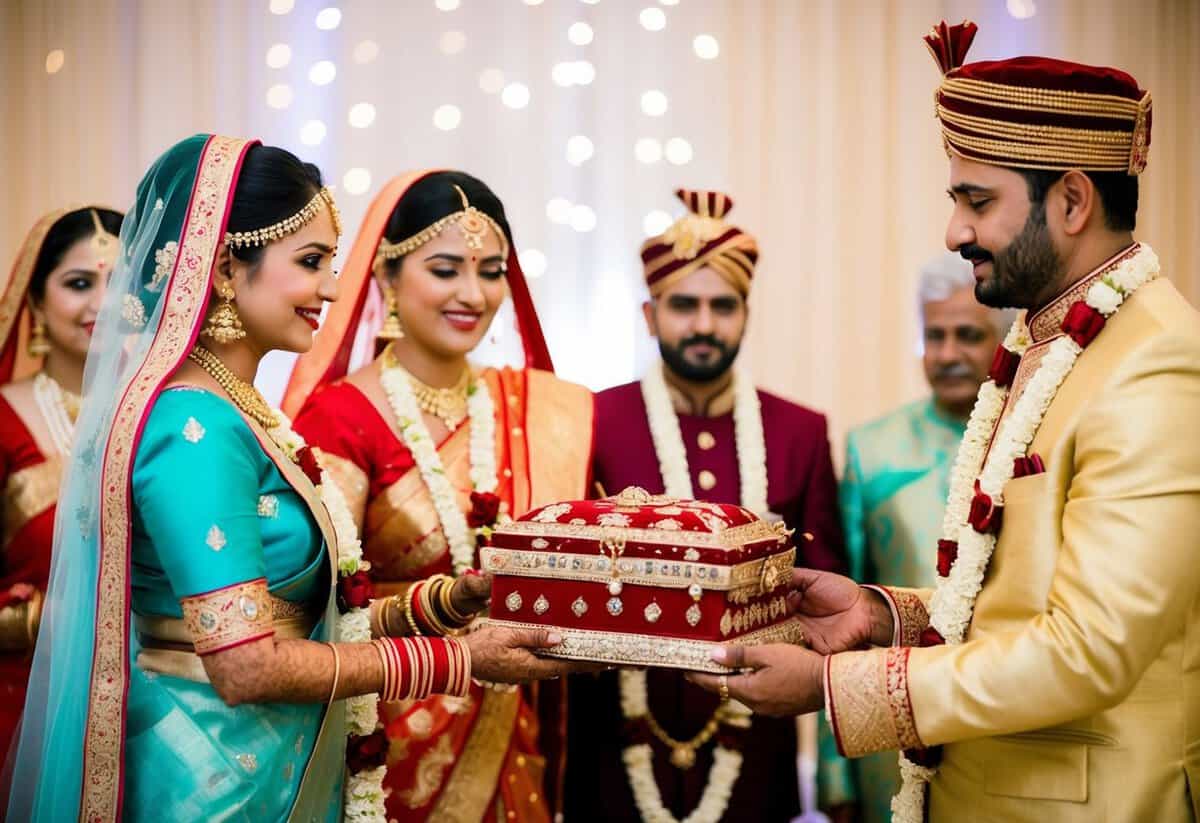
As you go through the planning process, it’s helpful to know the traditional roles and expectations. While some couples follow the classic etiquette set forth by figures like Emily Post, many are adapting these norms to fit their own situations. This means you can negotiate with your family and find a breakdown that works best for everyone involved.
By understanding who traditionally handles each cost, you can create a clearer plan. This guide will help you navigate the wedding expenses with ease, allowing you to focus more on enjoying this special time.
Breaking Down Wedding Expenses

Weddings involve various expenses, and knowing who pays for what can help you plan better. Each phase of your wedding journey has its own set costs, from the engagement to the big day itself.
The Engagement Phase
During the engagement, you may encounter a few key expenses. First, the engagement ring is traditionally purchased by the groom, symbolizing commitment. The cost can vary widely depending on your budget and choice of design.
You might also want to celebrate this special time with an engagement party. Traditionally, the bride’s family covers the costs, but modern couples often share expenses. Planning this event can be both fun and a way to include family and friends as you start this journey together.
Pre-Wedding Celebrations
Pre-wedding celebrations like the bridal shower, bachelor, and bachelorette parties are important milestones. Often, bridesmaids will host the bridal shower, with guests contributing to the costs.
For bachelor and bachelorette parties, expenses typically fall on the attendees. However, the guest of honor may cover some major costs. So, when planning these events, it’s good to discuss with your friends how to handle expenses to avoid any misunderstandings.
Ceremony and Reception Fundamentals
When it comes to the wedding ceremony, several significant costs arise. The couple usually pays for the marriage license, an essential legal document.
The wedding venue, catering, flowers, and decorations are often significant parts of the budget. Traditionally, the bride’s family covers the ceremony expenses, while the groom’s family might help with the reception.
For your wedding gown, many brides buy their own attire, but the bride’s family might also offer assistance. It’s essential to discuss these costs openly to keep everyone on the same page and avoid surprises.
Specifics of Attire and Rings
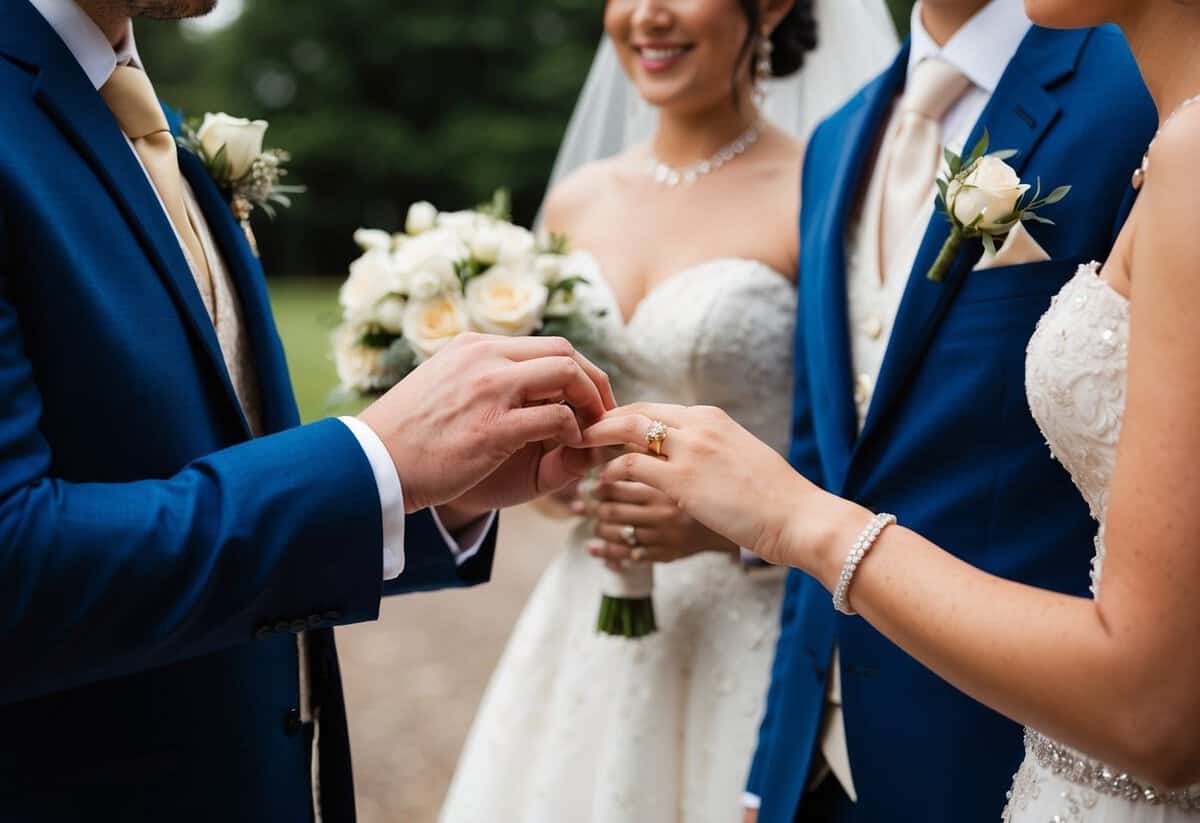
When planning your wedding, understanding who pays for attire and rings is essential. This section will provide specific details about the costs associated with the bride and groom’s apparel, as well as the engagement and wedding rings.
Bride and Groom Apparel
Typically, the bride’s family covers the cost of the wedding dress. This can include not only the dress itself but also accessories like a veil, shoes, and any needed alterations. The average cost of a wedding gown can vary widely, often falling between $1,000 and $3,000.
The groom generally pays for his wedding attire, which could be a suit or tuxedo. This cost can range from $200 to $800, depending on styles and rental options. Some couples choose to coordinate their looks, while others prefer to have their own unique styles.
Wedding Bands and Engagement Rings
The tradition usually has the groom’s family paying for the bride’s engagement ring. This ring can be the most expensive piece, often costing between $3,000 and $7,000 depending on the stone and setting. You might also want to think about insurance for this precious item.
As for wedding bands, the bride and groom often split the costs. The bride’s band may match her engagement ring, while the groom’s band could be a simpler design. Wedding bands typically cost anywhere from $100 to $2,500, depending on the material and design.
Details of the Big Day
Planning the details of your wedding day includes many important elements. Each part plays a key role in making your celebration memorable and enjoyable for you and your guests. Let’s look at the main components related to photography, decor, and dining that you should consider.
Photography and Videography
Capturing moments from your wedding is essential. Photographers and videographers help tell your love story through images and film. Traditionally, the couple often pays for these services, but sometimes families might contribute.
When choosing a photographer, look for someone whose style matches your vision. Consider packages that include engagement shoots or albums. Videographers can capture your ceremony and receptions, preserving voices and emotions that photos might miss. Make sure to communicate your must-have shots and decide on how long you need coverage for the day.
Floral and Venue Decor
Flowers and decor set the mood for your special day. The bride’s family traditionally handles the costs for floral arrangements, while the couple might cover the venue decor. This includes centerpieces, bouquets, and boutonnieres.
You’ll want to choose flowers that complement your theme and season. Discuss options with your florist, such as using local blooms, which can save money. Additionally, consider how you’ll use venue decor. Items like lighting, table settings, and arches can greatly enhance the atmosphere.
Catering and the Wedding Cake
Good food is a highlight of any wedding. The couple typically pays for catering, which is often the largest expense. This includes the meal and drinks for guests.
When planning your menu, consider your guests’ preferences. Offering a variety of options can cater to different diets. Don’t forget about the wedding cake, which is often a symbolic centerpiece of your reception. You can choose a traditional cake or something unique to your taste. Many couples enjoy cake tastings to find the perfect flavor and design.
Post-Wedding and Newlywed Finances

After your wedding, it’s important to think about how to manage your finances as a couple. This includes planning for your honeymoon and handling wedding gifts. Both aspects can shape your new life together.
The Honeymoon
Your honeymoon is a special time for you and your partner to relax and celebrate your new marriage. If you set up a honeymoon fund, guests can contribute to your trip instead of traditional gifts. This makes it easier to cover costs and enjoy experiences together.
Be sure to create a budget for your honeymoon. Consider expenses like flights, accommodation, meals, and activities. You might want to prioritize a few special items, such as a romantic dinner or a fun excursion. This way, you can enjoy your time together without stressing about money.
Managing Wedding Gifts and Funding
Wedding gifts often help with your finances as you start married life. Create a list of what you received and who gave it to you. You can use this list for thank-you notes later.
Decide how to use your gifts wisely. Some couples put gift money toward shared goals like buying a home or enhancing their savings. Others might choose to use it for fun experiences, like a weekend getaway. Whatever you choose, communicate openly with your partner to make sure you’re on the same page.