
Who Pays for What in a Wedding in the UK? A Helpful Guide for Couples
Planning a wedding in the UK can be both exciting and a bit overwhelming, especially when it comes to finances. Traditionally, the bride’s family pays for most wedding costs, including the reception, while the groom’s family often covers the honeymoon expenses. Yet, modern couples are changing these customs, often sharing the financial responsibilities. This shift allows for a more inclusive approach, where both families and the couple contribute to the wedding budget.

Understanding who pays for what can help ease some of the stress during the planning process. You might find that with proper communication, families can work together to cover various expenses, such as the venue, catering, and other crucial details. It’s important to establish a plan that reflects what works best for you and your loved ones.
As you navigate this journey, knowing the traditional roles and modern practices will help you create a wedding that aligns with your values and expectations.
Traditional Financial Responsibilities
When planning a wedding in the UK, understanding who traditionally pays for what can help you better navigate the financial aspects. Knowing the roles of both families can guide your planning and set expectations.
Bride’s Family Contributions
Traditionally, the bride’s family takes on a significant portion of the wedding expenses. This often includes the cost of the venue, catering, and flowers. They are also responsible for the bride’s attire, like the wedding dress and accessories.
In addition to these major expenses, the bride’s family may pay for the engagement party and often covers costs for bridesmaid dresses. This financial role highlights the importance of family involvement in making the wedding special. It can also help foster strong relationships between both families.
Groom’s Family Contributions
The groom’s family also has their share of traditional responsibilities. They typically take care of expenses like the wedding bands and officiant fees. Additionally, they may cover costs related to the groom’s attire, including the suit and accessories.
In many cases, the groom’s family contributes to the reception costs. This can include helping pay for food, drinks, and entertainment. This shared approach can ease financial stress and make the planning process more collaborative for both families.
Key Wedding Components and Associated Costs
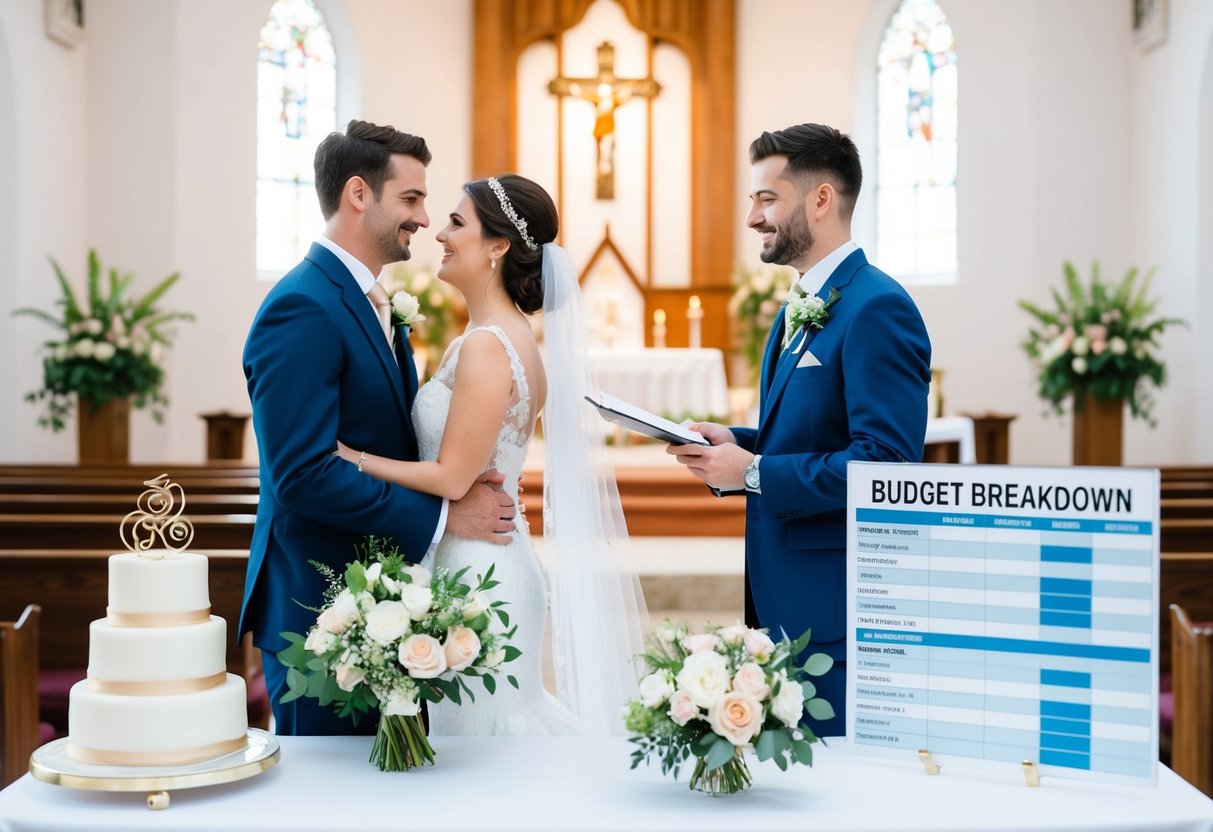
Understanding the costs associated with key wedding components can help you plan your budget wisely. Each part of your wedding carries specific expenses that you should consider carefully to avoid surprises.
Ceremony Expenses
Ceremony expenses usually include costs related to the venue, officiant, and any special permits. In the UK, popular venues like churches or registrars can charge from £200 to £1,500.
You might also need to pay for music, such as a soloist or band, which can range from £100 to £1,000. Additionally, don’t forget about your wedding stationery, including invitations and programs, which can total around £200 to £500.
Make sure to allocate funds for any floral arrangements that will be part of the ceremony, as they can add a lovely touch at prices varying from £100 to £500.
Reception Breakdown
The reception generally takes up the largest part of your budget. This includes the venue hire, catering, and entertainment. Venue hire can significantly vary based on location, ranging from £1,000 to £10,000 or more.
Catering costs can be approximately £20 to £100 per person, depending on the menu choices. Plus, don’t overlook expenses for the wedding cake, which typically costs between £300 and £800.
You may also want to invest in entertainment, like a DJ or live band, which can range from £500 to £2,000.
Attire and Rings
Your wedding attire can be one of the biggest expenses. The average wedding dress in the UK costs between £1,000 and £3,000. Alterations can add another £100 to £500, so plan accordingly.
Groom’s attire, which often includes a suit and accessories, could total around £500 to £1,500.
Don’t forget about the wedding rings. A wedding band can cost anywhere from £100 to £2,000, while engagement rings often start from £1,000 and can go much higher based on carat and design.
Flowers and Decorations
Floral arrangements play a key role in enhancing your wedding’s aesthetic. You’ll need flowers for the ceremony, reception, and personal bouquets. Depending on your choices, costs can range from £500 to £3,000.
This includes bridal bouquets, corsages, and table centerpieces. It is wise to consult with a florist to decide the best options within your budget.
Consider additional decorations, such as table linens and lighting, which can also impact your overall costs. Expect to spend around £300 to £1,500 on decor, depending on the complexity.
Photography and Videography
Capturing your wedding day is essential, making photography and videography important expenses. Hiring a professional wedding photographer can cost between £1,000 and £3,000. This usually includes a pre-wedding shoot and a full day of coverage.
Videography can add another layer of memories, costing anywhere from £800 to £2,500. You might want a highlight reel or complete footage, so check packages closely.
Don’t be shy to ask for examples of previous work to find someone whose style matches your vision. Consider setting aside a portion of your budget for this to secure a quality keeper of your memories.
Pre- and Post-Wedding Events

Planning your wedding involves more than just the big day. There are various pre- and post-wedding events that set the stage for celebration. Knowing who pays for each can help you avoid confusion and keep costs manageable.
Engagement Celebrations
Engagement parties are a wonderful way to kick off your wedding journey. Typically, family or friends host this event, often covering the costs. As a general rule, the bride’s family often helps organize it. This party can be as simple or elaborate as you wish.
You might consider sending out formal wedding invitations to invite guests. It’s also a great time to toast to the future and share your excitement. While costs can vary, expect to budget between £200 to £800 depending on the location and guest count.
Stag and Hen Parties
Stag do and hen parties are classic traditions in the UK. They provide a final fun experience before you tie the knot. The bridal party usually takes charge of planning, but it’s important to get input from you, the bride or groom.
When it comes to payments, the costs of the stag do or hen party typically fall on group members. This includes activities, accommodation, and meals. You can expect to budget around £100 to £300 per person. Just make sure everyone is clear on how much they’ll need to contribute.
Rehearsal Dinner and Morning-After Brunch
The rehearsal dinner is often hosted by the groom’s family and takes place a day or two before the wedding. This gathering allows everyone to meet and align on wedding day details. It often includes close family and the wedding party. Typically, costs can range from £300 to £1,000 based on the venue and menu options.
The morning-after brunch is a warm way to say goodbye to your guests. It’s not necessary, but if you opt for one, the couple usually covers the expenses. This brunch is a relaxed environment for sharing memories from the wedding. Just plan a budget that can include food, drinks, and venue costs.
Honeymoon and Final Considerations
Planning your honeymoon is an exciting part of getting married. Traditionally, the groom or his family covers these expenses. This includes costs like travel, accommodation, and any activities during the trip.
Here are some common honeymoon expenses you might encounter:
- Flights: Costs can vary based on your destination and time of year.
- Accommodation: Hotels or rentals can range widely in price.
- Activities: Consider budgeting for excursions, dining out, and local attractions.
You might also want to think about how you will pay for everything. Nowadays, many couples choose to share these costs or ask for contributions through a honeymoon fund. This allows your friends and family to help support your trip.
Don’t forget to account for any additional wedding costs that may arise. These can include:
- Wedding planner fees: If you hire a planner, ensure this is included in your budget.
- Officiant fee: This is typically required for the ceremony.
- Transportation: Whether it’s a wedding car or your trip to the honeymoon, factor these expenses in.
- Venue fees and catering costs: These can take up a large part of your wedding budget.
With careful planning, you can enjoy your special day and start your journey together without unnecessary financial stress.