
Who Puts the Ring on First in a Wedding? Exploring Traditions and Customs
The moment of exchanging rings during a wedding ceremony is filled with love and tradition. Traditionally, the groom puts the ring on first, symbolizing his commitment to the bride. This age-old practice highlights the meaningful bond between partners as they express their devotion to one another.
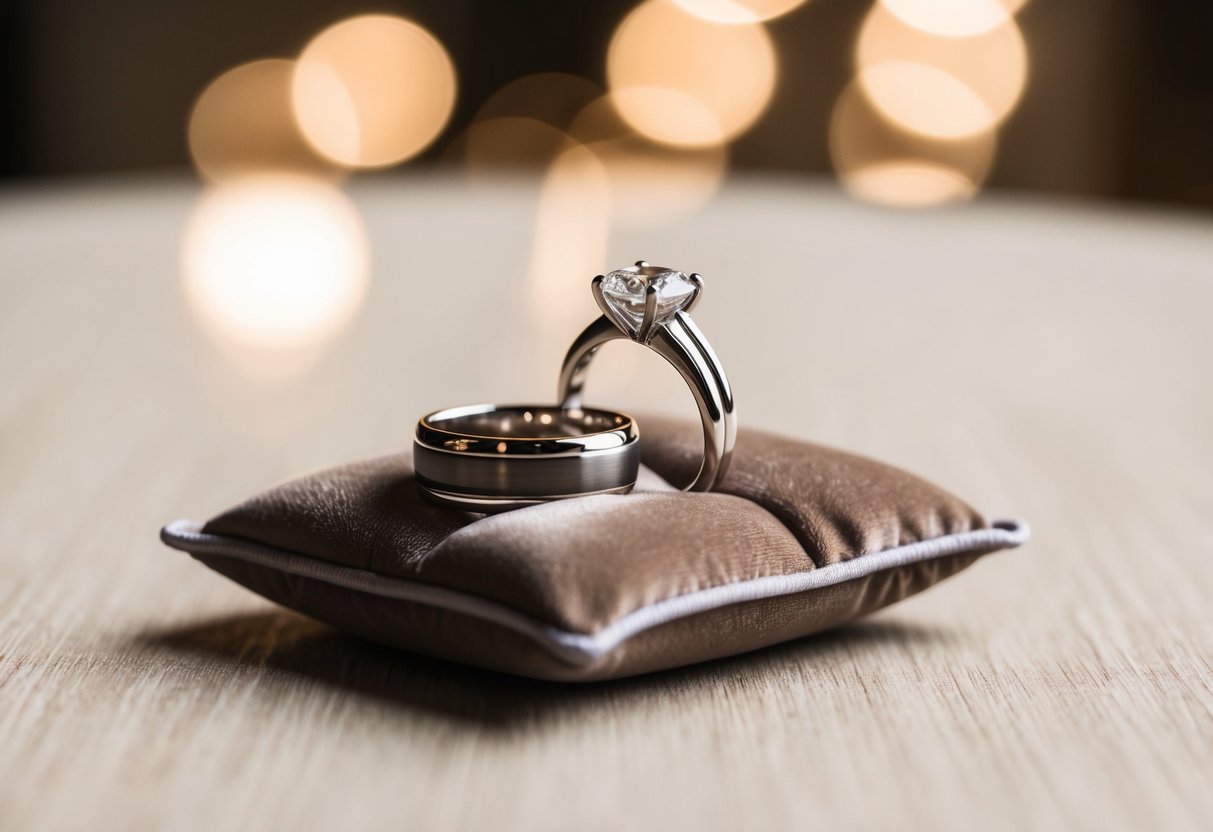
While the groom typically goes first, many couples choose to personalize this part of their ceremony. Whatever you decide, the ring exchange is a significant moment that represents your love and the promise you make to share your lives together.
Understanding these traditions can help you make choices that reflect your values and relationship. As you prepare for your big day, consider how you want to approach this beautiful ritual. Whether you stick to tradition or create your own unique twist, the focus remains on the commitment you are making and the love you share.
The Tradition of Ring Exchange
The exchange of wedding rings is a meaningful ritual in wedding ceremonies. It carries deep historical roots, significant symbolism, and a structured order that couples often follow during their vows. Understanding these aspects can enhance the meaning of this beautiful moment.
Historical Roots of the Ring Exchange
The tradition of exchanging rings dates back thousands of years. The ancient Egyptians believed that a vein in the left ring finger, known as the “vena amoris,” led directly to the heart. This idea shaped the custom of placing a ring on this finger to symbolize love and commitment.
In many cultures, including Roman and Greek societies, wedding rings were given as symbols of ownership and fidelity. Over time, this practice evolved into a more positive symbol of the eternal bond between partners. Today, various religious and cultural traditions still incorporate ring exchanges, emphasizing their lasting significance.
Significance of the Wedding Ring
Wedding rings represent much more than a piece of jewelry. They are a symbolic gesture that embodies love, commitment, and the promise of fidelity. The circular shape of the ring symbolizes eternity, with no beginning or end, reflecting the idea of an everlasting relationship.
In religious traditions, rings often carry special meanings. For example, in Christianity, rings can symbolize an unbreakable covenant, while in other cultures, rings may have additional spiritual significance. Choosing a wedding ring is a deeply personal decision, often influenced by cultural traditions and individual tastes.
Order of the Ring Exchange Ceremony
The ring exchange ceremony typically follows the recitation of vows. Traditionally, the groom goes first, placing the ring on the bride’s finger, signifying his commitment and love. Afterward, the bride places her ring on the groom’s finger, completing the ritual.
While this traditional order is widely observed, couples today may choose to personalize their exchange. Some may opt to exchange rings simultaneously or even switch roles based on their preferences. Ultimately, the order of the ring exchange reflects a couple’s unique bond, making it a special moment in their wedding.
Roles in the Ceremony
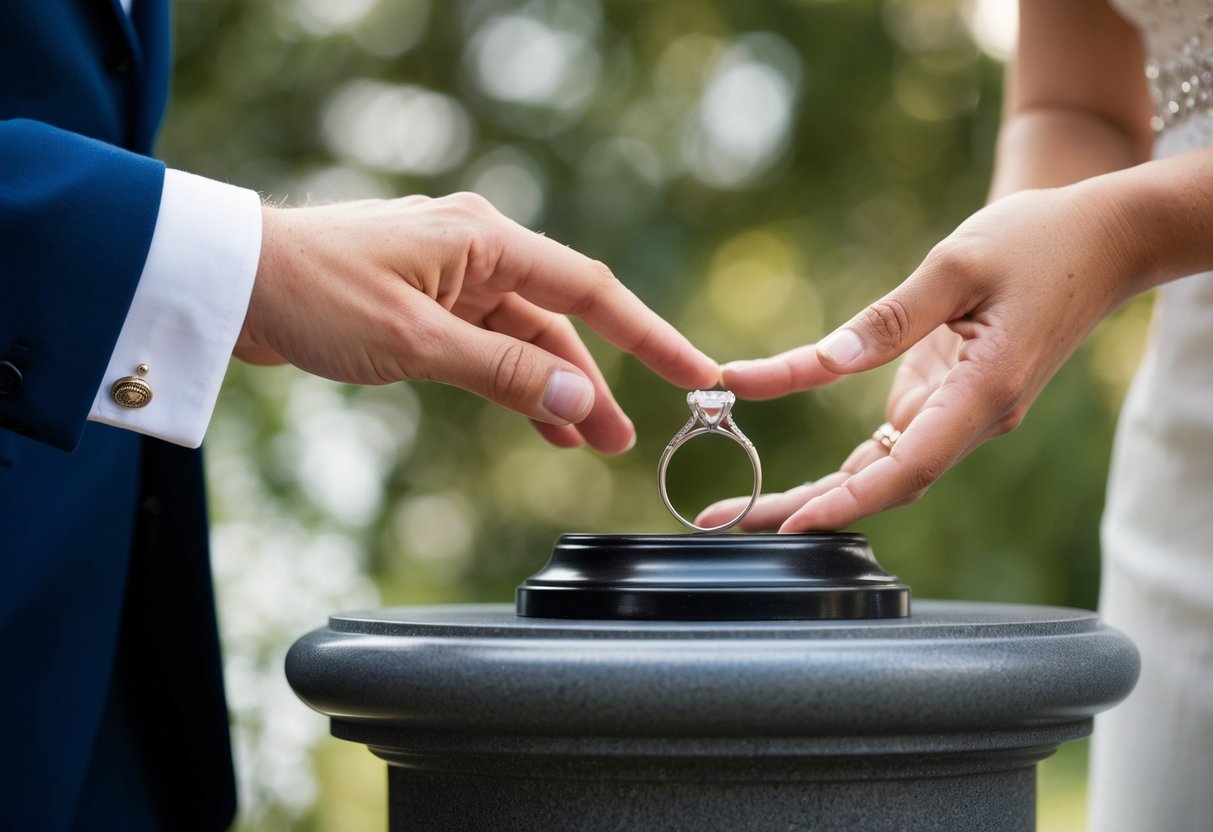
During a wedding ceremony, the roles of different individuals highlight the significance of the ring exchange. Each person involved plays a part in creating a memorable experience, especially during the ring exchange moment.
Who Goes First: Bride or Groom?
Traditionally, the groom puts the ring on the bride’s finger first. This custom symbolizes his commitment and love. Yet, many couples choose to switch it up based on personal preference or to break from traditional gender roles.
Some modern ceremonies have the bride putting her ring on first, emphasizing equality. This choice can reflect the couple’s values and beliefs. It’s important to discuss your preferences before the big day to ensure a meaningful exchange.
Role of the Officiant
The officiant plays a crucial part in the wedding ceremony. They guide you through the exchange of vows and rings. This professional keeps the ceremony flowing smoothly and ensures everything is in order.
During the ring exchange, the officiant may prompt you when to present the rings. They can also provide words that enhance the emotional impact of this moment. Having an officiant who understands your vision for the ceremony is key to a successful experience.
Involvement of the Best Man and Maid of Honor
The best man and maid of honor also have important roles during the ring exchange. The best man is often responsible for holding the wedding rings until the moment they are needed. This includes ensuring the rings are safely presented to you during the ceremony.
The maid of honor may support the bride by helping with her bouquet and making sure she is ready for the ring exchange. Together, they help manage the couple’s side of the ceremony, adding to the special nature of the day. With their assistance, everything runs smoothly and memories are made.
Personal Touches and Preferences
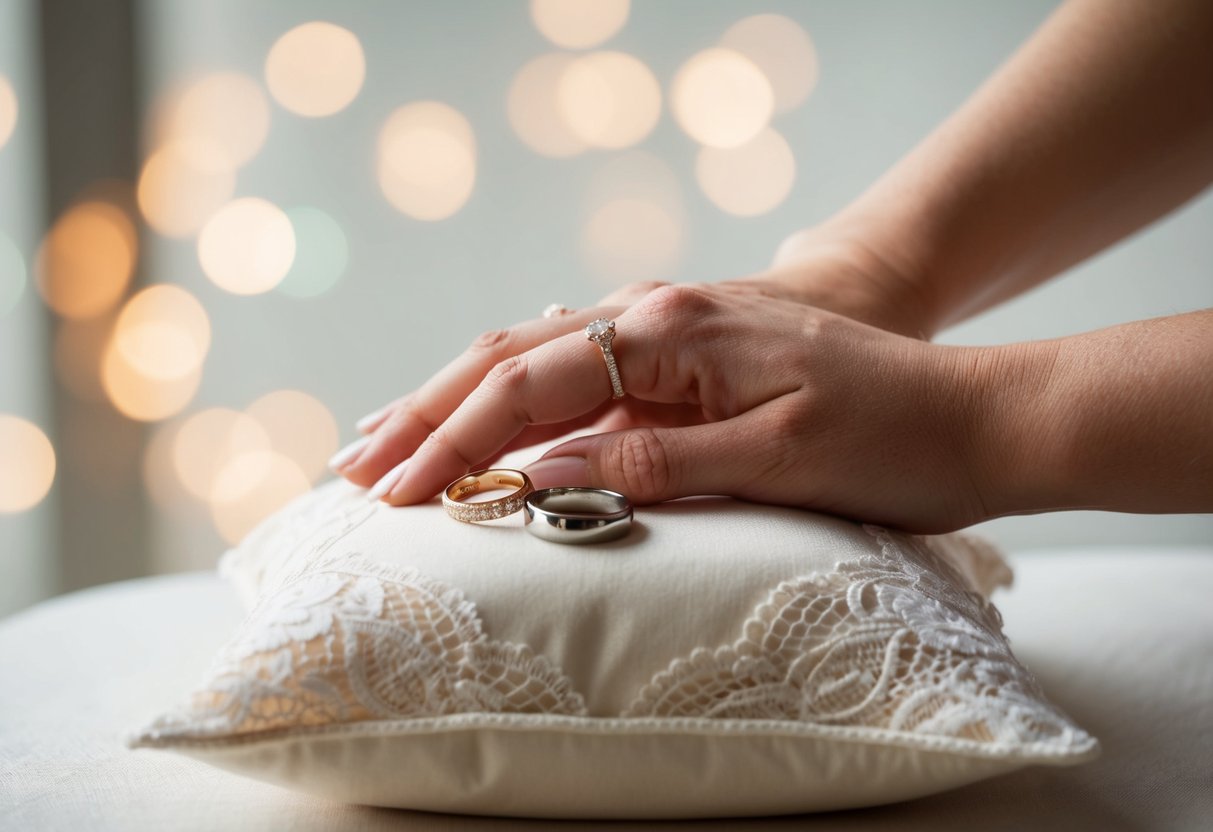
Your wedding ring exchange can be a reflection of your unique love story. Personal touches and preferences make this moment even more special. From the choice of bands to how you exchange them, every detail can showcase your individual style and connection.
Choosing Wedding Bands
When picking out your wedding bands, consider what works best for you and your partner. Factors like metal type, width, and design can greatly affect how your rings look and feel.
For example, if you love the shine of gold but prefer the durability of platinum, you might mix metals. You can also personalize your rings with engravings. Simple phrases, dates, or initials can add a sentimental touch.
Think about how your band complements your engagement ring. You may want both rings to match or have contrasting styles that express your personal styles.
Modern Adaptations and Personalization
In modern weddings, couples are embracing personalization more than ever. Many couples now choose unique designs that tell their story. Why stick to tradition when you can tie in elements that resonate with you both?
Consider incorporating meaningful symbols or stones that reflect milestones in your relationship. A jewelry designer can help create a custom piece, blending your ideas into a beautiful ring.
Colors and shapes can also be tailored to suit your taste—think outside the box! Use sapphires or alternative gems if diamonds aren’t your style. This is your moment to express your commitment in a way that feels true to you.
Simultaneous Ring Exchange
One popular trend is the simultaneous ring exchange. Instead of one partner putting on the ring first, you can both exchange rings at the same time. This method emphasizes equality and unity in your relationship.
It can also make the moment feel more collaborative and fun.
During the rehearsal, you can practice this approach to ensure everything flows smoothly on your big day.
Discussing this idea with your partner can lead to a meaningful tradition that reflects how you both view your commitment. This small change can make your ceremony more memorable, allowing both of you to shine.