
Who Reads Vows First? Understanding Wedding Traditions
Choosing who reads vows first is an important decision in your wedding ceremony. Traditionally, the groom says vows first in Western ceremonies. However, this can vary based on personal preference and traditions. Many couples are now deciding to break away from this norm to make the ceremony their own.

Understanding the significance behind this choice can deepen your commitment to each other. Your vows not only express your love but also symbolize the start of a lifelong partnership. Whether you embrace tradition or create your own path, what matters most is that your vows reflect your unique love story.
As you plan for this special moment, consider how you want to express your feelings. The order can impact how you both feel during the exchange, so think about what suits you best as a couple. Ultimately, it’s about celebrating your love and commitment in a way that feels right for you.
Traditions and Orders of Vows
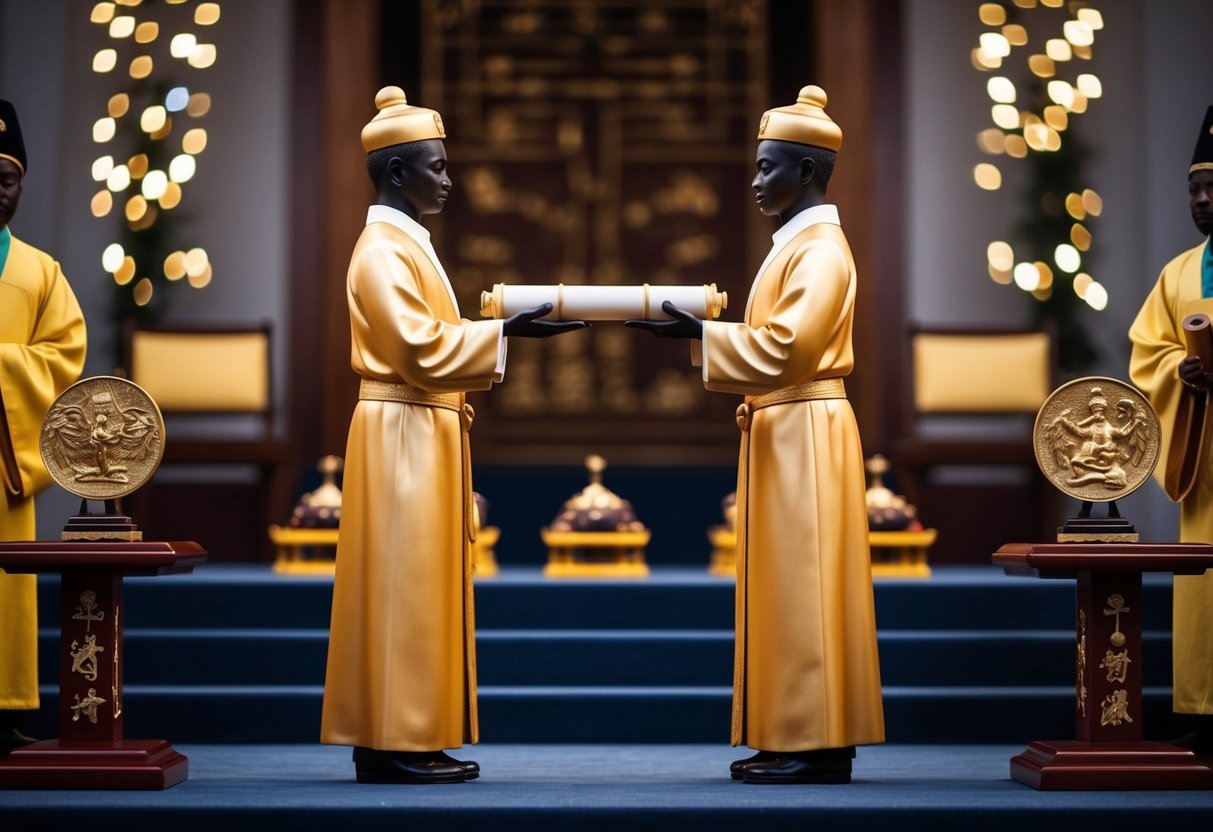
The order in which vows are exchanged can vary widely based on cultural and religious backgrounds. You will find traditional practices alongside modern approaches that allow for personalization and creativity in expressing commitments.
Cultural and Religious Influences
Different cultures have unique practices regarding who says vows first. In many religious ceremonies, the groom often goes first. For example, in Catholic and Eastern Orthodox weddings, this tradition holds strong. It reflects historical views of men as heads of households. In contrast, some Protestant and Unitarian ceremonies may allow the bride to speak first.
Jewish and Muslim weddings also showcase different customs. For instance, Jewish vows may include a significant focus on shared commitments. Meanwhile, in Hindu weddings, rituals can involve both partners exchanging promises at the same time, highlighting shared love and respect.
Traditional vs. Modern Approaches
In traditional ceremonies, the order of vows is often fixed, emphasizing roles and commitments. The groom’s vows usually come before the bride’s in these settings. This style reflects age-old customs in various cultures.
Modern weddings embrace flexibility. Many couples now personalize their vows. You may choose to express your feelings first or even write personal vows that reflect your unique relationship.
Personalization allows for creativity in how love is expressed. Some couples mix traditional phrases with their heartfelt promises, creating a meaningful experience. In this way, modern couples honor their roots while celebrating their individuality. This trend makes weddings feel even more special.
Roles and Processional Structure
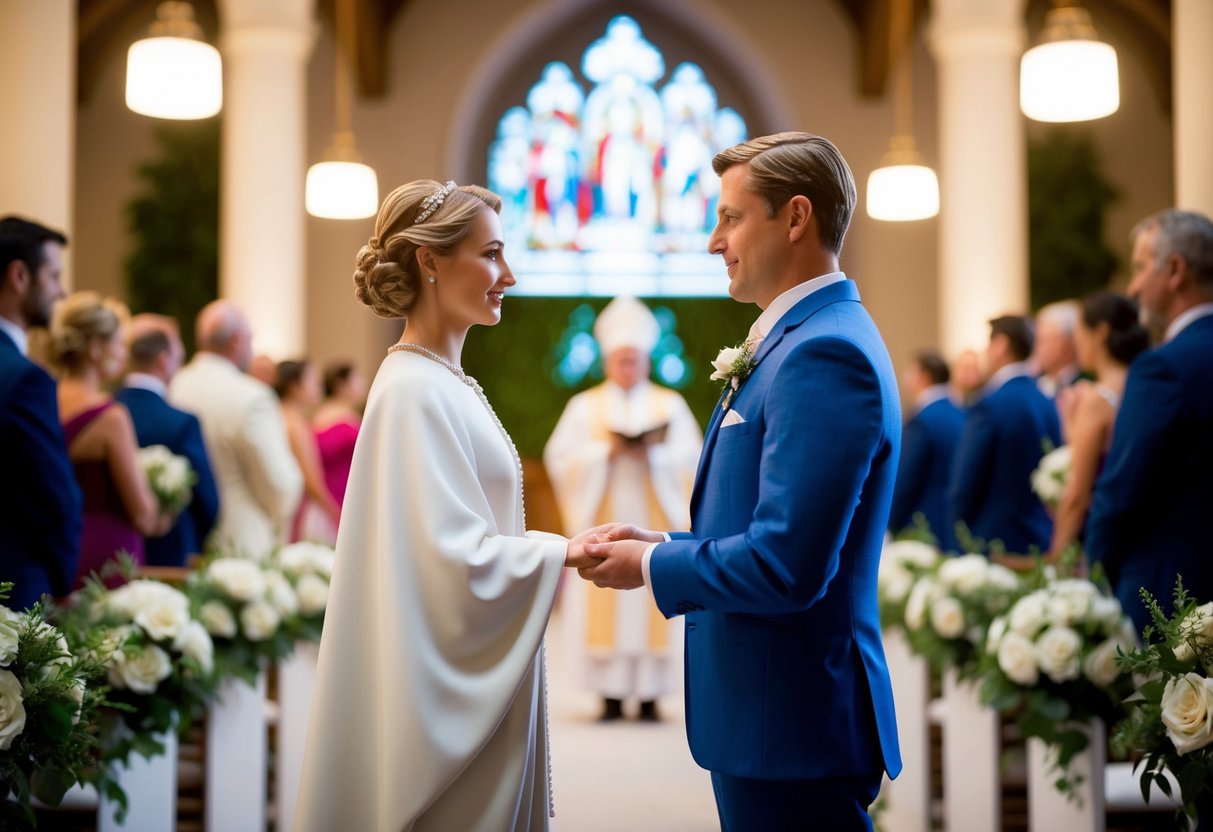
The roles during a wedding ceremony can shape how vows are exchanged. Understanding the standard layout helps you plan. However, personal preferences and modern views on equality also play a significant role in how you can structure your ceremony.
Standard Ceremony Layout
In a traditional wedding ceremony, the processional sets the stage. This usually includes the entrance of the officiant, followed by the groom, and then the bride. Each participant walks down the aisle to music, creating a beautiful atmosphere.
During the exchange of vows, the groom typically goes first. This follows longstanding customs in many cultures. It’s important to remember that this order can shift, especially in same-sex couples or gender-neutral ceremonies. Each couple can decide how they want this part to unfold, reflecting their unique relationship.
Equality and Personal Preferences
Modern weddings embrace equality and personal choice. Many couples today prefer a more balanced approach. In this setup, you might choose to say vows simultaneously, or alternate who goes first.
Same-sex couples often create their own customs, focusing on what feels right for them. Including all members of the wedding party in the ceremony can also show equality and support. Don’t hesitate to tailor these moments to reflect your values, respecting both tradition and your personal preferences. After all, it’s your special day!
Crafting and Delivering Vows

Creating and sharing your wedding vows is a special part of the ceremony. It’s a chance to express your commitment and promises to each other.
Writing Personal Vows
When writing personal vows, think about what makes your relationship unique. Start by reflecting on your journey together. Consider these key points:
- Shared Experiences: Recall meaningful moments you’ve shared.
- Promises: Identify specific commitments you want to make.
- Values: Think about what’s important to both of you.
Use heartfelt language that feels natural. Aim for a balance between sincerity and light-heartedness. It’s okay to add a touch of humor if it suits your style. Keep your vows around one to two minutes long for a good flow during the ceremony. This timeframe allows your words to resonate without dragging on.
Guidelines for Recitation
When you recite your vows, feeling calm and collected helps. Here are some tips:
- Practice: Read your vows out loud several times. This builds comfort and confidence.
- Maintain Eye Contact: Look into your partner’s eyes. This fosters trust and connection.
- Pace Yourself: Speak slowly and clearly. Take pauses where it feels right.
If you’re nervous, take a deep breath before you start. With family and friends present, remember that they’re there to support you. Trust in the love and communication you share.