
Who Repeats Wedding Vows First? Understanding the Tradition Behind the Ceremony
When planning your wedding ceremony, you might wonder about the order of exchanging wedding vows. Traditionally, the groom often says his vows first, but there’s no strict rule about this. Many couples today choose to personalize their ceremonies, deciding together who will speak first.

Understanding who repeats vows first can help set the tone for your special day. Some prefer the traditional approach, while others opt for a more modern twist that reflects their unique relationship. Whatever you decide, the focus is on the commitment you both are making to each other.
As you navigate your wedding planning, remember that this moment is all about you and your partner. Exploring different options for who says their vows first can make your ceremony even more meaningful.
Wedding Vow Traditions and the Role of the Officiant
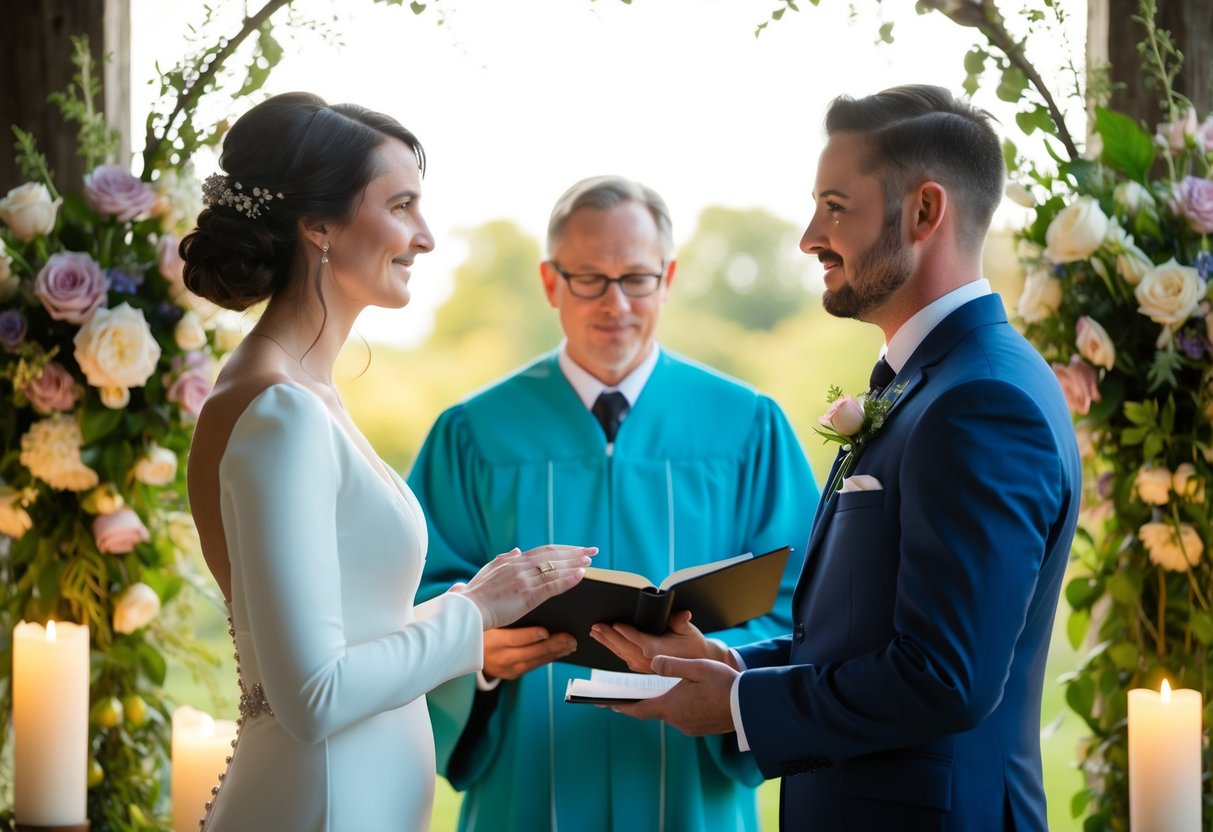
When planning your wedding, understanding traditions surrounding vow exchanges and the officiant’s role can help you create a meaningful ceremony. These elements influence the flow and significance of your special day.
Traditional Wedding Ceremony Order
In many traditional wedding ceremonies, the order of vows often follows a set pattern. Typically, the groom says his vows first. This ritual can reflect historical gender roles common in some cultures and religions. However, in modern ceremonies, couples often choose who says their vows first, allowing for more personal expression.
The officiant usually guides this process, announcing when it’s time for the vows. Often, couples can opt for a Repeat-After-Me style, where the officiant leads each partner through the vows. This keeps the ceremony engaging and inclusive. You can also choose to write your own vows, adding a unique touch to the traditional format.
Role of the Wedding Officiant
The wedding officiant plays a vital part in the ceremony. They ensure everything flows smoothly and aligns with both your wishes and any relevant religious customs. Your officiant starts the ceremony, often with a declaration of intent.
During the vow exchange, the officiant might read the traditional vows or help you recite your unique promises. Their role is to create a warm and respectful atmosphere, making the moment special. With their guidance, you can focus on the significance of what you’re saying rather than the logistics of the ceremony.
Personalizing Your Ceremony
Making your wedding ceremony unique is all about personal choices. You can decide who speaks first, mingle personal preferences, and write your own vows to make it meaningful. These elements can add a special touch to your big day.
Choosing Who Speaks First
Traditionally, the officiant decides who says their vows first. It’s often the groom, followed by the bride. However, you can personalize this. Maybe you want to switch things up by having the bride go first.
Consider what feels right for you and your partner. Discuss it together and be open to each other’s ideas. Breaking from tradition can showcase your relationship’s unique dynamic. Whether you stick with tradition or opt for something new, what’s most important is that it reflects your love story.
Incorporating Personal Preferences
Your wedding day should embody both of your personalities. Think about what you love as a couple. Do you have special traditions, hobbies, or favorite quotes?
Incorporate these elements into your vows. You can also include readings or songs that resonate with you. Another idea is to have family or friends involved in the ceremony. This personal touch can make the moment even more memorable and engaging for everyone.
Writing and Reciting Personal Vows
Writing your own vows can be one of the most rewarding aspects of your ceremony. Start by thinking about what love means to you. Include specific memories or traits you adore in your partner.
When it comes time to recite them, practice is key. Reading them aloud a few times will help you feel confident and calm. If you worry about getting emotional, keep your vows a bit shorter. You want to express your feelings without feeling overwhelmed. Personalized vows can highlight your unique journey together and connect deeply with everyone present.
Navigating Modern Ceremonies and Cultural Practices
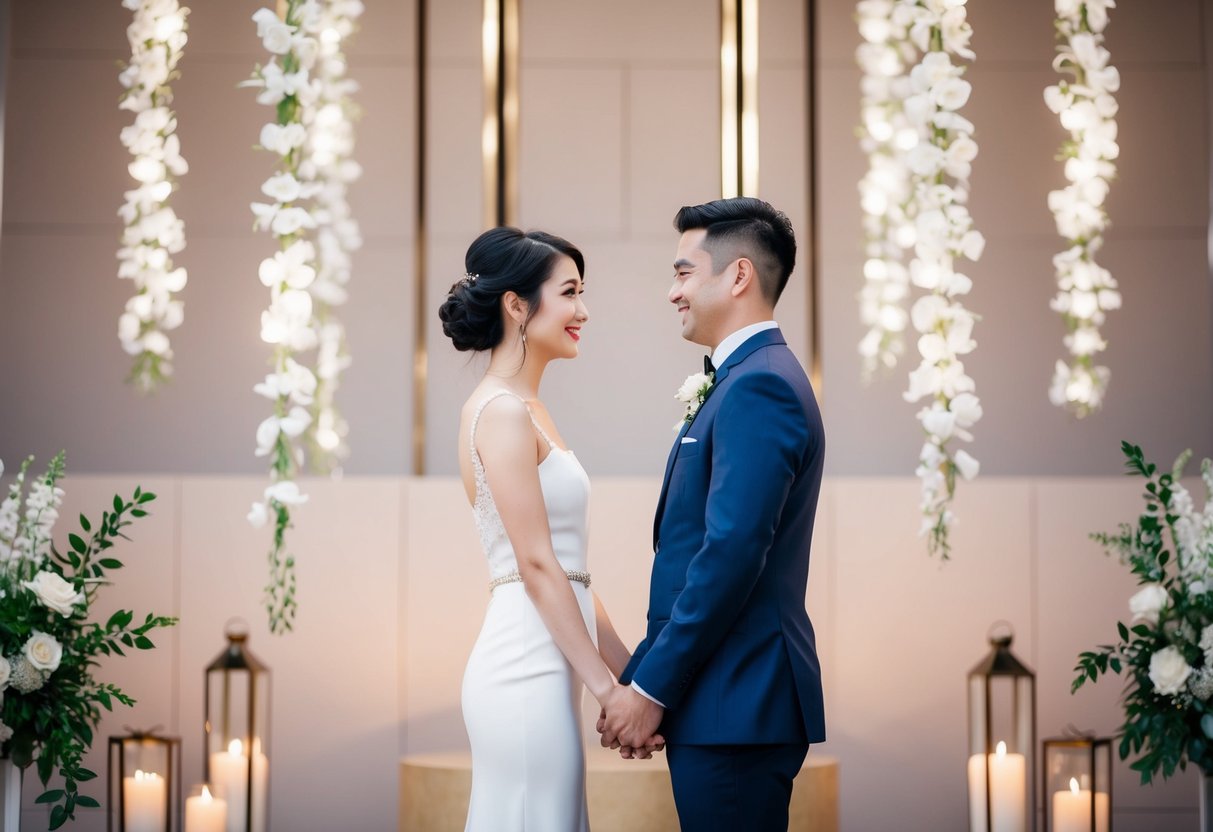
In today’s diverse world, wedding ceremonies are more unique and varied than ever. You may find yourself exploring new traditions, especially regarding who repeats vows first. This section covers how modern weddings and cultural practices impact vow exchanges.
Same-Sex Couple Vow Exchanges
For same-sex couples, the question of who says vows first can be more flexible. Many choose a simultaneous exchange of vows to reflect their partnership equally. This approach reinforces the idea that both partners share equal importance.
In some ceremonies, couples opt to personalize the order of their vows based on comfort levels. You might find that both partners expressing their vows at the same time feels more natural and intimate. This practice honors their love without strict adherence to traditional norms.
Modern and Unconventional Ceremonies
In modern and unconventional weddings, the flow of the ceremony can be entirely unique. You might encounter creative scripts where vows are not just spoken but also tied to personal stories. Couples often focus on what makes their relationship special.
Some choose to incorporate rituals or symbols alongside the vow exchange. It’s not uncommon for couples to write their own vows, blending traditional elements with personal touches. You might have the freedom to decide the order, making the moment truly yours.
Cultural Influences on Vow Order
Cultural practices play a vital role in determining vow order. In some cultures, the groom traditionally says vows first, while others might dictate a specific sequence. Understanding these customs can help you respect your backgrounds while planning your ceremony.
You might also find that your cultural traditions allow for more fluidity. For instance, some couples may choose to combine elements from different cultures, resulting in a unique ceremony. This blend can reflect both partners’ heritage while celebrating your love story together.
Roles and Responsibilities During the Vow Exchange
Understanding the roles and responsibilities during the vow exchange can make the ceremony smoother and more meaningful. Each participant has specific tasks that contribute to this important moment.
Order and Structure in Traditional Ceremonies
In traditional ceremonies, the officiant plays a key role. They guide the bride and groom through the process and set the tone. Usually, the officiant starts with an introduction and talks about the significance of the vows.
After this, the groom typically repeats his vows first. This is often followed by the bride. Both may choose to speak their vows aloud after the officiant or to repeat what the officiant says.
The exchange of rings usually follows the vows. This signifies commitment and is a crucial part of the ceremony. The order helps in providing a clear flow, making the moment special for everyone present.
Switching Up the Traditional Order
Tradition is important, but you can customize the vow exchange to reflect your style. Some couples may choose to write their own vows and share them in a different order.
If you want to change things up, consider having the bride speak her vows first. This can be a lovely surprise and add a personal touch.
Another option is to switch the order of the ring exchange, allowing the groom to place the ring on the bride’s finger first. Each change can create a unique experience for the couple and the guests, making the moment even more memorable.