
Who Says “I Do” First in a Wedding? Understanding the Tradition
When planning your wedding, plenty of questions arise. One important topic is who says “I do” first. In traditional ceremonies, the groom typically says his vows before the bride, but this can vary depending on cultural customs and personal preference. This moment is not just a formality; it symbolizes your commitment to each other and sets the tone for your married life.
Understanding the order of vows during the ceremony can help you feel more prepared. Whether you choose to follow tradition or create your own unique experience, it’s about celebrating your love. Many couples opt to customize their ceremony to reflect their values and relationship.
As you navigate these decisions, remember that this moment marks the beginning of a lifelong journey together. Knowing who says “I do” first is just one piece of that beautiful puzzle. Each choice you make adds to the meaning of your special day.
The Role of Tradition in Wedding Vows
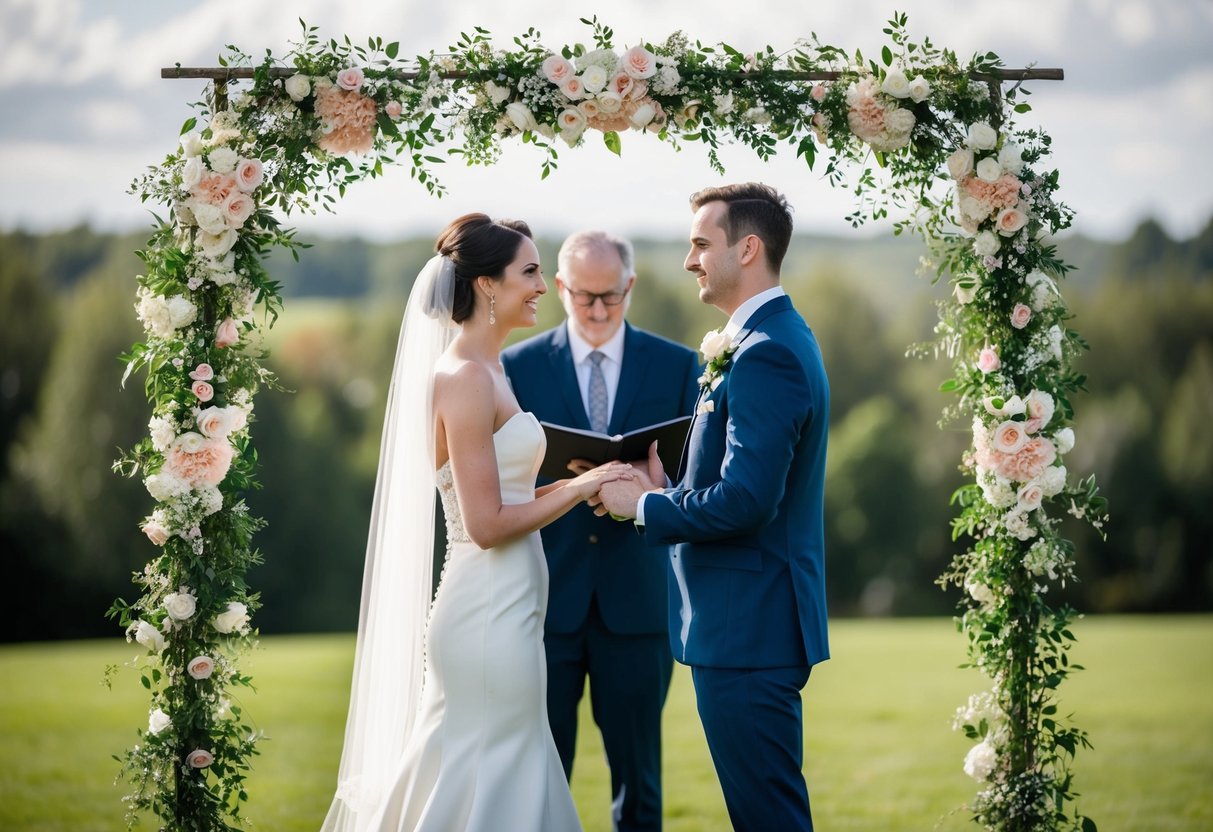
Traditions shape the way couples exchange their vows during wedding ceremonies. Understanding these practices can help you appreciate the significance of saying “I do” in the context of your own love story.
Understanding Traditional Order
In many cultures, the traditional order of wedding vows usually features the groom saying his vows first. This practice dates back centuries, influenced by patriarchal structures where men often held primary roles in family and community life.
In such ceremonies, you might notice that the groom typically expresses his promises before the bride. This ritual underscores gender roles present in historical contexts. However, couples today often choose to alter this order to reflect their values and beliefs about equality.
Cultural Traditions and Wedding Ceremonies
Cultural traditions play an important role in determining who says “I do” first. For example, in Western weddings, the groom typically leads the vow exchange. Still, other cultures have unique practices that can shift this dynamic.
In many societies, same-sex couples enhance these traditions by creating new ways to express their commitments. You might find that some couples opt for a joint vow exchange or personalize their vows in creative ways. This practice celebrates love without adhering strictly to historical customs.
Evolution of Vow Exchange Practices
Over time, the traditional practices surrounding wedding vows have evolved. Modern couples are increasingly seeking to break away from old customs and redefine their ceremonies.
You may encounter couples who choose to write their own vows. This trend challenges established rituals, allowing for more heartfelt expressions of love.
Moreover, as society recognizes diverse relationships, the focus shifts towards meaningful exchanges, regardless of gender or order. Today’s ceremonies might celebrate individuality while still honoring traditions, making each wedding truly unique.
Personalizing the Vow Exchange
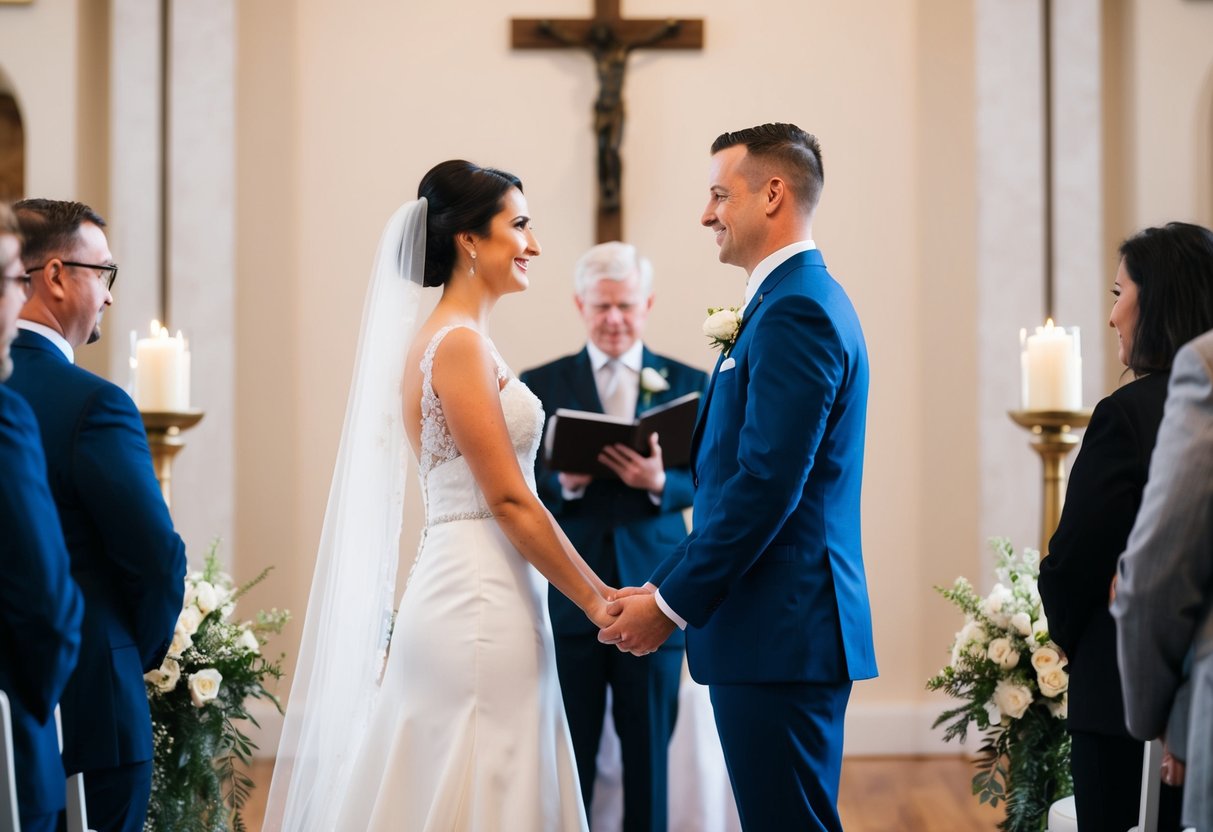
When planning your wedding, personalizing the vow exchange can make your ceremony even more meaningful. You can express your unique love story while considering elements like inclusivity and the importance of mutual commitment. Let’s explore how to customize this special moment.
Declaration of Intent and Personal Preference
The declaration of intent is a key part of any wedding ceremony. This moment usually occurs when you and your partner confirm your commitment to each other.
You can choose who goes first based on your personal preference. Some couples decide to have one partner declare their vows before the other, while others prefer an alternative order. It’s important to select an order that feels right for both of you.
Feel free to write your vows in a style that reflects your relationship. You can be serious, funny, or poetic. This is your chance to share your love in a way that resonates with both of you.
Inclusivity and Equality Considerations
Today, many couples value equality in marriage. This means that both partners should feel equally involved in the vow exchange.
Some might opt for a non-traditional order where both partners say their vows simultaneously or alternate lines. Being inclusive can also encompass how you word your vows. For example, you may want to avoid gender-specific terms that could feel outdated for modern couples. This sends a message of equality and respect from the very start of your life together.
Consider discussing these aspects with your partner so you are on the same page and can create a ceremony that honors both your views.
The Significance of ‘I Do’
The phrase “I do” may seem simple, but it carries great weight. It signifies a profound commitment and love between you and your partner.
By choosing who says it first, you help set the tone for your vows. You can think about what “I do” means to you. Is it a promise of support? A commitment to grow together? Understanding this can shape your vows.
You might also choose to personalize this part by adding a line that resonates with your journey together. This adds depth and meaning to what the exchange represents, transforming it into a treasured memory.
Order and Structure of the Wedding Ceremony
In a wedding ceremony, the order and structure play a crucial role in creating a memorable experience for everyone involved. Each part, from the processional to the exchange of rings, is filled with meaning and emotion.
The Processional and Its Meaning
The processional marks the beginning of the ceremony. It is when the VIPs—like family and the wedding party—walk down the aisle.
Traditionally, the groom and his parents come first, followed by the bridesmaids and groomsmen. Finally, the bride makes her entrance, usually accompanied by a parent or guardian.
This moment symbolizes unity and anticipation, setting the tone for the vows to come. Each step down the aisle is filled with joy and expectation from the gathered guests, making it a pivotal part of the day.
Sequence and Order of Wedding Vows
The sequence of vows is typically one of the most significant parts of the ceremony.
After the processional, the officiant welcomes everyone, often sharing a few words about love and commitment. Next, you will exchange your vows.
Traditionally, the couple recites their promises to each other in a specific order, often starting with the groom. This structure emphasizes the bond being formed through these heartfelt words. It is important to remember that your vows reflect your unique relationship, so personal touches can make them even more special.
The Ring Exchange and Recessional
The ring exchange follows the vows and symbolizes your commitment. You each place a ring on the other’s finger as a sign of everlasting love. This ritual is a beautiful moment that highlights the promise of fidelity.
After the rings are exchanged, the ceremony concludes with the recessional. The couple walks back down the aisle together, often followed by the wedding party and guests. This joyful exit marks the start of your life together as a married couple, filled with love and celebration.