
Who Says “I Do” First? Unpacking the Tradition in Wedding Ceremonies
When it comes to weddings, there’s often a big question: who says “I do” first? Traditionally, many couples opt for the groom to take the lead during this important moment of commitment. This can add a special touch to the wedding ceremony, symbolizing the promise he makes to his partner.

Choosing who goes first can vary based on personal beliefs, cultural practices, or simply what feels right for you as a couple. Consider discussing it with your partner to decide what resonates most with your relationship. This shared moment holds emotional weight, making it a significant part of your wedding day.
As you navigate through wedding planning, remember that the journey to “I do” is as meaningful as the words themselves. Each couple’s choice reflects their unique bond and commitment to one another.
The Tradition of Vow Exchange
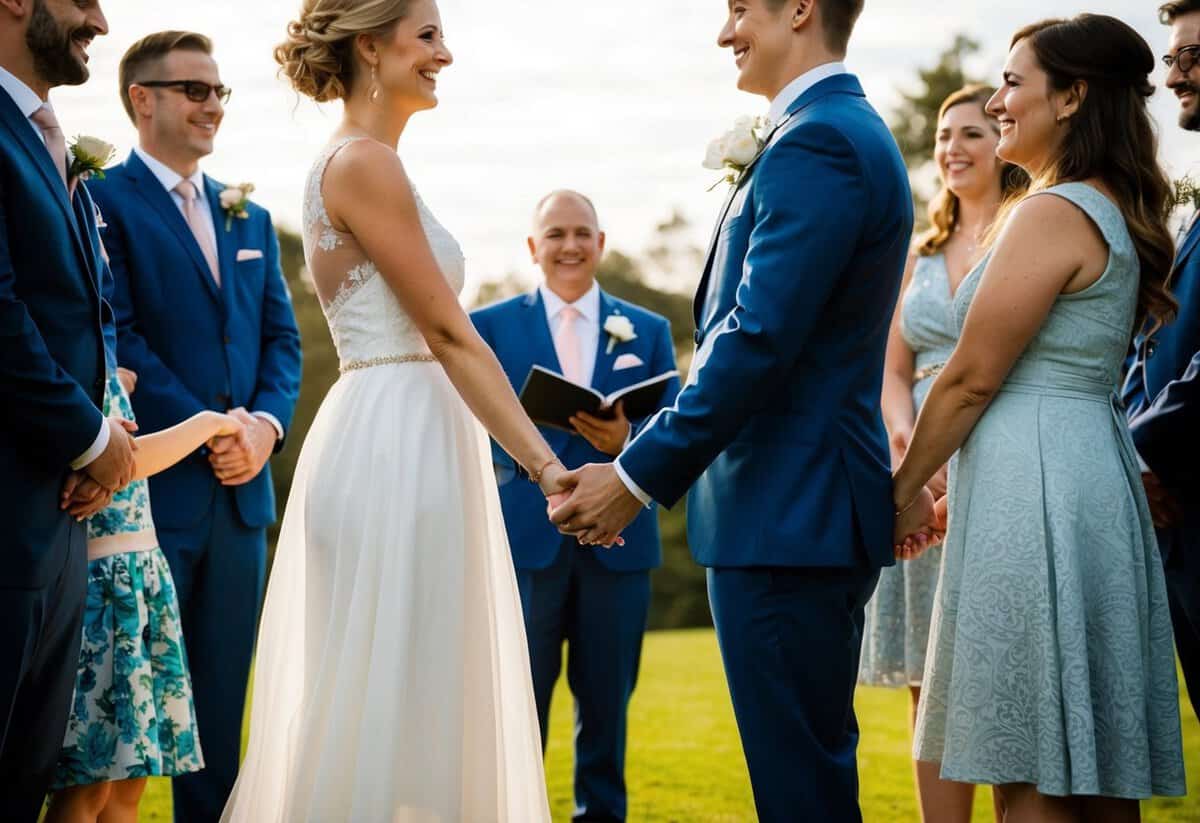
The exchange of vows is a significant moment in any wedding ceremony. It symbolizes commitment and love between partners. Various traditions and customs shape how and when these vows are exchanged.
Historical Overview
Traditionally, the groom says “I do” first during the vow exchange. This practice has roots in history, where men were often seen as the head of the household. In many cultures, this order reflects the social norms of the past.
In ancient wedding ceremonies, vows were simple declarations of intent. Over time, they evolved into more elaborate promises. Today, couples often write personalized vows, adding a modern twist to this age-old ritual.
Understanding that these historical practices influence current traditions can deepen your appreciation for your own ceremony.
Cultural Traditions and Religious Customs
Different cultures have unique approaches to the order of vows. For example, in some Christian denominations, it is customary for the groom to say “I do” first, followed by the bride. In contrast, other religions may have different customs regarding this moment.
In Hindu weddings, vows are exchanged during a ceremony called “Saptapadi,” where the couple takes seven steps together, each representing a promise.
These traditions highlight how cultural beliefs shape the way vows are expressed. Respecting these customs can make your wedding feel more meaningful and connected to your heritage.
Modern Adaptations in Weddings
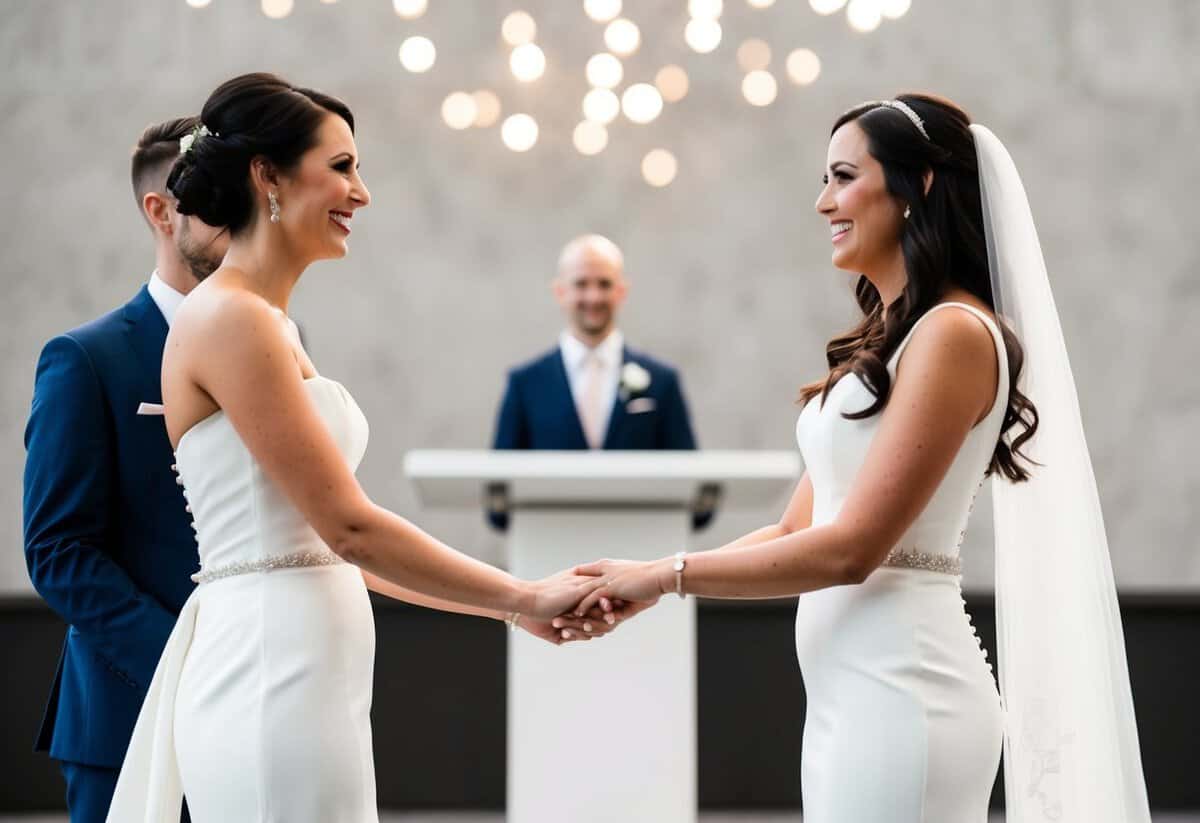
Weddings today reflect personal choices and beliefs more than ever. Modern couples often seek ways to make ceremonies feel unique and meaningful. Different approaches and professional guidance help create memorable experiences that resonate with your values.
Egalitarian Approaches
An egalitarian approach to weddings focuses on equality between partners. Instead of following traditional roles, many couples choose to share responsibilities equally. This means both partners might deliver wedding vows together or lead the ceremony.
Breaking away from traditional formats allows you to express your values. Couples often create personalized vows that highlight shared experiences. This method shows commitment and partnership, setting a tone of unity.
Role of Wedding Consultants
Wedding consultants play a crucial role in the planning process. They help you navigate the many options available for your ceremony. By working with a consultant, you can explore modern traditions that align with your values.
Consultants often have experience with various ceremonies. They can suggest unique ideas, from custom rituals to alternative vow wording. Their guidance can help you create a wedding that reflects your personality, ensuring every detail is meaningful to you.
Incorporating Personal Preferences
Incorporating personal preferences into your wedding is key to making it special. This includes everything from location to the order of events, including who says “I do” first. You might decide that it feels right for both partners to speak their vows together.
Consider adding elements that represent your journey as a couple. This could be a favorite song, a shared tradition, or even unique decor that tells your story. The aim is to create an event that you’ll cherish, which celebrates both of you as individuals and partners.
Executing the Vow Exchange
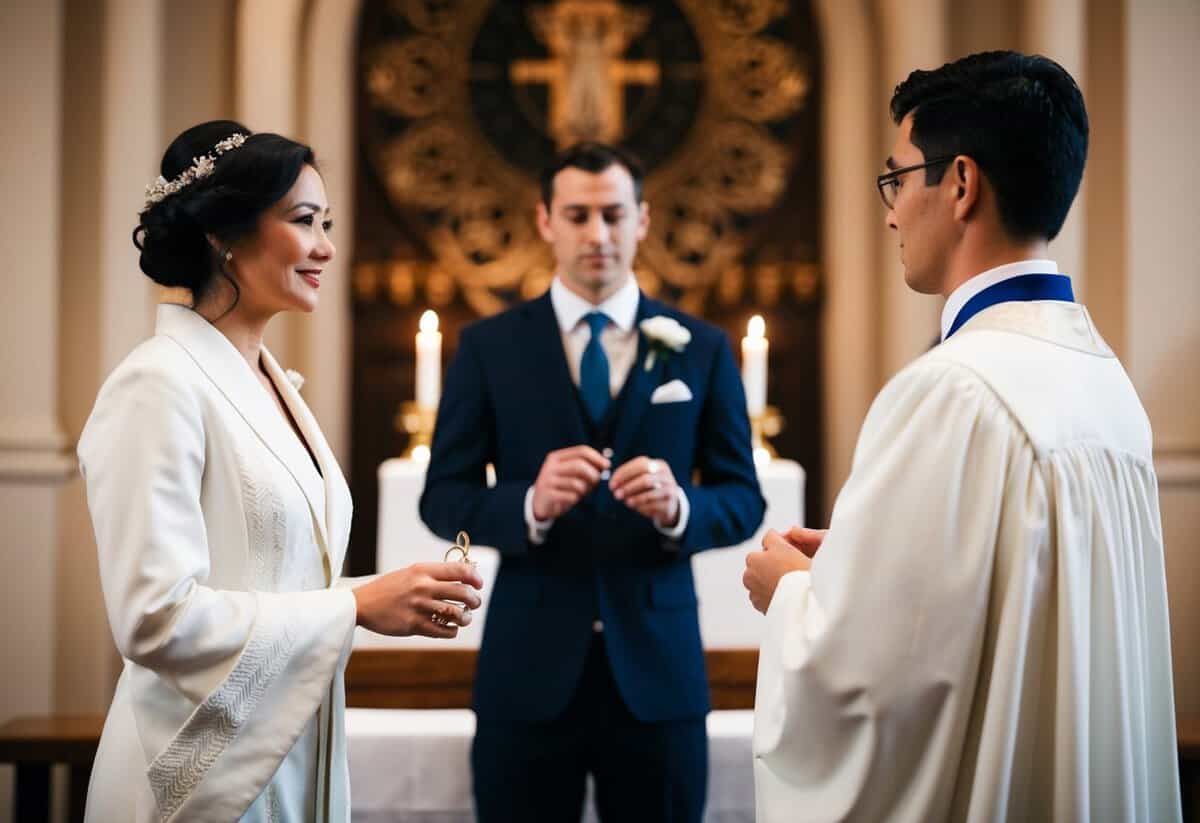
The vow exchange is a key moment in a wedding. It’s where you and your partner make promises to each other. This is a fundamental part of your partnership.
Traditionally, the groom says “I do” first, followed by the bride. This order is customary in many cultures. It’s important to understand how this fits into your special day.
Here’s a simple breakdown:
- Groom’s promises: He expresses his commitment first.
- Bride’s promises: She follows with her heartfelt vows.
After the vows, you might exchange rings. This symbolizes your love and commitment. Rings are a physical reminder of the promises made during the ceremony.
During the exchange, you can personalize your vows. This is your chance to express what your partnership means to you. Sharing personal stories makes the moment even more special.
Make sure to practice. Knowing your vows by heart can ease nerves. It allows you to focus on the love you share, rather than worrying about remembering the words.
Keep the atmosphere relaxed. Deep breaths can help both of you stay calm. This moment is about celebrating your unique bond as a couple. Enjoy every second of the vow exchange, as it’s a beautiful start to your new life together.