
Who Says Vows First? Exploring the Order of Wedding Traditions
When planning your wedding, the order of the ceremony can be a topic of curiosity. You might wonder who says the vows first. Traditionally, the groom says his vows first, followed by the bride, but this can vary based on personal choice and cultural practices.
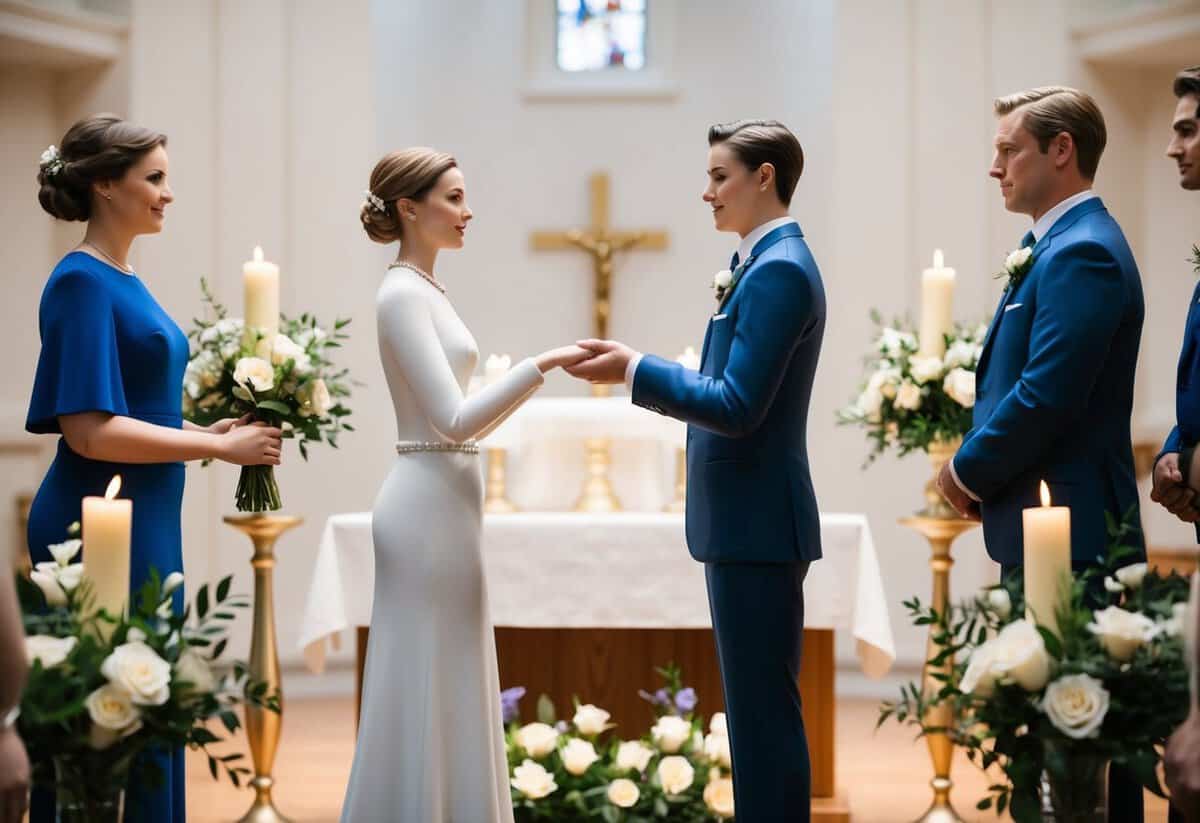
As you think about your own ceremony, you might like to explore the meaning behind who goes first and how this impacts the couple’s commitment to each other. Many modern couples are choosing to say their vows at the same time or switch up the order to reflect their relationship better.
Understanding this aspect of your wedding can help you create a more meaningful moment during your vows. The way you choose to exchange vows sets the tone for your marriage, making it a decision worth carefully considering.
The Tradition of Wedding Vows
Wedding vows hold a special place in ceremonies around the world. They represent promises filled with love and commitment. Understanding their historical background and significance can help you appreciate why these moments are so important.
Historical Context of Vows
Traditionally, wedding vows date back centuries. In many cultures, they form an essential part of the marriage ceremony. In a patriarchal society, the groom often spoke these vows first, signaling his commitment to the bride.
Over time, the order of wedding vows has shifted. You can now choose to say them together or in any order you prefer. This flexibility allows you to celebrate your unique bond in a way that feels right for you. Many couples find inspiration in historical examples of traditional wedding vows.
Significance of Marriage Vows
Marriage vows are more than just words. They symbolize the start of a lifelong journey together. When you say your vows, you express your love and promises in front of family and friends.
The significance of these vows can vary by culture. For instance, some couples incorporate personal touches, while others adhere to traditional wedding vows. This mix of creativity and tradition reflects your values and beliefs. The emotions attached to these promises create a deep bond between you and your partner, emphasizing the love you share.
Who Says the Vows First
The order of saying wedding vows can differ greatly between traditional and modern ceremonies. Understanding this can help you navigate the important moment of exchanging your vows with your partner.
Order in Traditional Ceremonies
In traditional ceremonies, the groom usually says his vows first. This order often reflects historical gender roles in weddings. Many customs dictate that the groom’s vows come before the bride’s.
In a standard sequence, the officiant prompts the groom to begin with his vows. Following that, the bride will then express her vows. These traditions may vary slightly depending on cultural and religious backgrounds, but the groom-first pattern is quite common.
Variations in Modern Weddings
Modern weddings have become more flexible in terms of vow exchange. Couples today often choose to say their vows at the same time, promoting equality. This can provide a more personal touch to the ceremony.
Same-sex couples also contribute to these changes, often creating personalized vows that suit their relationship. In some cases, couples may even flip a coin to decide who goes first. This approach emphasizes the commitment between partners rather than adhering to outdated customs.
Personal Preferences Impact
Your personal preferences play a crucial role in deciding who says vows first. Many couples opt for personalized vows, allowing each partner to express their unique promise.
Timing and emotional connection matter. Some find it more meaningful to exchange vows one after the other. Others may want to share their vows together for an intimate moment. The key is to choose what feels right for you, ensuring that your wedding reflects your commitment and love.
Components of the Wedding Ceremony
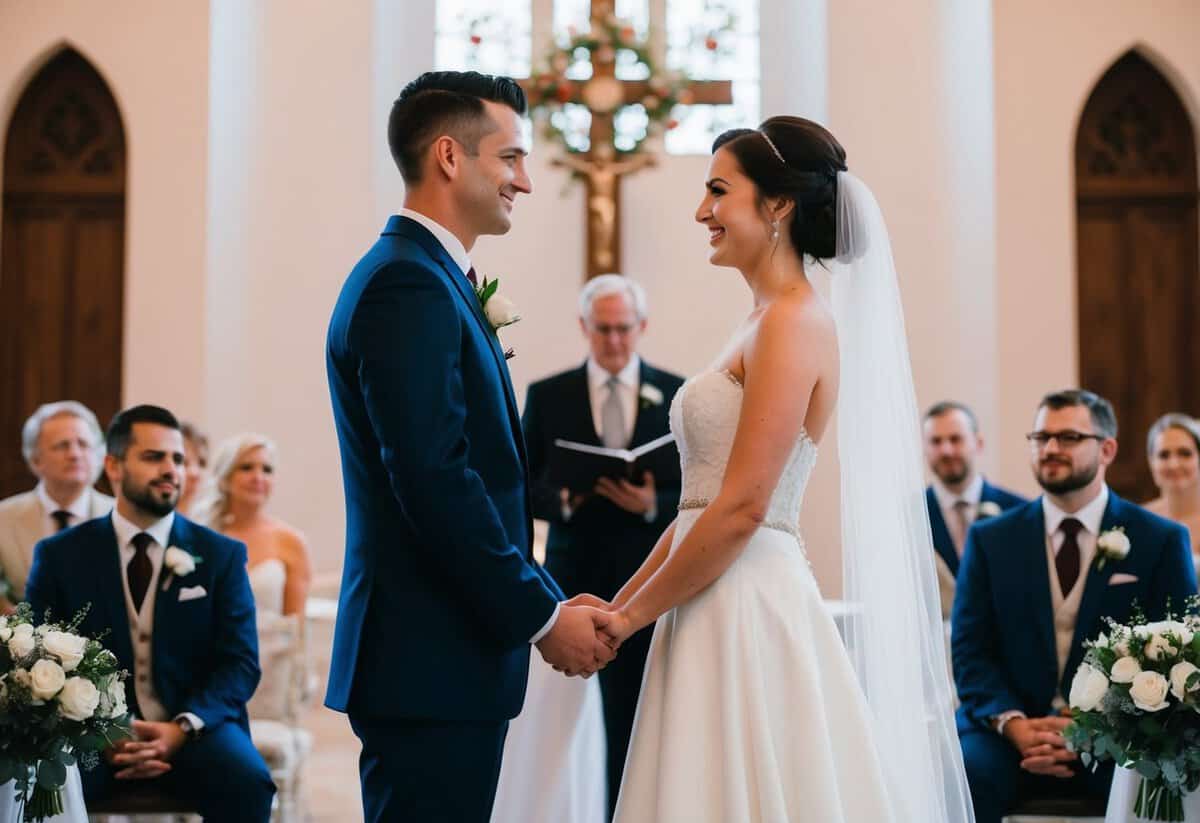
In a wedding ceremony, several key components come together to create a meaningful experience. Each part plays a vital role in expressing love, commitment, and the couple’s unique values. Here are some essential elements to consider.
Processional and Ceremony Script
The processional marks the beginning of your wedding ceremony. It is the moment when you and your wedding party enter, setting the tone for the day.
The officiant often begins by welcoming guests and introducing the significance of the ceremony.
Next, the ceremony script outlines the specific order of events. This might include readings, music, and spoken elements that resonate with your personal beliefs.
Many couples choose traditional wedding scripts, while others may opt for unconventional ceremony scripts that reflect their unique love story.
Exchange of Rings and Vows
The exchange of rings symbolizes your commitment to each other. During this part of the ceremony, you will place wedding rings on each other’s fingers, signifying your bond.
The exchange of vows is a highlights the significance of marriage vows. You can choose to recite traditional vows or create unconventional wedding vows that capture your unique relationship.
Some couples may opt for a simultaneous exchange of vows, where both partners speak their promises at the same time. This moment often brings deep emotions to the surface, emphasizing love and commitment.
Unity Rituals and Cultural Elements
Unity rituals add a personal touch to your ceremony. These rituals symbolize the joining of two individuals into one family.
Common examples include lighting a unity candle or blending sands.
Cultural elements may also play a role in your vows and rituals. For instance, many religious wedding ceremonies incorporate specific prayers or blessings.
Understanding these traditions can guide your choice of vows and enhance the ceremony’s meaning.
Consider how these customs resonate with you and your partner as you plan your special day.