
Who Sends Out Wedding Invitations? A Guide for Couples and Their Families
When it comes to wedding invitations, the couple getting married typically sends them out. It’s a key part of wedding planning that helps set the tone for your special day. You want to make sure that your loved ones receive clear and timely information about the celebration.
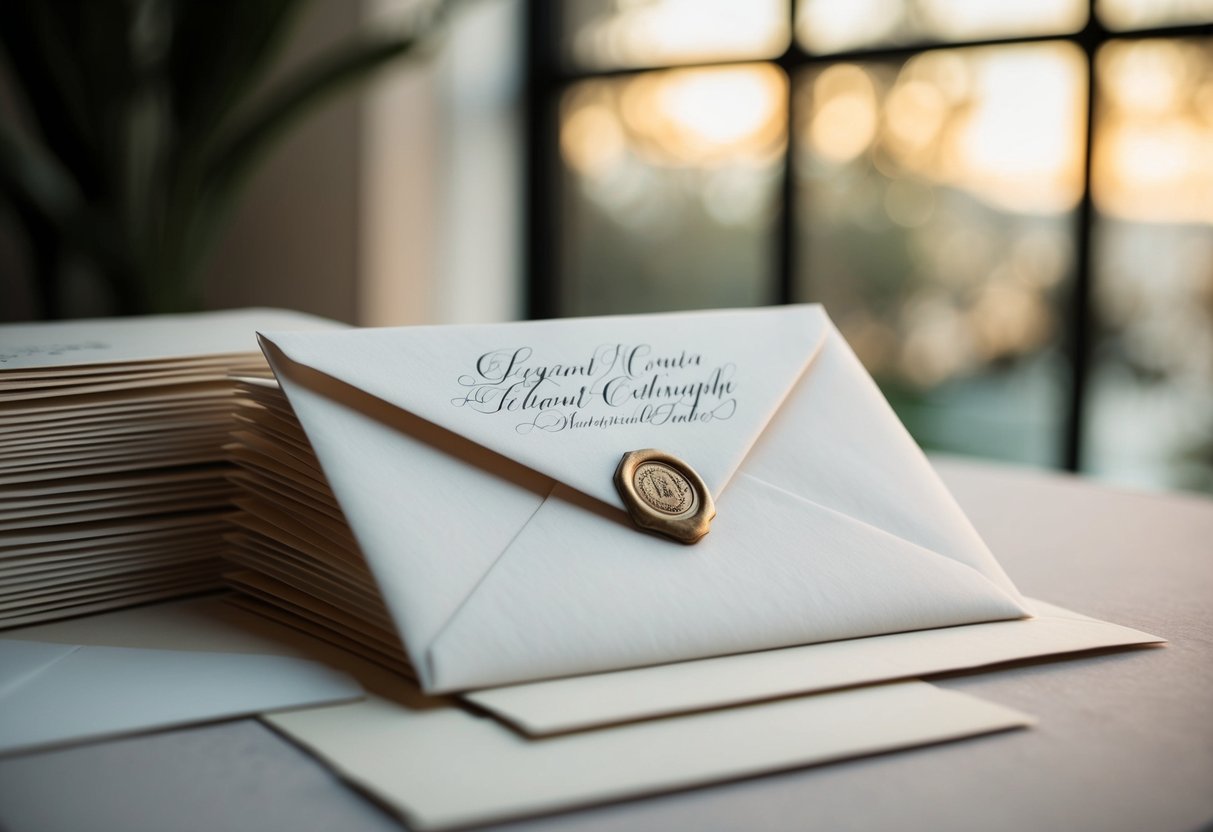
Understanding invitation etiquette can also help you navigate the process smoothly. For example, consider sending save-the-date cards well in advance, especially if you expect guests to travel. This allows everyone to plan ahead and ensures a larger turnout for your big day.
You might also be wondering who else might help with this task. In some cases, parents of the couple may take part in sending invitations, especially when budgeting or guest list decisions are involved. Knowing who sends out the invitations can make your planning a little easier and more organized.
The Role of Etiquette in Wedding Invitations
Wedding invitations are more than just a piece of paper; they’re a way to communicate your special day with guests. Understanding the etiquette surrounding these invites can help you create a memorable experience for everyone involved.
Understanding Wedding Invitation Etiquette
When you start planning your wedding invitations, it’s essential to follow proper etiquette. Traditionally, the parents of the bride have taken the lead in sending out invites. They often cover the costs and help with the wording to ensure everything feels right.
Here are some key points to remember:
- Invitation Wording: Use formal language that reflects the tone of your wedding.
- Addressing Wedding Invitations: It’s important to address each invite correctly. Include titles and last names for a polished look.
- RSVP Information: Always ask guests to respond by a certain date. This helps with planning.
Don’t forget to include your wedding website if you have one. It’s a great way to share more details with your guests, like travel information or your gift registry.
Modern Twists on Traditional Invites
Today’s couples often put a unique spin on wedding invitations. While traditional methods are still popular, many are now embracing digital invites. These can be more convenient and eco-friendly.
Here are some modern touches you might consider:
- Wedding Stationery: Consider themed designs that match your wedding colors. It adds a personal touch.
- Casual Vibes: If your wedding is relaxed, feel free to use informal language in your invites.
- Digital Options: Websites or email invitations can streamline the process and reach guests quickly.
Remember, wedding invitation etiquette can grow with your personality. Whether you keep it classic or try something new, what matters is that it fits your vision.
Planning and Timing Your Invitations
Getting the timing and planning right for your wedding invitations is crucial. You want to ensure your guests have enough notice while also keeping the process organized. Here’s how to craft your guest list and set a timeline for sending your invites.
Crafting Your Guest List
Start by making a list of everyone you want to invite. It’s best to include family, friends, and anyone who plays an important role in your life.
Consider your wedding date when deciding on the size of your guest list. Larger weddings might require more planning, while smaller events could allow for a more intimate atmosphere.
After creating your list, categorize your guests into groups like immediate family, close friends, and colleagues. This will help when you send save-the-date cards or wedding invitations.
Be mindful of your engagement length, as this might affect who you want to invite, especially if some guests live far away and need time to make travel arrangements.
Setting the Timeline for Invitation Activities
Your wedding invitation timeline is key to a smooth process. Ideally, send out save-the-date cards 6 to 12 months before the wedding if it’s a destination or larger event. For local weddings, aim for 6 to 8 months.
Once the date is set, consider sending the wedding invitations 8 to 12 weeks in advance. This gives your guests enough time to RSVP and plan accordingly.
Don’t forget to schedule other invitations too, like bridal shower and engagement party invitations. These should be sent out earlier to give guests time to prepare.
Tracking responses can also help you adjust your guest list as needed. Be sure to follow up with anyone who hasn’t responded a week or two after the RSVP deadline. This keeps everything on track for your big day!
The Logistics of Wedding Invitations
Getting the logistics right when sending out wedding invitations is essential. You want to ensure your guests receive all the information they need, especially about RSVPs and any special travel arrangements.
Managing RSVPs and Guest Confirmations
RSVPs are crucial for planning your wedding. Including a clear RSVP card with your invitation makes it easy for guests to confirm their attendance. The card should provide a deadline for responses. This ensures you have enough time to finalize details like seating arrangements and catering.
Aim for positive RSVPs by following up with guests who haven’t responded. You can make a quick phone call or send a friendly text. Remember, knowing exact numbers can help you plan better. Having a solid count enables you to manage costs effectively too!
Accommodating Travel and International Guests
When inviting international guests or those traveling from afar, plan ahead. Send out your wedding invites 3-4 months before the wedding date for destination weddings. This gives guests ample time to make travel arrangements.
In your invitation, include helpful details like local hotels, airport information, and any shuttle services you offer. It can be useful to create a wedding website where you share travel tips and local attractions. This makes it easier for your guests to feel welcome and less stressed about travel.
Budgeting for Your Wedding Invites
Budgeting for wedding invitations is an important part of your wedding expenses. Knowing how much to spend can help you stay on track.
Start by setting a total budget for your invitations. You should allocate 4-6% of your overall wedding budget. For example, if your total budget is $10,000, plan to spend around $400 to $600.
Consider these costs when budgeting:
- Design Costs: Hiring a designer can vary widely in price. Templates can be more affordable.
- Printing: Options range from digital printing to letterpress. Prices can be between $500 and $800 for about 100 invites.
- Postage: Don’t forget to add postage, which is $0.66 for a standard stamp (up to 1 oz). Additional ounces cost $0.24 each.
When thinking about your wedding invitation wording, make sure it reflects your style and sets the tone for the event. Keep your message clear and concise to avoid extra costs from revisions.
You can also save money by choosing a complete wedding invitation package. This often includes save-the-dates, invitations, and thank-you cards for a better price.
Planning ahead helps you feel confident about your choices. Stick to your budget and enjoy the process!