
Who Should Be on the Top Table at a Wedding? A Guide to Your VIPs
Choosing who sits at the top table during your wedding is important for setting the right atmosphere for your big day. Typically, the bride and groom sit at the center, flanked by their parents and closest family members. This arrangement allows you to honor those who mean the most to you while making sure everyone can see your special moments throughout the reception.
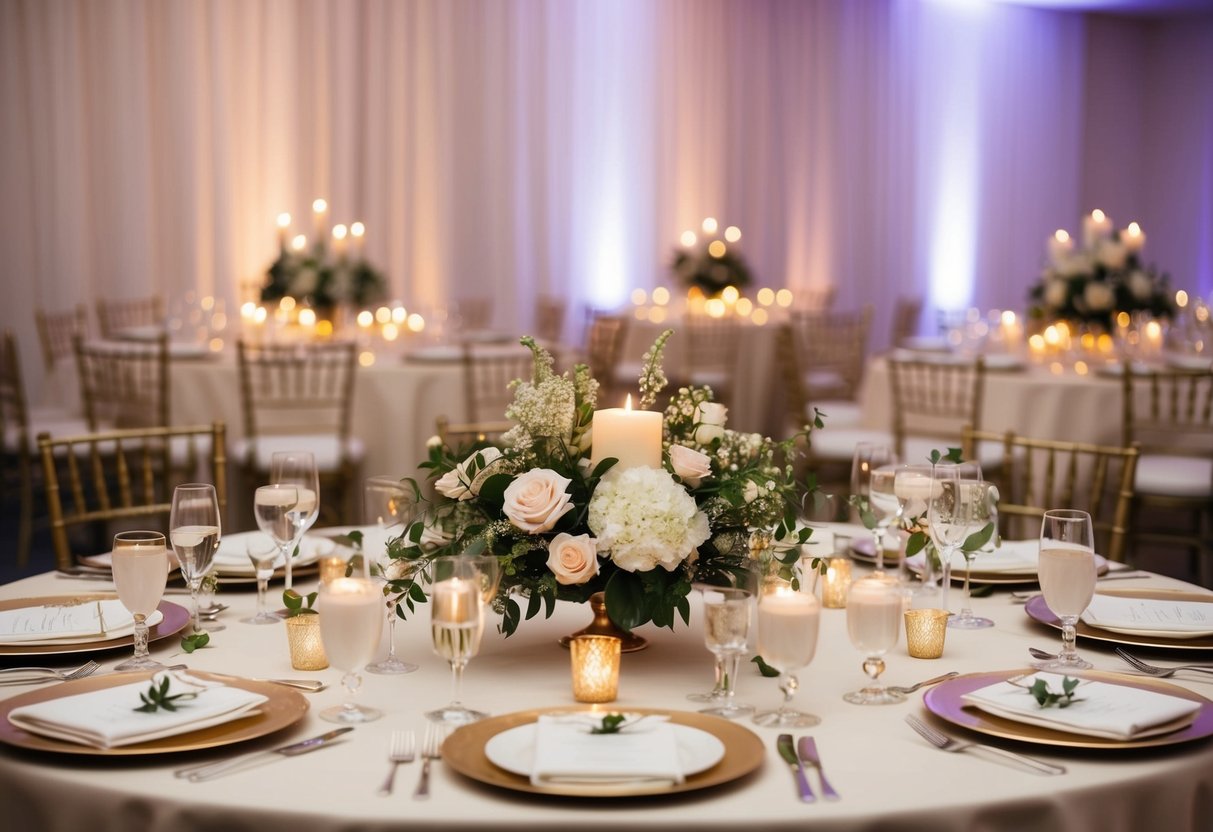
As you plan your seating chart, consider the relationships and dynamics that will be present at your wedding. Including your parents, siblings, and perhaps even a close friend or two can create a warm and supportive environment. This thoughtful seating plan ensures that your top table reflects the love and connection among your nearest and dearest.
There are no strict rules when it comes to seating arrangements. You can mix traditions with your personal preferences to create a top table that feels just right for you. Your wedding should be a celebration of your unique love story, and the seating at your wedding reception plays an essential role in that experience.
Factors Contributing to Top Table Seating
Choosing who sits at the top table is important for a wedding. Various factors influence these decisions, including guest hierarchies, cultural beliefs, and family dynamics. Understanding these elements helps you create a seating arrangement that feels right for your special day.
Guest Hierarchies at Weddings
Guest hierarchies play a key role in top table seating. Typically, the bride and groom sit in the center, surrounded by their closest family and friends. This traditional setup includes parents, siblings, and perhaps a best man or maid of honor.
Close Family Members: The couple may want to prioritize family members, ensuring that parents and siblings have a place at the table.
Friends: Close friends also deserve recognition. You might include your best friends or those who have been important in your life.
Cultural and Personal Preferences
Cultural traditions significantly impact seating choices. For example, in some cultures, it’s customary for all parents to sit together. In others, the bride’s family might take precedence.
Personal preferences also matter. If you prefer a more informal setting, consider a sweetheart table that allows just the two of you to enjoy a moment of intimacy.
Union of Two Families: Think about how you can best represent the joining of two families, addressing any cultural customs that are important to you and your partner.
Special Considerations for Family Dynamics
Family dynamics can complicate seating arrangements. If parents are divorced or remarried, it’s important to handle this delicately.
Divorced Parents: Decide whether to seat them separately or together. Open conversations with them ahead of time can ease tensions.
Step-Parents: Each person’s feelings matter, especially for step-parents who may want to be included.
Being thoughtful about these dynamics helps create a comfortable atmosphere that respects everyone attending.
Traditional vs. Modern Seating Arrangements
When planning your wedding, choosing the right seating arrangement is key to setting the tone of your celebration. You have both traditional and modern options to consider, which can tailor the experience for you and your guests.
The Classic Top Table Layout
The classic top table layout is often where the bride and groom sit in the center. Typically, their parents are seated beside them. This arrangement honors family and highlights the couple as the focal point of the event.
In a traditional setup, the Chief Bridesmaid and Best Man sit next to the couple. This creates a sense of intimacy and keeps key people close. If you prefer a more inclusive feel, you might expand this layout to include siblings or close friends, creating a larger family table.
Contemporary Alternatives
Modern couples often look for ways to personalize their seating. One popular choice is the sweetheart table. This gives the couple their own space while still making them the center of attention.
Another option is the head table, which can include the entire wedding party. This fosters a fun and lively atmosphere. If you’re aiming for a smaller gathering, consider the intimate sweetheart table. This choice allows for a cozy vibe just for the two of you, while everyone else enjoys their own tables.
Feel free to get creative! Mixing styles can make your wedding unique and reflect your personality as a couple.
Essentials of Wedding Seating Etiquette
Getting the seating arrangement right is key for a smooth wedding reception. You want to create an inviting atmosphere while honoring important relationships. Here’s what you need to know about arranging the wedding party and seating the parents.
Arranging the Wedding Party
When it comes to the top table, you typically want the bride and groom in the center, flanked by their closest friends and family.
A common arrangement is:
- Bride and Groom
- Maid of Honour next to the bride
- Best Man beside the groom
- Bridesmaids and Groomsmen sit next to their respective sides
You might also choose to include more special guests like the flower girl or ring bearer nearby. Keep in mind that the seating order should reflect the relationships; the closer the ties, the closer the seat at the table.
Seating the Parents of the Couple
Seating the parents of the couple is a significant part of your wedding etiquette. Traditionally, the parents of the bride and groom sit at the top table or nearby.
A typical setup is:
- Bride’s Parents sit on one side
- Groom’s Parents sit on the other
If the couple has stepparents, you can honor them by reserving seats at a nearby table. Make sure to ask your parents about their preferences. They may wish to sit together or near other family members. Showing consideration for family dynamics will help create a warm, inclusive atmosphere.