
Who Should Buy the Bride’s Bouquet? Tips for Choosing the Perfect Buyer
Choosing who buys the bride’s bouquet is an important part of wedding planning. Traditionally, the groom buys the bride’s bouquet. He symbolizes love and commitment as you prepare for your celebration. This makes the bouquet more than just a floral arrangement; it becomes a cherished part of your wedding ceremony.
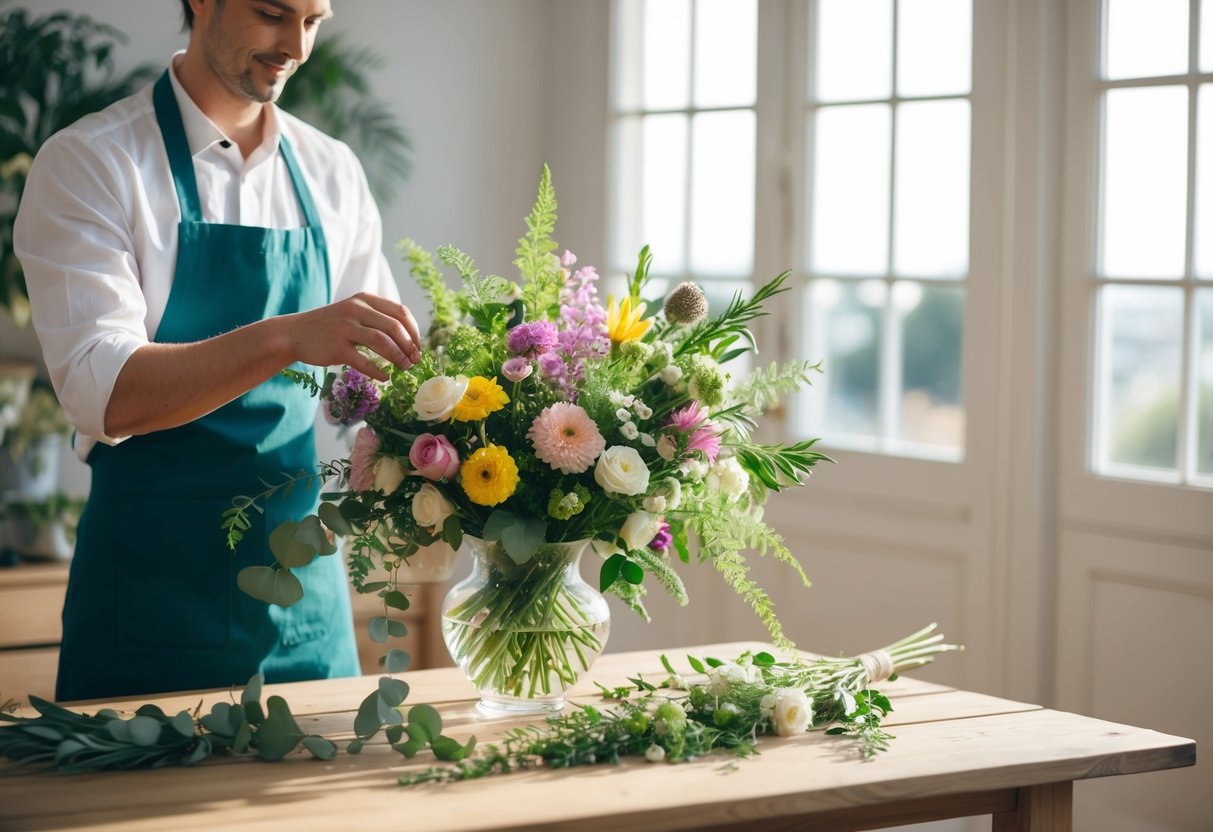
While the groom often takes on this responsibility, families sometimes share costs or make new arrangements based on personal preferences. Whatever you decide, it’s essential to ensure that the bouquet fits the overall theme and style of your wedding day. The colors and flowers can reflect your love story and make your special day even more memorable.
When planning, consider the traditions that matter most to you and your partner. This decision can set the tone for your wedding and help make the experience feel uniquely yours.
Understanding the Tradition of the Bride’s Bouquet
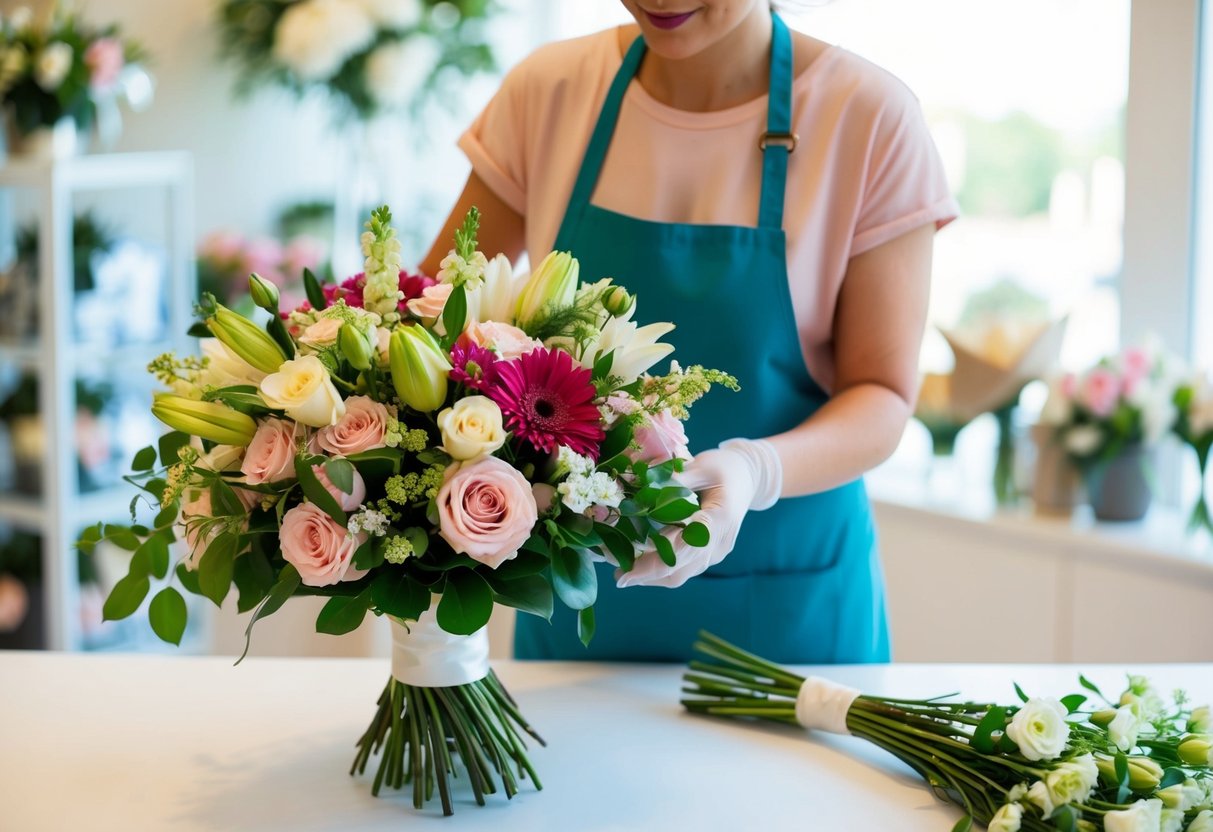
The bride’s bouquet has a rich history and plays an important role in modern weddings. This section explores its historical significance and how responsibilities for floral arrangements are shared today.
Historical Significance and Modern Interpretations
The tradition of carrying a bouquet dates back to ancient times. In Ancient Greece and Rome, brides carried herbs and spices to ward off evil spirits. These flowers symbolized purity and fertility.
In the Victorian Era, the bridal bouquet took on a new meaning. Specific flowers conveyed messages about love and romance. For instance, a red rose signified love, while a lily symbolized purity.
Today, you have the freedom to choose a bouquet that reflects your style and emotions. Whether you prefer traditional flowers or unique, personal blooms, the meaning behind your choices can create a beautiful story.
Roles and Responsibilities in Floral Arrangements
Traditionally, the groom’s family was responsible for buying the bride’s bouquet. They would handle this important detail along with other floral arrangements. This custom symbolizes their support for the couple during the wedding planning.
In modern weddings, roles are more flexible. Many couples choose to collaborate on the bouquet decisions. You might decide to purchase the bouquet together or even take on the task yourself.
This change allows you to express your preferences while fostering communication between families. It can be a fun and meaningful part of your wedding planning experience.
Financial Aspects of Purchasing the Bride’s Bouquet

When planning a wedding, understanding the financial responsibilities related to the bride’s bouquet is crucial. Knowing how to allocate your wedding flower budget and who typically bears the costs can help create a smooth planning experience.
Allocating the Wedding Flower Budget
As you set up your wedding budget, it’s important to consider how much you’ll spend on flowers, including the bride’s bouquet. This part of the wedding flower budget should be realistic and aligned with your overall expenses.
For example, if your total budget is $20,000, allocating around 10% for flowers means you have $2,000 to cover all arrangements. The bride’s bouquet often ranges from $100 to $500, depending on the flower types and design.
Make a list of your preferred flowers and their costs. A well-planned budget will ensure you have enough for not only the bouquet but also other arrangements, like centerpieces and boutonnieres.
Who Bears the Cost: Family Contributions
Traditionally, the groom’s family takes on the responsibility for buying the bride’s bouquet. This gesture shows support and goodwill toward the couple.
However, family contributions can vary. Sometimes, the bride’s family will handle the bouquet costs, especially if they are covering most floral arrangements. Communication between both families is key to avoiding misunderstandings about who pays for what.
It’s helpful to discuss expectations early in the planning process. This ensures everyone knows their roles regarding wedding expenses, leading to less stress as the big day approaches.
Coordinating the Wedding Party’s Floral Needs
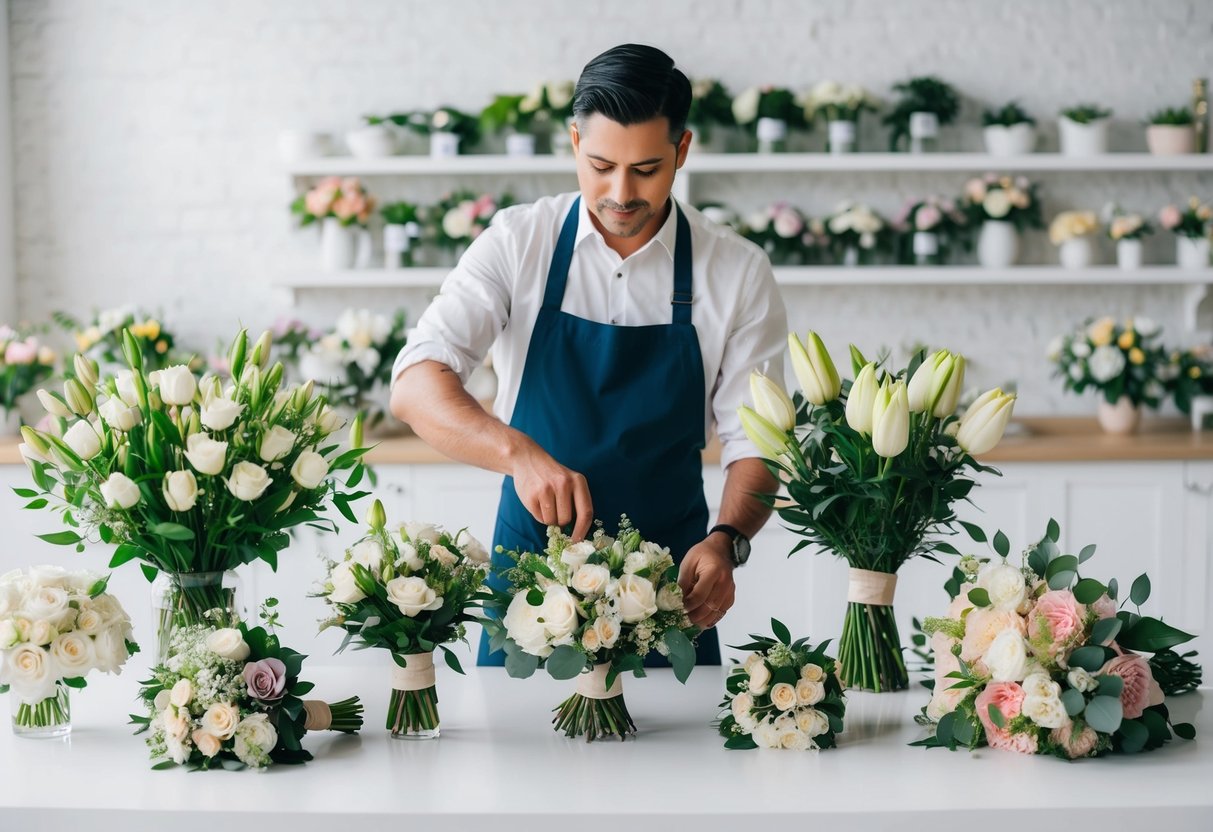
When planning your wedding, it’s important to think about the flowers for everyone in the wedding party. This includes groomsmen, bridesmaids, and even immediate family members. You want a cohesive look that enhances the beauty of the day.
Complementary Flowers for Groomsmen and Bridesmaids
For your groomsmen and bridesmaids, choosing complementary flowers adds a special touch to the ceremony. Make sure the colors match the bridal bouquet and overall theme of the wedding.
Here are some ideas:
- Bridesmaid Bouquets: Select flowers that complement the bridal bouquet. Popular choices include roses, peonies, and lilies.
- Groomsmen Boutonnieres: A simple boutonniere can tie their look together. Use a single flower or a small cluster that matches the bridesmaid bouquets.
- Mini Bouquets for Flower Girls: Consider having mini versions of the bridesmaid bouquets for your flower girl. These can be sweet and fun, making her feel included.
Together, these floral choices will create a harmonious look for your wedding party.
Special Flowers for Immediate Family Members
Your immediate family members also deserve special flowers to celebrate the occasion. This small gesture can mean a lot.
Key floral options include:
- Corsages for Mothers and Grandmothers: Choose elegant blooms for corsages. These can be worn on the wrist or pinned to their dresses. Carnations, orchids, or roses are great options.
- Ushers and Other Family Members: If you have ushers, consider giving them boutonnieres that match the groomsmen. This creates a unified style for everyone involved.
By thoughtfully coordinating these details, you make your special day even more memorable for both your guests and your loved ones.
Personalizing the Bridal Bouquet
Your bridal bouquet is a key part of your wedding day. It should reflect your personal style and preferences, making it uniquely yours. Choosing flowers and designs that resonate with you will create a memorable statement.
Incorporating Personal Style and Preferences
To make your bouquet truly personal, start by considering your tastes. Are there specific flowers that hold special meaning for you? Think about your favorite blooms, colors, and even scents.
You can also incorporate elements that represent your background or family traditions. Adding personal touches like ribbons from a loved one or charms can make your bouquet more meaningful.
List of Ideas:
- Favorite flowers
- Family heirlooms
- Signature colors
When you choose these elements, you create a bouquet that tells your story, ensuring your bridal flowers are both beautiful and personal.
Trends and Timeless Choices in Wedding Flowers
Staying updated with current wedding flower trends can help you find inspiration. For example, lush greenery and wildflower elements are popular choices. They offer a rustic and natural feel, perfect for outdoor weddings.
Timeless choices, such as roses or peonies, bring elegance to your bouquet. These classic flowers are rarely out of style and work well in various arrangements.
Popular Trends:
- Lush greenery
- Dried flowers
- Unique shapes
You can blend trendy elements with classic styles for a unique look. This way, your bouquet will feel fresh yet maintain a sense of tradition on your special day.