
Who Should Come to a Small Wedding? Tips for Choosing Your Intimate Guest List
When planning a small wedding, you might wonder who should make it onto your guest list. The key is to invite the people who matter most to you, making the day special and meaningful.
Small weddings, intimate weddings, and even tiny weddings allow you to celebrate with close family and friends, creating lasting memories.
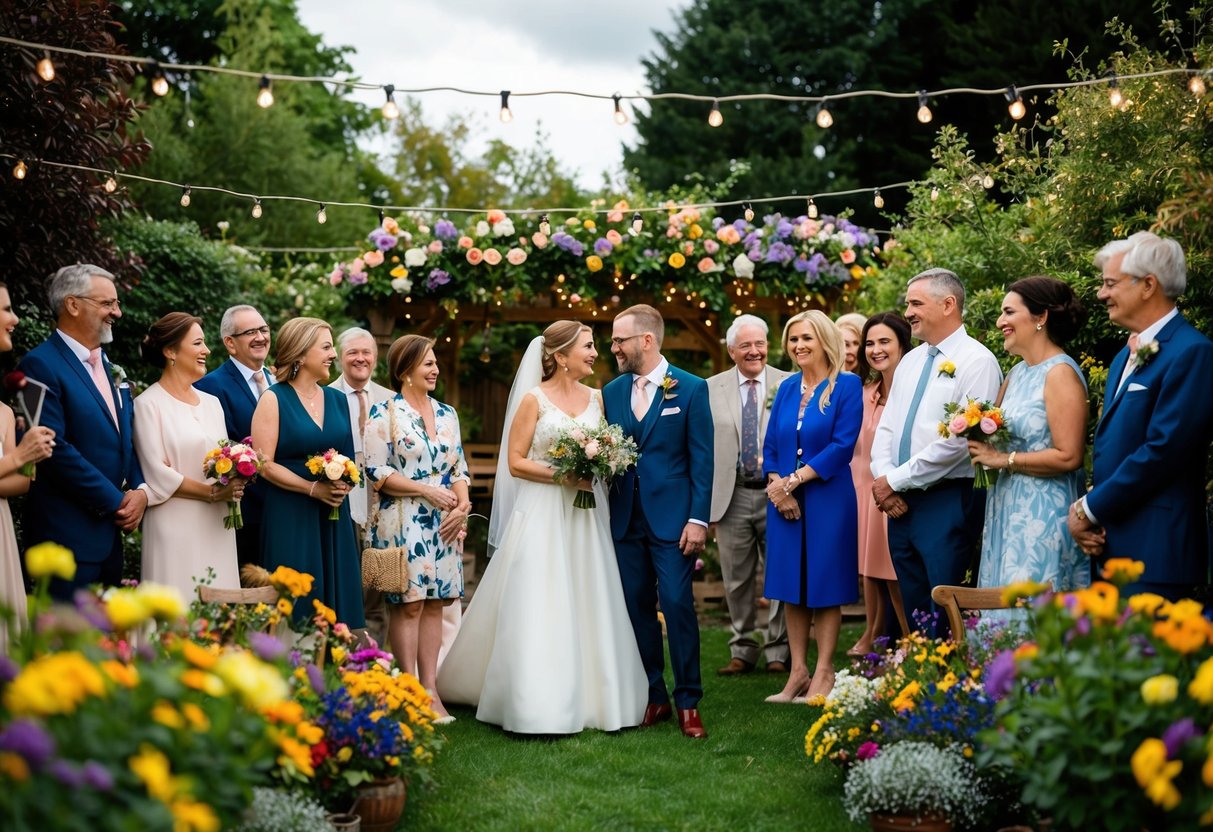
Consider including immediate family, such as parents and siblings, as well as your closest friends. These are the people who support you and share your joy.
Keeping your guest list limited makes it easier to create a warm atmosphere and connect deeply with those present.
Remember, this day is about celebrating your love. Focus on inviting those who bring happiness and positivity to your life, making your wedding a true reflection of you and your partner.
As you plan, think about the moments you want to cherish and the people who will make those moments unforgettable.
Determining Your Wedding Size and Budget
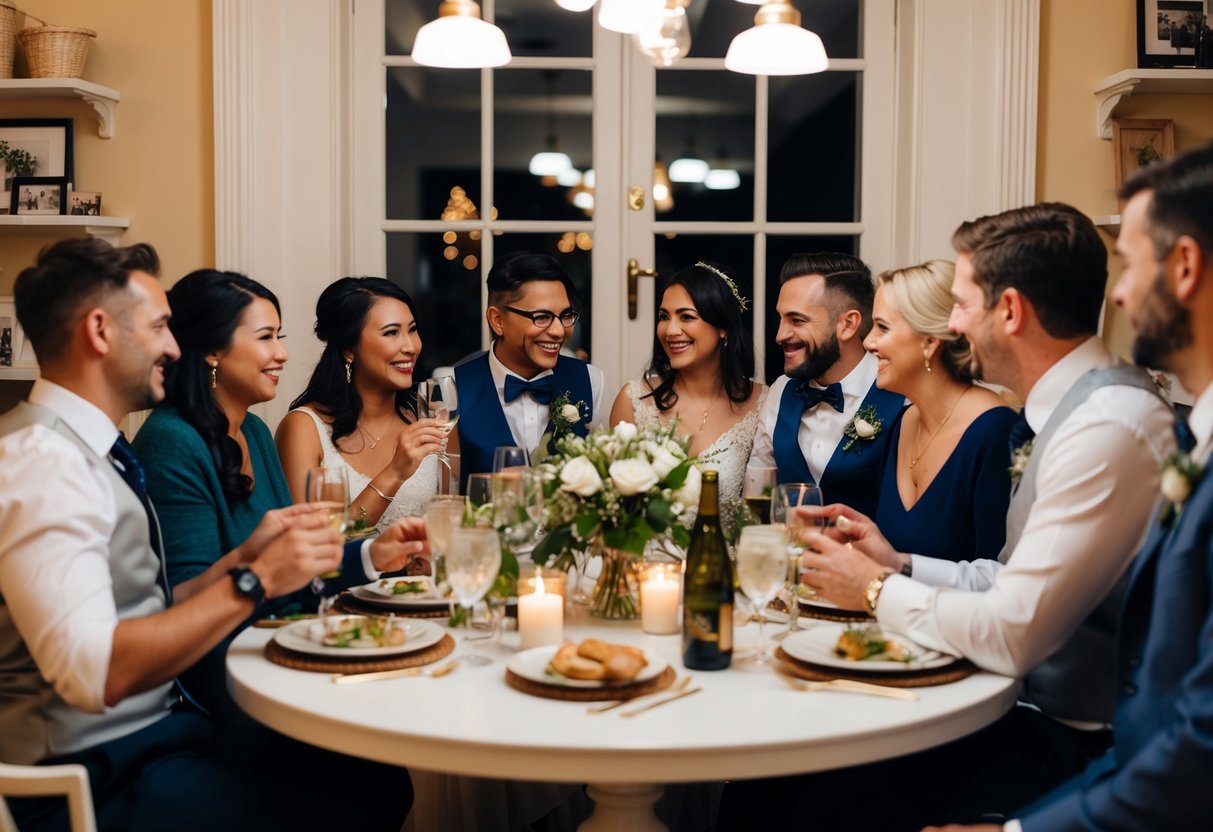
When planning a small wedding, two critical factors are your budget and the size of your guest list. Knowing how much you can spend will help you decide who to invite and how to create your perfect day.
Assessing Your Finances for the Wedding Budget
Start by looking at your total budget. This includes savings, any financial help from family, and even loans if needed.
It’s essential to create a realistic budget that covers all your wedding expenses.
Break down your costs into categories, such as:
- Venue
- Catering
- Decorations
- Photography
- Attire
Once you have this breakdown, you can see where your money goes. Don’t forget to leave a buffer for unexpected costs.
Consider which expenses are non-negotiable for you, like hiring a photographer or an excellent venue. A micro wedding may fit your budget better, allowing for a more intimate experience.
Deciding on the Scale of Your Small Wedding
The size of your wedding can impact overall costs significantly. A small wedding typically has fewer than 50 guests. This allows for a more personal feel and often costs less than large weddings.
Think about your guest list and who truly matters to you.
If you want only immediate family and close friends, aim for a tiny wedding with under 15 guests. For a slightly larger group, a small wedding allows you to invite about 50.
Keep in mind, with fewer guests, you can spend more per person on food and experiences, which makes a big difference in quality. This approach is great for keeping things stress-free and more memorable.
Crafting Your Guest List
Creating a guest list for your small wedding can be challenging but rewarding. It allows you to focus on the people who matter most.
Prioritizing Immediate Family and Close Relatives
Your immediate family should be at the top of your guest list. This includes parents, siblings, and grandparents. These are the people who have been with you through thick and thin.
Next, think about close relatives. Aunts, uncles, and cousins who are meaningful in your life should receive an invitation too. If your family members live far away or have busy lives, it’s still nice to include them, especially if you share a strong bond.
When organizing, make a list of these family members. This will serve as your foundation. Remember, a small wedding can mean fewer guests, so be thoughtful in your selections.
Considering Close Friends and Best Friends
Close friends often feel like family. They are your support system and have shared many special moments with you.
Start by listing your closest friends who have been there for you over the years.
Also, consider your best friends. If you have a tight-knit group, inviting them can create a joyful atmosphere.
Make sure to think about those who have made an impact on your life, like your college roommate or a childhood friend.
It’s also good to keep in mind local guests versus out-of-town guests. Local friends may appreciate the chance to celebrate with you. Prioritizing your closest friends helps create an intimate setting for your special day.
Thinking About Plus-Ones and Extended Family
When it comes to plus-ones, consider your guests’ relationships. If they are in a serious relationship, allowing them to bring a partner shows you respect their bond. However, it’s essential to keep your overall guest count in mind.
Next, think about extended family. While they might not be as close, inviting some can help maintain family harmony. If you have a big family, consider inviting only those you are closest to.
Also, think about family friends and acquaintances. Inviting a few can be a nice gesture, but focus on maintaining your small guest list. Create a balance that feels right for your wedding day.
The Wedding Invitations Process
Planning your wedding invitations is an essential step that sets the tone for your special day. This process includes creating and sending the invitations and managing RSVPs to ensure everything runs smoothly.
Creating and Sending Wedding Invitations
Start by choosing a design that reflects your wedding style. Think about the theme, colors, and formality of the event.
There are many options, like traditional paper invitations or digital versions.
Next, gather your guest list, which should include immediate family, close friends, and anyone who is important to you.
You might want to send Save the Dates well in advance, especially for a small wedding. These give your guests a heads-up to block their calendars.
When preparing the invitations, include key details such as the date, time, venue, and RSVP instructions.
It’s nice to personalize them with a short message or a fun fact about your relationship. Make sure to address each envelope clearly for a professional touch.
Managing RSVPs and Follow-Ups
Once your invitations are sent, it’s time to track RSVPs. You can include a card for guests to return, or direct them to a website if you opted for digital invites.
Set a deadline for responses to manage your guest count effectively.
After sending out invitations, follow up with any guests who haven’t responded. A simple text or call can help clarify their attendance.
Keeping this organized is crucial, especially for a small wedding where every guest matters.
Lastly, remember to thank your guests for their RSVP. Acknowledging their response makes them feel valued and part of your celebration. This attention to detail enhances the welcoming atmosphere of your wedding day.
Selecting the Right Wedding Venue and Vendors
Finding the perfect venue and the right vendors is crucial for a small wedding. The venue sets the tone, while vendors bring your vision to life. Here’s what to consider for both.
Choosing a Venue for Your Wedding Size
When you plan a small wedding, the venue should match your guest list.
Consider locations that provide an intimate atmosphere. Think about spaces like cozy restaurants, gardens, or boutique hotels.
Ask about their capacity and ensure they can comfortably accommodate your wedding party.
It is essential that the venue complements your wedding style. A charming vintage venue works well for rustic themes, while modern spaces suit contemporary styles.
Keep an eye on additional costs like catering and decor. Smaller venues can be more cost-effective and allow for a more personalized experience.
Working with Wedding Planners and Other Vendors
Wedding planners simplify your planning process. They have experience and can help you find reliable vendors. Look for planners who specialize in small weddings. They understand the unique needs of smaller events.
When choosing vendors, stick to your vision and budget. Caterers, photographers, and florists need to fit with your style and needs. Create a checklist of vendors to ensure no detail is overlooked.
Ask your planner or venue for recommendations. This can help you find trusted vendors who have worked in that space before. Being selective with your vendors can make a huge difference.