
Who Should Give You Away at Your Wedding? Choosing the Perfect Person for Your Special Day
Choosing who should give you away at your wedding is a meaningful decision that can reflect your values and relationships. Traditionally, this role has been held by the father of the bride, symbolizing love and support during the wedding ceremony. However, modern weddings often embrace a variety of options that focus on personal connections rather than strict traditions.

You might consider asking a parent, sibling, or even a close friend who has played an important role in your life. This choice should feel right to you and represent the bond you share with that person.
Wedding traditions are evolving, so it’s perfectly acceptable to choose someone who speaks to your heart, creating a ceremony that is uniquely yours.
Historical Significance and Evolving Meanings
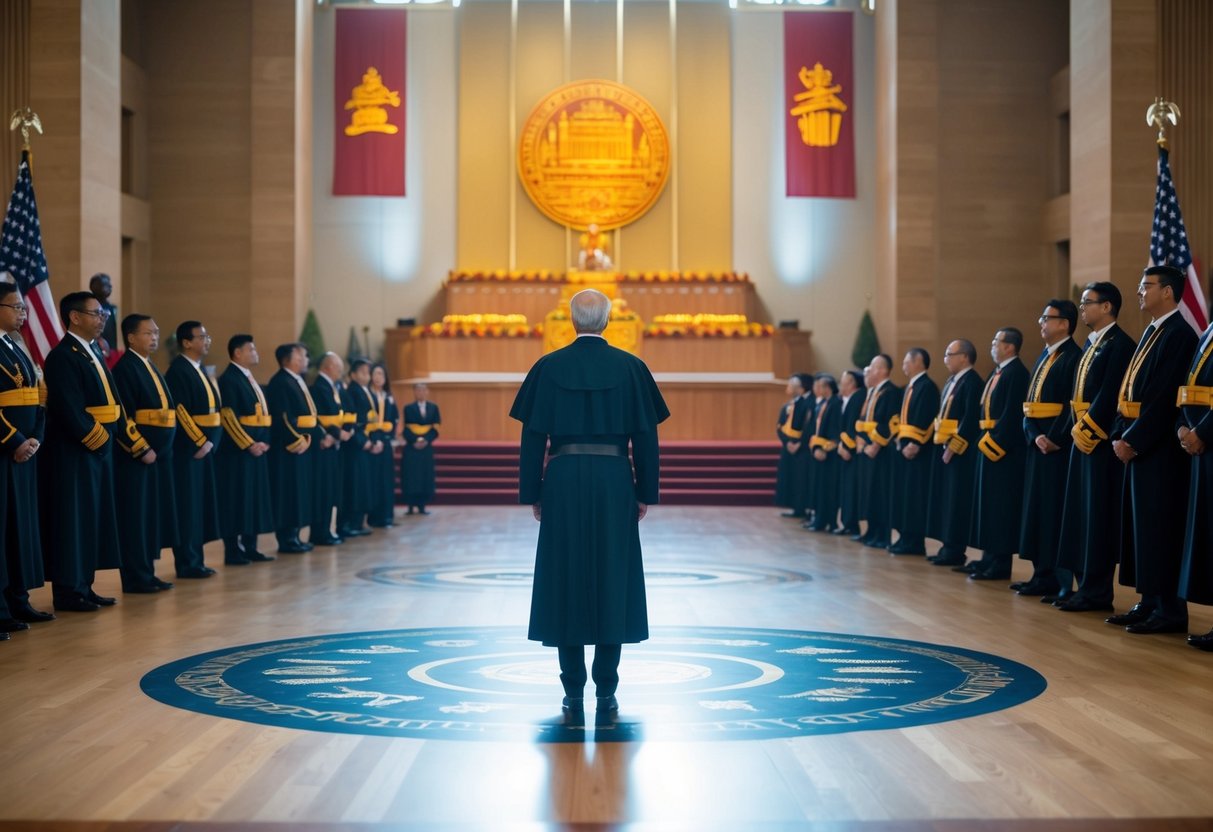
The act of giving away the bride has deep roots in history and has changed significantly over time. Understanding these shifts can help you make an informed choice for your own wedding. Here’s a closer look at the traditional roots and the meanings that have evolved.
Traditional Roots and Changing Perspectives
Traditionally, the father of the bride would give away his daughter to the groom. This ritual symbolized a transfer of responsibility and ownership. In many cultures, it was also tied to the practice of dowry, where the bride’s family would provide assets to the groom.
As societal norms evolved, this custom began to shift. Modern couples now often choose someone meaningful to them. This could be a parent, sibling, or even a close friend. The focus now is more on personal connection rather than adhering strictly to historical practices.
Significance of ‘Giving Away’
The meaning behind “giving away” has transformed. Today, it can represent support, love, and blessing for the new union. Many see it as a way for parents to show their acceptance of the marriage.
Some couples opt to walk down the aisle alone or with both parents. This highlights the shift toward equality and inclusiveness in weddings. The act is no longer just a tradition; it’s a reflection of your values and relationships.
Determining the Right Person for Your Wedding
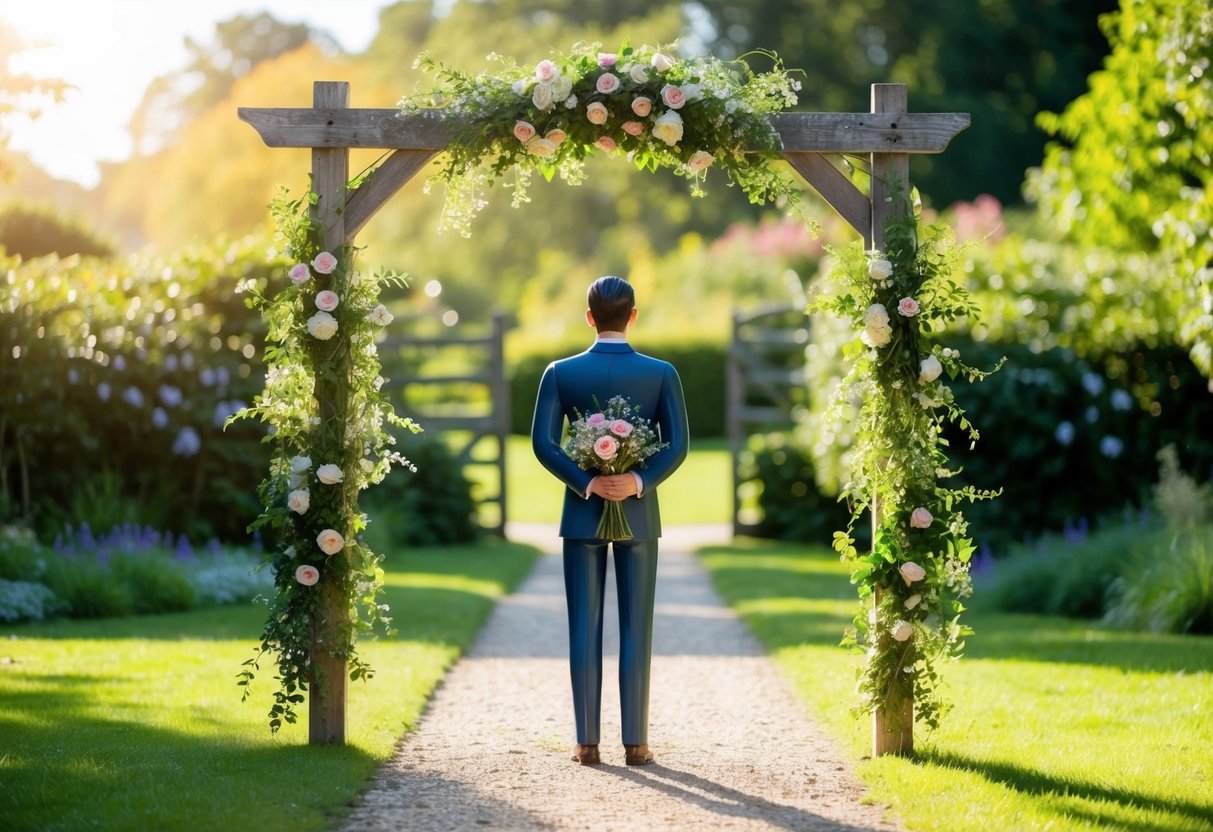
Choosing who will give you away is an important part of your wedding ceremony. This decision often involves family dynamics, personal values, and the significance of your relationships. Here’s a closer look at some key factors to help you make the best choice.
The Role of Family
Traditionally, the father of the bride takes on the role of giving you away. This is a long-standing custom that honors the father-daughter bond. However, it’s important to remember that every family is unique.
If your relationship with your father is strong, he may be the right choice for this role. If not, consider other family members like a mother, sibling, or even a close relative. This choice should reflect your feelings and family dynamics.
Considering Personal Values and Relationships
Your wedding is about you and what feels right in your heart. Think about the relationships that mean the most to you. Discuss your feelings with those close to you.
If you have a particularly strong bond with your mother or another family member, consider asking them to give you away. This personal choice emphasizes your values and the people who matter most in your life. Embracing what feels natural can make the moment even more special.
Inclusion of Both Parents
There’s no rule that says only one person can give you away. If you have a good relationship with both parents, you might choose to include them in this significant moment. They could walk down the aisle with you or each give you away at different points in the ceremony.
This option honors both your mother and father, showcasing the love and support from both sides of your family. It’s a beautiful way to celebrate your family and can add a deeper meaning to your special day.
Alternative Ways to Honor Loved Ones
Weddings are a celebration of love, and there are many meaningful ways to include loved ones who play important roles in your life. You can honor unique relationships while ensuring your ceremony feels personal and heartfelt.
Options Beyond the Traditional Father Role
Instead of the traditional father giving you away, think about who matters most to you. Consider having your mother, a sibling, or a close friend walk you down the aisle. Each choice reflects your unique relationship.
Other alternatives could include having both parents accompany you or a combination of family members who have influenced your life. This choice can give your ceremony a special touch while celebrating the bonds that have shaped you.
Creative Inclusions in the Ceremony
Adding special elements to your wedding can help honor those important to you. For example, you might invite a loved one to serve as a ceremony reader to share personal stories or passages that resonate with you.
You could also light a unity candle together as a family gesture, symbolizing the joining of two families. This creates a memorable moment that pays tribute to those who have shaped your journey.
Personal touches like these make your ceremony uniquely yours and help honor all the important relationships in your life.
The Ceremony Processional and Rehearsal
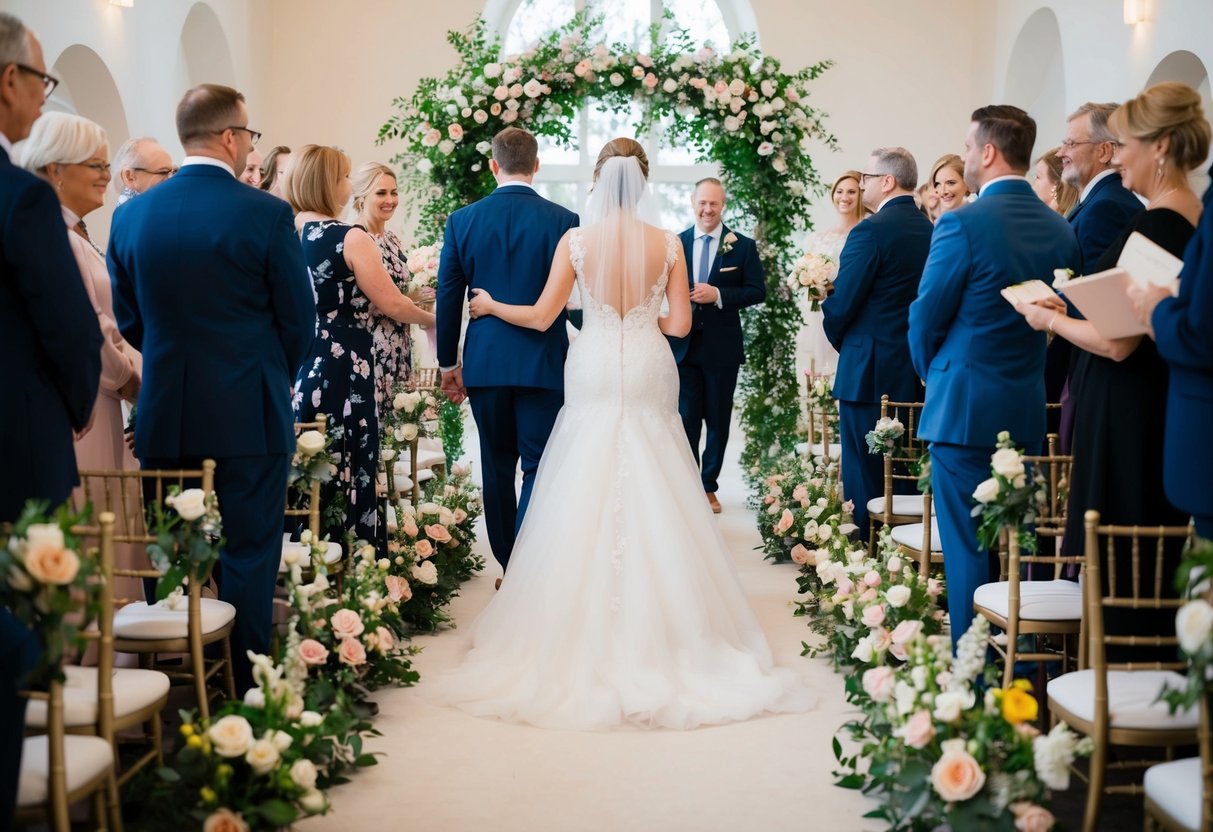
The ceremony processional marks a key moment in your wedding. It’s important to plan who walks down the aisle and rehearse this part to ensure everything goes smoothly on the big day. Let’s explore how to organize your processional and execute a successful rehearsal.
Planning Your Processional
When planning your processional, decide who will walk you down the aisle. This can be a parent, close friend, or anyone significant in your life. Think about what feels right for you and fits your style.
Next, consider the order of everyone involved. Commonly, groomsmen escort bridesmaids, but it’s also fine for them to walk alone. Discuss this with your officiant to make sure it aligns with the ceremony.
Write down a list of those walking and their order. This list will guide you during the rehearsal. Share it with your wedding party so everyone knows their role. This planning takes the stress out of the day and lets you focus on the moment.
Executing a Smooth Rehearsal
To ensure a smooth rehearsal, gather everyone involved a day or two before the wedding. Choose a location close to where you will hold the ceremony.
Walk through the processional step by step so everyone gets comfortable. Then, have each person practice their timing. This makes sure no one rushes or lags behind. You want to create a natural flow as you enter.
Make sure to communicate anything special you want during the processional. For example, if you want to pause for a moment when you reach the altar, let your wedding party know. Clear communication makes the event feel seamless and special.