
Who Should Pay for the Bride’s Bouquet? A Guide for Couples and Families
When planning your wedding, many details require your attention, and figuring out who should pay for the bride’s bouquet is one of them. Traditionally, the groom’s family handles this cost, making it a key part of wedding etiquette. However, customs can vary, and it’s essential to know your options as you navigate wedding planning.
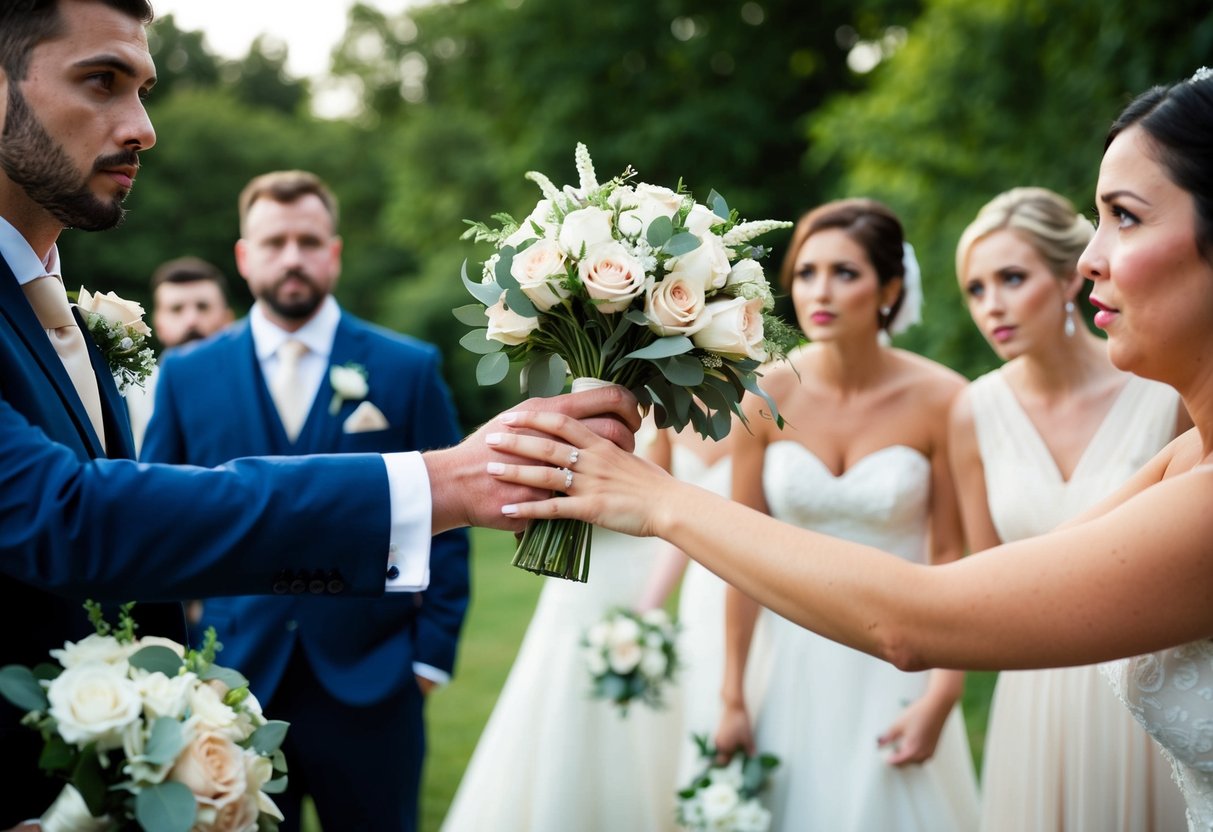
As floral arrangements play a significant role in the overall aesthetics of your big day, understanding who pays for the bride’s bouquet can help you manage your wedding costs. Some couples choose to share expenses, while others stick to traditional roles. In this discussion, you’ll learn about the common practices and tips that can make this part of your planning smoother.
Determining Financial Responsibilities

Deciding who pays for the bride’s bouquet often falls to traditional roles, but modern weddings bring more flexibility. Clear communication between families can help navigate financial responsibilities smoothly.
Traditional Wedding Etiquette
In traditional wedding etiquette, the groom’s family typically handles the cost of the bride’s bouquet. This custom stems from historical practices where the groom’s family was responsible for many wedding expenses.
The bride or her family usually takes on the rest of the floral arrangements. These responsibilities include bridesmaid bouquets, boutonnieres, and corsages. It’s important to discuss and agree on these roles before making any arrangements.
Understanding these roles can help prevent confusion. Open communication between both families is key to ensuring everyone is on the same page. This approach can make the planning process smoother and reduce stress as the wedding day approaches.
Modern Approach to Wedding Expenses
Today, many couples choose to split wedding costs. This shift allows for more shared responsibility and involvement in decisions. You might find that both families contribute to the cost of the bride’s bouquet and other floral arrangements.
In a modern context, the expenses can vary widely based on factors such as design, location, and season. For instance, a simple bouquet may cost around $100, while more elaborate designs can run $350 or more.
Discussing budgets early helps both families understand the financial commitments involved. Focused conversations about preferences and costs can lead to a more personalized and enjoyable planning experience.
Cost Analysis of Wedding Flowers
Understanding the costs associated with wedding flowers is essential for staying within your wedding budget. This includes not just the bridal bouquet, but also boutonnieres, corsages, and centerpieces for the reception. Knowing how to manage these costs can help you plan better.
Breaking Down the Wedding Flower Budget
Start by determining your overall wedding flower budget. Generally, couples allocate about 10-15% of their total wedding budget for flowers.
For example, if your budget is $30,000, you might spend around $3,000 to $4,500 on flowers.
Focus on key items first:
- Bridal bouquet: Costs typically range from $150 to $400.
- Bridesmaids’ bouquets: Expect to pay about $75 to $200 each.
- Groomsmen’s boutonnieres: Usually $10 to $25 per piece.
- Corsages: Around $15 to $30 each.
- Centerpieces: Costs vary widely but can add up to $1,500 or more for multiple tables.
Keeping a detailed list will help you track these expenses as you go.
Strategies to Manage Wedding Flower Costs
To keep flower costs down, consider a few strategic options. First, choose flowers that are in season. Seasonal blooms are often less expensive and more abundant.
Next, simplify your designs. A classic look with fewer flowers can still be beautiful. For example, a small bouquet of roses can be just as stunning as a grand one.
You could also:
- DIY: Create your own centerpieces with simple flowers and greenery.
- Rent: Consider renting floral decor for the reception.
- Negotiate: Discuss your budget with your florist; they can provide options that fit your needs.
By being mindful of your choices, you can effectively manage your wedding flower budget.
Roles in the Wedding Party and Their Floral Accessories
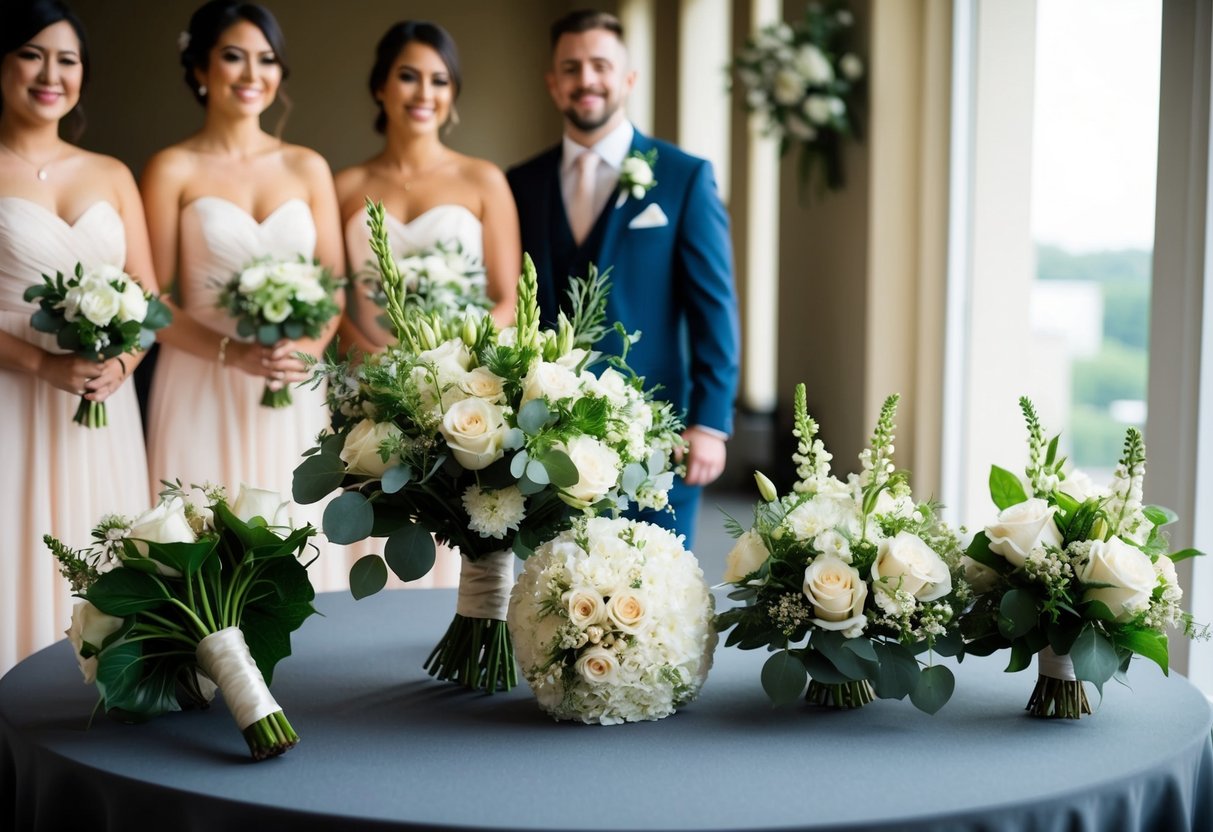
Understanding who pays for various floral accessories can help clarify your wedding budget. Each member of the wedding party has different roles and responsibilities when it comes to flowers, making it important to know what to expect.
Flowers for the Bride and Groom
The bride’s bouquet is one of the most significant floral pieces. Traditionally, the bride often pays for her own bouquet, and it reflects her style and wedding theme. This bouquet might include a mix of flowers that are meaningful or symbolize love and commitment.
The groom typically has a boutonniere made from similar flowers to the bride’s bouquet. This boutonniere is worn on the left side of the jacket. It’s a small touch, but it ties the groom’s look to the bride’s floral choices, enhancing the overall aesthetic.
Bridal Party and Immediate Family
Bridesmaids usually carry bouquets that match the bride’s. These bouquets may be smaller, often referred to as mini bouquets, and are paid for by the bride. Each bridesmaid’s flowers should complement the bride’s gown and overall wedding style.
Immediate family members, like mothers and grandmothers, may wear corsages. Often, the bride’s family covers these costs. These floral accessories serve as a lovely gesture that honors family while tying their look into the wedding theme.