
Who Should Pay for the Wedding Cake? Navigating the Sweetest Cost Dilemma
When planning your big day, budget decisions can be tricky, especially when it comes to the wedding cake. Traditionally, the bride’s family covers the cost of the wedding cake, so it often falls under their responsibility. However, many couples today are choosing to split the costs in a way that feels right for them.
The average cost of a wedding is around $30,000, and a wedding cake can range from $300 to $700 for a small one. This can impact your overall wedding budget. Understanding these costs helps you plan better and make informed choices about who will ultimately pay for the cake.
As you navigate through the details of your wedding, remembering to communicate openly about finances can make this process smoother.
So, before you start picking out flavors or designs, it’s a good idea to discuss this important aspect with your families.
Deciding Who Pays for the Wedding Cake
When planning your wedding, deciding who pays for the cake can feel tricky. Various factors like cultural traditions, family contributions, and modern etiquette can influence this decision.
Cultural and Family Considerations
Cultural traditions play a significant role in determining who pays for the wedding cake. In many cases, the bride’s parents cover the cake cost as part of the overall wedding expenses. This is a tradition that dates back generations.
However, if both families are involved, you might choose to split the cost. In some cultures, the groom’s family may also contribute, especially if they have specific customs related to wedding cakes.
Talk openly with both sides to understand expectations. You might find that combining traditions creates a more meaningful celebration.
Modern Etiquette and Shared Responsibilities
Modern etiquette encourages flexibility in wedding planning. Couples today often share costs to reflect their partnership. You might decide to pay for your wedding cake together.
This could mean setting a budget that suits both your tastes and finances. Many couples now prefer to choose a cake that resonates with their personalities rather than strictly following traditions.
Consider creating a list of options everyone can agree upon. Encourage input from family while staying true to your vision. This approach can help ensure that both families feel included without financial strain.
Factors Influencing Wedding Cake Costs
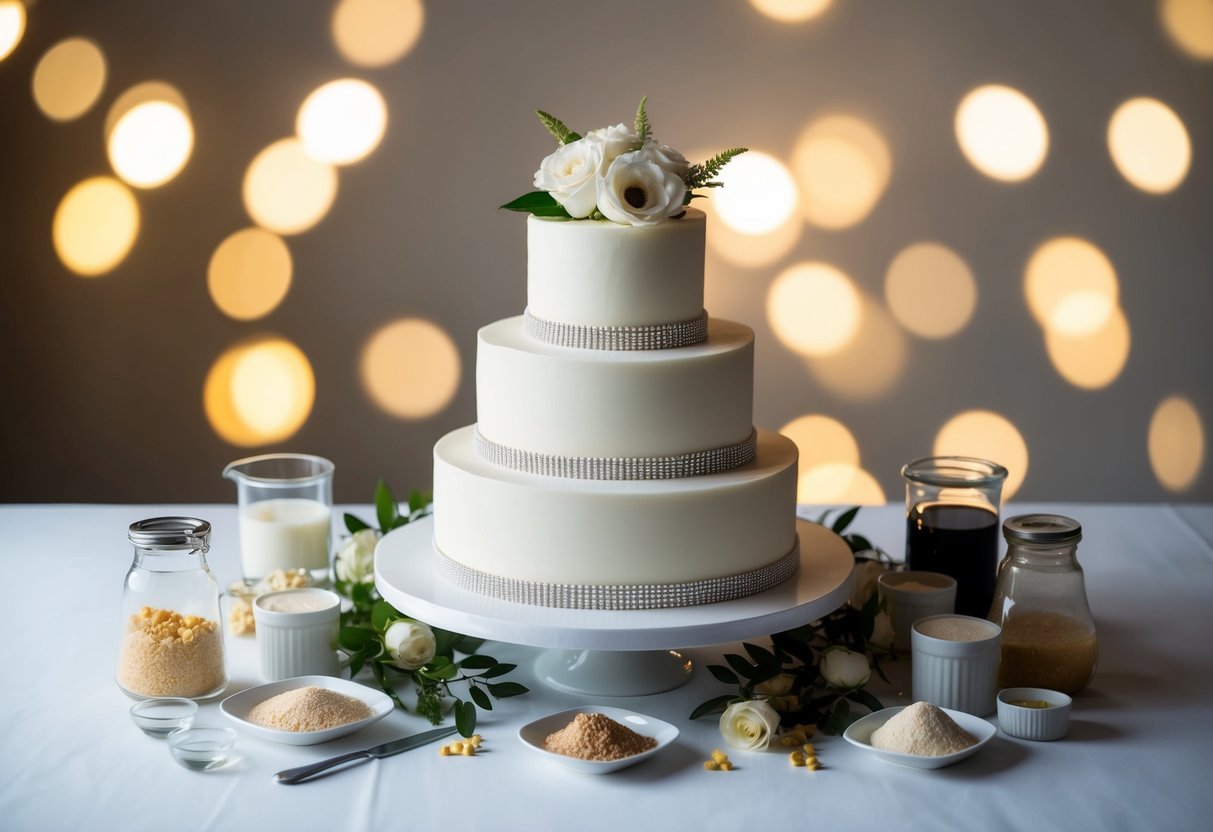
When planning your wedding cake, several factors can affect the final price. Understanding these elements can help you make informed decisions about your cake design and budget.
Size and Guest Count
The size of your wedding cake is one of the biggest influences on its cost. Cakes are usually priced per slice, so the number of guests is crucial.
Average Sizes:
- 100 guests: Typically requires a 3-tier cake.
- 200 guests: Often needs a more elaborate 4 or 5-tier cake.
For instance, if you’re inviting 150 people, you might need a cake that serves at least that many. More guests mean more slices, which directly increases your cake costs.
Custom Cake Design and Ingredients
Custom cake designs can add significant costs to your wedding cake. A simple, classic white cake will cost less than a multi-tiered cake featuring intricate designs.
Some factors to consider are:
- Design Complexity: Detailed decorations or custom shapes drive up the price. A cake with a floral design or themed elements will be more expensive.
- Ingredients Used: Premium ingredients, such as organic or specialty flavors, also add to the cost.
Choosing less expensive fillings or simpler designs can help keep your cake within budget.
Additional Dessert Options
Many couples now include a variety of desserts to complement their wedding cake. These options can include pies, cake pops, or a dessert table.
Having additional treats can impact your overall dessert costs:
- Pies: Often cost less than wedding cakes and can serve as alternatives.
- Cake Pops: Smaller and easier to serve, they may appeal to guests but can add to your total expense.
- Dessert Table: Offering an array of sweets can elevate your celebration but also increases your total dessert budget.
Considering these extras is essential for planning your full dessert experience while keeping an eye on your wedding cake costs.
Budgeting for Your Wedding Cake
When planning your wedding cake, knowing the costs involved can help you create a budget that works for you. Understanding pricing and finding ways to save can make the cake selection process smoother and more enjoyable.
Understanding Wedding Cake Pricing
Wedding cake prices can vary widely based on factors like size, design, and ingredients. A cake for 100 people often averages between $300 to $700. Keep in mind that more intricate designs or flavors will raise the cost.
For example, buttercream frosting is generally less expensive than fondant, which can add to the overall price. When considering cake styles, be aware that tiered cakes usually cost more due to their complexity. Don’t forget to include additional costs for delivery and setup, as these can surprise many couples.
Ways to Save on Your Wedding Cake
Saving on your wedding cake is possible with some smart planning. First, consider choosing a simpler design or a smaller cake. You might opt for a small, beautifully decorated cake for display, while serving a more affordable sheet cake to guests at the reception.
Another tip is to shop around. Compare prices from various bakers and ask about discounts. Many bakeries offer a lower price if you book during their off-peak seasons.
Additionally, think about making your wedding cake one of the focal points of your reception décor. This can save costs on other decorations while making your cake a centerpiece.
Integrating the Cake Cost into Overall Wedding Expenses
When planning your wedding, it’s important to consider all expenses, including the cake. The cost of the wedding cake is just one part of your reception costs.
Typically, couples might spend between $300 to $700 for a smaller cake. Larger or more elaborate cakes can go up to $1,000 or more. Make sure to factor this into your budget early on.
Here’s a simple list of potential wedding expenses to consider:
- Venue Rental
- Catering
- Wedding Cake
- Floral Arrangements
- Entertainment
The wedding cake is a key part of the reception and adds to the overall atmosphere. Remember, traditional practices often have the bride’s family covering these costs.
In addition to the wedding reception, don’t forget about the rehearsal dinner. This event generally costs around $1,500 depending on how many guests you invite.
Planning ahead and including the cake cost with your other wedding expenses can help you avoid surprises. Creating a clear budget helps you make informed decisions, keeping everything on track for your special day.