
Who Should Receive RSVP for a Wedding? Tips for Inviting the Right Guests
Knowing who should receive RSVPs for a wedding is a key part of your wedding planning. Typically, whoever is managing the guest list and seating arrangements should receive the RSVPs. This could be you, a family member, or even your wedding planner. It’s important to make sure the right person collects these responses so that you can plan effectively.

When you send out wedding invitations, make sure to include RSVP cards. This allows your guests to easily indicate if they will attend. Gathering these responses lets you finalize the details, from food choices to seating, ensuring a smooth celebration for everyone involved.
Keep in mind that following up with guests who have not replied is also perfectly acceptable. Staying organized and proactive helps you feel more in control as the big day approaches. With the right approach to RSVPs, you’ll have less stress and more time to enjoy your wedding journey.
Crafting the Perfect Invitation
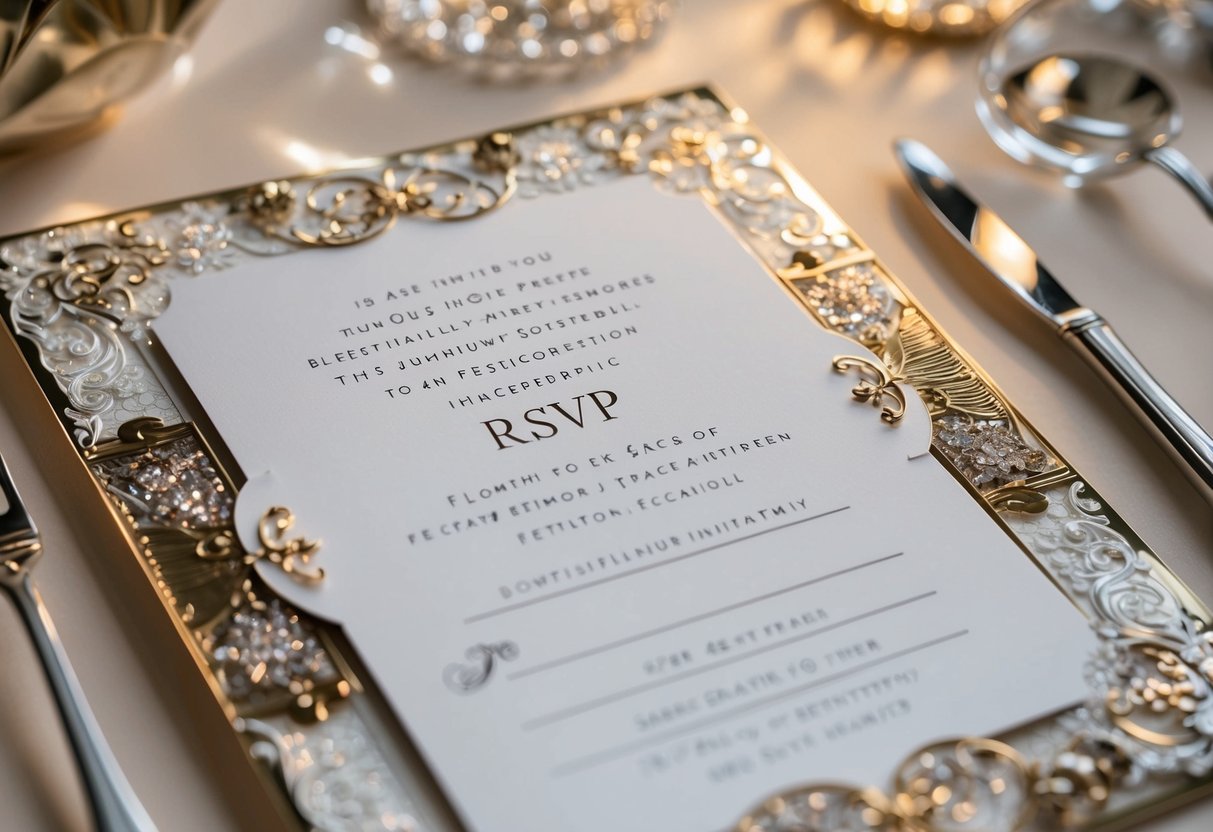
Creating a wedding invitation involves thoughtful design and clear communication. You want your guests to feel excited about your big day while having all the essential details.
Designing Your RSVP Card
When it comes to your RSVP card, aesthetics and function are key. Use colors and fonts that match your wedding theme. This helps set the tone even before your guests arrive.
Include space for guests’ names. This makes it easier for you to keep track of who is attending. Offering choices like “attending” or “not attending” is also helpful. You might consider adding entree options if you’re providing a meal.
Don’t forget to include instructions for returning the card. This could be a pre-addressed, stamped envelope. Making it easy for your guests encourages quicker responses.
Setting the RSVP Deadline
Establishing a clear RSVP deadline is crucial for your planning. Aim for this date to be 2-4 weeks before your wedding. This window gives you time to finalize seating and catering.
Clearly state the RSVP deadline on the card. For example, you could write, “Please respond by [Date].” This removes any ambiguity for your guests.
Consider sending a reminder a week before the deadline. A friendly nudge can help get those last few responses in. Remember, timely wedding RSVPs are vital for smooth planning.
Managing RSVPs and Guest Lists
Managing RSVPs and your guest list is a key part of planning your wedding. This process helps you keep track of who will attend and makes your day smoother. That way, your final guest count reflects your special celebration.
Building Your Wedding Guest List
Start by creating a draft of your guest list. Make a spreadsheet or use a guest list feature on your wedding website. This will help you keep everything organized.
Include friends, family, and coworkers you want to celebrate with. Be sure to track their contact information. You can also note whether they have been invited plus their meal preferences if you have a catering plan.
When you have your initial count, remember to review it with your wedding planner to ensure you’re within budget and venue capacity.
Tracking Responses and Adjusting Headcount
Once you’ve sent out invitations, it’s time to monitor your RSVPs. Set an RSVP due date so guests know when to respond. A well-managed guest list helps keep your final guest count accurate.
Use your wedding website for easy tracking. Some sites offer features where guests can RSVP online. Consider a spreadsheet if you prefer a classic approach.
As responses come in, update your list regularly. If you notice anyone hasn’t responded close to the due date, send a friendly reminder. A quick follow-up call or message can work wonders.
Communicating with Non-Responsive Guests
Keep in mind that not all guests will respond right away. If you find a few non-responsive friends or family, don’t hesitate to reach out. A casual text or phone call asking if they received the invite can help.
When checking in, express that you’d love to see them on your big day. This personal touch shows you care. Make sure to confirm if they plan to attend to finalize your headcount.
Creating a Seamless Wedding Experience
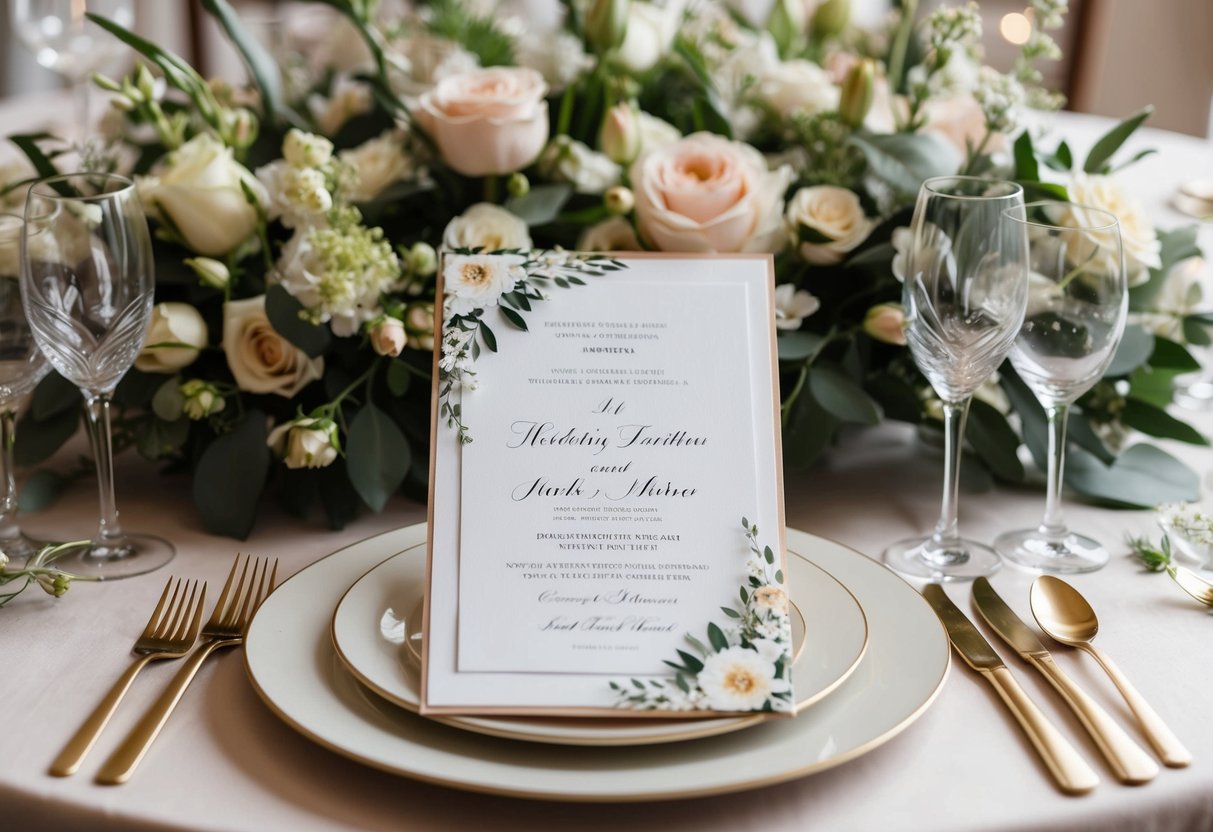
Planning a wedding involves many moving parts. By coordinating effectively with vendors, planning thoughtful seating arrangements, and incorporating guest preferences, you can help ensure everything runs smoothly on your big day.
Coordinating with Wedding Vendors
Successful coordination with your wedding vendors is key. Start by creating a list of all your vendors, including caterers, photographers, and florists.
Communication is essential in this process. Schedule regular check-ins leading up to the wedding. Provide them with your timeline, including when guests will arrive and when key moments will happen.
Make sure they are aware of your guest count from RSVPs. This helps vendors prepare correctly. For example, your caterer needs to know how many meals to prepare. Keeping everyone informed reduces the chances of misunderstandings and helps you avoid last-minute surprises.
Planning Seating Arrangements
Seating arrangements play a big role in your guests’ experience. A well-planned seating chart helps everyone feel comfortable and included.
Consider relationships when seating your guests. Group friends and family together while also considering their interactions. Use escort cards to direct guests to their tables, making the process smooth.
You could also include a fun element, like personalized wedding favors, at each seat. This shows your appreciation and can serve as a nice conversation starter.
It’s key to finalize your seating chart about two weeks before the wedding. This gives you time to make adjustments based on last-minute RSVPs.
Incorporating Guest Preferences
Listening to guest preferences can enhance their experience. As you gather RSVPs, ask for song requests and dietary restrictions.
Make it easy to gather this info. Use your wedding website or include a section in your RSVP cards.
Consider creating a music playlist based on those requests for the reception. This will keep the energy up and involve guests in the celebration. Additionally, accommodating dietary needs shows you care about your guests’ comfort.
Special Considerations for Destination Weddings
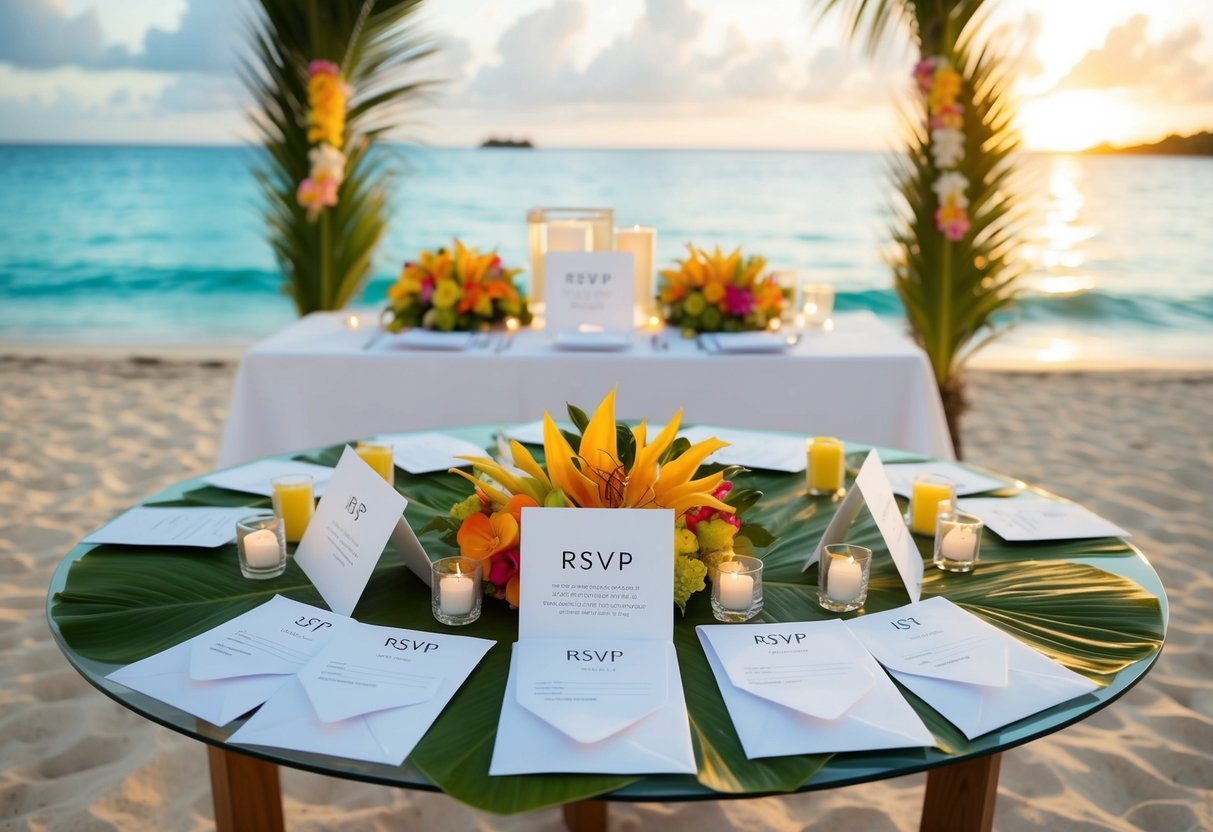
Planning a destination wedding brings unique challenges. You need to consider travel, accommodations, and guest availability.
RSVP Timeline
Set your RSVP deadline earlier than you would for a local wedding. Aim for 3 to 4 months before the big day. This gives guests plenty of time to plan their trip.
Wedding RSVP Cards
Include clear instructions on your RSVP cards. Let guests know how important their timely response is. This helps ensure you can finalize details like accommodations and venues.
Communicate Details Early
Send out your invitations 8 to 12 months in advance. This allows your loved ones to adjust their schedules and make travel arrangements. Sharing useful information about the location and things to do will also help them feel excited.
Consider Guest Comfort
Since your wedding is in a different place, think about how guests will feel. Some might need extra time to prepare. Offering assistance, like travel tips or group rates, can make a positive difference.
Keep Everyone Informed
Use email or a wedding website to share updates. This can help answer questions and keep your friends and family in the loop.