
Who Should Walk Down the Aisle First? A Guide to Wedding Traditions and Choices
Planning your wedding can feel overwhelming, especially when it comes to details like the wedding processional. The traditional order usually starts with the officiant, followed by family members, and then the wedding party, ending with the bride and groom. Knowing who walks down the aisle can help you create a meaningful experience for everyone involved.
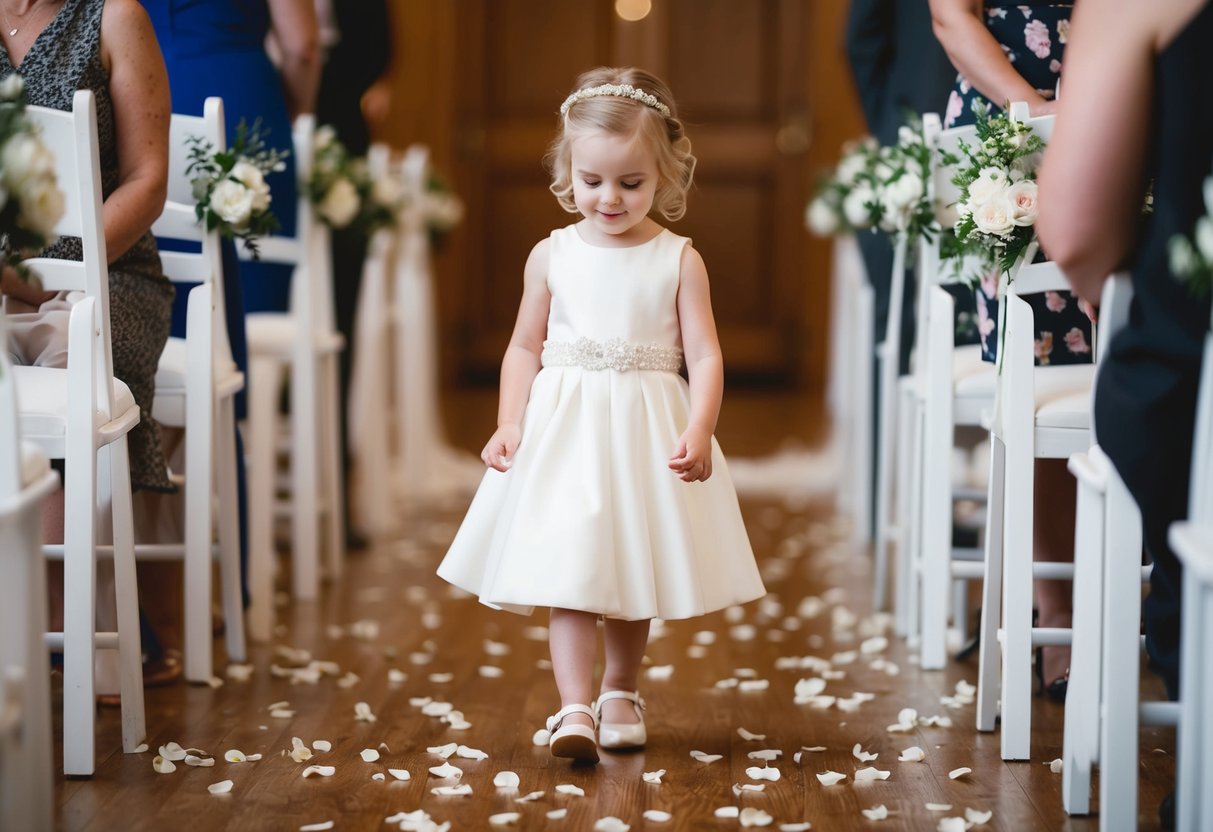
Whether you lean towards a classic approach or prefer a modern twist, the wedding processional order can reflect your unique style. Many couples choose to personalize the order based on their family dynamics and cultural traditions, making each ceremony special.
As you prepare for this important moment, understanding the common practices can guide you in creating a plan that feels right for you.
Dive into the details of who walks down the aisle and discover how to make your ceremony memorable for you and your guests.
Understanding the Wedding Processional
The wedding processional sets the tone for your ceremony. It outlines who walks down the aisle and in what order. Each participant has a significant role, adding to the emotional atmosphere of the moment.
The Order of Entrance
Typically, the wedding processional starts with the officiant. This person leads the way to signal the beginning of the ceremony.
Next, the grandparents may walk down the aisle, often followed by the parents of the bride and then the groom’s parents.
The wedding party follows. Bridesmaids and groomsmen usually enter next, often alternating to create a balanced look. The maid of honor walks in just before the bride, followed closely by the flower girl and ring bearer.
Finally, the bride makes her grand entrance, often accompanied by her father or another significant person. This traditional order helps establish a sense of formality and respect during the ceremony.
Roles and Responsibilities
Each person in the processional has specific duties. The officiant is there to conduct the ceremony and ensure everything runs smoothly.
The parents of the bride and groom support their children emotionally as they prepare for this significant step.
Bridesmaids and groomsmen stand by your side, offering support during the ceremony. The maid of honor takes on extra responsibility, helping the bride with her dress and any last-minute details. The flower girl and ring bearer add charm and innocence, carrying symbols of love down the aisle, like flower petals or rings.
Knowing the processional order ensures everyone understands their role and helps create a memorable experience.
Cultural and Religious Variations
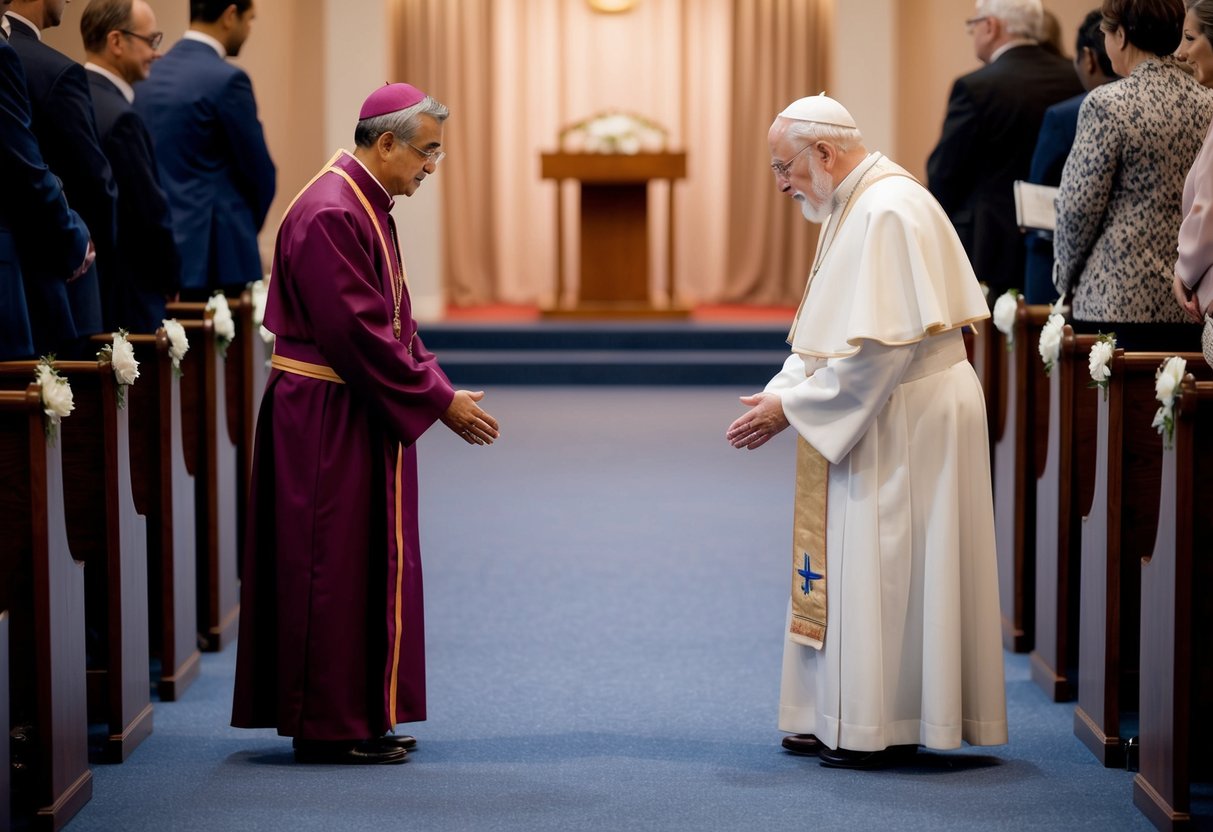
Different cultures and religions have unique customs regarding who walks down the aisle first. These traditions often highlight the couple’s beliefs and values. Understanding these variations can help you plan a ceremony that feels right for you.
Christian and Catholic Traditions
In many Christian weddings, the processional order typically starts with the officiant, followed by the grandparents, parents, and bridal party. Often, the father of the bride walks her down the aisle last, signaling her transition to the groom.
In a Catholic ceremony, it is common for the bride to wear a wedding gown, while the groom usually dons a suit or tuxedo.
Here’s a basic order of a Christian wedding processional:
- Officiant
- Grandparents
- Parents
- Groomsmen and bridesmaids
- Bride and her father
This order emphasizes family connections and the significance of this special day.
Jewish Wedding Customs
Jewish weddings often follow distinct traditions, including walking under a chuppah, a canopy symbolizing the new home the couple will create. The groom typically walks down the aisle first, followed by both sets of parents. Next, the bride walks down with her parents, highlighting the family’s role in the ceremony.
In a Jewish wedding processional, you might see:
- Groom with his parents
- Bride with her parents
- The wedding party
These customs reflect the importance of family and community in Jewish culture.
Hindu Ceremony Practices
In Hindu weddings, the processional may include a baraat, where the groom arrives in a festive procession, often on a decorated horse or car. He typically walks down the aisle first, symbolizing a new beginning. The bride follows, often accompanied by her family.
The mandap, a temporary structure where the ceremony takes place, can also influence the order. Here’s a simplified order for a Hindu wedding processional:
- Groom and baraat
- Bride with her parents
- Wedding party
This practice beautifully combines joy and tradition, reflecting the couple’s journey.
Modern and Non-traditional Arrangements
In modern weddings, couples often choose their own processional order, reflecting personal preferences and values. This could mean that brides and grooms walk down the aisle together or that other loved ones, such as friends or children from previous relationships, take important roles.
Here are a few ideas for modern arrangements:
- Couples entering together
- Siblings or friends walking down the aisle first
- LGBTQ+ couples may choose any order that feels meaningful to them
This flexibility allows you to create a unique and personal ceremony that truly represents your love story.
Key Figures in the Processional
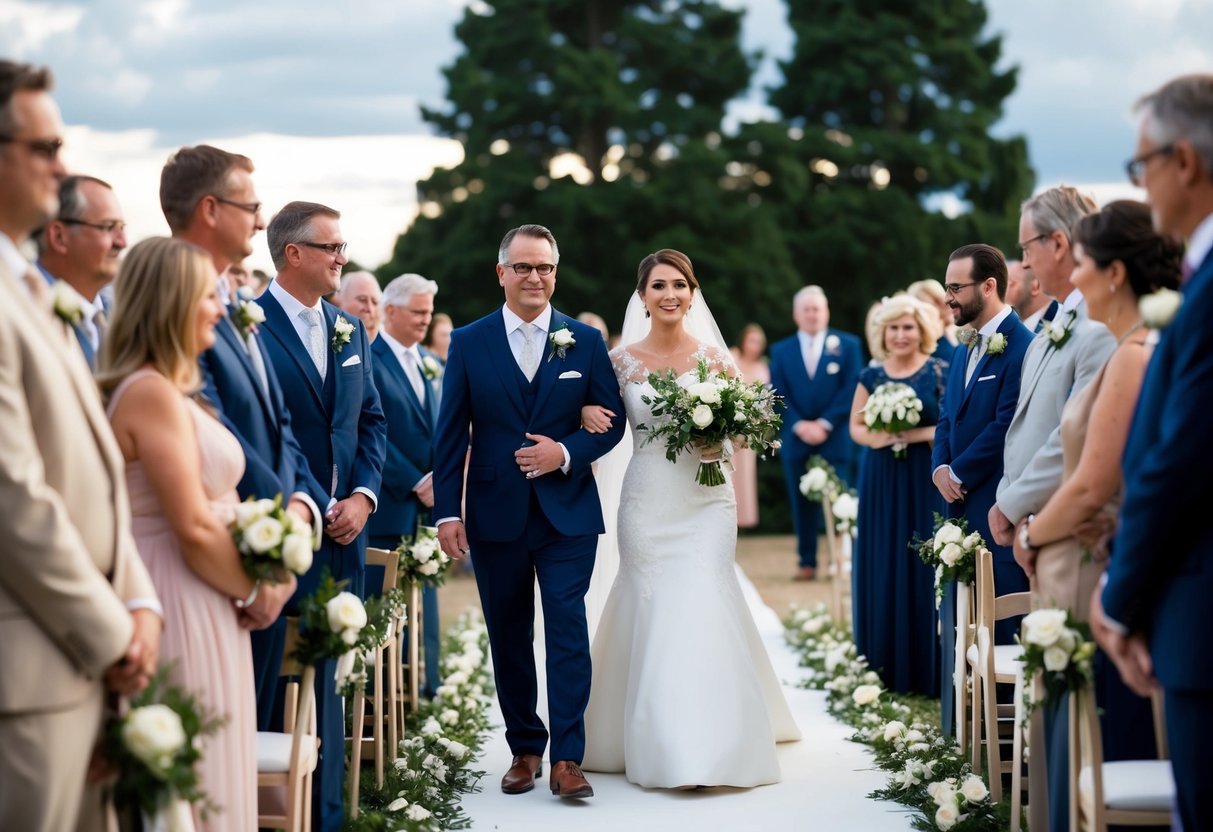
When planning a wedding, it’s important to know who walks down the aisle first. The roles of immediate family members and special guests are significant in creating a meaningful processional.
Immediate Family’s Role
The immediate family plays a crucial part in the processional. Typically, the officiant is the first to enter, signaling that the ceremony is about to begin.
Next, the grandparents of both the bride and groom walk down the aisle. The bride’s grandparents usually go first, followed by the groom’s. This order highlights their importance and honors their presence.
Then come the parents. Generally, the mother of the bride walks down the aisle next, followed by the father of the bride. In some traditions, the father may escort the bride, creating a special moment before her entrance. The groom’s parents may enter shortly after.
Honoring Special Guests and Relatives
You may also want to recognize other key family members or very special friends. Often, other relatives may have specific roles, like being part of the bridal party.
This is a great time to honor those who might not be as central but are still dear to you. In some weddings, additional figures like siblings or a beloved grandparent may be included.
By thoughtfully including special guests, you create a meaningful moment for everyone involved. Each person that walks down the aisle contributes to the memories of your wedding day.
Planning Your Processional
When planning your processional, it’s essential to consider the music and how everyone will enter and exit the ceremony. These details create memorable moments that set the tone for your big day.
Selecting the Processional Music
Choosing the right music is important for your wedding ceremony. The processional music plays as you walk down the aisle, making it a big moment. Think about songs that hold meaning for you and your partner.
Popular options include traditional pieces like “Canon in D” by Johann Pachelbel or more modern selections like “All of Me” by John Legend.
You might also want to consider the prelude music. This is what guests hear before the ceremony begins. It helps build excitement and anticipation.
Make sure to coordinate with your musicians or DJ. They can help you create a smooth flow between different songs.
Coordinating the Entrance and Exit
Your entrance sets the stage for the ceremony, so planning is key. Generally, the officiant walks down first, followed by the bridal party.
Here’s a common order for the processional:
- Officiant
- Bridesmaids and Groomsmen (you can alternate if you prefer)
- Maid/Matron of Honor
- Flower Girl and Ring Bearer
- Bride with her escort
Think about how you want everyone to exit after the ceremony, too. The recessional usually has upbeat music to celebrate the new union.
This moment can be just as special. You might want to exit together as a couple, or have your bridal party join you.