
Who Signs the Register at a Wedding? Understanding the Key Roles in Your Ceremony
Understanding who signs the register at a wedding is key to making your special day run smoothly. Typically, the couple, their witnesses, and the officiant are the ones who sign the marriage register. This important act helps create a legal marriage and marks a significant moment in your ceremony.
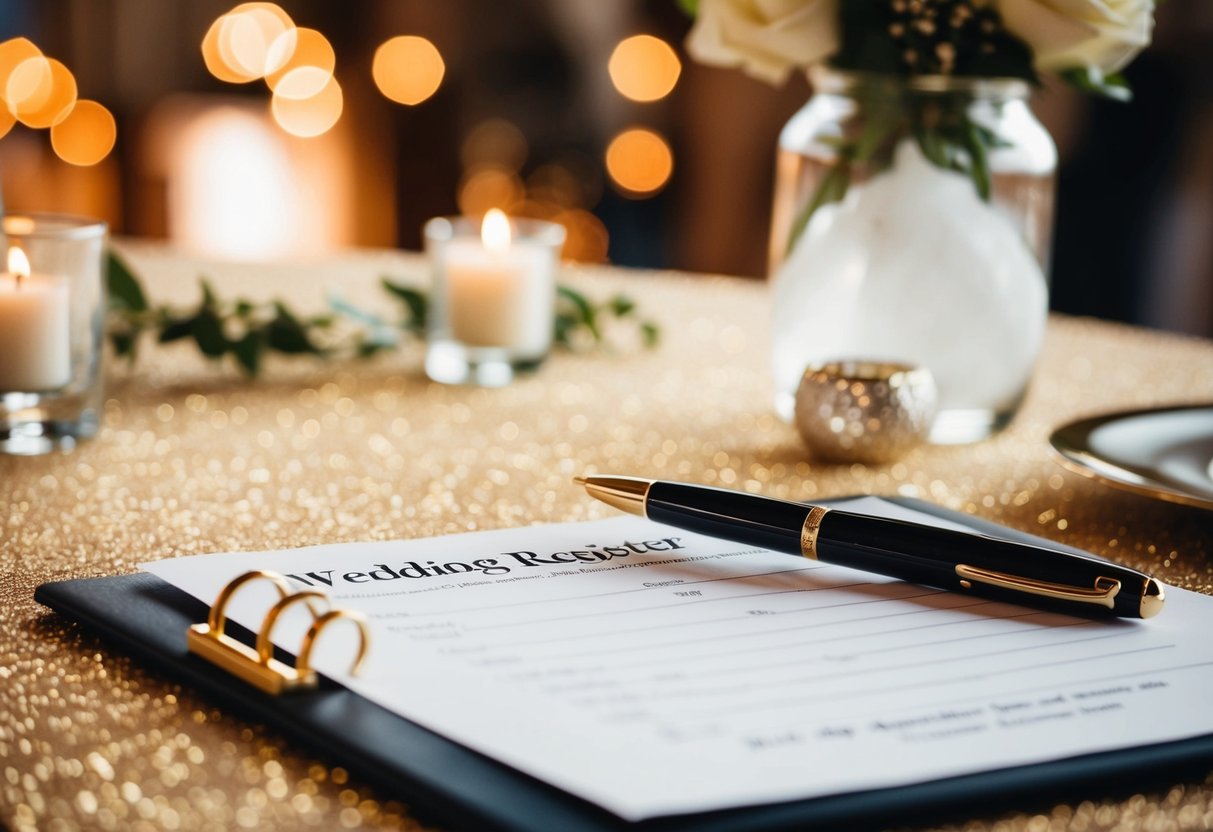
As you prepare for your wedding, it’s essential to know that your witnesses play a crucial role. Not only do they support you during the ceremony, but their signatures help validate your marriage. Knowing who is involved in signing the register can help you choose the right people to stand by your side.
The signing usually takes place after the vows are exchanged, symbolizing your commitment to each other and marking the legal recognition of your marriage. Getting these details right can make your day even more memorable and meaningful.
The Role of the Officiant in a Wedding

The officiant plays a crucial part in your wedding day. They not only guide you through the ceremony but also ensure that all legal requirements are met. Let’s explore their roles before the ceremony, during the ceremony, and at the moment of signing the register.
Pre-Ceremony Legalities
Before the ceremony, your officiant will help you with important legal steps. They ensure that you have obtained a marriage license. This is a legal requirement in many places. Without it, your marriage won’t be valid.
The officiant may also discuss the process of giving notice. This involves informing your local authority about your intention to marry. Your officiant can guide you through these steps, making everything smoother and less stressful.
During the Ceremony
During the ceremony, your officiant’s role is to create a meaningful experience. They guide you and your partner through the vows and any personal touches you want to include.
The officiant introduces guests and sets the tone. Their presence adds structure to the event. They ensure that the ceremony flows smoothly, keeping everyone engaged. They also handle any unexpected moments that may arise.
Signing of the Register
The signing of the register is a key moment in your wedding. After you exchange vows, the officiant leads you and your witnesses to the marriage register. This is an official legal document that confirms your marriage.
Your officiant will ask you to sign along with your witnesses. It’s important to ensure that all signatures are correctly recorded. The officiant then completes the necessary paperwork to submit to local authorities. This step is important to finalize your marriage legally.
Participants in the Registry Signing
In a wedding ceremony, certain participants play key roles during the registry signing. This involves important responsibilities that ensure the marriage is legally recognized. Let’s explore the roles of witnesses and the bride and groom in this process.
Witnesses’ Responsibilities
Witnesses are essential for the legality of your marriage. Typically, you need at least one or two witnesses present when signing the marriage register. Their primary role is to observe the signing and later sign their names on the document as proof of the event.
Common choices for witnesses include your best man, maid of honor, or close family members. They must be over 18 years old and capable of understanding the ceremony’s significance.
Having trusted individuals in these roles adds a personal touch. It’s their responsibility to ensure all signatures are legible and that the document is securely handled. This step is crucial because any error might lead to complications in the future.
Bride and Groom Participation
The bride and groom have a direct role in signing the register. You will typically do this immediately after your vows or at a designated time during the ceremony. This process may vary slightly based on personal preference and cultural traditions.
Make sure you have a valid marriage license with you, as this document is necessary for the signing. After the ceremony, both of you should sign the marriage certificate together, with your witnesses observing this important act.
If you are having a wedding without witnesses, it may be essential to check local laws, as some places require this step for the marriage to be valid. Always confirm the rules in your area to ensure a smooth process.
Logistics of the Register Signing
Setting up the register signing is an important part of your wedding. You will want to consider the location, timing, and items needed to make this process smooth and meaningful.
Setting Up the Signing Area
Choose a spot that is both accessible and visually pleasing. A signing table should be at the center, decorated to match your wedding theme. Use a tablecloth that complements your colors, and consider adding some floral arrangements.
Two chairs should be placed next to the table for you and your partner. Ensure they are comfortable, as you will be sitting there during an important moment. Using a simple yet elegant pen for signing also adds a nice touch.
You might want to set the mood with a soft song playing in the background as you sign. This helps create a relaxed atmosphere that you and your guests will appreciate.
Ceremony Order and Timing
Consider when to include the register signing in your ceremony order. Typically, it happens after the vows and readings and before the recessional.
This timing allows you to soak in the moment before moving on to the celebration. Be sure to inform your officiant of the exact timing so they can guide you through it.
Make sure there is enough time allocated for this part, as it may take a few minutes. Guests can enjoy this intimate moment and share in your joy. Keep in mind any specific legal requirements related to the signing to ensure everything goes smoothly.
Types of Marriage Ceremonies and Their Requirements
When planning your wedding, it’s important to understand the different types of marriage ceremonies. Knowing the specific requirements for each type can help you make informed decisions.
Civil vs. Religious Ceremonies
A civil ceremony is conducted by a government official, such as a registrar or local celebrant. This type is straightforward and typically takes place at a local register office. You don’t need to follow any specific religious customs, making it a flexible choice.
On the other hand, a religious ceremony occurs in a place of worship, such as a church or synagogue. It is led by a religious officiant and follows specific traditions. You may need to meet certain requirements of the faith, such as pre-marital counseling or attending classes.
Both types require you to obtain a marriage license before the ceremony, so check with your local register office for details.
Legal Differences
Civil and religious ceremonies have different legal requirements. In a civil ceremony, you sign the marriage register and receive a marriage certificate from the local register office.
For a religious ceremony, the officiant must also file legal paperwork after the ceremony. While both types result in legal marriage, the procedures differ. So, it’s crucial to understand what documents you need in advance.
In some places, religious ceremonies may have additional requirements, like witnessing and specific texts or prayers. Always check the Marriage Act in your area for specific rules that apply to your situation.