
Who Sits at Mother of the Bride Table? Understanding Seating Arrangements for a Special Day
As you plan your special day, figuring out the seating arrangements can feel overwhelming. You might wonder about the right people to sit at the mother of the bride‘s table. Typically, this table includes the mother of the bride, close family members, and sometimes special friends who are important to the couple.
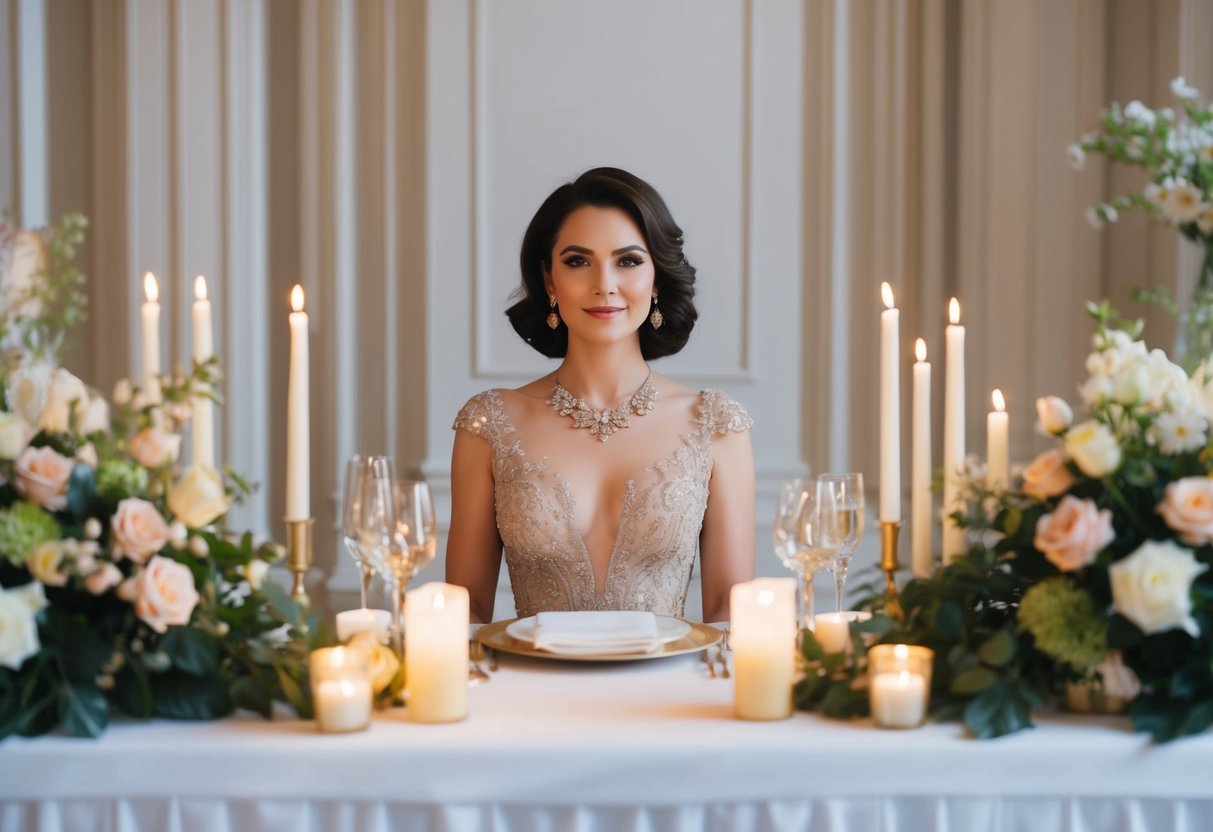
Seating the right people together not only honors family ties but also sets a warm tone for your wedding reception. The mother of the bride’s table plays a key role in the overall atmosphere, as it brings together loved ones who support you on this exciting journey. As you consider your options, think about who will make your mother feel cherished and celebrated during this memorable event.
Understanding the Traditional Seating Arrangements
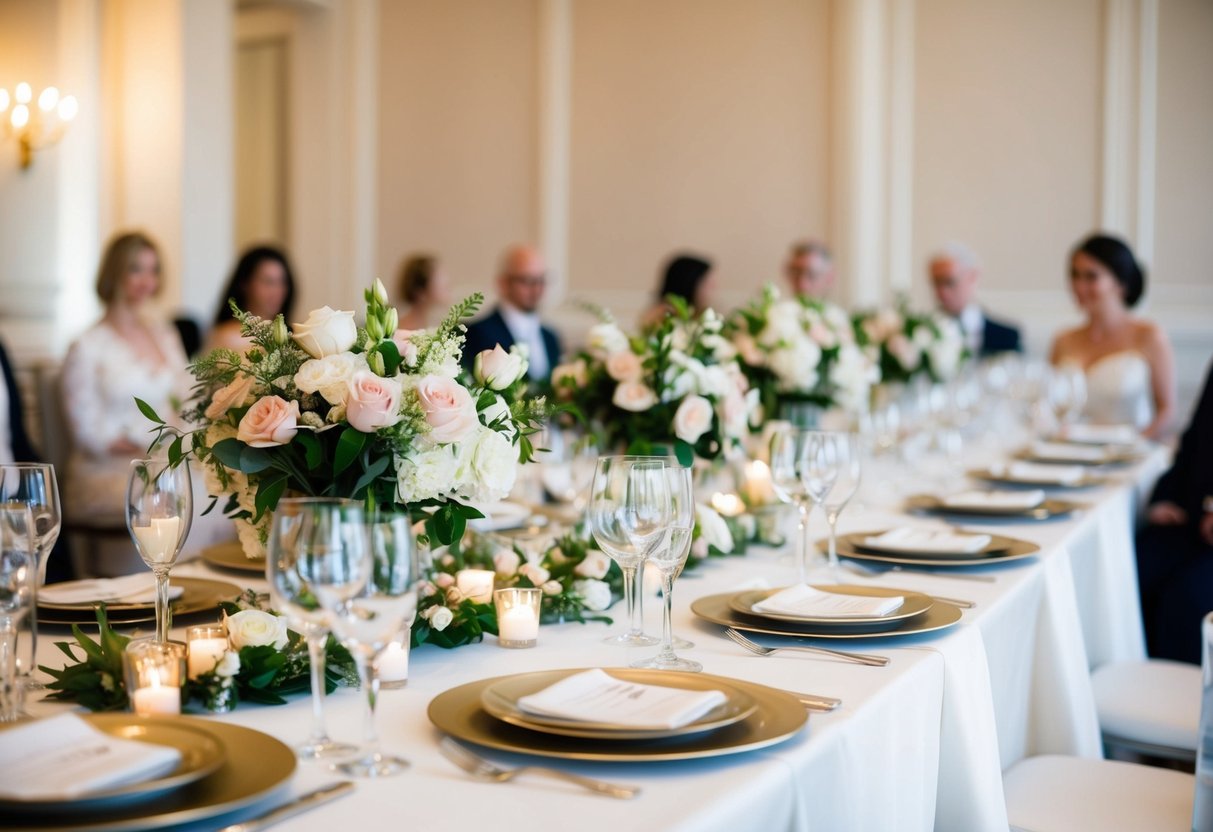
Seating at a wedding is important to reflect family dynamics and ensure everyone feels included. The arrangements can vary based on traditions and personal preferences. This section covers the sweetheart table, the head table arrangements, and considerations for seating grandparents.
The Sweetheart Table and Its Alternatives
A sweetheart table is a special spot just for you and your partner. It allows you to enjoy intimate moments while still being part of the reception. Traditionally, this table is placed in a prominent location. Some couples prefer alternatives like a “head table” where close family members also sit with you. This fosters a greater sense of unity during the celebration.
If you decide on a sweetheart table, you can still create a welcoming atmosphere by positioning other tables nearby. This way, your parents can easily join in on conversations and celebrations. Make sure the table décor matches your theme, adding a personal touch that reflects your style.
Arranging the Head Table
The head table is a classic option where you, your partner, and close family sit together. In many traditional weddings, the bride and groom’s parents often accompany the couple. You may choose to follow a male/female pattern, seating groomsmen and bridesmaids along with your families.
When planning the seating arrangement, consider family dynamics. If some family members may not get along, it’s wise to separate them. This ensures a comfortable experience for everyone. Place the head table where all guests can see it, enhancing the ceremony’s intimate feel.
Considerations for Grandparents
Seating grandparents is an important part of your wedding arrangements. They often play key roles in family traditions and celebrations. Traditionally, grandparents are seated at the front, close to the ceremony area.
Consider their comfort and mobility when choosing seats. If they have trouble walking, ensure they have easy access. You might also want to reserve special seats for them at the head table or nearby, allowing them to feel included while enjoying the festivities.
Creating a Seamless Seating Chart
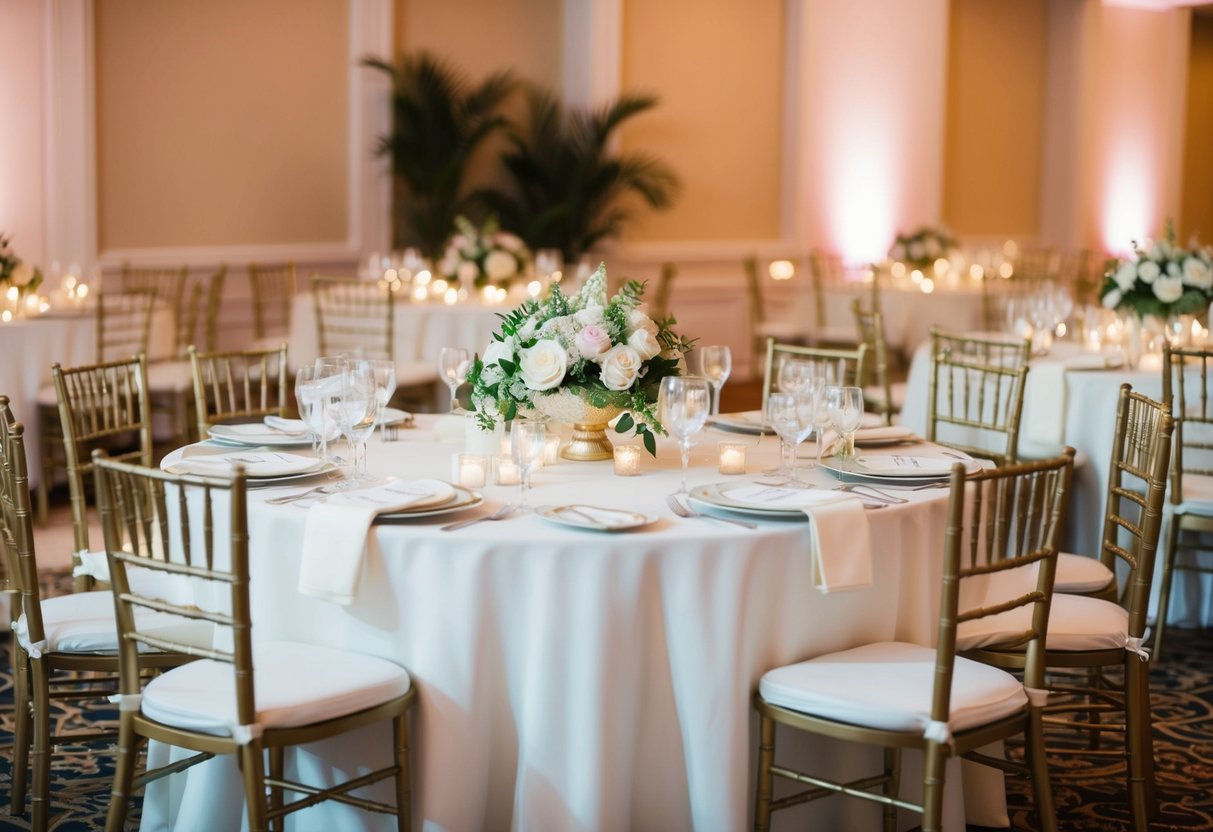
Planning a seating chart can be tricky, but it is important for a smooth wedding reception. You want your guests to feel comfortable and enjoy their time at your celebration. Here are some key considerations.
Planning the Seating Chart
Start by gathering your guest list. Make a list of everyone you plan to invite and break it into groups. Consider relationships and personalities when organizing your seating.
You can create a simple chart with tables and guest names. Use a spreadsheet or even a piece of paper. Decide on the table settings that best fit your vision.
Designate a head table for immediate family, including the mother of the bride. This keeps important people close during the reception. Make sure to leave enough space for movement around the tables.
Handling Divorced Parents
When dealing with divorced parents, it’s essential to consider their comfort. If both parents are invited, try to seat them at different tables. This can help avoid tension.
Consider their current relationships too. For example, if one parent has a new partner, it might be wise to keep them apart. Your goal is to maintain peace for everyone.
A separate table for family politics might also work. This way, everyone feels included without the stress usually associated with these dynamics.
Finalizing Guest List Accommodations
Once you have a rough seating plan, check for any special accommodations. For example, consider guests with mobility challenges. Make sure they have easy access to their tables.
Double-check meal preferences or allergies based on your guest list. Keeping dietary needs in mind can prevent any last-minute stress during the reception.
Communicate your plan to the venue staff as well. They can help ensure everything is set up as you envisioned. This attention to detail makes a big difference in guest experience.
Honoring the Wedding Party and Close Family
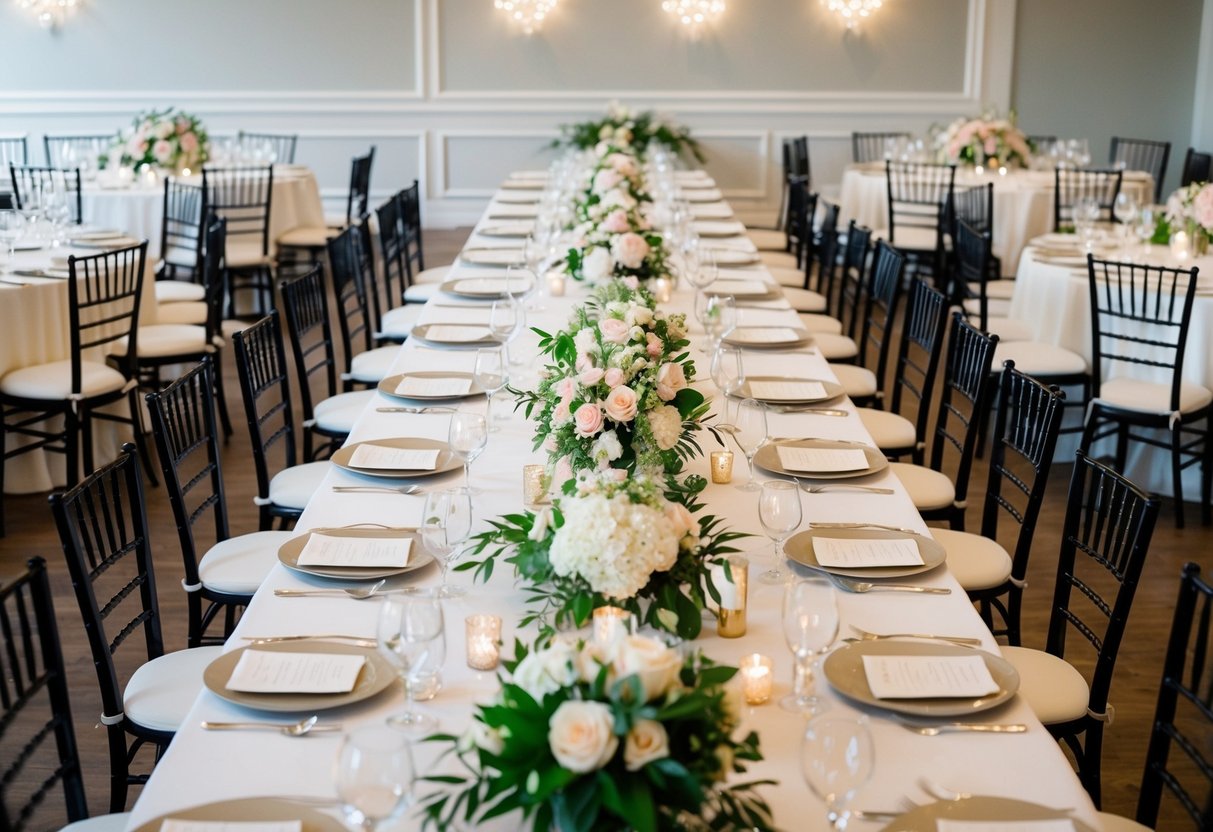
Seating arrangements at your wedding are essential for making your loved ones feel special. Choosing seats for the wedding party and close family members reflects their importance in your life and on your big day.
Positioning the Wedding Party
The wedding party usually has a special spot at the reception. You can create a head table where the bride and groom sit in the center, flanked by the best man and maid of honor.
Bridesmaids and groomsmen can sit on either side but make sure to mix them up for a more dynamic look. This arrangement shows appreciation for their support.
Consider giving them a designated area nearby so they feel included throughout the celebration. Table settings should reflect your theme, making the table feel festive and welcoming.
Special Seating for Parents
Your parents deserve a special place at the reception. Traditionally, the mother of the bride sits in a prominent spot, such as at the head table or a separate table close by.
You can position the mother of the groom nearby, fostering connection and honoring their roles. If your parents are divorced, make separate arrangements, ensuring both are comfortable.
Adding special touches like personalized place cards will show your appreciation. This thoughtful gesture helps create a warm atmosphere, making everyone feel valued.
Special Considerations for Diverse Wedding Formats
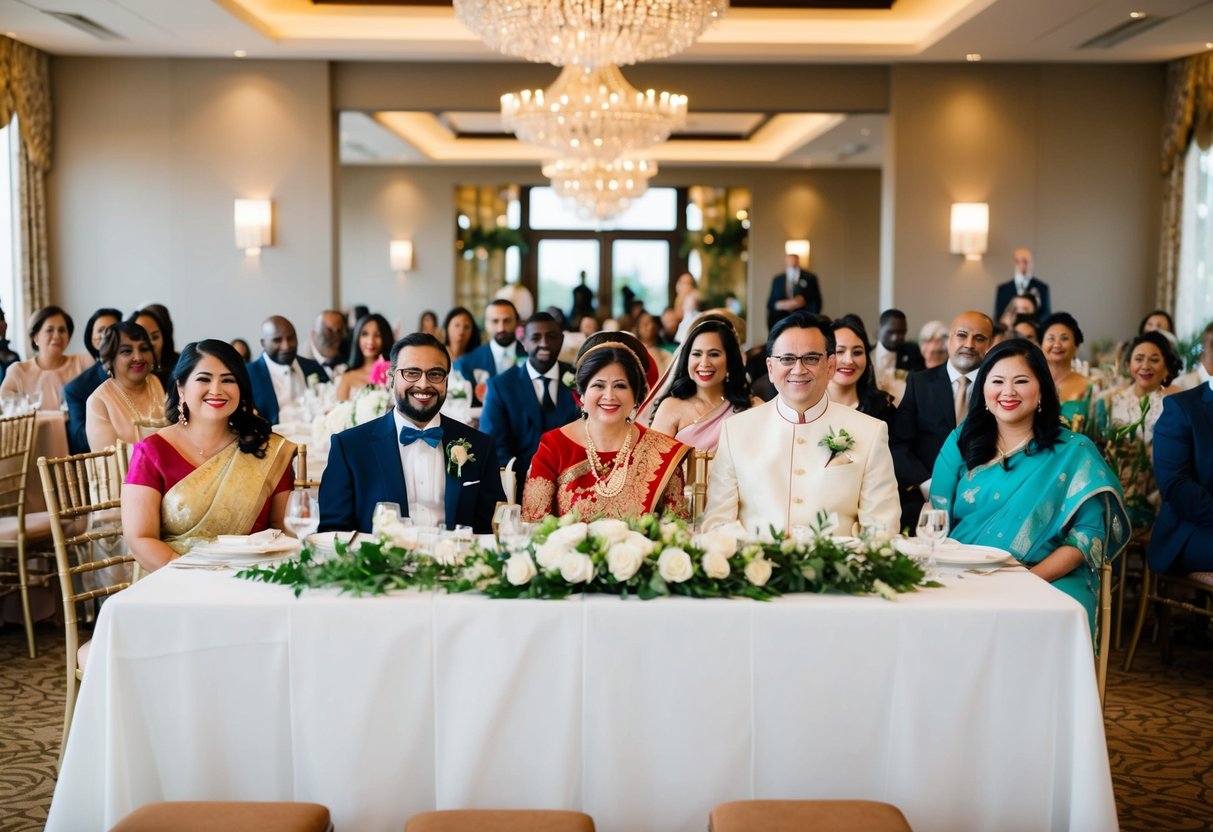
When planning seating arrangements for diverse wedding formats, it’s important to respect cultural customs, accommodate all guests, and ensure a comfortable atmosphere for families and children. Here’s how to navigate these considerations.
Cultural and Religious Customs
Different cultures and religions often have unique wedding customs that dictate seating arrangements. For example, in a Jewish wedding, the bride’s parents may sit on one side, while the groom’s family sits on the opposite side.
In a Muslim wedding, seating can also reflect family status, and sometimes, men and women are seated separately. Be sure to check any specific customs that may apply to your event.
Understanding these customs will help you plan a seating chart that honors tradition and keeps everyone comfortable and respected.
Accommodating Same-Sex Couples and Guests
In today’s weddings, it’s common to see same-sex couples, and seating arrangements should reflect this. You can sit the couple’s families together or place them in a way that feels natural and inviting.
At a same-sex wedding, both sets of parents can sit in a prominent position, similar to their respective roles in traditional weddings.
Consider using double nameplates for shared tables. This helps guests feel included and signifies respect for the couple’s families. It’s also important to encourage all guests to embrace the celebration of love, regardless of gender.
Adjusting for Family and Children
When planning seating, think about the needs of children attending the wedding. Consider creating a kid-friendly reception area with tables that are close to parents. This gives children a space to play and socialize safely.
For family dynamics, try to seat the mother of the bride or the mother of the groom so that they feel comfortable if they have a complicated relationship with other family members.
Also, plan for other family members, such as grandparents, who may require special seating for easy access.