
Who Sits at Table 1 at a Wedding? Understanding the VIP Seating Arrangement
When planning a wedding, deciding who sits at table 1, often called the head table, is a key part of your seating arrangement. Typically, the bride and groom occupy this special spot, along with their wedding party and close family members. This table is meant to highlight the couple and those who have played significant roles in their big day.
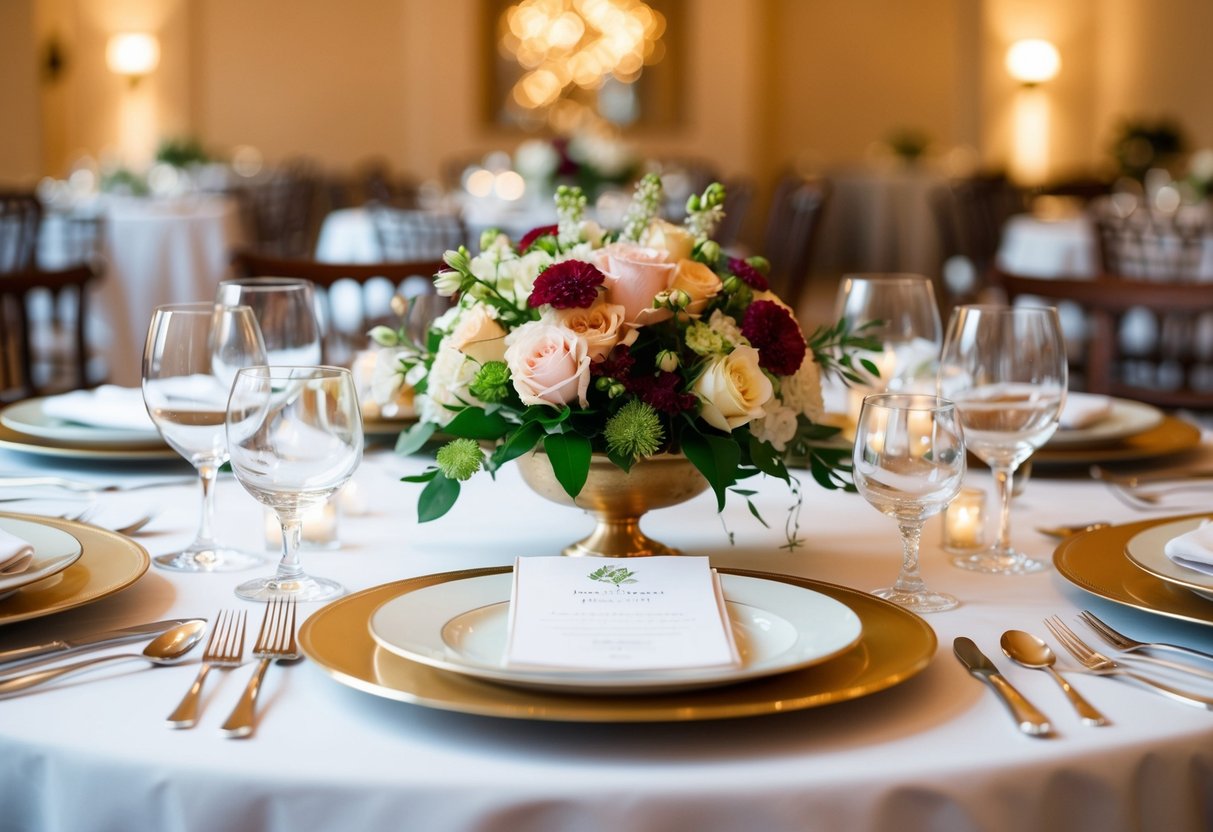
As you create your seating chart, consider the dynamics you want at the head table. You might choose to include your best man and maid of honor or even both sets of parents. This not only adds to the celebration but also ensures that your closest supporters are right by your side during the reception.
Knowing who sits at the head table helps create a welcoming atmosphere for your guests. It allows everyone to see the special people who shared in your love story, making the event even more memorable.
Understanding Seating Arrangements at Weddings
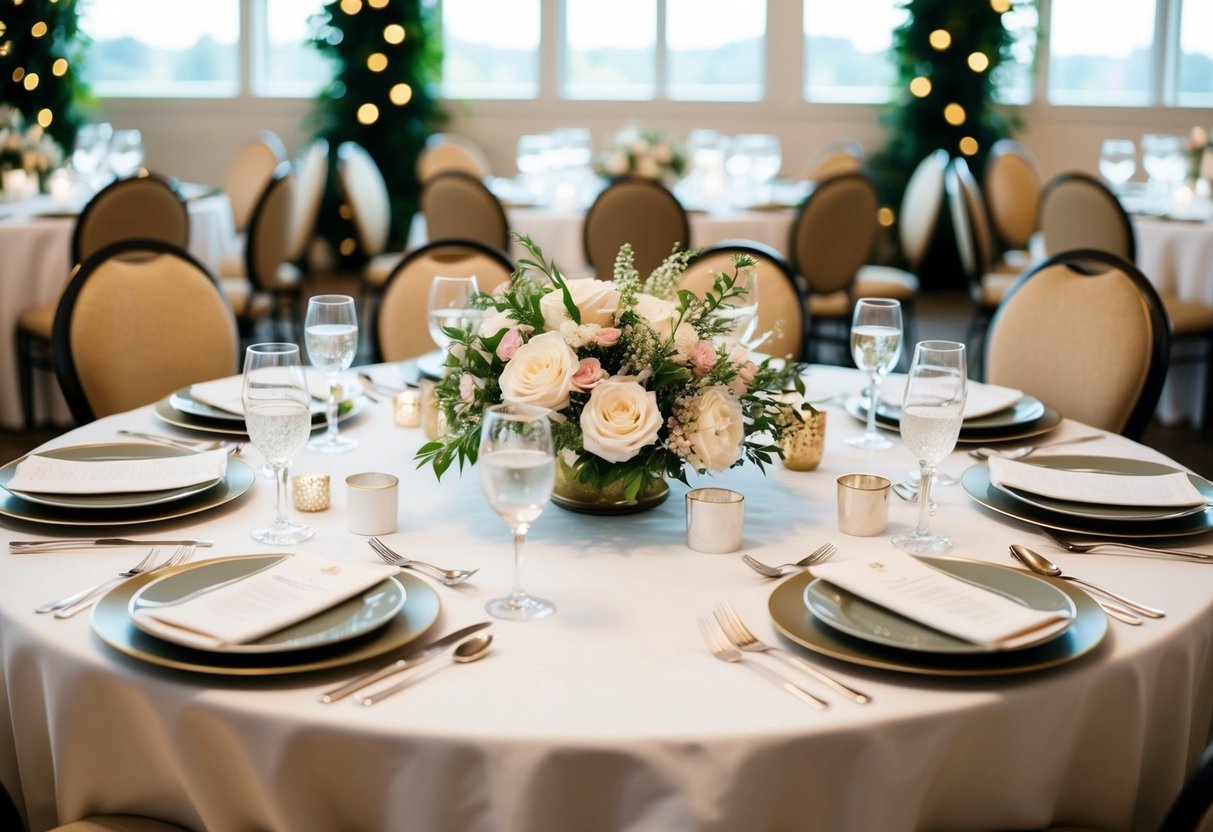
When planning your wedding seating arrangements, it’s important to think about who sits where, especially at the head table. This section covers key aspects like the traditional head table, your seating chart choices, and how to honor important guests.
The Head Table and Its Traditions
The head table is often a focal point at the wedding reception. Traditionally, this table features the bride and groom in the center. Usually, the bride sits to the groom’s right. You might also include your wedding party here. Bridesmaids and groomsmen often sit at this table. Some couples choose to use a sweetheart table, which is smaller and only seats the couple.
Discuss this with your partner to decide which option fits your style. Include your wedding theme in the table’s decoration to make it special.
Seating Chart Nuances and Guest List Considerations
Creating the seating chart can be tricky, but it’s a vital part of your planning. Start by making a guest list. Organize guests into categories—family, friends, and colleagues.
Consider special seating options for those who may need them. For example, keep any guests with dietary restrictions in mind when planning the seating chart. Communicate with your venue about accommodating guests with special needs.
A well-thought-out seating chart helps ensure a smooth reception. It encourages guests to mingle and feel comfortable.
Honoring the Parents and Special Guests
You may want to honor your parents and special guests by giving them prime seats. Traditionally, parents sit near the head table. Think about the dynamics among family members. If there are divorced parents or other sensitive situations, carefully consider their seating arrangements to avoid discomfort. VIP guests, like grandparents or important family friends, can also receive special seating. This recognition can make them feel valued and appreciated on your special day.
Take the time to create a thoughtful seating chart that reflects your relationships with these important people.
Assigning the Wedding Party and VIP Guests
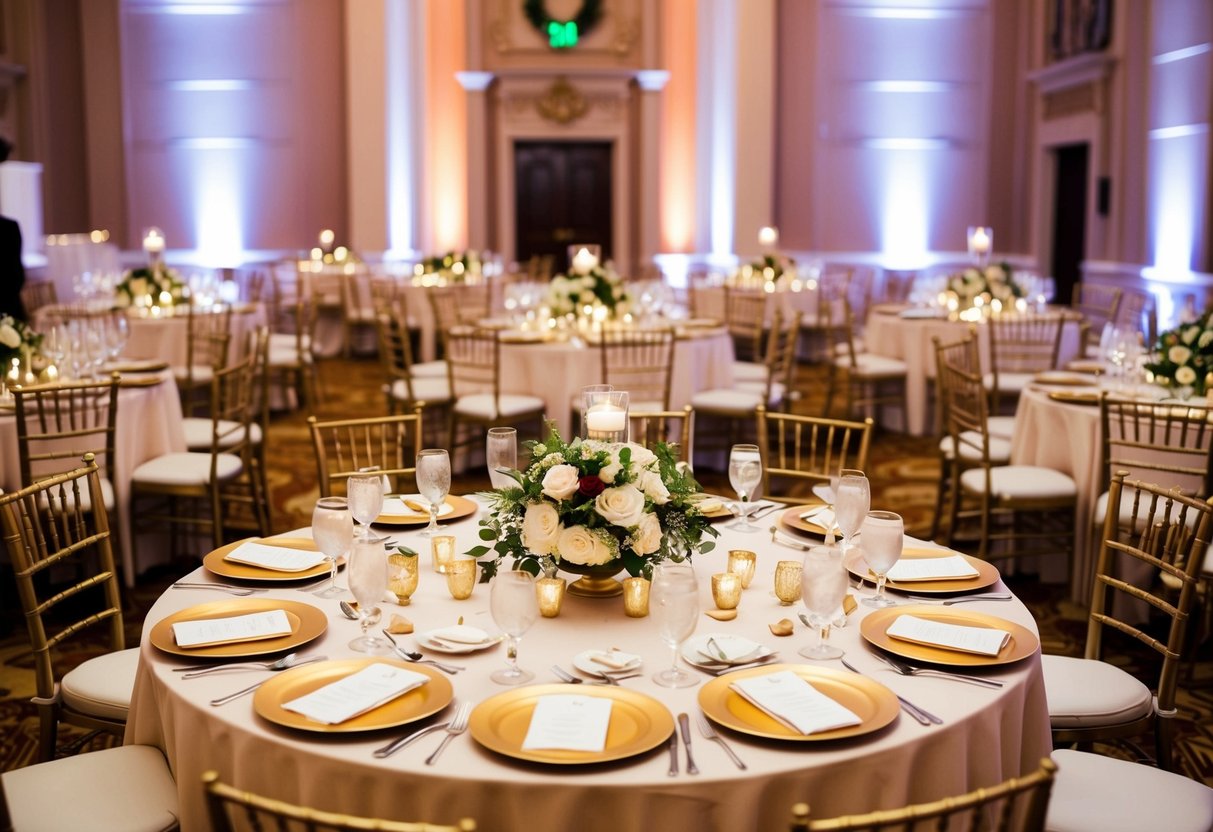
When planning who sits at Table 1, it’s essential to consider the roles of your wedding party and important family members. This table often becomes a focal point that sets the tone for the celebration. Here’s how to arrange seating effectively.
Roles of the Best Man and Maid of Honor at Table 1
The Best Man and Maid of Honor play significant roles during your wedding day. Placing them at Table 1 is traditional, as they are your right-hand supporters. This table should also include significant family members, like parents or siblings, to emphasize their importance. Make sure to communicate with them ahead of time. This gesture shows your appreciation and highlights their value to you on this big day.
Incorporating Siblings and Close Family Members
You may have close siblings or family members who should be at Table 1. If you have multiple siblings, consider their relationships and any family dynamics involved. Seating them together can foster a sense of unity and enjoyment. You might want to sit siblings on either side of you to foster a sense of togetherness. Additionally, you can include close cousins who are especially pivotal in your life. It makes the table feel warm and inviting for you and your guests.
Arranging Seating for Divorced Parents
If your parents are divorced, arranging their seating can be tricky. Consider their comfort and your family dynamics. A common practice is to seat them at separate ends of Table 1. This arrangement helps to avoid any awkwardness while ensuring you feel supported. Communicate with each parent prior to the event, so they understand the arrangements. This consideration helps manage expectations and maintains peace at the celebration.
Navigating Social and Family Dynamics at the Head Table
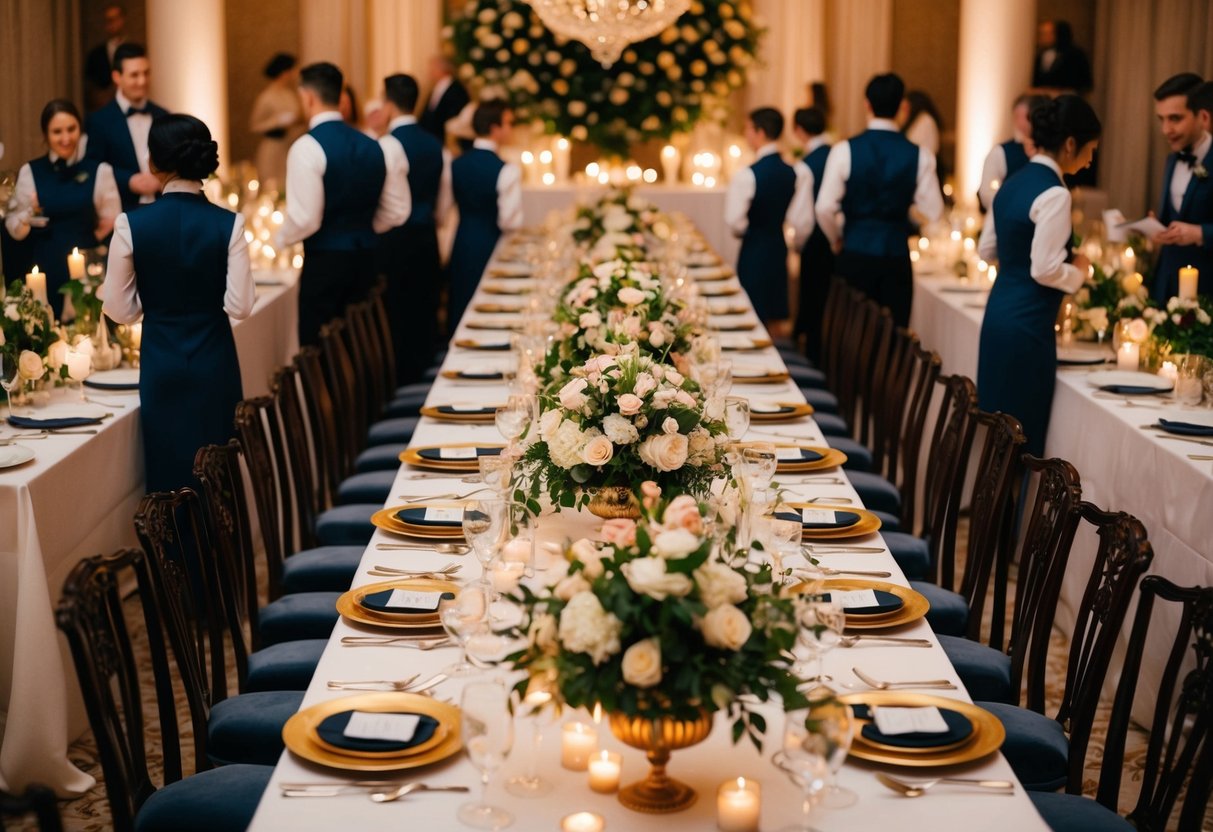
Seating arrangements at the head table can influence the mood of your wedding reception. Considerations like family relationships and the role of young guests are essential in creating a welcoming atmosphere for everyone.
Dealing with Complex Family Relationships
Family dynamics can be tricky. If you have divorced parents or other sensitive situations, think carefully about seating. It may help to have a discussion with family members beforehand. You want to avoid any uncomfortable moments during the reception.
You could consider alternative seating arrangements, like separating divorced parents by a wedding party member. This setup keeps the peace while ensuring everyone feels included. Additionally, placing supportive family members near sensitive guests can help ease any tension and make for a smoother experience.
Seating Younger Guests: Flower Girls and Ring Bearers
Young attendees like flower girls and ring bearers add joy to your day. Their seating should reflect their importance but also be practical.
Consider making a special kids’ table next to the head table for them. This gives them a close view of the festivities without the pressure of adult conversations. Provide activities or favors to keep them entertained. You can also have older guests monitor the kids at the table, ensuring everyone enjoys the celebrations while maintaining a fun atmosphere.
Practical Tips for Creating a Seating Chart
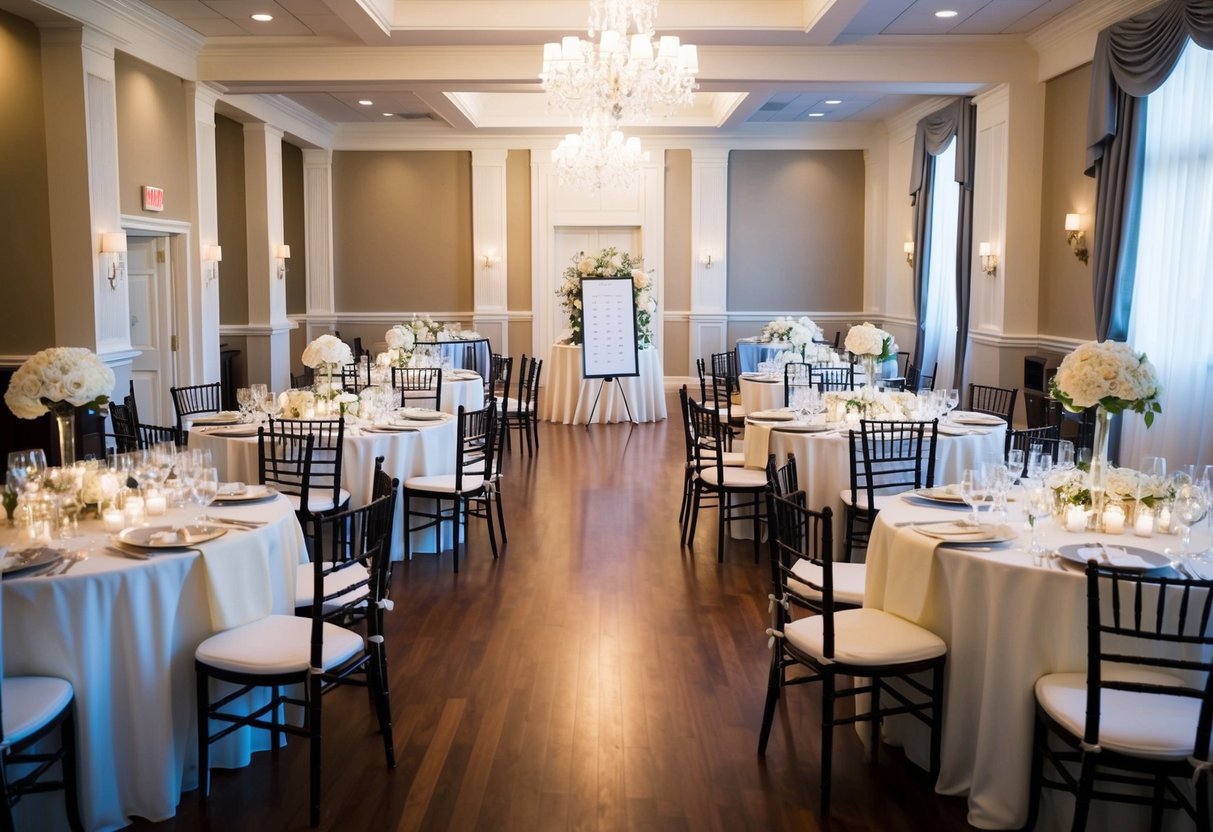
Creating a seating chart can seem challenging, but it helps ensure guests are comfortable and enjoy your wedding. Keep personal preferences in mind, and consider involving a professional for extra support.
Balancing Personal Preferences with Seating Etiquette
When designing your seating chart, think about your guests’ relationships and preferences. Start by listing who you want to sit together. Group family members, friends, and colleagues thoughtfully.
Keep in mind that some guests might prefer to sit with familiar faces, while others might enjoy meeting new people. It’s a good idea to include a mix of both approaches.
Seating Etiquette Tips:
- Avoid placing exes or awkward relationships too close.
- Respect any RSVP notes that suggest seating preferences.
- Consider assigning place cards for clarity.
Taking these steps helps create a friendly atmosphere at your wedding reception, making it a joyful occasion for all.
Involving a Wedding Planner for Professional Guidance
Hiring a wedding planner can simplify the seating chart process. They have experience creating seating arrangements that work best for your venue and guest count.
A planner can also provide insights on common mistakes to avoid. For example, they can help you visualize the setup with a wedding reception seating chart, ensuring smooth guest flow.
Benefits of Working with a Planner:
- They can manage difficult family dynamics.
- Planners often have access to helpful tools and software for seating charts.
Collaborating with a wedding planner can relieve stress, letting you focus on enjoying your intimate wedding with friends and family.