
Who Sits at the Bride and Groom’s Table? Understanding Wedding Seating Arrangements
When planning your wedding, deciding who sits at the bride and groom’s table is essential. Traditionally, the bride and groom sit at the center, with their maid of honor and best man on either side. This arrangement symbolizes unity and support from your closest friends.
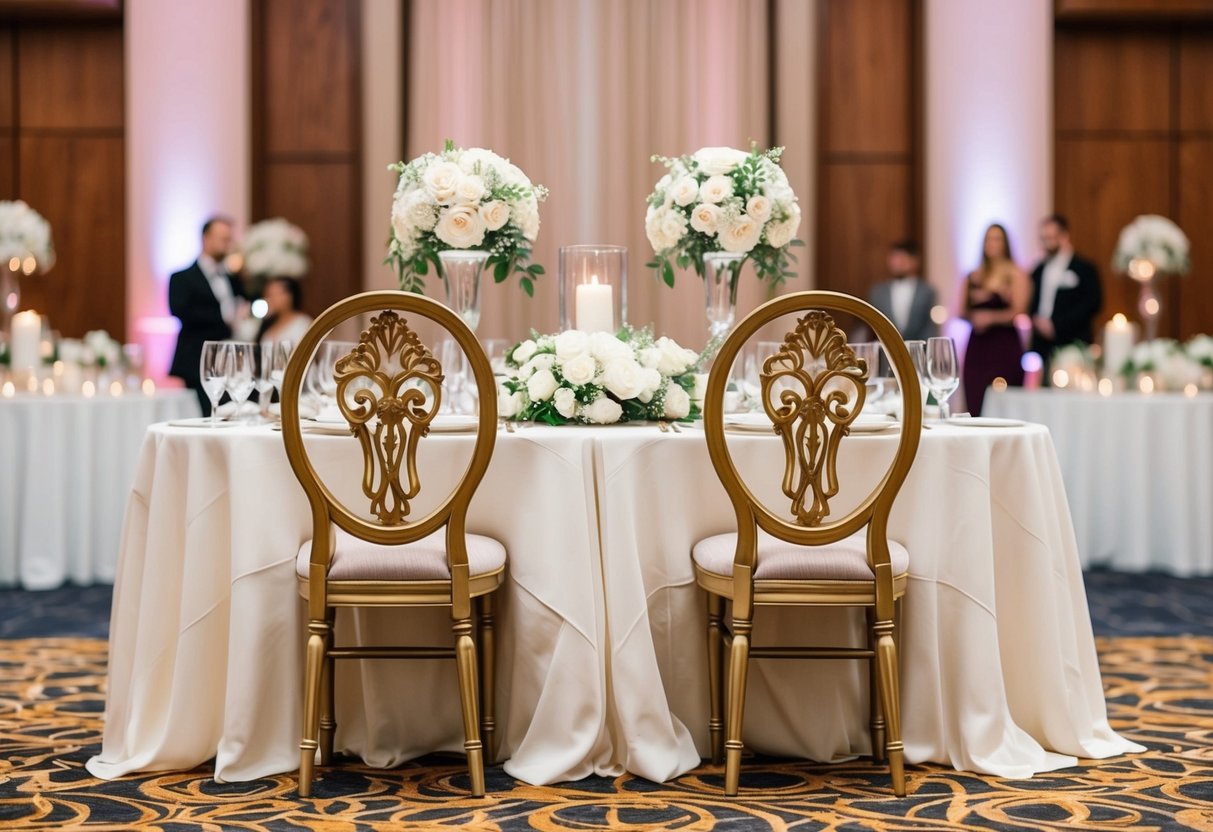
Seating arrangements can vary based on your personal choices and the dynamics of your wedding party. You may choose a large head table with family and friends or a more intimate sweetheart table just for the two of you. Either way, it’s important to consider wedding etiquette to ensure everyone feels included and comfortable.
Discussing seating with loved ones can also help keep any awkward family dynamics in check. This table is not just about tradition; it’s about creating a joyful atmosphere where you can share special moments with those who mean the most to you on your big day.
The Head Table Layout
The layout of the head table is important for the flow and feel of your wedding reception. It determines how the bridal party is positioned and helps everyone feel connected during the celebration. Here’s how to arrange your special table.
Bride and Groom Seating
At the head table, you will want to sit next to each other, typically in the center position. The bride traditionally sits on the groom’s left side. This arrangement places you both in the spotlight and symbolizes your unity.
Some couples choose to personalize their seats with decorative chairs or signs to make them stand out even more. This layout not only keeps you close during the festivities but reinforces the importance of your bond throughout the event.
Maid of Honor and Best Man Positions
Next to you, the maid of honor and best man hold special roles at your head table. Traditionally, the maid of honor sits on the bride’s side, and the best man sits on the groom’s side.
This spot allows them to participate in toasts and moments that highlight their relationships with you. The arrangement helps create a warm atmosphere, letting your closest friends feel included in the celebration.
Bridesmaids and Groomsmen Arrangement
For the rest of the wedding party, you can arrange the bridesmaids and groomsmen on either side of the maid of honor and best man. A common layout includes alternating positions: one bridesmaid, then a groomsman, and so on.
This not only looks visually appealing but also keeps everyone engaged. You can fit significant family members at the table if your party is small. Be sure to think about interpersonal dynamics when deciding who sits where to keep the mood light and enjoyable.
Seating the Wedding Party’s Families
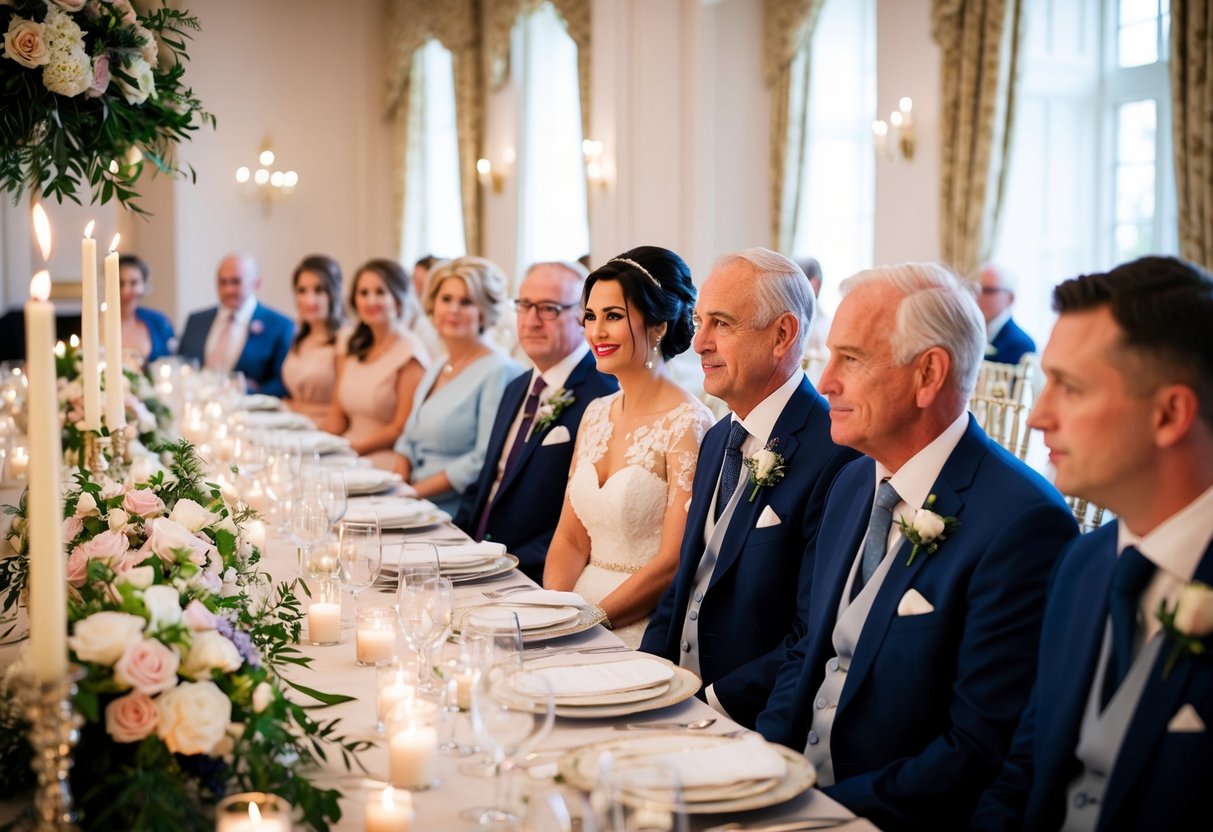
Seating the families of the wedding party is important for creating a warm and inclusive atmosphere. Thoughtful arrangements can help everyone feel comfortable and part of the special day. Here are some essential considerations for seating grandparents, parents, and extended family members.
Sitting the Grandparents
When planning the seating for grandparents, it’s a good idea to prioritize their comfort. Consider placing them at a table near the front, close to where the bride and groom will be seated. This way, they can enjoy a clear view of the ceremony and reception.
You might want to group them together to make it easier for them to interact. If more than one set of grandparents is present, arrange the seating chart to keep each family unit close. A simple seating chart can help you visualize these arrangements, ensuring no one feels left out.
Parents’ Seating Assignments
Deciding where to seat the parents is a key aspect of your seating arrangements. Traditionally, the bride’s parents sit on one side, while the groom’s parents sit on the opposite side. This setup helps to honor both families equally.
It’s often nice to give parents a table near the head table, allowing them to be close to their children. If there are other special guests, like stepparents, include them in the seating chart. You could also consider having parents sit with close friends for additional support and comfort.
Accommodating Extended Family Members
Including extended family members in your seating arrangements is also essential. A good approach is to designate a family table for aunts, uncles, and cousins. This ensures they have the chance to connect and celebrate together.
Make a list of family members to ensure everyone is accounted for. If there are any family dynamics to consider, such as past conflicts, think about separating certain individuals if needed. Your goal should be to make everyone feel welcome while maintaining a joyous atmosphere.
Special Tables and Seating Recommendations
When planning your wedding seating arrangements, special tables can enhance the experience for you and your guests. Consider how to create an atmosphere that’s both inviting and well-organized.
Sweetheart Table for the Couple
A sweetheart table is a charming option for you and your partner. It allows you to share intimate moments during the reception while still being in view of your guests.
Typically, you will sit at a small, beautifully decorated table, allowing for a romantic ambiance. Position it near the dance floor or in a focal point for easy visibility. You can add personal touches like floral arrangements or a special backdrop.
To enhance this experience, consider using place cards to show where other guests should sit, especially if parents or important family members are near.
Designating a Singles Table
Having a singles table at your wedding can help guests who come alone to connect with others. This table can foster new friendships and ensure no one feels left out.
When arranging the singles table, make sure it’s situated in a comfortable spot, away from distractions. Additionally, use escort cards to invite singles to this table, making it easier for them to find their place.
You might want to decorate this table with fun props or games to encourage mingling. Personal touches can make it a lively spot at the reception.
Children’s Seating: Flower Girls and Ring Bearers
For your younger guests like flower girls and ring bearers, it’s important to provide kid-friendly seating. Designating a special table for them can help keep them engaged throughout the event.
You might consider adding fun elements like coloring books or games to their table to keep them entertained. Keep their seating close enough to you to ensure they feel included but separate enough for space.
Also, don’t forget to provide a special menu for kids, filled with popular choices. This consideration can help make the event enjoyable for everyone involved.
Seating Etiquette and Charting
When planning your wedding, organizing who will sit where is important. Creating a thoughtful seating chart helps guests feel comfortable and ensures smooth interactions during the reception. Here’s how to get started.
Creating a Seating Chart
Begin by listing all your guests. Break them down into groups such as family, friends, and coworkers. This not only makes charting simpler but also helps you visualize where everyone might fit best.
Consider using a large piece of paper or a software program. A visual layout can show which tables are available and the number of seats at each.
Don’t forget to keep in mind any special needs guests might have. This careful planning will show your thoughtfulness and attention to detail.
Table Assignments and Place Cards
Next, assign tables for your guests. You may want to keep certain groups together or separate family members who don’t get along well. This will create a more enjoyable atmosphere for everyone.
Place cards are a great way to guide your guests to their assigned seats. You can use creative designs that fit your wedding theme.
Make sure the names are clear and legible. This makes it easier for guests to find their spots and avoid confusion during the busy reception.
Navigating Wedding Reception Seating Etiquette
Understanding seating etiquette can enhance your reception experience. Traditionally, you’ll want to sit the bride and groom at the head table. They should be flanked by the best man and maid of honor.
Family members often have specific seating arrangements as well. For instance, the bride’s parents sit close to the couple, with the groom’s parents nearby.
Use the seating chart to ensure everyone feels included. Avoid leaving guests out, especially if they traveled long distances to attend.
Thoughtful seating fosters a sense of community and celebration.