
Who Sits at the First Table at a Wedding? Understanding Seating Etiquette
Choosing who sits at the head table is an important part of wedding planning. Typically, the couple, their wedding party, and immediate family members sit at the first table at a wedding reception. This table is the focal point of the reception and sets the tone for the celebration ahead.
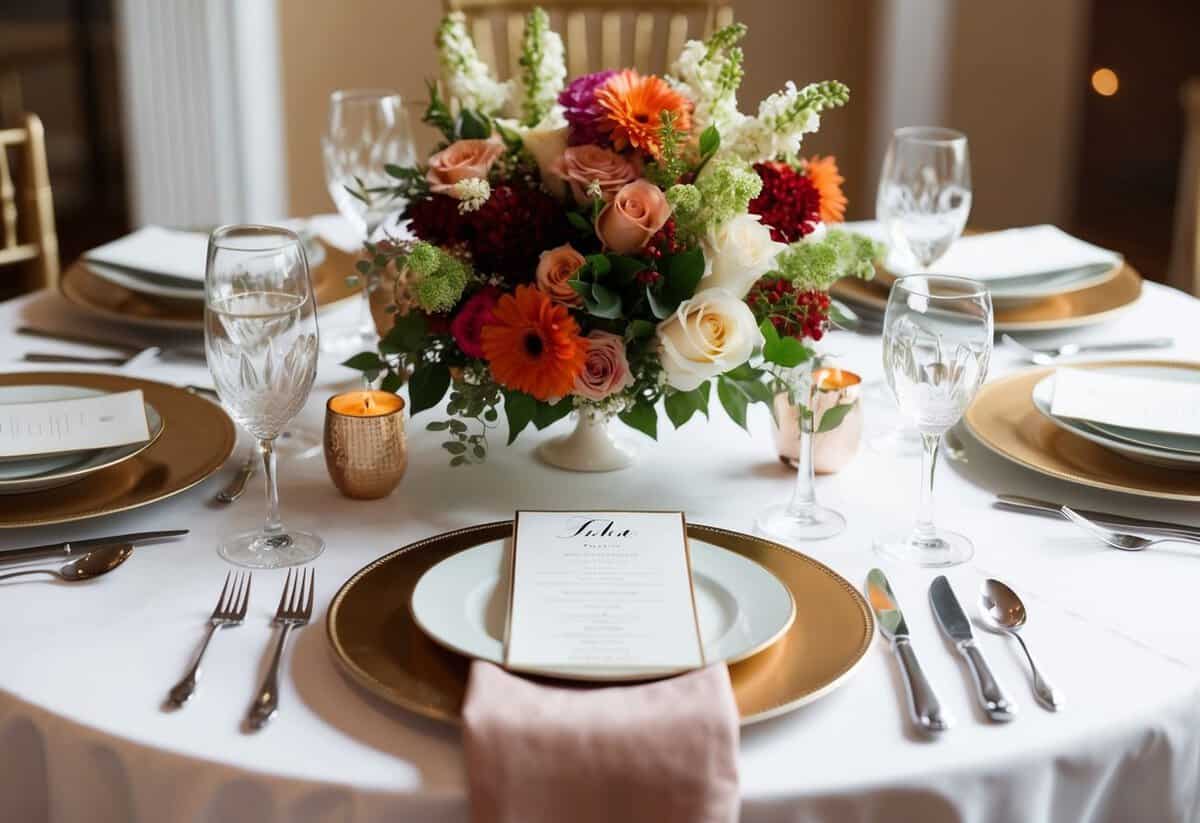
You’ll want to include your bridesmaids, groomsmen, and parents, as they play significant roles in your special day. Remember, the head table should feel welcoming and inclusive, so consider how to arrange everyone to encourage conversation and enjoyment.
As you finalize your seating chart, think about the dynamics of your relationships. Having close friends and family at the first table can create a warm atmosphere, making your wedding reception an unforgettable experience for you and your guests.
Understanding Wedding Reception Seating
When planning your wedding, seating arrangements play a crucial role in creating a pleasant atmosphere. Knowing who sits where can help your guests feel comfortable and included. Let’s explore the importance of seating charts and the different types of reception tables.
Setting the Scene
A well-organized seating chart is vital for a successful wedding reception. It helps to manage the flow of the event and ensures that guests can find their designated spots without confusion.
Assigning seating can be done through assigned seating or a flexible seating arrangement. Assigned seating works best for formal receptions, helping to prevent awkwardness. A seating plan lets your guests choose their seats, fostering a relaxed vibe.
Providing clear table assignments enhances the dining experience. You can display a seating chart at the entrance of the reception venue, and using décor elements can make the chart visually appealing.
Types of Reception Tables
The types of tables you choose will affect your seating arrangements. Here are some common options:
-
Round Tables: These are popular for their intimate feel. They typically seat 6 to 10 guests and promote conversation.
-
Long Tables: A single long table can enhance the communal atmosphere. This setup usually works well for buffet-style dinners.
-
Sweetheart Table: A special table for just the couple. It allows you to enjoy the celebration together while surrounded by loved ones.
When you create your seating chart, ensure that guests at each table are compatible and comfortable. Consider family dynamics or friendships that may influence seating choices. Thoughtful table arrangements can transform your reception into a memorable experience!
Details of the Head Table
The head table is a focal point at your wedding reception. It’s where you and your closest friends and family gather to celebrate. Understanding who sits where and the variations of this important table can help you plan effectively.
Who Sits Where
At the head table, you should typically find the bride and groom at the center. This arrangement allows guests to easily spot you during the reception.
Next to you, you can place your wedding party, including the best man and maid of honor. It’s common to include your immediate family as well.
A typical layout might look like this:
- Bride and Groom in the center
- Maid of Honor to the bride’s right
- Best Man to the groom’s left
- Parents or siblings next to them
This arrangement helps create a warm and inviting atmosphere for the special day.
Head Table Variations
There are several options for arranging the head table. One popular choice is the sweetheart table, where just the couple sits together. This is more intimate and allows for privacy amidst the celebration.
Another option is the bridal table, where the couple sits with their wedding party. This takes the spotlight off you for a moment and gives your friends an opportunity to shine.
In some cultures, the top table includes additional family members and honored guests, allowing for enhanced connection and conversation. Each variation has its own charm, so choose what feels right for you and your celebration.
Other Considerations for Seating Arrangements
When planning your wedding seating arrangements, several factors play a crucial role. You’ll want to think about the different types of guests and the special tables that enhance the experience for everyone involved.
Guest Types and Placement
Start by categorizing your guest list. Consider family members, friends, work colleagues, and VIP guests. This helps in deciding who sits where.
Family Tables: Family should ideally be seated together. Parents, siblings, and close relatives can enjoy each other’s company.
Plus-Ones: Make sure to check with guests about their plus-ones. It’s polite to sit these guests near friends or those they know well.
Kids’ Table: If children will attend, a dedicated kids’ table can keep them happy and entertained.
VIP Guests: Seat VIPs closer to the couple for easier access and to honor their importance.
By thinking about who your guests are, you’ll create a comfortable atmosphere for everyone.
Special Tables in Detail
There are some key tables that require extra attention.
Head Table: Traditionally, the couple sits here with their bridal party.
Family Tables: Ensure that parents and siblings are close by. You might have a special table for grandparents as well.
Sweetheart Table: This is just for you and your partner. It allows for intimacy amid the larger gathering.
Using place cards can help guests find their seats easily. Escort cards guide guests to their tables, making the seating process smooth.
Remember to keep your budget in mind. More complex arrangements can increase costs, so simplify where possible.
With thoughtful planning, you’ll create a welcoming and enjoyable space for all guests at your wedding.