
Who Sits at the Head Table in No Wedding Party? Understanding the Seating Arrangements
When planning a wedding without a traditional wedding party, you might wonder who should sit at the head table. The head table can include just the bride and groom, or you can choose to have your close family seated with you. This arrangement allows you to honor the people who mean the most to you on your special day.
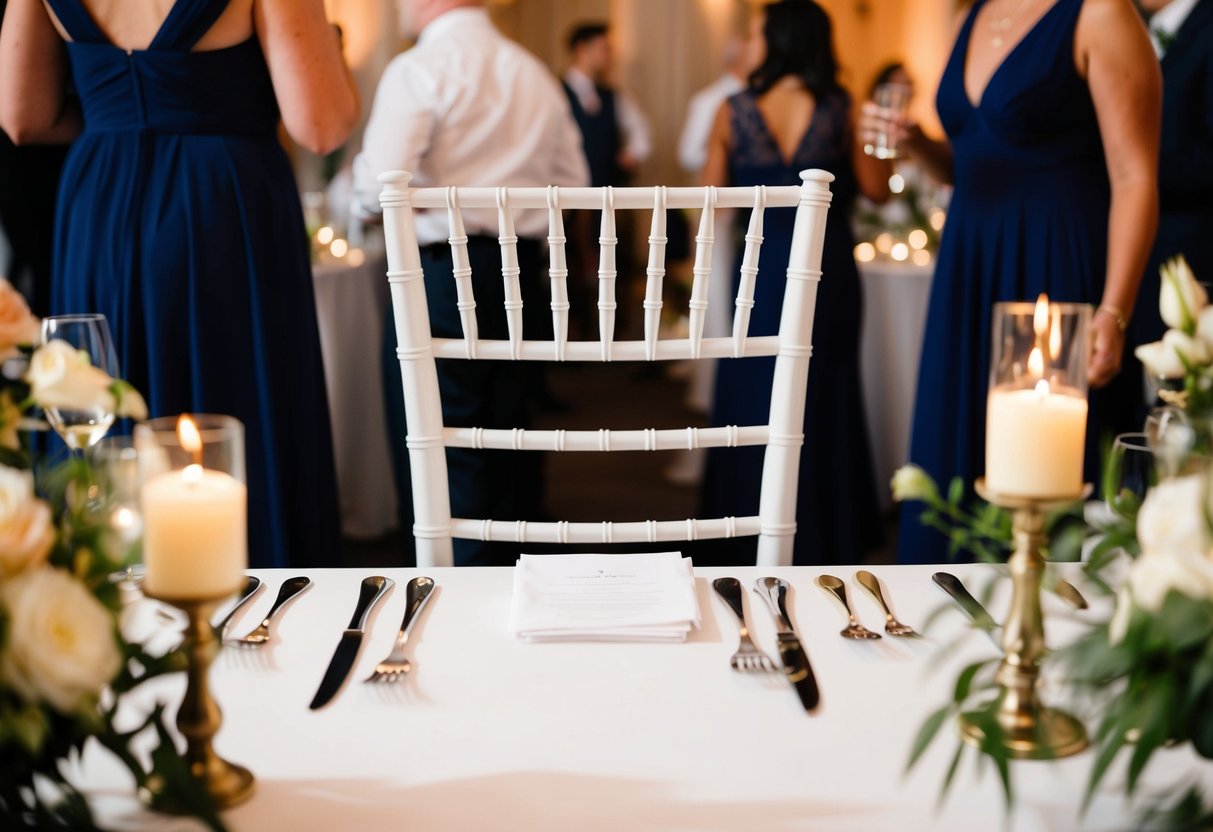
Your seating arrangement at the wedding reception is important. It sets the tone for the event and helps guests feel connected. If you decide to keep it simple, sitting together at a more intimate head table can highlight your bond and make for a memorable moment during the celebration.
Choosing who sits with you at the head table can be a personal decision. It’s a chance to share the spotlight with loved ones. By thinking carefully about your seating, you can create a welcoming atmosphere for everyone attending your wedding.
Planning the Perfect Head Table

Creating the perfect head table is essential for your wedding reception. This part of the event highlights you and your partner, making it unique and memorable. Focus on the layout, seating etiquette, and any special elements, like a sweetheart table, to make the head table work for you.
Choosing the Right Table Layout
Selecting the ideal table layout is key for your head table. You have a few options:
- Traditional Head Table: This is usually a long table where the bride and groom sit in the center, flanked by their wedding party.
- Round Tables: These tables can promote conversations but require a larger space and may not accommodate many guests.
- Long Tables: They create a more communal vibe and can be arranged in different shapes for added flair.
Consider your venue and guest count when choosing a layout. Make sure everyone seated can see and be seen easily, enhancing the connection at your event.
Understanding Wedding Seating Etiquette
Proper seating etiquette at the head table can make a big difference. Traditionally, the bride and groom sit at the center. Next to them, you usually place the wedding party, such as bridesmaids and groomsmen.
Keep in mind:
- Parents: In some setups, you may want to include parents near you to honor them.
- Friends: Invite close friends to sit beside the wedding party for support and fun.
- Speak with your wedding planner: They can help avoid awkward seating and ensure everyone feels included.
Creating a balanced seating chart can help guests feel comfortable and appreciated.
Incorporating a Sweetheart Table
A sweetheart table offers an intimate space just for you and your partner. This allows you to focus on each other during the reception while still being part of the celebration.
Here are some ideas for your sweetheart table:
- Location: Place it front and center or at a slightly elevated position for better visibility.
- Decor: Consider floral arrangements or special lighting to make it inviting.
- Size: Ensure the table is spacious enough for your food and drinks while still maintaining a cozy feel.
This table allows for special moments while ensuring you enjoy your special day without distractions.
Arranging Your Wedding Party
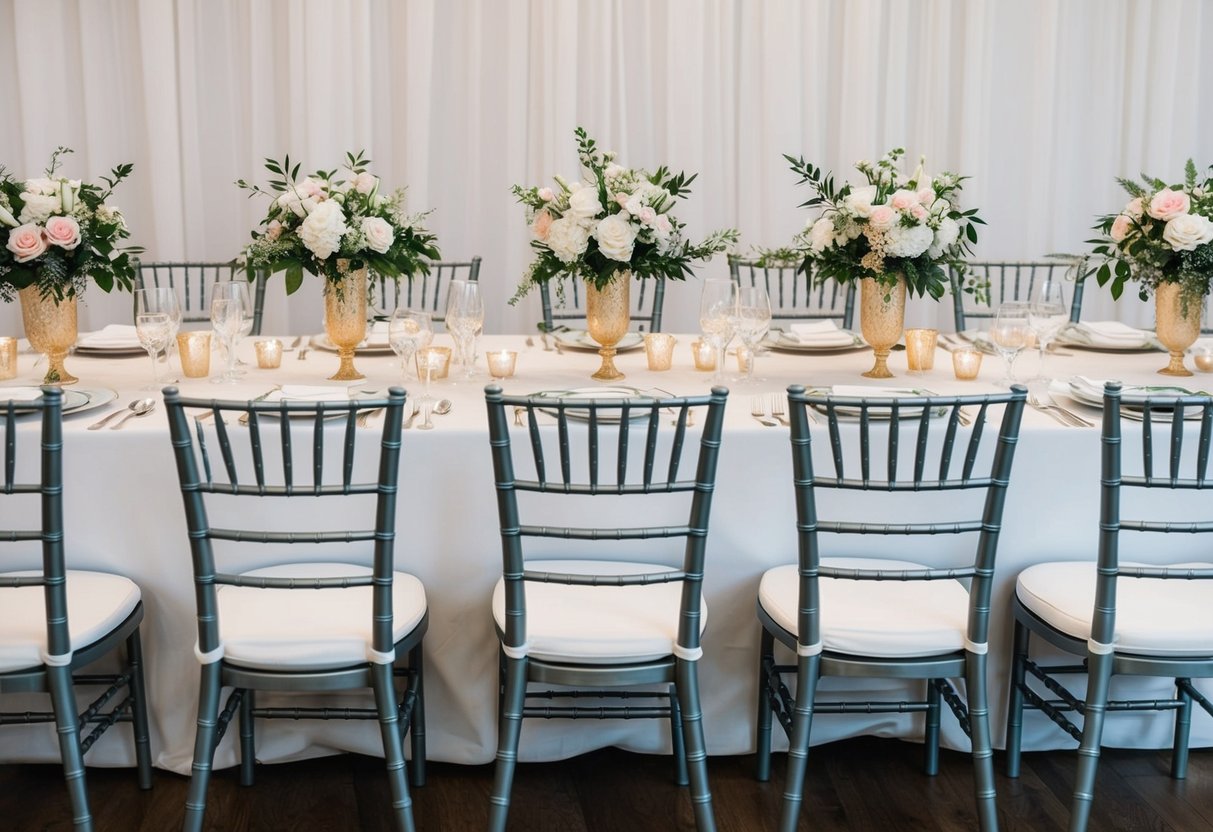
When planning your wedding party seating, consider the roles and relationships among your attendants. Proper arrangement ensures everyone feels included and valued during your special day.
Position of Honor Attendants
The maid of honor and best man hold important roles at the head table. They should be seated closest to you, allowing them to support you throughout the event.
Traditionally, the maid of honor sits to your right and the best man to your left. This arrangement highlights their significance and puts them in the spotlight alongside you and your partner. If you have multiple honor attendants, consider placing them on either side in order of importance or seniority.
Seating for Bridal Party Plus-Ones
Your bridal party plus-ones should be seated right next to their significant others. This helps create a comfortable atmosphere and allows everyone to interact easily.
If you’re having a large wedding party, you can place plus-ones at a separate table near the head table. This keeps the group close but gives them some space to mingle. Make sure to communicate seating arrangements ahead of time so guests know where to go.
Placement of Child Attendants
For younger attendants like flower girls and ring bearers, consider their seating carefully. You may want them to sit with their parents or guardians to ensure they feel secure and comfortable.
If desired, you can set up a special little table for them at the reception. This allows them to feel included in the festivities without the pressure of sitting at the head table. It’s a thoughtful way to acknowledge their roles while keeping the atmosphere relaxed.
Special Considerations for Family Members
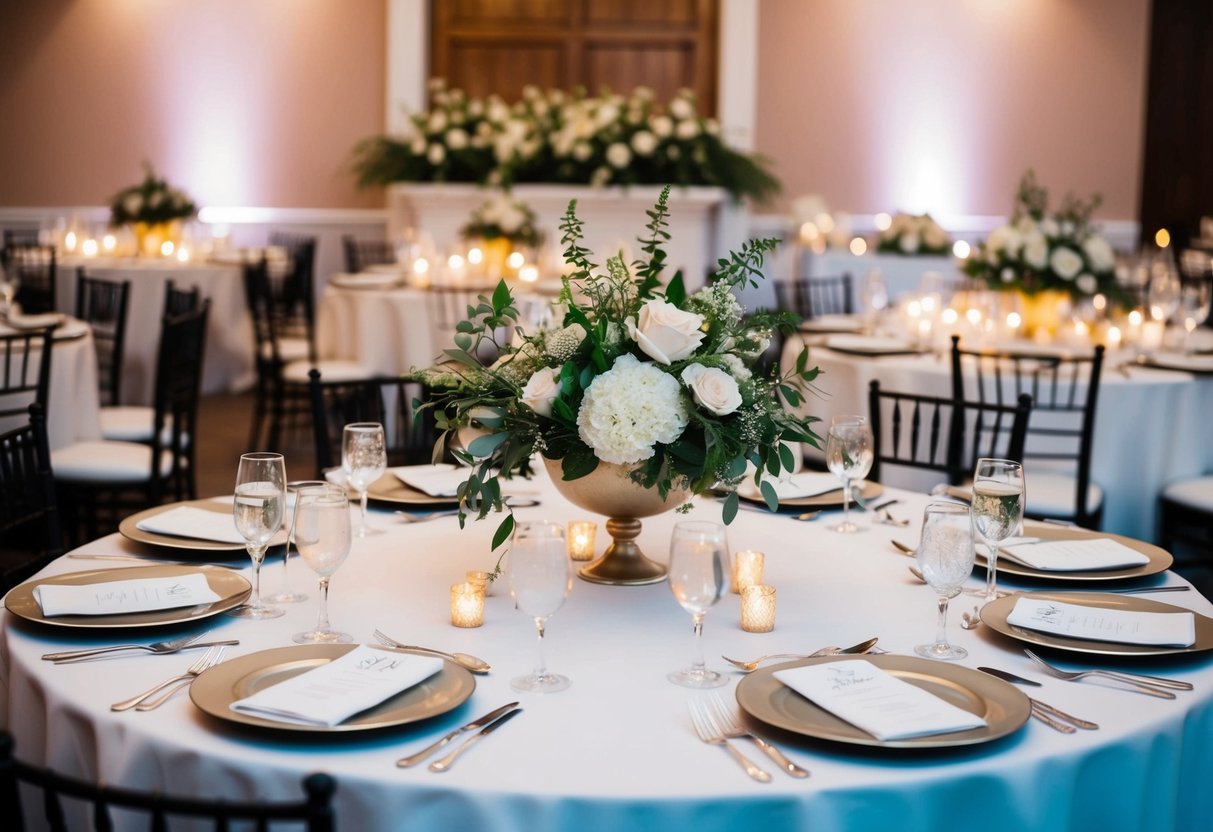
When planning the seating for family members at the head table, it’s essential to consider everyone’s feelings and relationships. You want to create a welcoming atmosphere while honoring family dynamics.
Navigating Divorced Parents
Seating divorced parents can be tricky, but it’s important to handle it with care. If both parents are present, consider seating them at opposite ends of the family table. This can help reduce any tension and maintain a friendly vibe.
You might also want to discuss arrangements with them ahead of time. Sharing seating plans ensures they feel included in the decision-making process. Additionally, consider placing a supportive family member between them if you sense potential discomfort.
Having a neutral third party can help ease any possible strain. This thoughtful approach allows for respect and consideration, creating a peaceful experience for everyone.
Including Extended Family and Ushers
It’s also a great idea to include extended family and ushers at the head table. This makes everyone feel valued and appreciated, celebrating the relationships that matter.
You can designate a specific area at the family table for these individuals. By doing this, you recognize their contributions and support, helping to foster a sense of togetherness.
If space allows, consider having ushers seated closer to the couple. This gesture acknowledges their role in the wedding and strengthens connections within your family circle.
Balancing everyone’s presence while keeping the table intimate fosters a warm atmosphere for your special day.