
Who Sits at the Mother of the Bride Table? Understanding the Seating Arrangement on Your Big Day
When planning a wedding, figuring out who sits at the mother of the bride table is an important detail. Typically, this table includes the mother of the bride, her close family members, and the groom’s parents. This arrangement not only honors your mother but also strengthens family bonds during the celebration.
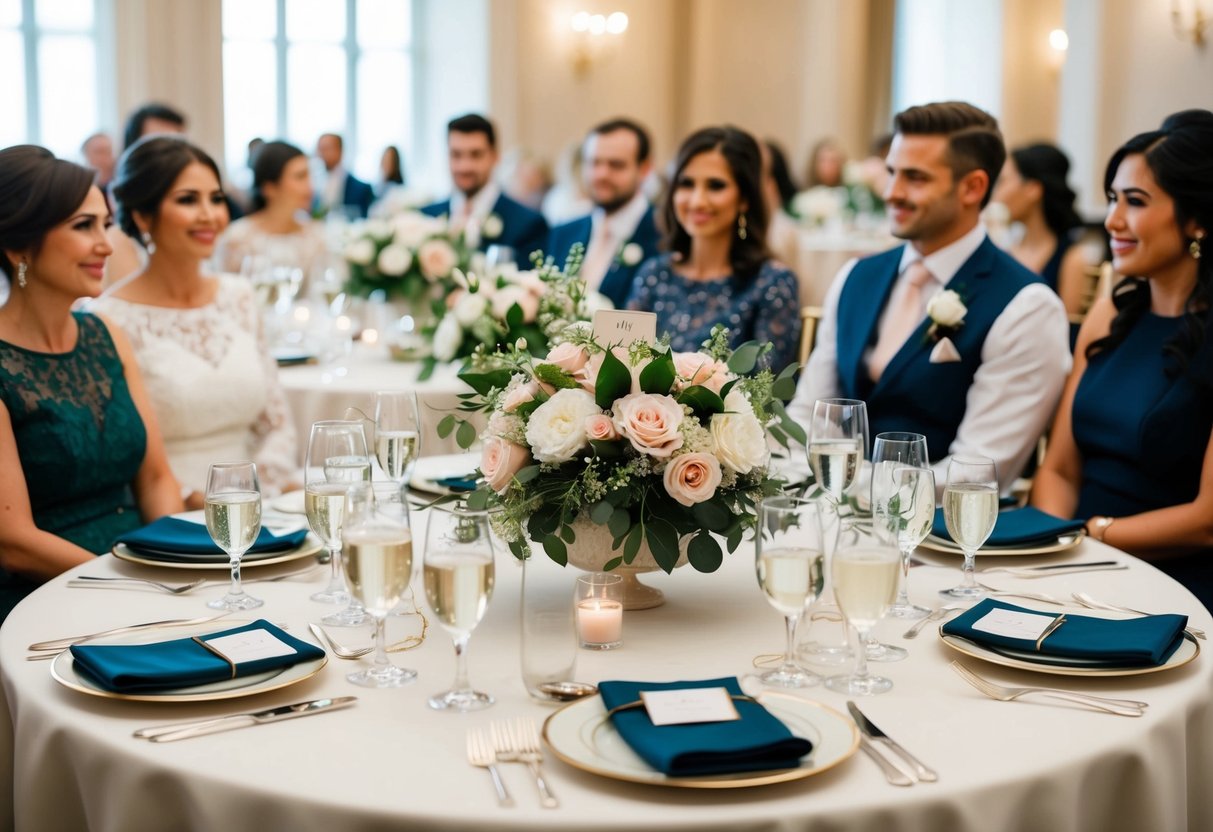
As you create your seating chart, consider how to make your mother feel special on this big day.
You may want to keep friends and other close relatives nearby to create a warm and inviting atmosphere. Positioning these key people together can enhance the joy and support surrounding the wedding reception.
Remember, the seating at the mother of the bride table should reflect the love and connection that you and your families share. By carefully choosing who sits at this table, you create a comfortable space that celebrates your family’s role in your wedding journey.
Understanding Wedding Reception Seating Basics
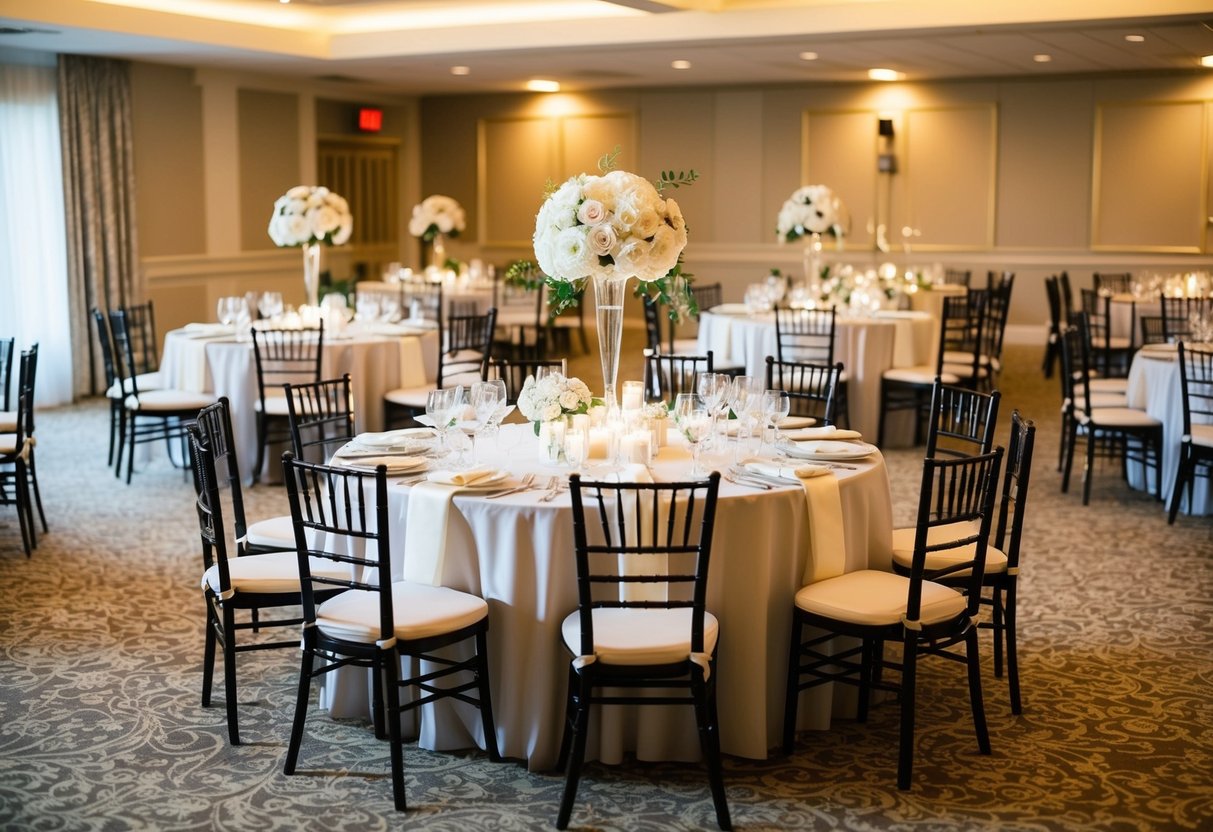
When planning a wedding reception, seating arrangements are key to ensuring everyone feels comfortable and welcomed. This section will break down the differences between the head table and the sweetheart table, explore options specifically for the mother of the bride, and discuss how to handle seating for divorced parents.
Differences Between Head Table and Sweetheart Table
The head table is traditionally where the bride, groom, and their wedding party sit. This table usually seats several people, allowing for parents, bridesmaids, and groomsmen to join in the celebration.
On the other hand, a sweetheart table is a more intimate option designed just for the couple. This choice lets you focus on each other during the dinner and can be decorated in a special way to make it feel exclusive.
Choosing which table to use often depends on your wedding style and how many guests you’d like to feature at your main table.
Options for the Mother of the Bride
The mother of the bride usually has a special place at the reception. She often sits at the head table with the couple and their wedding party. This allows her to share the spotlight and enjoy the celebration.
Alternatively, some couples create a table just for the parents of the bride and groom. This is often preferred to keep parents together, along with siblings and other close family members.
Make sure to consider the comfort of your mother and how she prefers to be included in the seating arrangements, as her role is significant on your big day.
Seating for Divorced Parents
When parents are divorced, seating can get tricky. It’s important to be thoughtful about their feelings.
You might choose to give priority seating to the mother of the bride, placing her at the front table. You can also seat their new partners or families nearby, ensuring everyone feels included.
Aim for an arrangement where both parents feel comfortable.
The Ideal Seating Arrangements at the Wedding
Creating the perfect seating arrangements at your wedding is important for ensuring everyone feels comfortable and included. This includes carefully positioning the mother of the bride, accommodating VIP guests, and following traditional seating roles.
Positioning the Mother of the Bride
Positioning the mother of the bride is key to making her feel special.
Typically, she sits at the family table, close to the bride and groom. This placement allows for easy communication and togetherness during the celebration.
You can also consider having her at the top table with the bride, groom, and immediate family. This arrangement highlights her role and gives her a clear view of the festivities.
Consider using a seating chart to map out where she will sit. This helps avoid confusion and ensures everyone knows where to go when it’s time to eat.
Seating VIP Guests and Family Members
VIP guests, including close relatives and significant friends, should have prominent seats.
A family table often accommodates these individuals, and it’s recommended to extend invitations to both sides of the family to sit here. Make sure the parents of the groom also have a nice place, ideally at the top table or very close. This honors both families and creates a feeling of unity.
You may choose to mark their seats with special name cards. This way, guests instantly see their importance and can feel extra welcomed at your wedding.
Incorporating Traditional Seating Roles
Incorporating traditional seating roles adds a touch of formality to the wedding.
The traditional setup usually features the bride and groom flanked by their parents. This is often seen at a top table where the maid of honor and best man also sit.
If you have divorced parents, it’s crucial to consider their comfort. Place them at different tables with supportive relatives nearby. This calm approach helps prevent awkwardness.
Using a seating chart can identify these traditional roles. Including a designated spot for each key person will help maintain the event’s flow and enhance the overall experience for everyone involved.
Special Considerations in Seating Plans
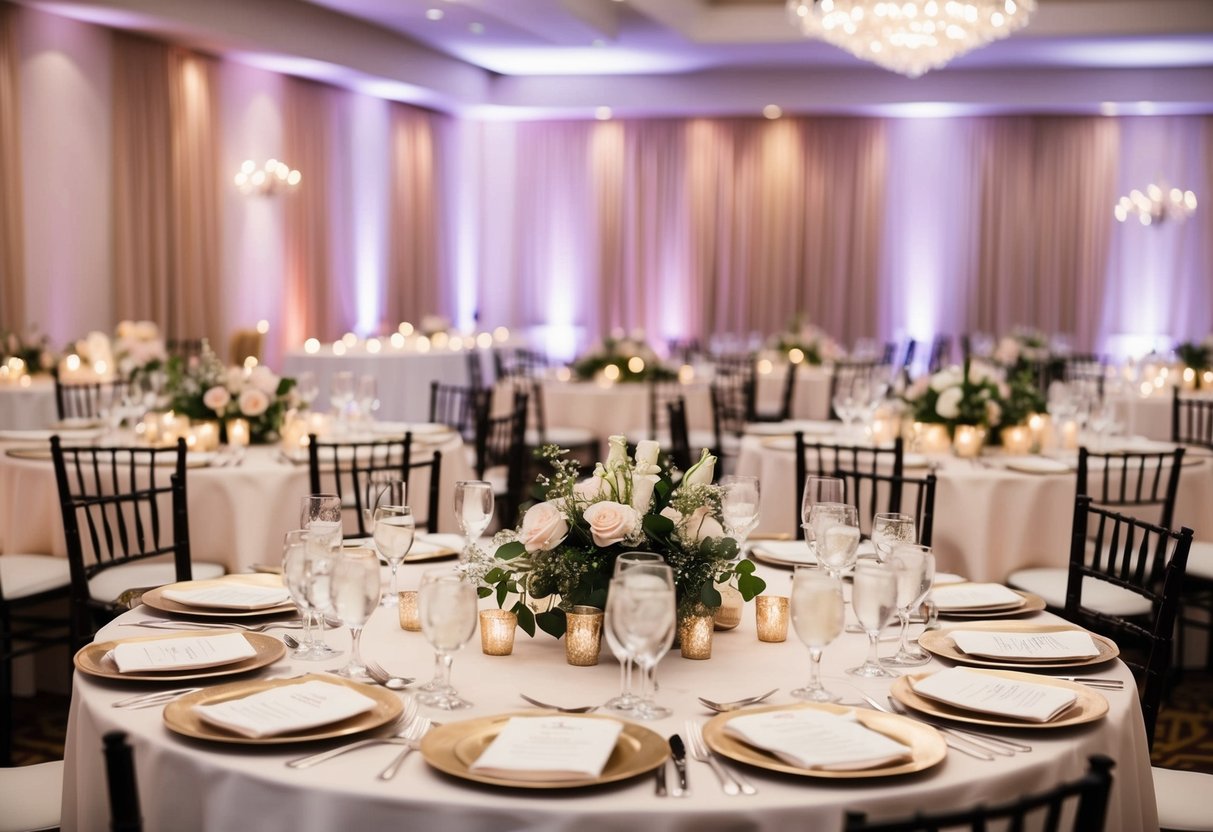
When planning wedding seating, you need to think about various factors to ensure all guests feel included. Specific situations like same-sex weddings, blended families, and children at the reception can impact your seating chart. Here’s what to keep in mind.
Accommodating Same-Sex Weddings and Second Marriages
In a same-sex wedding, the seating plan might differ from traditional setups. Both sets of parents should be acknowledged equally.
Consider a “family table” that includes both parents, along with siblings and close friends. This promotes harmony and respects all family dynamics.
For second marriages, you might face additional challenges.
It’s important to seat the children of both partners near their parents. Creating a warm atmosphere is key. Assigning spots that reduce tension between divorced parents is crucial. Clear communication with all family members can help make this smoother.
Designing Kid-Friendly Reception Seating
If kids are attending, it’s wise to have a section of the table just for them. This keeps them entertained and allows parents to relax.
You can consider using fun decorations, like crayons and activity books, at their tables.
Depending on the guest list, you might have a mix of ages. Pair older kids with younger ones to foster bonding. This creates a welcoming environment that appeals to all ages. Additionally, keeping kids near their parents helps if they need anything during the event.
Managing Guest List Variations
As you finalize the guest list, you may encounter some guests with unique needs. For example, seating grandparents close to the dance floor makes it easier for them to enjoy the festivities. You might also have friends with allergies or other health considerations, so a flexible approach is helpful.
Be mindful of any guest’s needs and preferences. Creating a seating chart that reflects individual relationships can help everyone feel comfortable. This thoughtful planning shows you care about their experience, making your wedding more enjoyable for all.