
Who Sits at the Mother of the Bride Table? A Guide to Seating Arrangements
Planning a wedding involves many details, and seating arrangements can sometimes feel overwhelming. If you’re wondering about seating at the wedding reception, the mother of the bride typically sits at the top table with the bride, groom, and their parents. This placement highlights her special role in the event and allows her to support and celebrate with the couple throughout the festivities.
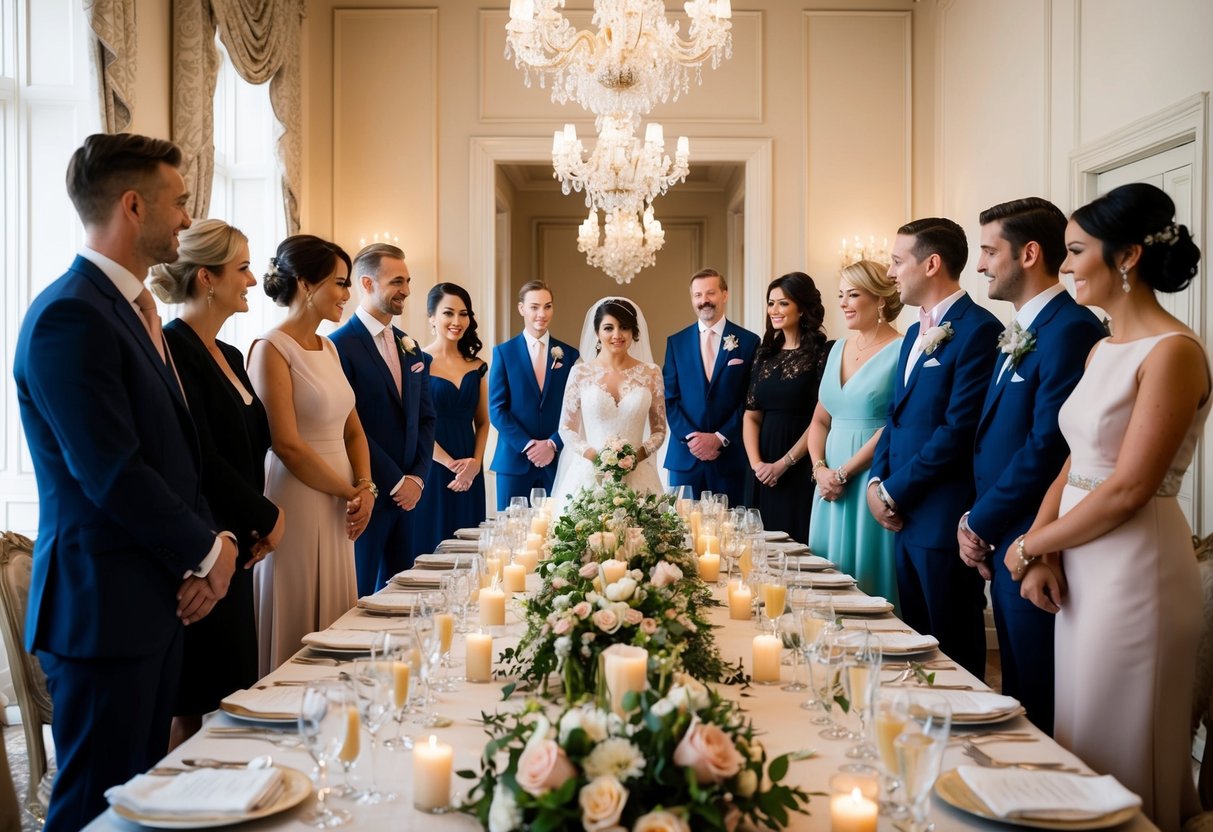
You may also want to consider who else might join her at the table. Close family members, such as grandparents or siblings, often sit nearby. Some couples choose to create a more relaxed setting by allowing parents to sit with friends or at separate tables, depending on their preferences. This flexibility can help ensure everyone feels comfortable and has a great time.
Understanding these seating dynamics can ease your planning process and lead to a more enjoyable experience for everyone involved. By getting the seating right, you set the tone for a memorable day filled with love and joy.
Planning the Seating Chart
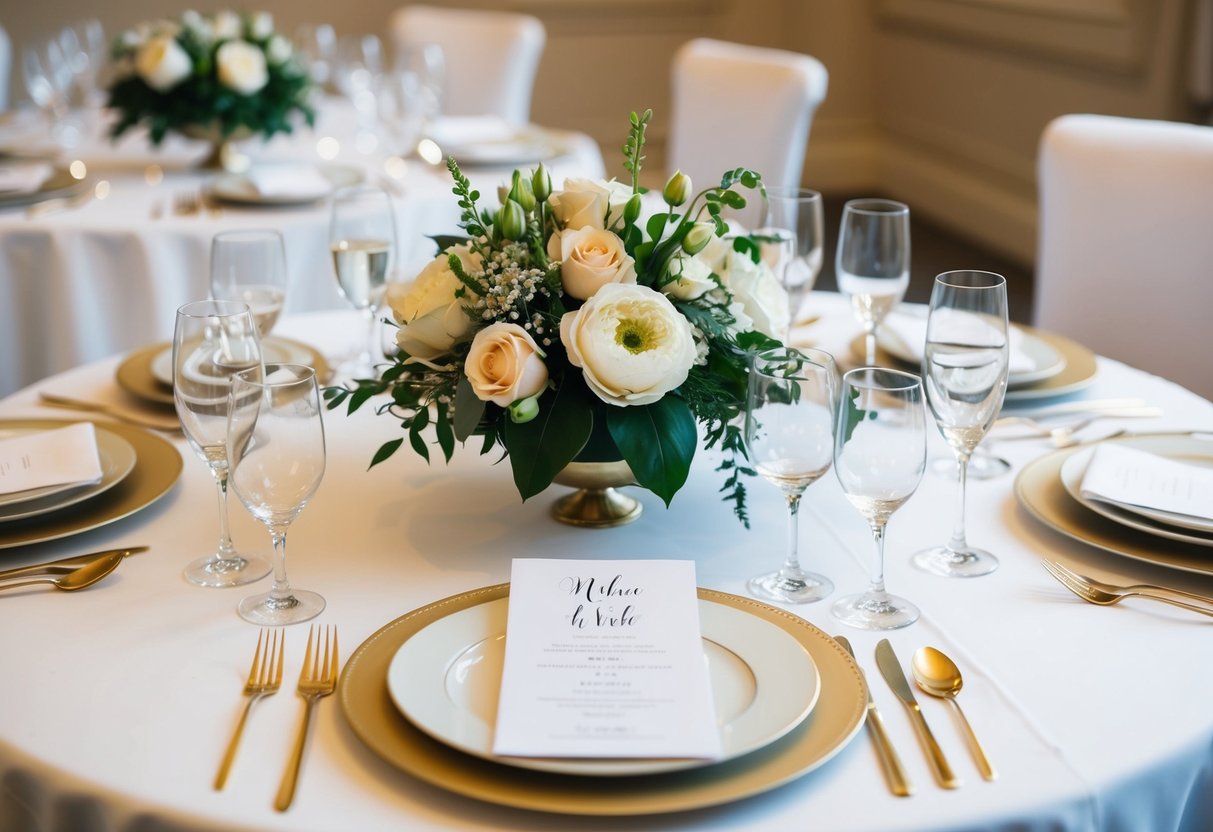
Creating a seating chart is an important part of wedding planning. You want to ensure that everyone sits comfortably and enjoys the celebration.
It’s essential to consider the dynamics of the head table, any special circumstances like a sweetheart table, and the needs of divorced parents. Different types of weddings also require their own unique seating considerations.
Understanding the Head Table Dynamics
The head table traditionally sits at the center of the reception. Typically, the bride and groom are flanked by their bridal party. If your guest list is large, you might consider having a second head table. This way, you can include parents and close family members, making them feel special.
Think about the arrangement. A rectangular or circular table can create a warm atmosphere. Ensure the mother of the bride feels included by placing her near the couple. This helps foster connection and enhances the family dynamics during the celebration.
Considering Special Circumstances for a Sweetheart Table
A sweetheart table is a cozy option for just the bride and groom. It allows for intimate conversations and personal moments. If you choose this setup, still consider including parents nearby. This arrangement creates a sense of closeness without overwhelming the couple.
When planning this table, choose a location that offers visibility and accessibility. You want to be able to greet guests easily. Adding a few decorations, like flowers or candles, makes it feel special. This setting reflects your relationship while honoring family connections.
Integrating Divorced Parents Respectfully
Seating divorced parents can be tricky but it is crucial to keep the peace. Consider their feelings by seating them at different tables but close enough to the action. This ensures they can still enjoy the day without discomfort.
It may help to involve them in the planning process. Ask them where they’d prefer to sit. Showing respect for their feelings can ease potential tensions. Remember, clear communication with everyone involved is key to a harmonious celebration.
Accommodating Different Types of Weddings
Different weddings come with different dynamics. For a same-sex wedding, you might have both partners’ parents seated together at the head table. This collaborative seating approach promotes unity and support for the couple.
For a traditional Christian wedding, follow the usual seating etiquette. Arrange the bride’s parents on one side and the groom’s parents on the other. If it’s a second marriage, be sensitive to past relationships when planning seating. Clear and thoughtful arrangements go a long way in ensuring everyone feels welcome.
Seating Arrangements at the Reception
When planning your wedding reception, seating arrangements are key. You want to create a comfortable and enjoyable atmosphere for all your guests. Here’s what to consider for organizing the top table, placing the couple, and assigning seats for your VIP guests.
Organizing the Top Table
The top table is the main focus during the reception. It usually includes the wedding couple, their parents, and sometimes the maid of honor and best man.
A typical arrangement might look like this:
- Bride and Groom in the center.
- Bride’s Parents seated to her left.
- Groom’s Parents seated to his right.
- Maid of Honor and Best Man can sit nearby.
This setup allows for easy communication and ensures the focus is on you throughout the event.
Placement of the Wedding Couple
You should position the wedding couple prominently at the reception. It’s traditional to have you both at the center of the top table. This helps everyone recognize who is being celebrated.
Consider creating a special table just for the two of you during the reception meal. This can enhance your experience. You can enjoy intimate moments while still being part of the festivities.
After dinner, you might want to mingle with guests while still having a designated area to return to.
Assigning Seats for VIP Guests
Your VIP guests include close family members and friends who should have a special place at the reception.
Here’s how to handle it:
-
Parents: Ensure both sets of parents are seated near you. They’ve likely helped throughout the planning process and should feel included.
-
Siblings: If they are not in the wedding party, seat your siblings close to your parents.
-
Grandparents: Honor your grandparents by giving them seats at the family table. Make sure they are comfortable and can see everything.
By thoughtfully assigning seating for your VIP guests, you create a warm atmosphere that fosters connection and celebration.
Design Elements and Decor
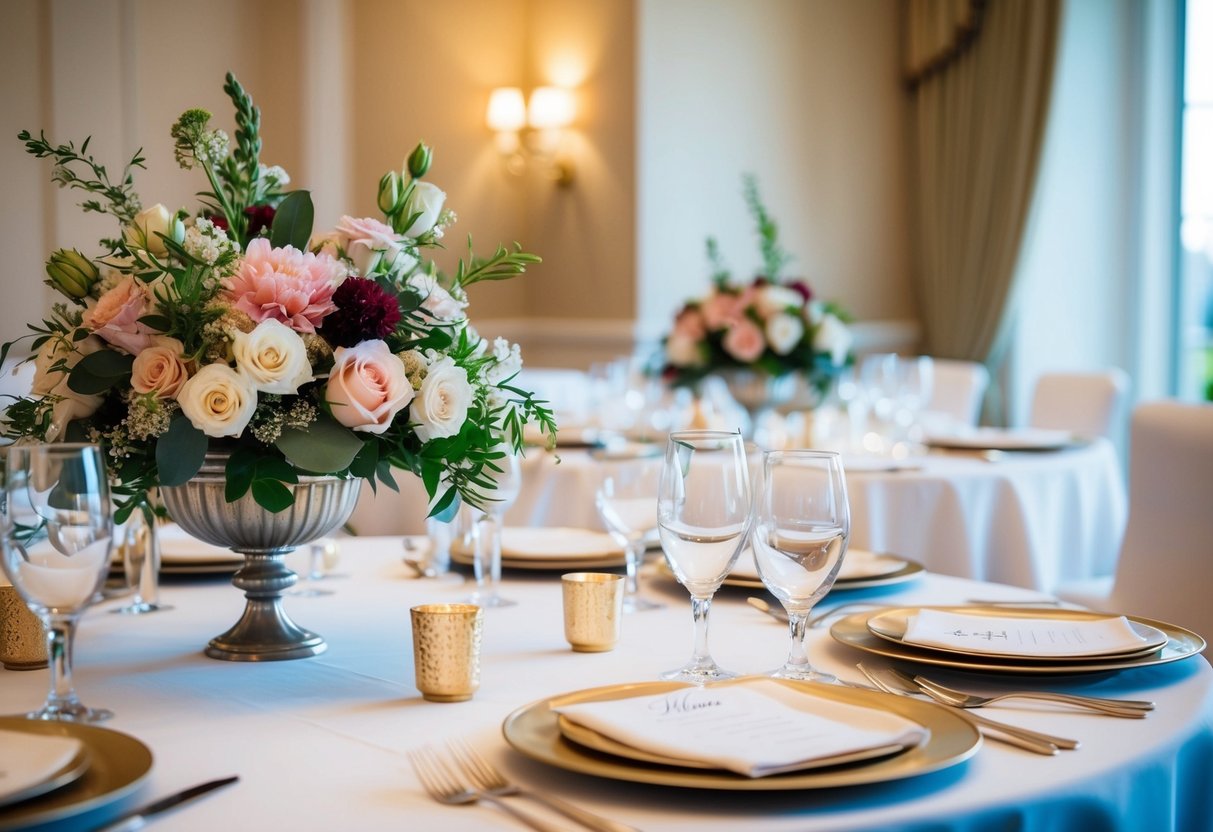
When planning the decor for the mother of the bride table, it’s essential to focus on unique centerpieces and floral arrangements. These elements will enhance the overall aesthetic and create a warm atmosphere.
Selecting Unique Centerpieces and Floral Arrangements
Choosing the right centerpieces sets the tone for the table. Consider using elements that represent the couple’s style. Think outside the box!
Options include:
- Personalized Items: Use family heirlooms or meaningful objects.
- Seasonal Flowers: Select blooms that complement the wedding’s colors and theme.
- Variety in Heights: Mix tall arrangements with shorter ones for visual interest.
A mix of bold colors and soft pastels can create a stunning effect. Make sure each table setting includes a touch of greenery to bring a fresh feel.
Floral arrangements should be full and lush. Use flowers that resonate with the couple’s story or loved ones. This can add a personal touch to your celebration. Don’t forget to match the arrangements to the table linens for a cohesive look!
Role of Wedding Planners and Etiquette
When planning the seating at the mother of the bride table, you want a smooth experience that respects wedding etiquette. A skilled wedding planner can help coordinate details and ensure everything flows well on the big day.
Coordinating with Professionals for a Smooth Experience
Hiring a wedding planner can take a lot of stress off your shoulders. They know the ins and outs of wedding planning and can help with seating arrangements.
Working with them, you can discuss who should sit at the mother of the bride table and how to arrange other guests around it. A planner will liaise with venues, caterers, and other vendors to keep everything on track.
You will appreciate their expertise in handling unexpected issues that may arise. This way, you can focus on enjoying your special day while knowing the details are in good hands.
Following Wedding Etiquette for Seating
Following proper wedding etiquette is crucial for setting the right tone. When you decide on seating, consider the relationships between guests.
The mother of the bride typically sits at the head table, often with close family members.
You should arrange seating to encourage warmth and comfort among guests. Avoid uninviting surprises, like placing estranged family members near each other. You might also consider adding a sign indicating the seating arrangement. This can help guests find their spots easily.
Involving a wedding planner ensures that these details are handled thoughtfully. They can guide you on customary practices while allowing for your unique vision for the event.