
Who Sits at the Sweetheart Table? A Guide to Wedding Seating Traditions
At a wedding reception, the sweetheart table is a special spot reserved just for you and your partner. Typically, you will sit together at this small, intimate table. You, the bride, will sit on the left, and your groom on the right. This arrangement not only provides a moment of privacy amid the celebration but also highlights your importance as a couple during the event.
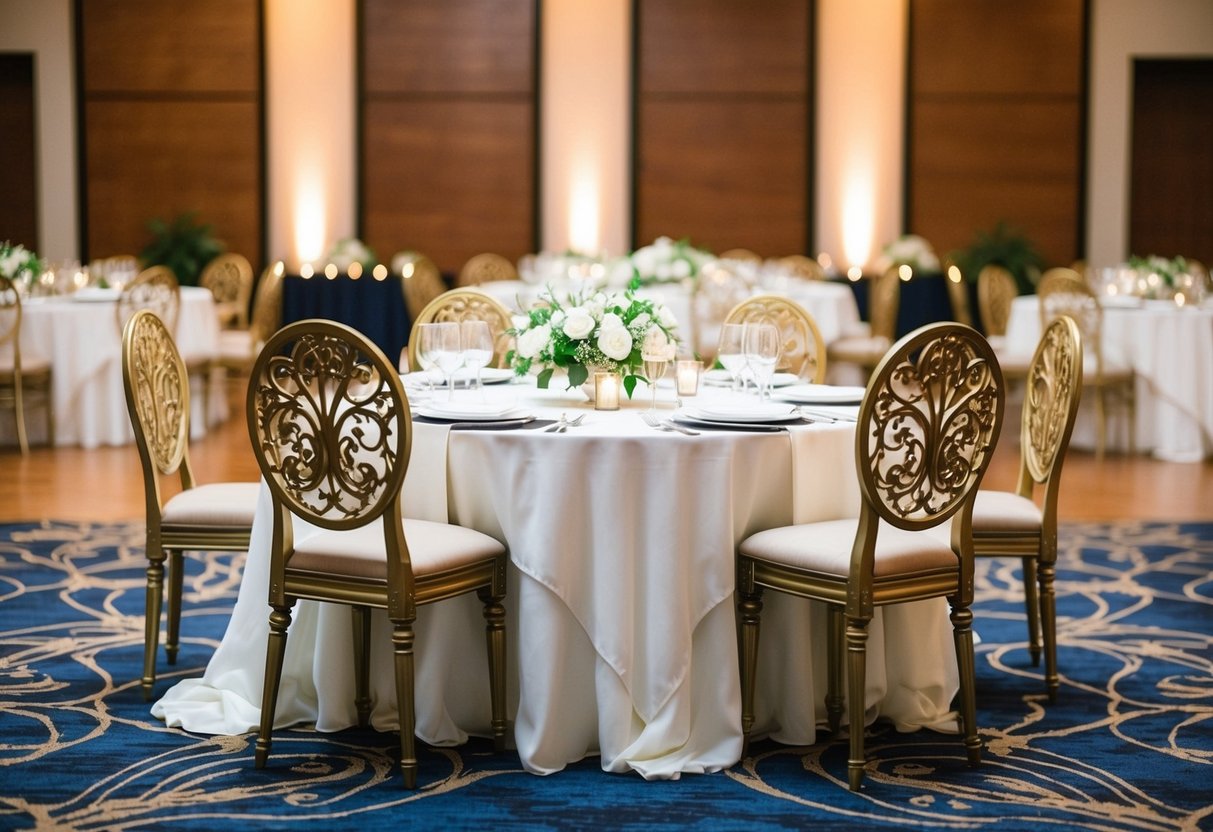
The sweetheart table allows you to enjoy your meal and share special moments while surrounded by the joy of family and friends. While it symbolizes your bond, it also sets the tone for the rest of the seating arrangements that follow for your guests. Understanding who sits at the sweetheart table can help you plan a more meaningful and memorable reception.
Designing Your Sweetheart Table
Creating a charming sweetheart table enhances your wedding’s intimate setting. Focus on style and positioning to make this spot special for you and your partner.
Choosing the Right Style
When selecting a style for your sweetheart table, align it with your wedding theme. Whether rustic, modern, or classic, make sure your table reflects your personality.
Opt for decor that adds warmth and elegance. Floral arrangements, candles, and soft fabrics can create a cozy atmosphere. Consider using a unique tablecloth that complements your color scheme.
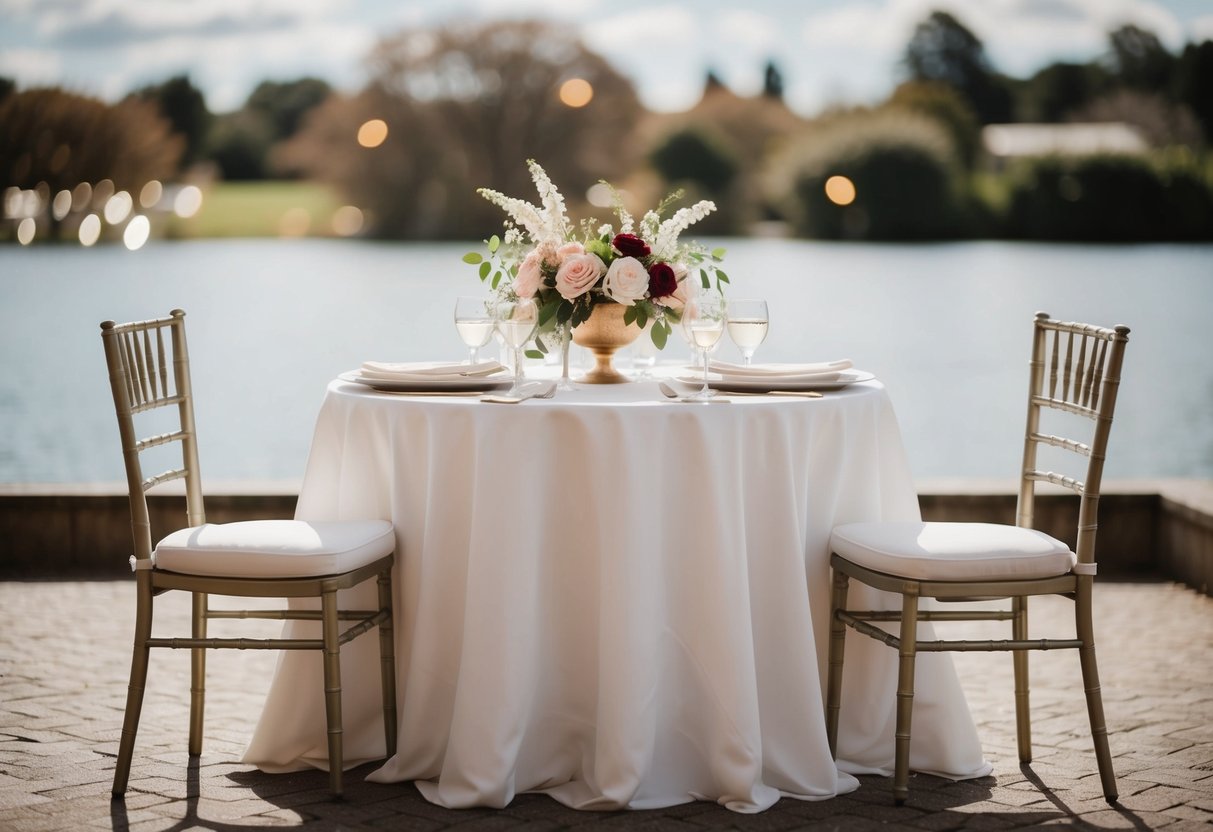
For seating, choose chairs that suit your theme. Peacock chairs offer a vintage vibe, while sleek Chiavari chairs can provide a modern touch. Personalize the space with a special sign or photo that represents your journey together.
Positioning for Impact
The placement of your sweetheart table is vital for visibility and vibe. Position it where guests can easily see you. This fosters connection and ensures everyone can share in your special moments.
Consider placing the table at a focal point in the reception area, like in front of the dance floor or near the entrance. This draws attention to you while you enjoy your meal.
Make sure there is enough space around the table. This creates an intimate seating area while keeping it separate enough for privacy. Arrange your table to invite discussion and warmth among your guests.
Understanding Seating Arrangements at Weddings
Seating arrangements are essential for creating a comfortable atmosphere at your wedding. They determine who sits where, allowing guests to socialize and enjoy the event. Here’s a closer look at the common setups you may consider.
Traditional Seating Arrangement
In a traditional wedding setup, the bride and groom often sit at the sweetheart table. This small table is reserved just for the two of you, making it a special spot during the reception. Typically, the bride sits on the left and the groom on the right.
Your wedding party can be seated at the head table. This table may include bridesmaids, groomsmen, or both. This arrangement helps make the celebration feel inclusive, as your closest friends support you on your big day.
Head Table Variations
Different variations of the head table offer flexibility in seating. One popular option is the bridal table, which highlights the bride and groom at the center, surrounded by their bridal party.
Another idea is the family table, where both families sit together. This is especially meaningful if you want to emphasize family bonds. Also, if your parents are divorced, consider creating separate family tables, ensuring that everyone feels comfortable and included.
Incorporating Family Members
Incorporating family members into the seating chart can strengthen family ties. You might allocate specific tables for close relatives to encourage connection among family members.
When planning, think about the dynamics between guests. If there are divorced parents, seating them at different tables can help avoid discomfort. You can also designate a space for grandparents, celebrating their role in your life and offering them a place to relax.
Coordinating Your Wedding Party
When planning your wedding, organizing your wedding party is a key part. It helps ensure everyone knows their roles and where they will sit, making the day run smoothly.
Roles and Placements
Your wedding party typically includes honor attendants, bridesmaids, groomsmen, flower girls, and ring bearers. Each group has specific roles that can help make your day extra special.
Honor attendants usually stand closest to you at the head table and may include your maid of honor and best man.
Bridesmaids and groomsmen can sit together or at separate tables based on their comfort. You may also choose to seat family members near your wedding party to keep the support close.
Child attendants, like flower girls and ring bearers, often sit with their parents but can make an appearance at your head table for a moment of fun and joy.
Attendants and Table Setups
Deciding on the seating arrangement is important for making your reception enjoyable. Start by choosing a sweetheart table for just you and your partner. This allows you to enjoy some quiet moments together.
Next, consider how to place your bridal party. You might opt for two tables alongside your sweetheart table.
You can position the bridesmaids and their dates at one table, and the groomsmen with their dates at another. If your party isn’t very close, mixing them up at different tables can create more comfort and ease.
Always keep everyone’s relationships in mind, and ensure they feel included and happy during the celebration.
Final Touches on Seating Etiquette
When planning your wedding seating arrangement, small details can greatly enhance your guests’ experience. Using place cards and a seating chart helps guests know where to sit, while thoughtful seating tips contribute to a smooth reception flow.
Place Cards and Seating Chart
Creating a clear seating chart is essential. It guides your guests to their designated spots, reducing confusion. Display it at the entrance for easy access.
Place cards add a personal touch. They let guests know exactly where to sit and can keep family and friends close for mingling.
Consider the layout of your tables. For a sweetheart table, position it centrally to emphasize its importance. Use a layout that encourages interaction, helping guests feel included.
Seating Tips for a Smooth Reception
To ensure your reception runs smoothly, think about your guests’ dynamics. Mixing different groups can foster conversation.
Take personal preferences into account. This consideration can enhance comfort and enjoyment. Avoid seating estranged family members too close to each other, as this can create tension.
If you have children attending, consider creating a designated kids’ table. This allows parents to relax while kids engage with peers.
Incorporating these elements into your seating arrangements will help create a warm and welcoming atmosphere for all your guests.